
Magnesium Glycinate vs Citrate vs Oxide: Best for Constipation, Sleep, or Daily Use?

Picking a magnesium supplement can feel like standing in front of three nearly identical doors. The labels sound similar, yet the results can be wildly different. If you're comparing magnesium glycinate vs citrate vs oxide, the best choice depends less on hype and more on what your body needs right now.
For most people, the short answer is simple. Sleep and everyday use often point to glycinate. Constipation usually points to citrate. Oxide has a place too, but it's often the roughest ride.
Quick answer: Choose magnesium glycinate for sleep, calm, and steady daily use. Choose magnesium citrate if you want magnesium plus constipation relief. Choose magnesium oxide mainly for short-term constipation support or low-cost options, not for the best absorption.
Table of Contents
- Key takeaways
- Magnesium glycinate vs citrate vs oxide at a glance
- Which form fits constipation and sleep best
- Which magnesium works best for daily supplement use
- How to access magnesium affordably and safely
- FAQ
Key takeaways
- Glycinate is usually the gentlest form and a strong fit for sleep or regular use.
- Citrate absorbs fairly well and can pull water into the bowel, which helps with constipation.
- Oxide contains a lot of elemental magnesium on paper, but your body absorbs less of it.
- If loose stools are a problem, citrate and oxide may make that worse.
- If cost matters most, oxide is often cheapest, while glycinate tends to cost more.
Magnesium glycinate vs citrate vs oxide at a glance
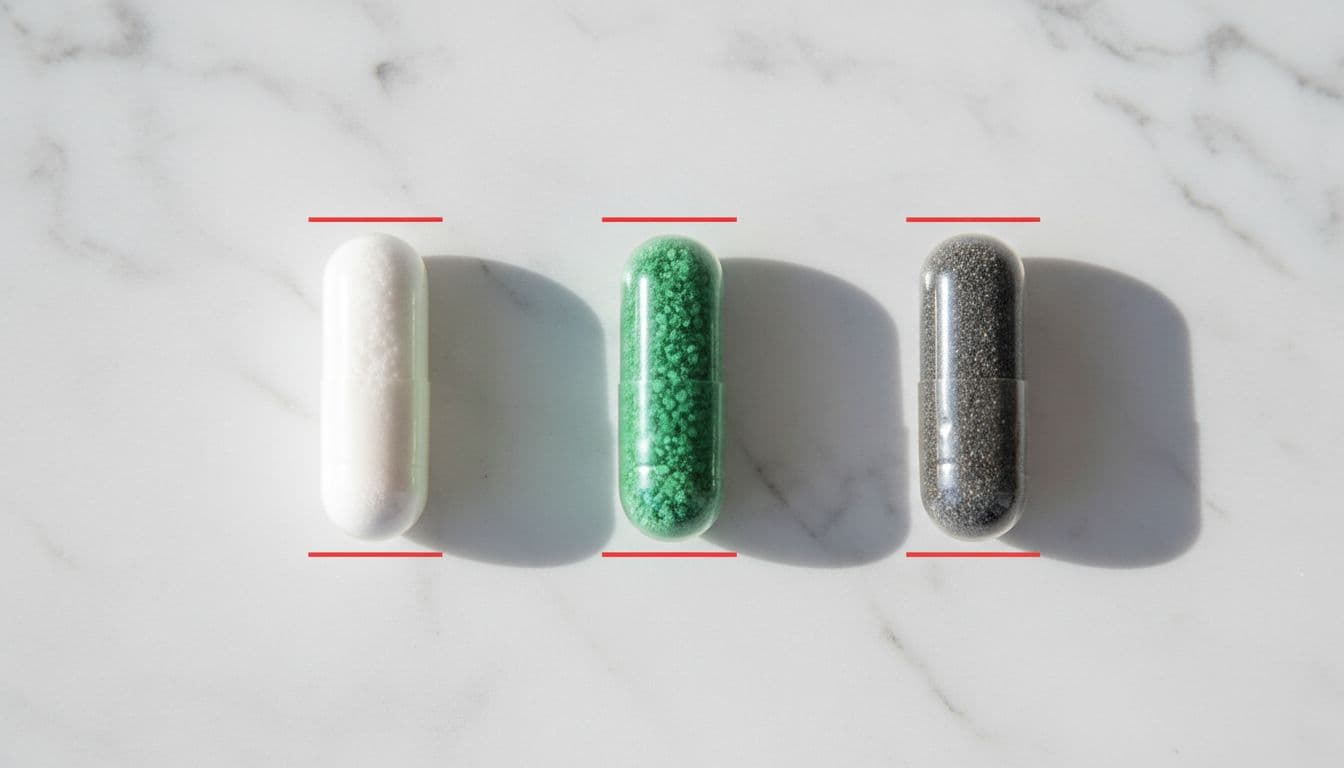
Think of these forms as three keys cut for different locks. They all contain magnesium, but each attaches magnesium to a different compound. That changes how it behaves in the gut, how well it absorbs, and what side effects show up first.
Magnesium glycinate pairs magnesium with glycine, an amino acid. This form tends to be easy on the stomach and is often chosen for calm, muscle relaxation, and sleep support. A recent Cleveland Clinic overview of magnesium benefits also points to glycinate as a common option for relaxation-focused use.
Magnesium citrate binds magnesium to citric acid. It dissolves well and often absorbs better than oxide. It also has an osmotic effect, meaning it draws water into the intestines. That is why it can help with constipation.
Magnesium oxide is the bargain-bin version in many stores. It packs more elemental magnesium per tablet, but your body absorbs less of it. As a result, more stays in the gut, which is why it acts more like a laxative than a true daily magnesium builder.
Here is the quick side-by-side view:
| Form | Best use | Absorption | Stomach effect | Typical cost |
|---|---|---|---|---|
| Glycinate | Sleep, relaxation, daily use | High | Gentle | Higher |
| Citrate | Constipation, daily use for some people | Moderate to good | May loosen stools | Mid-range |
| Oxide | Short-term constipation, lowest-cost option | Low | Most likely to upset stomach | Lower |
The big takeaway is simple: the best magnesium form is goal-based, not label-based.
Which form fits constipation and sleep best
If constipation is your main issue, magnesium citrate usually makes the most sense. It helps because it brings water into the bowel, which softens stool and supports movement. GoodRx's review of magnesium for constipation explains this osmotic effect in plain language. WebMD's guide to magnesium and constipation notes the same general use, while also warning not to overdo it.
Oxide can also work for constipation, sometimes strongly. That strength is also its downside. Loose stools, cramping, and stomach discomfort happen more often. If you only want better magnesium status, oxide may feel like using a sledgehammer to hang a picture.
Sleep is different. For that goal, glycinate usually rises to the top because it absorbs well and tends to be gentler. The glycine part may also support a calmer feel in some people. A consumer-friendly Verywell Health comparison of magnesium forms for sleep makes a similar point.
Citrate can still help some sleepers, especially if constipation and poor sleep travel together. That combo is common. A tense gut can keep the whole body on edge. Still, citrate is more likely to send you to the bathroom than lull you toward sleep.
If you're shopping by symptom, the pattern usually looks like this:
- For trouble falling asleep, glycinate often fits best.
- For occasional constipation, citrate often works better.
- For cheap, short-term bowel support, oxide may work, but it comes with more trade-offs.
If you're exploring blends for bedtime, products like Nature's Way Magnesium Sleep Well combine multiple forms with added calming ingredients, which may appeal to people who want broader sleep support.

Which magnesium works best for daily supplement use
For routine daily supplementation, glycinate usually earns the most consistent praise. It tends to absorb well, and it is less likely to trigger diarrhea. That matters if you want to take magnesium for weeks or months, not just during a rough patch.
Citrate can also work for daily use, but only if your stomach tolerates it. Some people do well with it. Others find that even moderate doses push them toward loose stools. In that case, the best supplement is the one you stop taking.
Oxide is usually the weakest fit for long-term daily use. Low absorption is the main reason. You may swallow a large number on the label, yet your body may use less of it. That is why many evidence summaries rank oxide lower than glycinate or citrate for general supplementation.
A practical daily rule helps. Start low, then adjust slowly. Taking magnesium with food often improves comfort, unless you're using it specifically as a laxative and your clinician suggests a different approach.
For people who want a simple everyday option, Blackmores MagMin Magnesium tablets are one example of a magnesium supplement aimed at steady support rather than bowel relief. If bone health is also part of the picture, a combined formula like Blackmores Total Calcium Magnesium + D3 may make more sense than buying separate bottles.
A supplement that fits your stomach is often better than a stronger one you can't stick with.

How to access magnesium affordably and safely
In the USA, magnesium supplements are widely available over the counter, but access is not the same as a good fit. Oxide is often easiest to find and often cheapest. Citrate usually lands in the middle. Glycinate often costs more, partly because people seek it out for sleep and gentler daily use.
That price gap can matter if you take magnesium long term. Still, a cheaper bottle is not always the better value. If oxide causes cramping or poor absorption, the savings can disappear fast.
For shoppers comparing USA and international options, online pharmacies and supplement stores may offer broader brand variety, refill convenience, and different pack sizes. Soft tip: compare the elemental magnesium per serving, the number of servings, and the form itself before deciding.
This information is for educational purposes only. Magnesium can interact with some antibiotics, thyroid medicine, and kidney disease care. Consult a licensed healthcare provider before starting or changing a supplement, especially if you take prescription medication.
FAQ
Is magnesium glycinate better than citrate for sleep?
Usually, yes. Magnesium glycinate is often preferred for sleep because it absorbs well and is less likely to cause diarrhea. Citrate may still help if constipation is part of the problem, but it is not usually the first choice for a calm bedtime routine.
Which magnesium is best for constipation?
Magnesium citrate is often the best balance of bowel support and tolerability. Magnesium oxide can also relieve constipation, but it tends to be harsher on the stomach. If constipation is frequent or severe, talk with a healthcare provider instead of relying on repeated self-treatment.
Why is magnesium oxide so common if absorption is lower?
It is common because it is inexpensive, widely available, and works well as a laxative. Manufacturers also like that it can deliver a high elemental magnesium number on the label. The catch is that your body often absorbs less of that magnesium than it does from glycinate or citrate.
Can you take magnesium every day?
Many people can, but the right dose and form matter. Daily use is more comfortable with gentler forms, especially glycinate. People with kidney disease or those taking certain medications need extra caution because magnesium can build up or interfere with absorption of other drugs.
Is magnesium citrate okay for daily use?
It can be, especially at lower doses, but tolerance varies. Some people take it daily without trouble. Others get loose stools even with modest amounts. If your goal is steady long-term supplementation and not bowel relief, glycinate is often the smoother choice.
What's the safest way to choose a magnesium supplement?
Match the form to the symptom first. Then check the dose, other ingredients, and your medication list. If you take prescriptions, ask a pharmacist or clinician about spacing doses. That step matters because magnesium can reduce absorption of certain medicines if taken at the same time.
The cleanest answer is still the first one: glycinate for sleep and daily use, citrate for constipation, oxide mostly for low-cost bowel relief. Once you match the form to the job, magnesium stops being confusing and starts being useful.
If you want to compare options side by side, check available magnesium products through licensed pharmacy channels and choose the form that fits your goal, not the loudest label.