
90-Day Refills vs 30-Day Fills: What Saves More?

Most people assume the cheaper refill is the one with the lower sticker price. In pharmacy math, that can be wrong. 90-day refills often save more over time, but only when the medication is stable, the dose is unlikely to change, and your plan allows a larger fill.
If you are managing blood pressure, diabetes, thyroid disease, asthma, or other chronic conditions, the refill schedule can shape your budget as much as the drug itself. The numbers look simple on paper, yet copays, shipping, waste, and convenience all pull in different directions. A 90-day supply is most beneficial when your medication regimen is well established and stable, allowing you to maximize cost savings and convenience.
For stable long-term treatment, a 90-day refill usually saves more because it reduces refill fees, trips, and missed doses. A 30-day fill is usually better when a drug is new, the dose may change, or the treatment is costly and still being adjusted.
Table of Contents
- Why 90-day refills often save more
- When a 30-day fill is the smarter choice
- How online ordering and delivery affect the real cost
- Specialty and cancer drugs change the equation
- How to choose the safest, lowest-cost option
- Conclusion
- FAQ
Key Takeaways
- A 90-day supply often lowers your total out-of-pocket costs when a single copay replaces three individual charges.
- Longer refill cycles also reduce the chance of running out of medication.
- A 30-day supply protects you from waste when treatment may change soon.
- Delivery fees matter, especially with online medicine home delivery and cross-border shipping.
- High-cost specialty drugs, including oncology therapies, need extra care before choosing a longer fill.
Why 90-day refills often save more
For steady maintenance drugs, the biggest savings usually come from fewer transactions. Four fills a year cost less to process than twelve. Some plans pass that savings along through lower copays or better pricing per tablet. Insurance plans and pharmacy programs often point to this pattern when they discuss ways to save on prescriptions.
The other savings are quieter, but real. Fewer refill deadlines mean fewer late pickups, fewer rushed deliveries, and fewer gaps between bottles. Peer-reviewed research has linked longer refill cycles with better medication adherence in chronic treatment. In plain terms, people are more likely to take their medicine when the next refill is not always around the corner, which helps maintain consistent health outcomes.
This quick comparison shows where the money usually goes:
| Factor | 30-day fill | 90-day refill |
|---|---|---|
| Number of fills per year | 12 | 4 |
| Copays or processing fees | Often higher in total | Often lower in total |
| Refill hassle | More frequent | Less frequent |
| Risk of running out | Higher | Lower |
The pattern is clear. If your prescription medicine is working well and the dose is settled, a 90-day refill often wins on both cost and convenience. For any patient managing a maintenance medication, this approach provides a reliable way to ensure you always have your treatment on hand while reducing total annual costs.
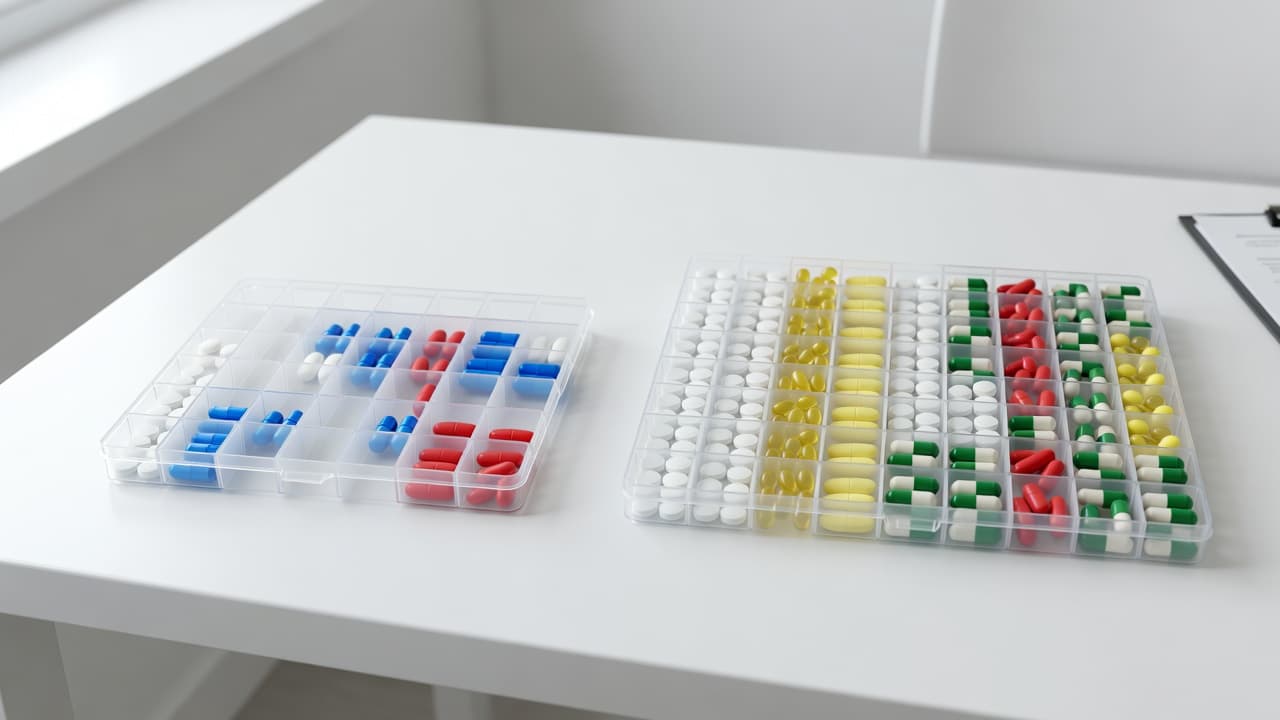
Some medication pages even show how this works in practice. For example, Tilpazan refill options display longer refill intervals for an ongoing cholesterol treatment.
When a 30-day fill is the smarter choice
Longer is not always better. A 30-day fill can save more when your treatment plan is still evolving.
That matters most with a new medication. If your doctor is testing your tolerance, watching for side effects, or planning a dose change, a 90-day fill can leave you with expensive, unused medicine. In that case, the lower monthly total is the safer financial choice because it limits waste.
Insurance rules, state laws, and complex pharmacy regulations often push patients toward shorter fills. For example, quantity limits and prior authorization rules can block a larger supply. Furthermore, strict regulations surrounding controlled substances, especially Schedule II medications, often prohibit a 90-day supply, requiring more frequent pharmacy visits. GoodRx explains many of these quantity limits and refill rules, which vary significantly by your specific plan and drug class. Additionally, if your doctor changes your dosage mid-cycle, you may run into an insurance block that prevents you from getting a refill too soon.
A 30-day supply also makes sense when:
- Your doctor expects to adjust the dose soon.
- The drug is intended for short-term use, such as an antibiotic.
- You are worried about potential side effects or treatment failure.
- Storage is tricky, such as medications requiring refrigeration or other strict handling needs.
A shorter cycle can feel like paying rent every month, while a 90-day supply feels more like paying for a quarter in advance. When your treatment is stable, the 90-day model usually costs less. However, when your plan is still changing, the monthly option protects you from waste and legal hurdles.
How online ordering and delivery affect the real cost
Online pharmacy shoppers often focus on the price per pill first. However, that is only part of the story. The refill cycle also affects shipping frequency, delivery risk, and the total time spent managing your health orders.
With online medicine home delivery, a 90-day refill often means receiving one shipment each quarter instead of one every month. This approach not only lowers total shipping charges and reduces the frequency of missed deliveries, but it also significantly eases the administrative burden for patients and caregivers alike. For those in rural areas, individuals with limited mobility, or caregivers managing multiple regimens, this added convenience is more than just a perk. It is often the deciding factor in staying on schedule rather than falling behind on vital medications.
Still, delivery fees can quickly erase potential savings if you ignore the total cost. If you are using an international online pharmacy or a standard mail order option, compare the medicine price, shipping fee, refill timing, and transit speed side by side. For cross-border orders, the medicine delivery cost to USA may outweigh a smaller unit discount if you require faster shipping or temperature control for your medication.
This is where a careful buyer beats a hurried one. An online pharmacy can be a strong, cost-effective option, but only if it requires a valid prescription, clearly states its sourcing, and provides reliable tracking details. If you plan to order prescription drugs online, always check your refill windows before your bottle runs low.
A side-by-side review can help you make an informed decision. This 90-day versus 30-day refill comparison highlights the common tradeoff between lower annual costs and the risk of waste when treatment plans change.
If you are comparing an international mail order pharmacy or an online pharmacy with global shipping, look past the headline price. A monthly order with repeated freight charges can quietly cost much more than a single 90-day shipment.
Specialty and cancer drugs change the equation
The refill question becomes more complex with high-cost therapies. Cancer drugs, immunotherapy, and other specialty treatments carry such significant monthly costs that a poor choice regarding your prescription duration can lead to unnecessary financial strain.
For people who buy cancer drugs online, seek affordable cancer medications, or compare discounted specialty medications, the safest rule is to avoid committing to a 90-day supply until your treatment plan is fully stable. Oncology doses are subject to change, side effects may force a sudden switch in medication, and insurance prior authorizations can shift unexpectedly. In these instances, a 30-day fill limits the risk of waste and financial loss.
This approach is equally important for those who buy immunotherapy drugs online or order oncology medicines online. A new checkpoint inhibitor, targeted therapy, or oral chemotherapy agent often requires closer medical follow-up during the initial phase. If your care team anticipates adjustments to your protocol, a shorter prescription duration protects both your personal safety and your budget.
For long-term supportive medications, however, the financial benefits often shift back toward 90-day fills. Anti-nausea drugs, blood pressure medicine, diabetes treatments, thyroid tablets, and certain transplant or autoimmune therapies may be better candidates once your regimen is established. Patients who buy immunosuppressant medication online often benefit from 90-day cycles because they reduce the frequency of refill gaps, which is critical since missed doses can carry serious health risks.
Geography also plays a role in these decisions. Many Americans compare the cost of cancer drugs in the USA versus international markets because domestic pricing is frequently high. While the potential for savings is real, so are the risks. When sourcing medication from abroad for a legitimate medical purpose, you must use only licensed pharmacies, verify the exact product and strength, and ensure your prescriber remains involved in the refill decision.
How to choose the safest, lowest-cost option
Start by consulting your doctor or pharmacist to determine the best approach for your health needs. Ask whether the medication is stable enough for a 90-day refill and how it aligns with your annual visits. After that, review your insurance terms, your copay, and any potential shipping fees associated with pharmacy policies.
A simple checklist helps you decide:
- Is the medication new, or has the dosage changed recently?
- Does your insurance plan price a 90-day supply lower than three monthly fills?
- Will you use the full supply before it expires or the prescription renewal date arrives?
- Do delivery fees rise with every monthly shipment?
- Are there legal or plan limits on larger quantities?
This information is for educational purposes only. Always consult a licensed healthcare provider or pharmacist before changing how you manage your prescription medicine.
If the answers align in your favor, a 90-day refill often reduces cost, friction, and the risk of missed doses. If your treatment plan still feels unsettled or subject to frequent changes, a 30-day fill is usually the safer, more flexible bet.
Conclusion
The refill option that saves the most money is the one that best aligns with the duration of your treatment. For stable long-term therapy, 90 day refills usually come out on top because they minimize monthly hassle and often reduce your total annual costs.
Shorter fills still have a clear place in your healthcare strategy. They protect you when a treatment is new, particularly expensive, tightly monitored, or likely to change in the near future.
Before your next renewal, take a moment to compare the full picture, including the drug price, copay, delivery fees, and the risk of medication waste. That is where the real savings live.
FAQ
Are 90-day refills always cheaper than 30-day fills?
No. While 90-day refills are often more cost-effective for stable, non-controlled substances, they are not always the cheaper option. Some insurance plans apply the same copay structure regardless of the supply quantity, and certain medications are subject to specific quantity limits. If your dosage is likely to change in the near future, a 30-day fill can actually save you money by preventing the waste of unused medication.
Who should choose a 30-day refill instead of a 90-day refill?
A 30-day fill is generally better for patients starting new medications, undergoing short-term treatments, or taking controlled substances. It is also the smarter choice for high-cost therapies where your doctor needs to monitor side effects or treatment response closely. If your treatment plan is still being adjusted, you might need pharmacist authorization to sync your supplies or transition to a longer cycle once your regimen is stabilized.
Does an online pharmacy make 90-day refills more affordable?
It often does. An online pharmacy can reduce travel time and offer lower costs for maintenance medications. When evaluating the total cost, be sure to include shipping fees and any delivery charges. Additionally, opting for a 90-day supply through a reputable online provider helps ensure you have a consistent stock on hand, which can help you avoid the stress and expense of needing an emergency prescription refill at the last minute.
Is it safe to order prescription drugs online for a 90-day supply?
It can be very safe, provided the pharmacy adheres to federal regulations and clearly displays a valid DEA registration number. Always ensure the provider requires a valid prescription from your doctor and maintains clear contact information. You should avoid any websites that skip formal prescription checks or advertise prices that seem too good to be true. For high-risk medications, always confirm the source and the refill logistics with your healthcare team before committing to a long-term supply.
How do cancer medications affect the 90-day versus 30-day decision?
Cancer therapy often changes much faster than routine maintenance treatment, so a 30-day fill is frequently preferred to reduce potential waste during the early stages of care. Once the treatment regimen is fully stable, some supportive medications may eventually fit a longer refill cycle. Any decisions regarding oncology medicines should always be made in direct consultation with your prescriber and your dispensing pharmacy to ensure safety and continuity of care.