
Best Foods for Digestion and a Happier Gut

Your gut health keeps score. A few meals lacking sufficient dietary fiber, too little water, or eating too fast can show up as bloating, reflux, constipation, or a stomach that feels heavy for hours. By prioritizing the right foods for digestion, you can help soothe the gastrointestinal tract and keep things moving smoothly.
The good news is that the best options are usually simple, familiar, and easy to find. Oats, yogurt, bananas, kiwifruit, lentils, cooked vegetables, and broth-based meals can help because they add fiber, support the gut microbiome, or go down gently when your stomach feels unsettled.
For most adults, the best foods for digestion are fiber-rich plants, fermented foods, and hydrating, easy-to-digest meals. They help by moving stool along, feeding healthy gut microbes, and calming an irritated stomach.
Key Takeaways
- Most digestion-friendly foods fall into three groups: dietary fiber, fermented options, and gentle, hydrating staples.
- Oats, beans, fruit, leafy greens, yogurt, kefir, bananas, and soups are strong everyday choices.
- More fiber helps, but adding it too fast can worsen gas and bloating.
- Persistent reflux, chronic constipation, unexplained weight loss, or severe pain require medical evaluation, as these symptoms can sometimes be related to irritable bowel syndrome.
- Food supports gut health, but it does not replace professional treatment when an underlying condition is present.
Table of Contents
- How digestion works and why food matters
- Best foods for digestion that work in real life
- Simple eating habits that help your gut
- When food is not enough, and how to get help safely
- Conclusion
- FAQ
How digestion works and why food matters
Digestion starts before food even reaches your stomach. The process begins with chewing, which breaks food into smaller pieces, allowing your digestive system to process nutrients more efficiently. As food travels through the gastrointestinal tract, stomach acid assists with breakdown, and the small intestine absorbs essential nutrients. Finally, the large intestine manages water balance and stool formation.
Food choices shape each step of this process. Dietary fiber, found in oats, beans, apples, and chia, is essential for maintaining regularity. Soluble fiber absorbs water and forms a soft gel, which can help with both constipation and loose stools. Insoluble fiber, found in vegetables, whole grains, and the skins of fruits, adds bulk and helps food move through the gut.
Your gut microbiome plays a vital role in this process as well. These microbes thrive on prebiotics, which are the parts of plant foods that your body cannot fully digest. When your gut bacteria are well fed, they produce compounds that support the gut lining and encourage regular bowel habits. Harvard Health's digestive health overview offers a useful summary of how dietary fiber, prebiotics, and gut bacteria work together.
That is why the best diet for digestion rarely depends on one miracle ingredient. It usually comes down to a steady pattern of fiber, fluids, and meals your body can handle comfortably.
Best foods for digestion that work in real life
Many of the best foods for digestion are low-cost pantry staples, not expensive powders or trendy supplements. That matters because daily habits beat occasional healthy meals every time.
Fiber-rich staples that keep things moving
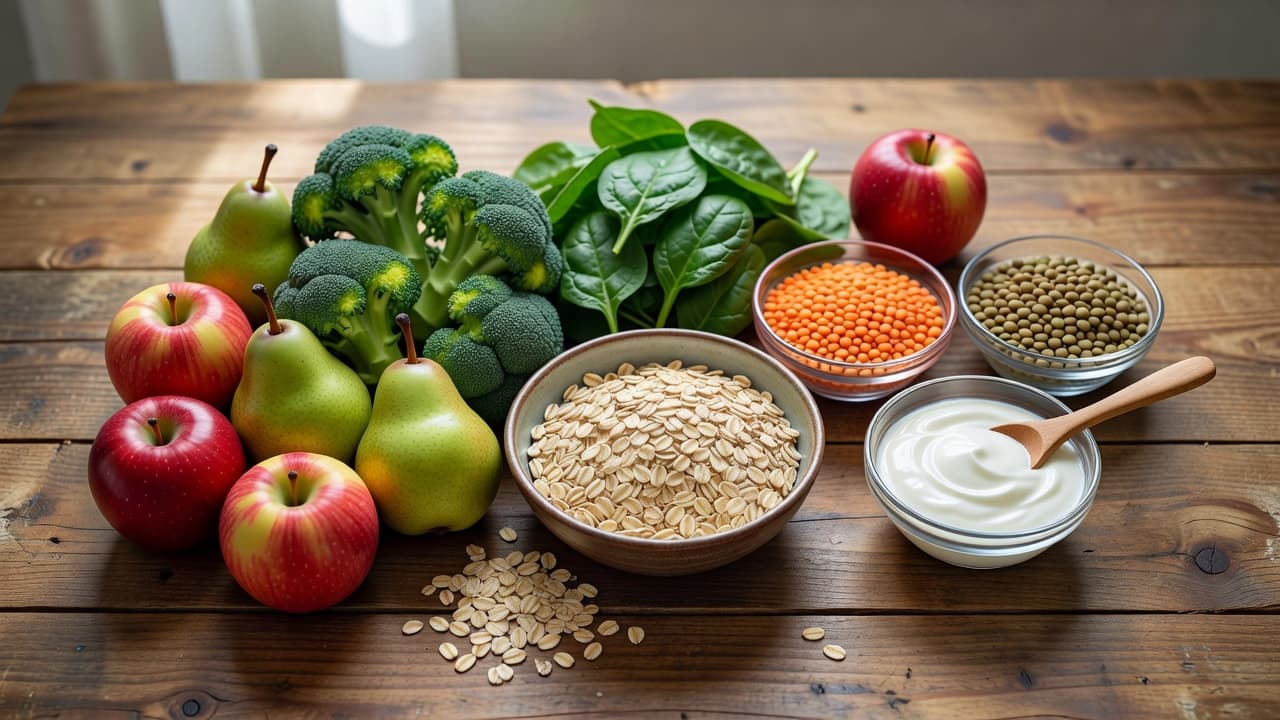
Oats are one of the most reliable foods for digestion. They are gentle, affordable, and rich in dietary fiber. A bowl of oatmeal made from whole grains can help stool stay soft without feeling harsh on the stomach.
Beans and lentils feed the gut well because they offer dietary fiber and prebiotics. If they make you gassy, start small. Half a cup a few times a week is easier to tolerate than a giant bowl after a low-fiber month.
Fruit pulls more weight than people realize. Apples are excellent sources of nutrients, while pears, kiwifruit, berries, and prunes also help in different ways. Kiwifruit has good evidence for constipation support in some adults, while prunes add fiber and sorbitol, which can help the bowels move.
Leafy greens, carrots, zucchini, and sweet potatoes also belong here. Cooked vegetables are often easier to tolerate than raw salads when your gut feels sensitive.
Fermented foods that support gut bacteria
Yogurt and kefir can help because they contain probiotics, which are the live cultures that support a balanced microbiome. They also provide protein and calcium. They are not magic, and not every product has the same strains, but they fit well into a gut-friendly diet. If dairy bothers you, try lactose-free versions or smaller servings.
Fermented foods such as sauerkraut, kimchi, and miso provide probiotics that may support the gut and help reduce inflammation, although spicy or very salty versions can irritate some people. That is why portion size matters.
The NHS guide to foods that help digestion also stresses a basic point people often overlook: fiber works better when you focus on proper hydration.
Gentle foods for unsettled days
When your stomach feels off, bland does not mean useless. Staples like bananas, rice, toast, oatmeal, plain potatoes, applesauce, broth, and ginger tea can be easier to handle than fried, creamy, or heavily spiced food.
Soup is especially helpful because it provides hydration, warmth, and softness in one bowl. Meanwhile, bananas offer potassium and easy-to-digest carbohydrates, while ginger is a classic remedy for soothing nausea. Hartford HealthCare's gut-friendly food advice also points to whole grains as a practical way to help the gut move. Above all, avoiding processed foods during these times helps your body recover much faster.
Simple eating habits that help your gut
Food choice matters, but your eating style plays an equally vital role in supporting your digestive system. A healthy meal swallowed in five minutes can still leave you feeling bloated or uncomfortable.
This quick guide helps match the meal to the symptom:
| Symptom | Foods that often help | Habits that make it worse |
|---|---|---|
| Constipation | Oats, kiwi, beans, pears, prunes | Low water intake, processed foods |
| Heartburn | Oatmeal, bananas, cooked greens | Large late meals, alcohol, high-fat foods |
| Bloating | Yogurt, rice, cooked vegetables | Too much fiber too fast, processed foods |
| Diarrhea | Bananas, rice, toast, broth | Greasy meals, excess sugar alcohols |
Chew your food well, eat at a calmer pace, and add dietary fiber gradually. If you jump from 10 grams of fiber a day to 30 overnight, your gut may protest.
Meal timing helps too. Smaller meals often sit better than heavy ones, especially if heartburn is part of the problem. A short walk after eating can also help some people feel less sluggish.
When food is not enough, and how to get help safely
While dietary choices play a major role in your gut health, food cannot resolve every issue. If you experience persistent heartburn, vomiting, blood in the stool, trouble swallowing, unexplained weight loss, or severe new pain, these symptoms deserve professional medical attention. Conditions such as irritable bowel syndrome also require a formal diagnosis before starting any specific treatment plan.
Some conditions require intervention beyond diet to support your digestive system. A clinician may recommend rabeprazole, a proton pump inhibitor used for acid-related issues like GERD or ulcers. Chronic constipation might require options like order Lubowel for constipation relief. For short-term diarrhea and gas, you may look for GastroStop Plus for diarrhea and bloating, while those with pancreatic enzyme insufficiency may need to order CREON for digestive enzyme support.
If you rely on an online pharmacy, safety rules are paramount. A legitimate service must require a valid prescription medicine order when necessary, offer pharmacist review, and explain shipping clearly. These standards are essential for routine refills, online medicine home delivery, and when evaluating the medicine delivery cost to USA addresses.
Waldrugmart's Online Pharmacy is an example of a site designed for prescription uploads, refill support, and worldwide delivery. Some shoppers utilize an international online pharmacy for digestive treatments, while others compare prices for long-term therapies, including affordable cancer medications. Regardless of the path you choose, always start with an accurate diagnosis rather than a guess.
This information is for educational purposes only. Consult a licensed healthcare provider if symptoms keep returning.
Conclusion
A calmer gut usually comes from steady habits, not extreme rules. By incorporating fiber-rich plants, fermented foods, and whole grains into your daily meals, you provide the support necessary for optimal gut health. These simple, hydrating choices are some of the most effective foods for digestion when practiced over time.
Start with one change you can repeat, such as a bowl of oatmeal at breakfast, an extra serving of cooked vegetables, or more water with meals. Consistency helps your digestive system far more than a short burst of perfect eating.
FAQ
What foods help digestion the fastest?
When your stomach feels unsettled, simple foods usually work fastest. Bananas, oatmeal, rice, toast, applesauce, yogurt, and broth-based soups are among the most effective foods for digestion. These options are easy for your body to tolerate and are far less likely to irritate the gut than greasy or spicy meals.
Are bananas good for digestion?
Yes, bananas are often helpful. They are soft, easy to digest, and provide carbohydrates without much irritation. Ripe bananas are especially useful during bouts of diarrhea or after a stomach bug. Furthermore, the dietary fiber found in bananas helps regulate bowel movements, making them a staple in a gentler diet for those experiencing reflux or nausea.
Is yogurt always good for gut health?
Not always. Yogurt containing live probiotics can support digestive health, but some people react poorly to dairy, added sugar, or certain flavorings. Plain yogurt usually works better than dessert-style cups. If dairy bothers you, try lactose-free yogurt or kefir in small amounts to see if those options are easier on your system.
When should I use medicine instead of food changes?
Use medical care when symptoms are frequent, severe, or accompanied by red flags such as bleeding, vomiting, weight loss, trouble swallowing, or ongoing pain. While food can support relief for minor issues, chronic conditions affecting the digestive system, such as GERD, persistent constipation, ulcers, or enzyme deficiencies, often require a targeted prescription medicine plan from a doctor.
Is it safe to order prescription drugs online for digestive problems?
It can be safe if the pharmacy is legitimate. Choose a service that requires valid prescriptions, provides clear contact details, and explains how pharmacist review works. The same rigorous safety checks apply whether you use a local site, a mail order pharmacy international service, or an online pharmacy with global shipping.