
Bloating Causes: What Triggers It and How to Feel Better

Understanding common bloating causes is the first step toward finding relief when your belly feels tight or swollen. These sensations often stem from swallowed air, constipation, specific food intolerances, or even normal hormonal changes during the menstrual cycle. While digestive discomfort is common, chronic issues or certain underlying conditions may require professional medical attention.
Quick answer: Bloating usually happens when gas, stool, or fluid builds up in the digestive tract. Eating more slowly, identifying trigger foods, treating constipation, and seeking care for persistent or severe symptoms can often help.
The specific pattern of your symptoms matters significantly. Occasional abdominal distension after a large meal calls for a different response than bloating that appears daily, wakes you at night, or comes with unexplained weight loss. Identifying these subtle differences is key to determining when to manage symptoms at home and when to consult a healthcare provider.
Key Takeaways
- Common triggers for gas, constipation, abdominal distension, and irritable bowel syndrome include food sensitivities and digestive health issues.
- Carbonated drinks, eating too quickly, chewing gum, and certain high-fiber foods can increase trapped gas.
- Keeping a food and symptom diary can help reveal patterns without the need for unnecessary dietary restrictions.
- You should seek prompt medical evaluation for persistent bloating, severe pain, vomiting, blood in the stool, or unexplained weight loss.
- Since prescription medicines can contribute to constipation or other abdominal symptoms, always discuss potential changes with your pharmacist or healthcare provider.
Table of Contents
- Common bloating causes and their clues
- How to stop bloating without making things worse
- Food patterns that can increase gas and pressure
- Prescription medicine, constipation, and safe access
- When bloating needs medical care
- Frequently asked questions
Common Bloating Causes and Their Clues
Bloating is the feeling of pressure, fullness, or swelling in the abdomen. Your stomach may look more rounded, a phenomenon known as abdominal distension, though discomfort can also occur without visible changes. Excess gas produced during digestion is often part of the picture, especially after meals rich in certain carbohydrates.
The gastrointestinal tract breaks down food with help from enzymes and gut bacteria. When some carbohydrates reach the large intestine undigested, fermentation occurs, and bacteria release gas. That process is normal, but trouble starts when excess gas builds faster than your body can move it out. In some cases, small intestinal bacterial overgrowth (SIBO) can occur when bacteria migrate into the small intestine, leading to increased pressure and discomfort.
This quick comparison can help you spot common patterns.
| Possible cause | Common clues | Helpful first step |
|---|---|---|
| Swallowed air | Burping, symptoms after fast eating or gum | Slow meals and skip fizzy drinks |
| Constipation | Hard stools, fewer bowel movements, pressure | Increase fluids and discuss treatment options |
| Lactose intolerance | Gas or diarrhea after milk products | Try lactose-free choices briefly |
| Irritable bowel syndrome | Recurrent pain with bowel habit changes | Keep a symptom diary and seek medical guidance |
| High-FODMAP foods | Symptoms after onions, beans, wheat, or some fruits | Identify triggers with a low FODMAP diet |
Swallowed air is an overlooked trigger. Eating quickly, drinking through straws, smoking, chewing gum, and talking while chewing can all move extra air into the stomach. Carbonated beverages add more gas, which may lead to belching and pressure soon after drinking.
Constipation is another frequent cause. Stool that lingers in the colon can slow gas movement and leave the abdomen feeling heavy or stretched. Opioid pain medicines, low fluid intake, limited movement, and abrupt diet changes can make constipation worse.
Food intolerance can produce bloating, cramps, loose stools, or urgent bathroom trips. Lactose intolerance happens when the small intestine makes too little lactase, the enzyme needed to digest lactose. Fructose malabsorption may cause similar symptoms after certain fruits, juices, sweeteners, or processed foods.
Some people have bloating with irritable bowel syndrome. The gut can become more sensitive to normal stretching and gas. The National Institute of Diabetes and Digestive and Kidney Diseases explains IBS symptoms and diagnosis in more detail.
How to Stop Bloating Without Making Things Worse
Short-term relief often begins with simple changes. A gentle walk after eating can help move excess gas through the digestive tract. Lying down immediately after a meal may worsen pressure for some people, especially if reflux is also present. Because of the gut-brain connection, staying relaxed and mobile can often help settle your system more effectively than rushing to find a quick fix.
Try these practical adjustments for several days:
- Eat smaller meals and chew thoroughly, especially when symptoms follow large portions.
- Replace sparkling water, soda, and beer with still water for a week.
- Increase your fiber intake gradually rather than suddenly adding large amounts of bran, beans, or raw vegetables to your diet.
- Drink enough fluids, particularly if constipation is part of the problem.
- Use light activity, such as walking, to support regular bowel movement.
Heat may also ease cramping and abdominal pain. A warm pack placed over the abdomen can relax tense muscles and bring temporary comfort. Some people use simethicone for gas, although results vary. Ask a pharmacist if it is appropriate for you, particularly if you take other medicines or have ongoing symptoms.
Peppermint oil may help some people with IBS-related discomfort, but it can aggravate heartburn. Probiotics are not a universal answer either. Different strains act differently, and some products initially increase gas. A clinician or registered dietitian can help you choose a more targeted option.
Avoid extreme elimination diets based on one uncomfortable evening. Cutting out broad food groups without a clear reason can lead to poor nutrition and make it harder to identify the real trigger.
Food Patterns That Can Increase Gas and Pressure
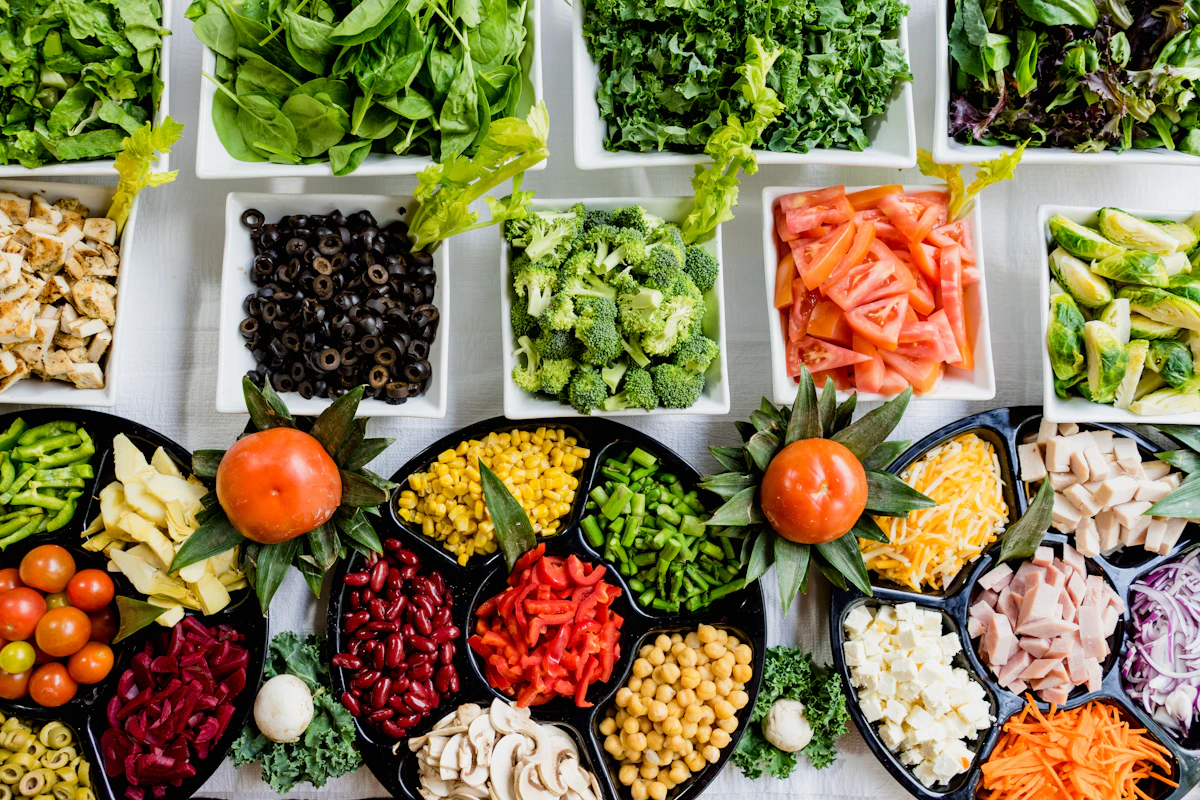
Several nutritious foods cause more gas because they contain fermentable carbohydrates. Beans, lentils, onions, garlic, broccoli, cauliflower, wheat, apples, and some dairy products are common examples. That does not mean they are unhealthy or permanently off-limits.
Portion size often changes the outcome. A small serving of lentils may feel fine, while a large bowl produces discomfort. Canned beans rinsed well before cooking may be easier to tolerate. Soaking dried beans and changing the soaking water can also reduce some of the compounds prone to fermentation in the digestive tract.
A short food diary is more useful than guessing. Record what you ate, when symptoms began, your stress level, bowel movements, and any medicines or supplements taken that day. Look for repeated patterns over two to three weeks.
For people with IBS, a temporary low FODMAP diet may reduce symptoms. However, this approach includes an elimination and reintroduction phase. It works best with a registered dietitian, because long-term restriction can reduce food variety and negatively affect the gut bacteria in your microbiome. If your symptoms are severe or persistent, it is also important to discuss the possibility of small intestinal bacterial overgrowth with a healthcare provider, as this condition may require specific clinical testing rather than simple dietary adjustments.
Prescription Medicine, Constipation, and Safe Access
Some medicines affect digestion. Opioid pain relievers often cause constipation. Iron supplements can also slow bowel movements, while metformin may cause gas or diarrhea. Calcium channel blockers, including amlodipine, may contribute to constipation in some people.
Do not stop a prescription medicine because of bloating without speaking to the prescriber. For example, blood pressure treatments that combine perindopril and amlodipine need individualized review. Rarely, ACE inhibitors such as perindopril can cause intestinal angioedema, which may involve severe abdominal pain, nausea, vomiting, or diarrhea and needs urgent assessment.
A licensed pharmacist can review interactions, side effects, and safe options for digestive issues. People who use Online Pharmacy services for refills should still provide a valid prescription and report new digestive symptoms before ordering.
Online medicine home delivery can improve access for people in rural areas, travelers, and those managing long-term conditions. However, medicine delivery cost to USA addresses, Australia, or the UK should never outweigh safety. Use a pharmacy that verifies prescriptions, protects personal information, provides pharmacist oversight, and follows the rules that apply where you live.
This information is for educational purposes only and does not replace medical advice. Consult a licensed healthcare provider before changing medicines, supplements, or your diet.
When Bloating Needs Medical Care
Most bloating is uncomfortable rather than dangerous. Still, a new pattern that persists for several weeks deserves a medical review, especially after age 50 or when symptoms disrupt your eating and daily life.
Seek urgent care for severe or worsening abdominal pain, repeated vomiting, a hard swollen abdomen, fever, fainting, black stools, or blood in your stool. These symptoms can point to a bowel obstruction, bleeding, infection, or other conditions such as inflammatory bowel disease that require fast treatment.
Arrange a prompt appointment if your bloating is accompanied by unintentional weight loss, trouble swallowing, anemia, persistent diarrhea, or a new change in your bowel habits. People with ovaries should also discuss frequent, persistent bloating or early fullness with a clinician, particularly when pelvic pain or urinary urgency occurs.
Final Thoughts on Managing Bloating
Most bloating improves when you identify the pattern behind it rather than trying every remedy at once. Slow your meals, address constipation, and test likely food triggers carefully.
If you continue to experience discomfort despite making consistent dietary and lifestyle changes, it is important to speak with a professional. Your doctor may investigate whether underlying issues, such as functional dyspepsia or visceral hypersensitivity, are contributing to your symptoms. Persistent pain or pressure deserves more than guesswork. Keeping a clear record of your symptoms, medicines, and meals gives your healthcare provider a stronger starting point and helps protect your digestive health.
Frequently Asked Questions
What causes bloating after eating?
Bloating after meals often comes from swallowed air, carbonated drinks, large portions, or foods that ferment in the colon. These factors often lead to the buildup of excess gas, which contributes to the uncomfortable feeling of pressure. Beans, onions, dairy, wheat, and some fruits can trigger symptoms in sensitive people. If pain, vomiting, or repeated symptoms occur, discuss the pattern with a healthcare professional.
Can constipation cause a bloated stomach?
Yes. When stool moves slowly through the colon, gas can become trapped behind it and increase abdominal pressure. Chronic constipation may also lead to visible abdominal distension, along with hard stools, straining, and a feeling of incomplete emptying. Increasing fluids, making gradual fiber changes, staying active, and using clinician-approved treatment can help.
How long should bloating last?
Mild bloating after a large meal or fizzy drink may improve within several hours. Symptoms that occur most days, last for weeks, or steadily worsen need medical review. Seek urgent care sooner if bloating comes with severe pain, vomiting, fever, blood in stool, or abdominal swelling.
Can blood pressure medicine cause bloating?
Some blood pressure medicines may contribute indirectly by causing constipation. Calcium channel blockers, including amlodipine, can slow bowel activity in some people. Do not stop treatment on your own. A prescriber or pharmacist can assess whether the medicine, dose, or another issue is causing symptoms.
Is it safe to buy digestive medicines online?
It can be safe when you use a licensed pharmacy that provides clear product information, secure payment, prescription checks when required, and access to pharmacist support. Avoid websites that sell prescription-only products without a valid prescription or make claims that sound too good to be true.