
Cholesterol Medicines Explained: Statins, Ezetimibe, and PCSK9s

High LDL cholesterol often stays quiet for years, then shows up as a heart attack, stroke, or blocked artery. When your clinician mentions statins, ezetimibe, or PCSK9 drugs, the names can blur together fast.
Short answer: Most people who need LDL lowering start with a statin. If LDL stays above goal, ezetimibe usually comes next. If risk is very high, or cholesterol remains far above target, PCSK9-targeted treatment may be added.
These cholesterol medicines don't do the same job in the same place. Once you know how each one works, the choices become much easier to sort out.
Table of Contents
- Key Takeaways
- How cholesterol medicines lower heart risk
- Why statins are usually first
- Where ezetimibe fits
- When PCSK9 options make sense
- A side-by-side comparison
- Safety, side effects, and follow-up
- How to access treatment safely and affordably
- Conclusion
- FAQ
Key Takeaways
- Statins are the first choice for most people who need LDL reduction.
- Ezetimibe is the usual next step when a statin alone doesn't get LDL to goal.
- PCSK9-targeted therapies help people at very high risk or with stubbornly high LDL.
- Lowering LDL lowers cardiovascular risk, especially in people with prior heart disease, diabetes, or inherited high cholesterol.
- Cost and access matter, because cholesterol treatment often lasts for years, sometimes for life.
This information is for educational purposes only. Cholesterol treatment should be chosen with a licensed healthcare provider who knows your health history and other medicines.
How cholesterol medicines lower heart risk
LDL cholesterol is the type most likely to build plaque inside artery walls. Over time, that plaque hardens, narrows blood flow, and raises the chance of heart attack and stroke. Cholesterol medicines work by lowering LDL, and that change matters far more than a single lab number on a page.
Current 2026 guidance still follows a step-up plan. For most people, treatment starts with a statin. If LDL remains above target, ezetimibe is usually added. If the number still stays too high, PCSK9-directed treatment comes into view, mainly for people with very high cardiovascular risk.
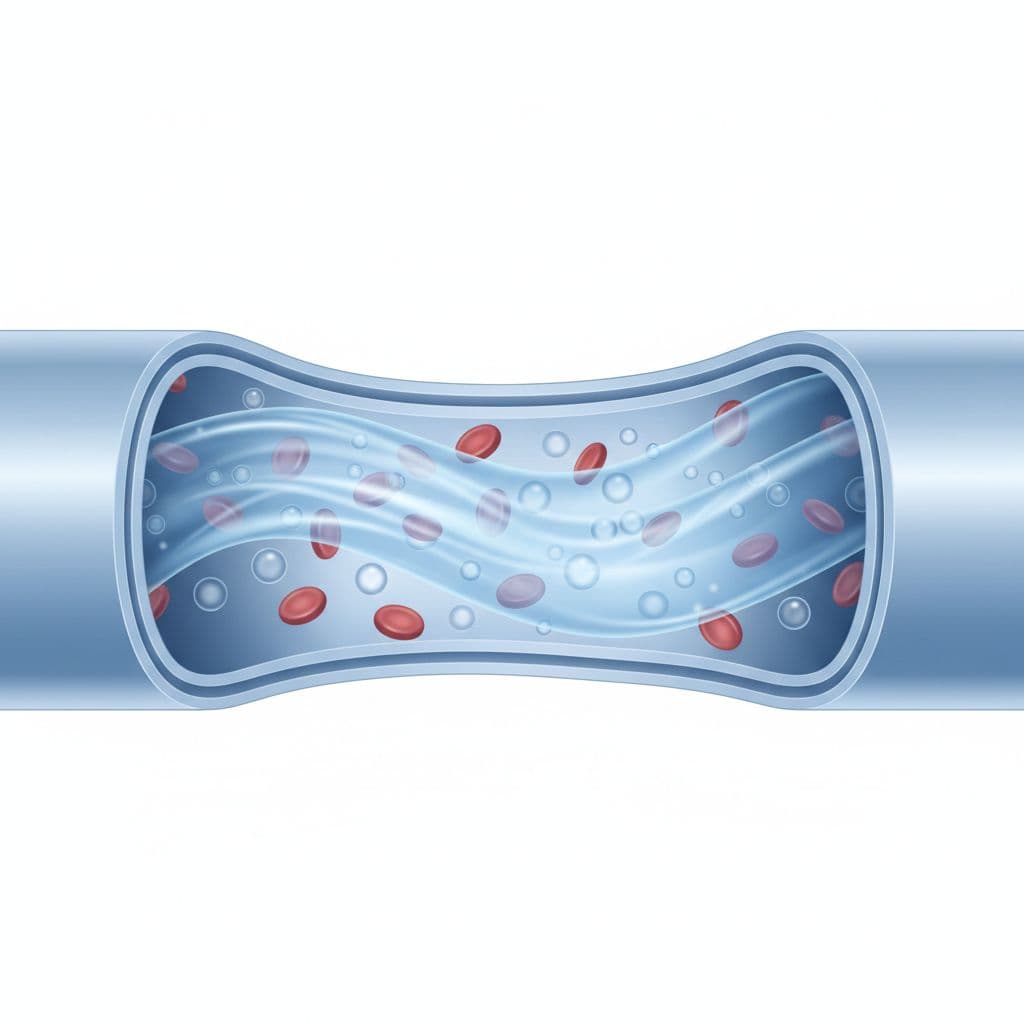
The LDL goals depend on risk. People with very high-risk atherosclerotic cardiovascular disease often need LDL below 55 mg/dL. Many others with established heart disease, or high-risk prevention needs, aim for below 70 mg/dL. Lower-risk primary prevention often uses a target below 100 mg/dL.
That sounds technical, but the logic is plain. The higher your risk, the lower your LDL should be.
People most likely to hear about these drugs include those with prior heart attack, stroke, diabetes, LDL of 190 mg/dL or higher, or familial hypercholesterolemia. In each of these groups, cholesterol treatment is usually a prescription medicine, not a supplement decision made in the vitamin aisle.
Why statins are usually first
Statins work in the liver. They block an enzyme called HMG-CoA reductase, which the body uses to make cholesterol. When the liver makes less cholesterol, it pulls more LDL out of the blood. That double effect is why statins remain the backbone of treatment.
Common statins include atorvastatin and rosuvastatin. Higher-intensity doses can lower LDL by 50% or more, while moderate-intensity statins usually bring a smaller but still meaningful drop. Clinical studies suggest statins reduce heart attack, stroke, and cardiovascular death in the right patients, which is why guidelines keep them in the first seat.
Atorvastatin is one of the most common starting options. If you want product-specific details, this guide on how Lipitor lowers cholesterol lays out the usual uses, dosing, and safety points people compare before refills.
Statins also tend to be the most affordable class, especially as generics. That matters because cholesterol control often becomes a long-term habit, much like brushing your teeth, only with bigger stakes.
Still, statins aren't perfect. Some people notice muscle aches, a rise in liver enzymes, or mild digestive upset. A small increase in blood sugar can also happen in some patients. Rarely, severe muscle injury occurs. Most side effects are manageable, and many people who think they "can't take statins" can often tolerate a different statin, a lower dose, or a changed schedule.
Because of that, stopping a statin too quickly can cost you a lot of protection.
Where ezetimibe fits
Ezetimibe works in a different place. Instead of lowering cholesterol production in the liver, it blocks cholesterol absorption in the small intestine. Less cholesterol gets absorbed, so less reaches the bloodstream.
That makes ezetimibe a smart partner for statins. If a statin gets you part of the way to goal but not all the way, ezetimibe can add another push without adding much burden. It can also help people who can't tolerate a strong statin dose.
The British Heart Foundation's review of statin alternatives notes that ezetimibe can lower LDL by about 15% to 22% on its own, and more when paired with a statin. That's why it often becomes the first add-on, not the last resort.
Ezetimibe is an oral pill, usually taken once daily. It tends to be well tolerated, and it is often lower in cost than injectable options. For many patients, that balance of extra LDL lowering, low hassle, and good tolerability makes it the quiet workhorse of combination therapy.
If you're comparing the drug more closely, this page on how Ezetimibe lowers cholesterol absorption covers the common product details many patients review before ordering.
Ezetimibe alone won't replace the power of a strong statin in most high-risk patients. Still, it fills an important gap between basic treatment and the much costlier injectable classes.
When PCSK9 options make sense
PCSK9 is a protein that affects LDL receptors in the liver. Those receptors act like tiny catchers that pull LDL out of the blood. When PCSK9 breaks them down, fewer receptors remain. LDL rises. PCSK9-targeted drugs interrupt that process, so the liver keeps more receptors and clears more LDL.
This class includes injectable monoclonal antibodies such as alirocumab and evolocumab. These are true PCSK9 inhibitors. Another option, inclisiran, lowers PCSK9 production with small interfering RNA, which places it in the same treatment lane even though it works a bit differently.
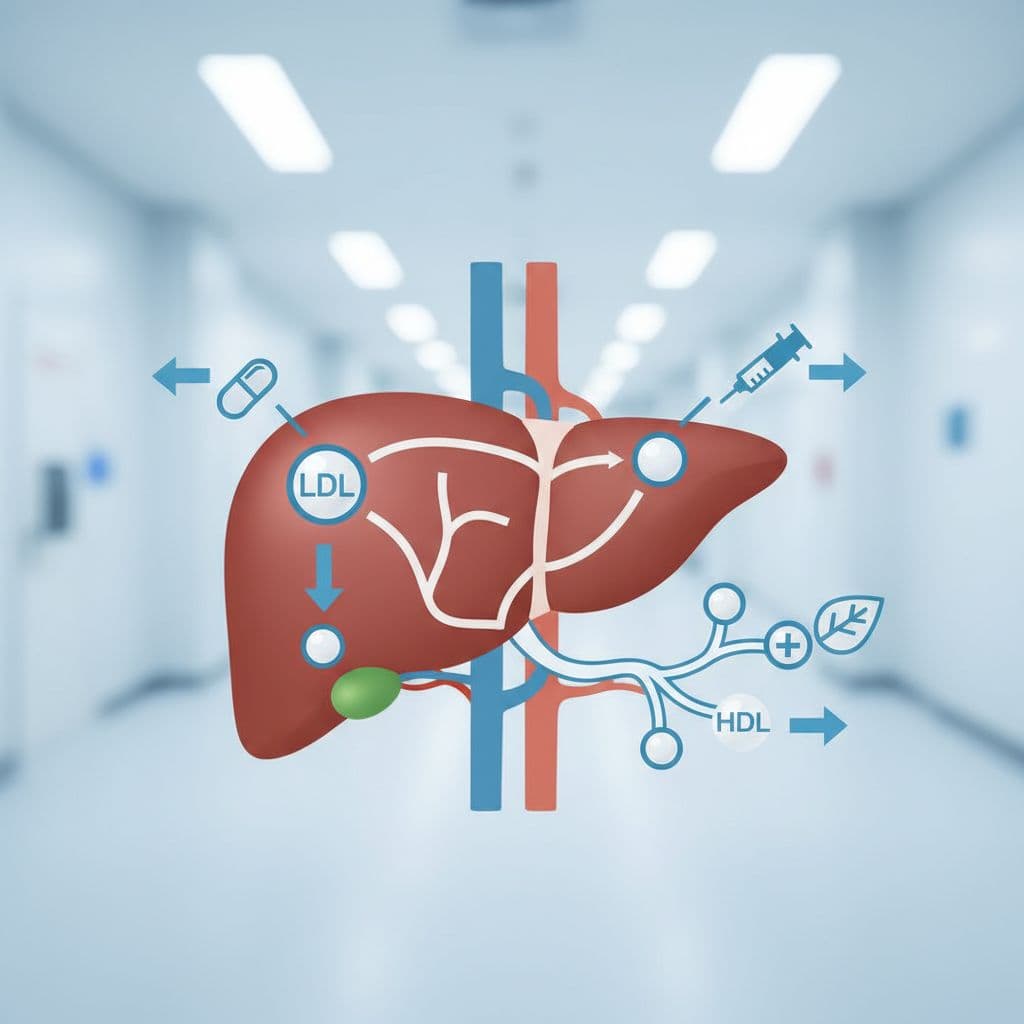
These medicines are usually reserved for people with very high-risk heart disease, familial hypercholesterolemia, or LDL that remains above goal even after statin plus ezetimibe. The Mayo Clinic's overview of cholesterol medication options explains why this class often enters the picture after oral treatment falls short.
PCSK9 antibodies are often given every 2 to 4 weeks. Inclisiran follows a different pattern, with an initial dose, a second dose at 3 months, then dosing every 6 months. That long interval can be appealing for people who struggle with daily pills.
If you're reviewing this newer option, details on managing LDL cholesterol with Inclisiran can help you compare dosing schedules and safety information.
The catch is cost. These drugs often work well, but they are usually far more expensive than generic statins or ezetimibe.
A side-by-side comparison
A quick comparison helps the classes fall into place.
| Medicine class | Main action | Typical LDL effect | Usual form | Common place in therapy |
|---|---|---|---|---|
| Statins | Reduce cholesterol production in the liver | Moderate to large reduction | Daily pill | First choice |
| Ezetimibe | Reduces cholesterol absorption in the intestine | Modest reduction, more with statin | Daily pill | First add-on |
| PCSK9 antibodies | Protect LDL receptors from breakdown | Large reduction | Injection every 2 to 4 weeks | High-risk add-on |
| Inclisiran | Lowers liver production of PCSK9 | Large reduction | Injection every 6 months after loading doses | High-risk add-on |
Research indicates that adding ezetimibe to statin therapy gives extra LDL lowering when one medicine alone isn't enough.
Here's how that plays out in real life. A 52-year-old with LDL of 195 mg/dL often starts with a strong statin right away. A 67-year-old who already had a heart attack and still has LDL of 88 mg/dL on atorvastatin may add ezetimibe next. A patient with inherited high cholesterol and LDL still far above goal after both pills may be a candidate for a PCSK9-targeted drug.
The pattern stays simple even when the names do not. Start with the strongest proven oral option, add the next step if needed, then move to injectables when risk or LDL level demands more.
Safety, side effects, and follow-up
Every class has trade-offs. Statins can cause muscle aches, mild liver test changes, and, in rare cases, severe muscle injury. Ezetimibe can cause diarrhea, stomach upset, or mild fatigue. PCSK9 injectables and inclisiran are usually well tolerated, but injection-site reactions can happen.
Don't stop a cholesterol drug after one uncomfortable week without checking the cause. The medicine, the dose, another drug, or even an unrelated muscle strain may be part of the story.
Follow-up matters because the goal isn't simply to start treatment. The goal is to reach a safer LDL level. Many clinicians recheck a lipid panel about 4 to 12 weeks after starting or changing therapy, then repeat testing at intervals after that.
Drug interactions also matter. Some statins interact with certain antibiotics, antifungals, and grapefruit. People with active liver disease, heavy alcohol use, pregnancy, or breastfeeding need a careful discussion before treatment changes. If you develop dark urine, yellowing skin, marked weakness, swelling of the face, or severe muscle pain, contact a clinician promptly.
The best plan is rarely the most dramatic plan. It's the one you can tolerate, afford, refill on time, and stay on.
How to access treatment safely and affordably
Long-term treatment can strain any budget. Generic statins are usually the least expensive option. Ezetimibe often stays within reach too. PCSK9-targeted drugs cost much more, which is why access often depends on insurance approval, prior authorization, or patient assistance programs.
Out-of-pocket spending is often highest in the USA. Patients in the UK and Australia may face lower direct costs through different health systems, while self-pay patients in the United States often compare drug prices in USA vs international pharmacies before deciding how to refill.
A licensed online pharmacy can help with convenience, especially for chronic therapy. Many patients now order prescription drugs online because repeat refills fit better around work, caregiving, or distance from a local store. For stable treatment, online medicine home delivery can make adherence easier than another missed trip across town.
Safety still comes first. A trustworthy pharmacy should require a valid prescription medicine order, show the active ingredient and strength clearly, explain shipping times, and offer pharmacist support. If you're considering an international online pharmacy or an online pharmacy with global shipping, check licensing, storage standards, refill rules, and local import limits.
People looking for cheaper prescription drugs from overseas should pay extra attention to formulation, cold-chain needs for injectables, and tracking. The medicine delivery cost to USA addresses can vary by shipping speed, order size, and whether the medicine needs temperature control.
If local prices are forcing you to stretch doses or skip refills, explore affordable options through licensed providers and verified pharmacies only. Saving money helps only when the medicine that arrives is the right one, in the right dose, with the right safeguards.
Conclusion
The names may sound technical, but the treatment path is usually clear. Statins come first, ezetimibe often follows, and PCSK9-targeted drugs step in when risk stays high or LDL won't come down enough.
The best cholesterol plan is one you can take consistently, monitor safely, and afford over time. If cost or access is the obstacle, ask your clinician which option fits your risk, then check availability through a licensed pharmacy that verifies every prescription.
FAQ
What are cholesterol medicines?
Cholesterol medicines are drugs that lower harmful blood fats, mainly LDL cholesterol. They help reduce plaque buildup in arteries and lower the risk of heart attack and stroke. The main groups are statins, ezetimibe, and PCSK9-targeted treatments, each working in a different way.
How do statins work?
Statins lower cholesterol production in the liver by blocking an enzyme involved in making cholesterol. As a result, the liver pulls more LDL out of the blood. That's why statins are usually the first treatment for people who need a meaningful drop in LDL.
Is ezetimibe better than a statin?
Ezetimibe is usually not stronger than a statin by itself. It works best as an add-on when a statin alone doesn't lower LDL enough, or when a person can't tolerate a higher statin dose. In many cases, the two medicines work well together.
When are PCSK9 options used?
PCSK9 options are usually used for people at very high cardiovascular risk, people with familial hypercholesterolemia, or people whose LDL stays above goal despite statin and ezetimibe treatment. They can lower LDL substantially, but they are usually more expensive and often require injections.
Is it safe to buy medicine online?
It can be safe to buy medicine online if the pharmacy is licensed, requires a valid prescription, provides clear drug details, and offers pharmacist contact. Avoid sites that sell prescription-only drugs without verification. Knowing how to verify online pharmacy legitimacy is as important as comparing price.
Do online pharmacies require prescriptions?
A legitimate online pharmacy should require a prescription for statins, ezetimibe, and PCSK9 drugs. These are not casual over-the-counter purchases. If a site offers them without a prescription review, that's a warning sign, especially for long-term heart medicines.
Can I order prescription drugs internationally?
In some cases, patients can order prescription drugs internationally for personal use, but the rules depend on local law, the drug itself, and import limits. An international pharmacy for US patients still needs proper prescription checks, safe packaging, and clear shipping terms before anything is dispensed.