
How to Read Drug Facts Labels and Avoid Double Dosing

Two bottles of over-the-counter drug products can look harmless sitting on the counter, yet they may still lead to a serious dosing mistake. Most mix-ups occur when people chase the same symptom with a second product while failing to notice that both medicines contain the same drug. Prioritizing consumer safety requires careful attention to detail whenever you are managing multiple medications at home.
Reading drug facts labels is the fastest way to catch that problem before it starts. If you compare the active ingredient, strength, dosage form, and directions before every dose, you can spot most potential overlaps in seconds.
To avoid double dosing, compare the active ingredient and strength on every label before taking a second medicine. If two products contain the same drug, or one is extended-release, stop and ask a pharmacist before mixing them.
Table of Contents
- Reading Drug Facts labels starts with the active ingredient
- Where double dosing usually happens
- A 4-step label check before you mix medicines
- Prescription medicine, online pharmacy orders, and delivery safety
- Conclusion
- FAQ
Key Takeaways
- Different brand names can often hide the same active ingredient.
- Prioritize label readability to clearly understand how strength, timing, and release type impact your dosage.
- Cold, flu, pain, allergy, and sleep products are common culprits for accidental drug overlaps.
- Every new refill or package deserves a fresh label check to ensure you are taking the correct amount.
- While price and convenience are important, your safety always begins with reading the label currently in your hand.
Reading Drug Facts Labels Starts With the Active Ingredient
The Drug Facts section is a safety map, not just a collection of confusing label headings. It tells you what the medicine is, what it does, how much to take, when to stop, and who should avoid it. The FDA's overview of the OTC Drug Facts label is grounded in strict FDA regulation and recommends reading it every time, even if you have used the product before.
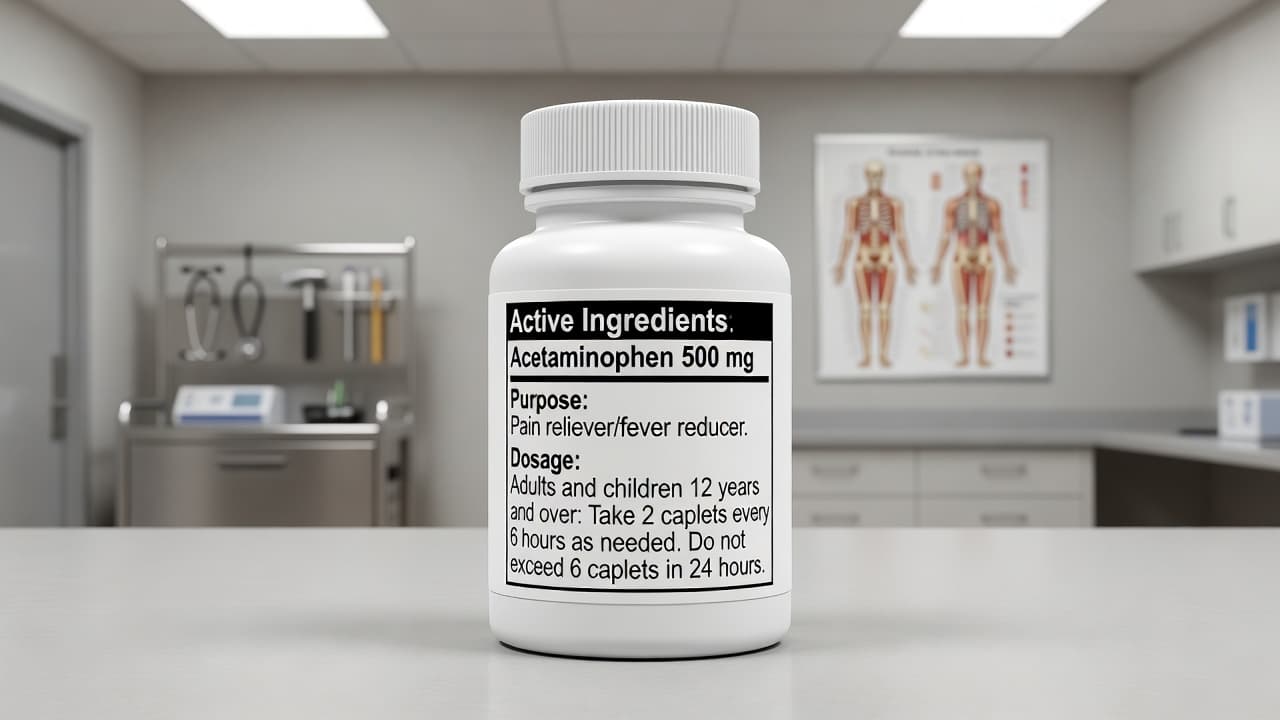
Start with the line that says active ingredient. That is the drug that creates the effect. Acetaminophen lowers pain and fever. Ibuprofen is a nonsteroidal anti-inflammatory drug. Diphenhydramine is an antihistamine that can also cause sleepiness. Once you know that line, the rest of the label makes more sense.
A good guide to the Drug Facts section also points out the other sections that matter: purpose, uses, warnings, directions for use, and inactive ingredients. Those sections work together. A label may say the product treats cough, congestion, and fever, but the active ingredient line tells you whether it overlaps with something else in your cabinet.
This quick table shows where double dosing usually reveals itself:
| Check this line | Why it matters | Common red flag |
|---|---|---|
| Active ingredient | Shows whether two products share the same drug | Both contain acetaminophen |
| Strength | Tells you dose per pill or teaspoon | One is 500 mg, one is 650 mg |
| Directions for use | Sets timing and daily maximum | Every 6 hours plus do not exceed 4 doses |
| Warnings | Flags liver risk, sleepiness, ulcers, age limits | Avoid with alcohol or other sedating drugs |
Brand names can distract you. The active ingredient usually tells the truth faster.
Where Double Dosing Usually Happens
Double dosing often hides in plain sight. A daytime cold product among your nonprescription medicines may already contain acetaminophen, so adding separate nonprescription analgesics can stack the dose and lead to harmful drug interactions. A nighttime cold product may also contain diphenhydramine, which means an extra sleep aid can pile on more sedation.
The same risk shows up with allergy tablets, cough syrups, and PM pain relievers. One symptom leads to one bottle, then another symptom leads to a second bottle. Soon the medicine cabinet starts acting like a crowded freeway, and two products merge into the same lane.
Prescription labels can add confusion too. A patient may read twice daily and take doses too close together, or use an old bottle along with a new refill. Research on prescription label understanding found that dosing instructions can still trip people up when wording is vague or easy to misread.
Brand and generic changes raise the risk again. A refill may arrive with a different name, shape, or color, even though the drug is the same. If that happens, compare the generic name and strength before the first dose. This guide to safely switching between brand and generic medications lays out what to confirm.
Two different product names can still point to the same active ingredient.
Caregivers, older adults, and anyone managing several medicines need extra caution here. The more bottles on the shelf, the easier it is to miss an overlap.
A 4-Step Label Check Before You Mix Medicines
Use the same short routine every time. A repeatable habit beats memory.
- Read the active ingredient and strength first.
- Match the dosage form and release type.
- Check the directions for use, the timing, and the daily maximum.
- Review warnings against your other medicines and health conditions.
That second step matters more than people think. Immediate-release and extended-release products do not behave the same way. A tablet that lasts all day should not be treated like a standard tablet. The Xigduo dosage and administration guide is a good example of why dose strength and release type deserve a careful look on prescription labels too.
Before opening a new bottle, always inspect the tamper-evident packaging to ensure the product has not been compromised. To stay organized, keep a simple medication schema of your medicines on your phone or in your wallet. Write the generic name, strength, and when you take it. If you use liquid medicine, use the measuring device that came with it. Kitchen spoons are poor judges.
This information is for educational purposes only. Consult a licensed healthcare provider or pharmacist before combining medicines, changing a dose, or using a product in a way the label does not clearly support. If you suspect an accidental double dose, contact your local poison control center or seek medical attention immediately.
Prescription Medicine, Online Pharmacy Orders, and Delivery Safety
A prescription medicine can create the same overlap problem as an OTC product. Many people take a pain reliever, antihistamine, or sleep aid without realizing their prescription already affects the same symptom or contains a similar drug class.
Online pharmacy orders add one more wrinkle. New packaging can make a familiar medicine look unfamiliar. An international online pharmacy or a mail order pharmacy international service may ship the same drug under a different brand name in the USA, Australia, or the UK. A reputable online pharmacy with global shipping should still require a valid prescription, pharmacist review, and strict OTC compliance to ensure high standards of safety.
When you order prescription drugs online, compare the generic name, strength, dosage form, and dosage instructions before the first dose. These tips for buying prescription medications online safely can help you check licensing, pharmacist oversight, and prescription rules. Furthermore, pay close attention to the pharmaceutical labeling provided with your order to confirm that the medication matches your expectations.
This habit matters even more with discounted specialty medications. People who buy cancer drugs online, buy immunotherapy drugs online, or order oncology medicines online often manage strict schedules and high-risk side effects. A label mismatch in those cases is not a small paperwork error.
Cost matters too, especially in the United States. Many people compare online medicine home delivery options or check the medicine delivery cost to USA before they buy. Lower prices can help, whether you are filling a chronic medication or looking for affordable cancer medications, but price should never outrun safety. Pause if the label, schedule, or tablet type does not match the prescription you were given.
Conclusion
A 20-second label check is a vital component of consumer safety that can prevent a serious health mistake. Start by identifying the active ingredient, then confirm the strength, release type, and the full directions for use before you take any medication.
Building this habit matters at home, at the pharmacy counter, and when an order arrives by mail. The safest medicine routine is often the simplest one: review the Drug Facts section every time, even when the bottle feels familiar. By taking these small steps, you ensure you are always dosing correctly and keeping your health a priority.
FAQ
What are Drug Facts labels?
Drug Facts labels are the standard information panels found on over-the-counter drug products. By reviewing the Drug Facts section, you can identify the active ingredients, purpose, uses, warnings, directions, and inactive ingredients. These label headings help you spot overlap, dose limits, and age or health warnings before you take the product.
How do I know if two medicines contain the same drug?
Compare the active ingredient line on both labels, not the brand name on the front. If the same ingredient appears on both, such as acetaminophen or diphenhydramine, you may be double dosing. Always check the strength and dosage instructions for nonprescription medicines before taking either product, as taking too much can increase your risk of an unintended allergic reaction or overdose.
Can I take OTC medicine with prescription medicine?
Sometimes you can, but not without checking for overlap first. A prescription medicine may already affect pain, sleep, allergies, or blood pressure. Read both labels carefully, paying close attention to the dosage instructions, and ask a pharmacist if the active ingredients, warnings, or side effects seem close or confusing.
Is it safe to buy medicine online?
It can be safe if the seller requires a valid prescription, uses licensed pharmacy review, and provides clear labeling. Safety falls apart when a site skips prescription rules or sells vague packaging. Always verify the pharmacy before you rely on the product inside the box.
Do online pharmacies require prescriptions?
A legitimate online pharmacy should require a prescription for prescription-only drugs. That rule matters whether the seller is local or international. If a site offers powerful medicines with no prescription check, treat that as a warning sign and move on.
What should I compare when medicine arrives from another country?
Check the generic name, strength, dosage form, release type, and directions against your original prescription. Brand names and pack sizes can vary across countries. If anything looks different, don't guess. Ask a pharmacist or prescribing clinician before you start the new supply.