
How to Report a Prescription Dispensing Error Safely

A prescription label can look routine until the medicine inside doesn't match what the clinician ordered. When a prescription dispensing error is suspected, the safest response is to pause use of the questionable medicine, get urgent help if a dose has already caused symptoms, and contact the dispensing pharmacy and prescriber. Keep the packaging and report the error through the appropriate safety channels after immediate care is addressed.
Even an error caught before the first dose deserves attention. These near misses are medication errors worth documenting, and a clear record helps the pharmacy correct the order and may help prevent the same mistake for someone else.
Table of contents
- Key takeaways
- What counts as a dispensing error
- Immediate safety steps
- Contacting the pharmacy and keeping records
- Reporting to the FDA or a pharmacy board
- Preventing errors with future prescriptions
- Accessing a verified replacement
- Legal questions after an injury
- Frequently asked questions
Key takeaways
- Put patient safety first if exposure is possible. Seek urgent medical advice to assess potential patient harm before filing a safety report.
- Contact the dispensing pharmacy with the prescription, medicine, label, and order details. Ask how treatment should continue while the concern is investigated.
- In the United States, FDA MedWatch accepts medication-use error reports. State boards of pharmacy handle complaints about pharmacy practice.
What counts as a prescription dispensing error?
Medication errors include pharmacy dispensing errors, which occur when the medicine supplied doesn't match the authorized prescription or intended instructions. The mismatch may involve the drug, strength, drug formulation, quantity, patient, or label directions. A bottle containing the correct tablets but the wrong dosing schedule can still create serious risk.
The route of administration matters too. Instructions to take a medicine by mouth aren't interchangeable with instructions to inject or apply it. Missing warnings or ancillary labels may also omit information needed for safe use.
Adverse drug reactions to a correctly dispensed and correctly used medicine are different from dispensing errors, though they may still require medical attention and an FDA report. Understanding what happened may require the original prescription, the product supplied, and review by a clinician or pharmacist. Patients don't need to identify the cause before raising a concern.
Immediate steps after discovering a possible error
If someone has taken the medicine
Seek emergency services for severe symptoms such as trouble breathing, collapse, or a seizure. Urgent care comes first when serious symptoms could lead to patient harm. In the United States, Poison Control's 24-hour service can assess a possible medication exposure at 1-800-222-1222. Have the bottle ready and explain whether it was the wrong medication or a wrong dosage, how much was taken, the route of administration, and when. Don't wait for symptoms if the dose or drug could be dangerous.
The prescribing clinician also needs to know promptly, especially when an incorrect dose could affect cancer therapy, transplant treatment, insulin use, or other time-sensitive care. A clinician can assess the patient's medical conditions and whether monitoring, testing, or a change in the treatment plan is needed.
If the medicine hasn't been taken
Set the questionable supply aside where nobody else can use it. Don't discard it, mix it with other tablets, or return it before its details have been documented.
Contact a pharmacist or prescriber before taking another dose or skipping one. For some medicines, an interruption creates its own risk. An oral cancer medicine, for example, needs a treatment-specific plan rather than a guessed replacement schedule. The aim is to resolve both questions: whether the supply is correct and how the patient should continue treatment.
Contact the pharmacy and preserve a clear record

Explain the discrepancy without guessing its cause
Contact the pharmacy that filled the prescription and ask to speak with a pharmacist. Give the patient's name, prescription number, drug name, strength, route of administration, and a clear description of what appears wrong. For an online order, include the order number and delivery date. Describe what the label and product show, rather than guessing where a pharmacy error occurred.
Pharmacist responsibilities include comparing the supplied medicine with the original prescription. Ask the pharmacist to explain the next step in writing if possible. If the order came through Waldrugmart, its pharmacy support contact page provides ways to raise a prescription concern. A later pharmacist consultation may help resolve questions about directions, interactions, or a replacement supply.
Keep the evidence and the timeline
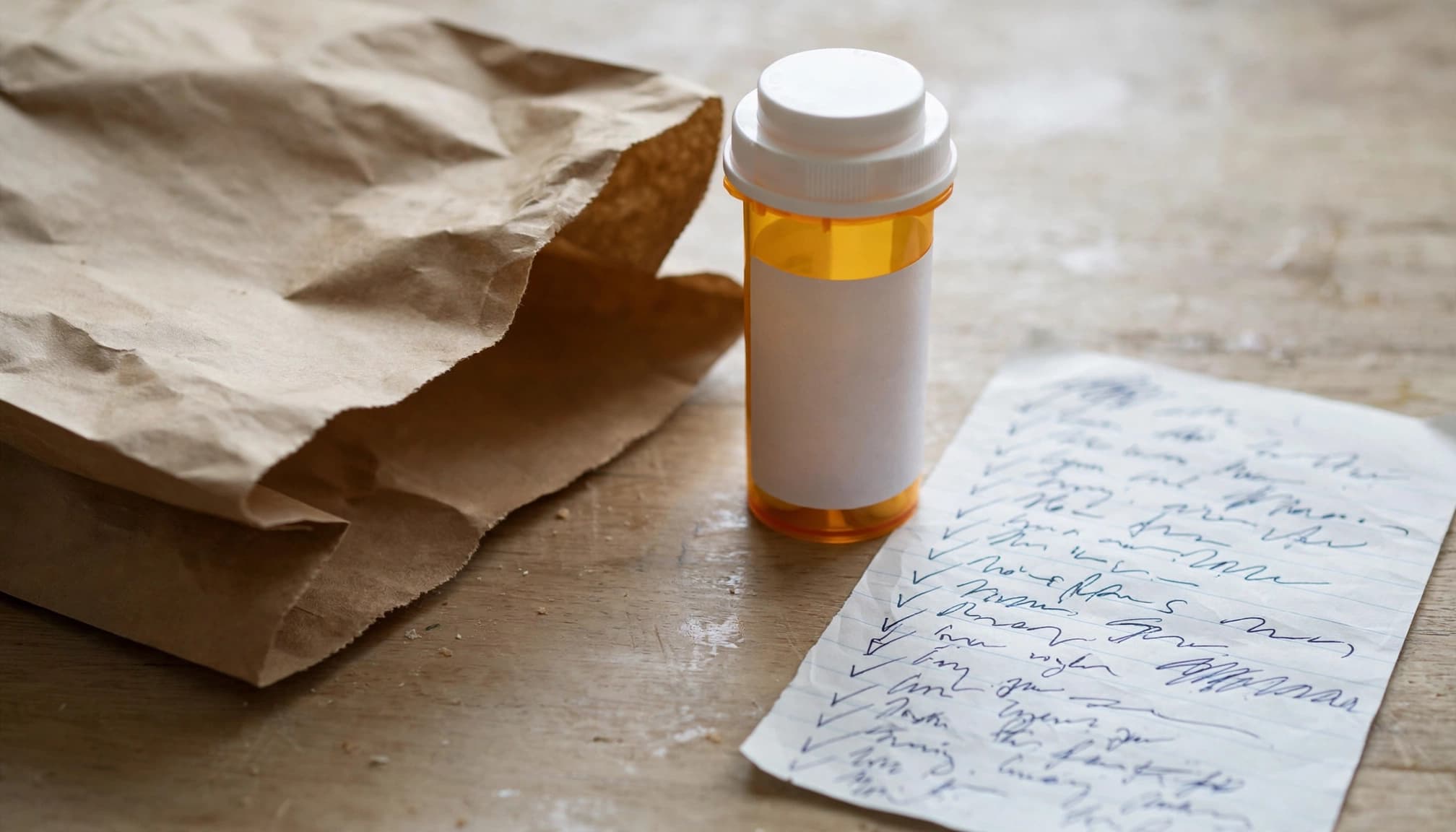
Save the container, outer box, pharmacy bag, leaflet, receipt, and any delivery materials. Photograph the label and product clearly, including identifying marks where visible. Record when the medicine arrived, when the concern arose, whether any doses were taken, and whom the patient contacted.
Keep copies of messages and note the time and substance of phone calls. Share sensitive records through the pharmacy's appropriate contact channel rather than posting patient details publicly. If the pharmacy requests the original product for inspection, ask how it will document its condition and whether copies or photographs should be retained first.
Report the error through the right channel
A conversation with the pharmacy addresses the immediate order. An outside report can document a safety concern and alert regulators to wider problems. It can't arrange treatment or determine what caused an injury.
File an FDA MedWatch report
In the United States, the FDA accepts reports of medication errors through MedWatch, including problems involving product names, packaging, and labeling. Patients and caregivers can use MedWatch Online or consumer Form FDA 3500B.
Include the medicine's name and strength, what was prescribed and supplied, when the discrepancy occurred, and any symptoms or medical care. If relevant, note the route of administration. Packaging details and photographs can help. The FDA's guidance on reporting serious problems also covers product-quality concerns. Reporting an incident can help identify safety issues and prevent patient harm, but it doesn't establish that a product caused an injury.
Contact the state board for pharmacy-practice concerns
A state board of pharmacy is a separate route for complaints about a pharmacy or pharmacist. The National Association of Boards of Pharmacy directory lists state boards and their contact details. Complaint forms and procedures vary by state.
A patient can report to both the FDA and the relevant board when both concerns apply. Neither process replaces a call to the pharmacy, prescriber, Poison Control, or emergency services when care is needed now.
Why errors happen and how to catch them sooner
Similar names are only one risk
Drug names and packages can look or sound alike, creating opportunities for preventable prescription drug errors. A strength selected from a prescribing or dispensing menu may differ from the intended one, while unclear directions, communication gaps, and interruptions add risk.
That’s why checking only the drug name isn’t enough. The strength, drug formulation, directions, and route of administration must match the treatment plan. A tablet and a liquid bearing the same drug name may require different measurements; directions for one formulation shouldn’t be assumed to apply to another.
Compare each refill with a current medication list
A personal list should include prescription medications, over-the-counter medicines, supplements, doses, allergies, and the prescriber’s name where useful. It gives pharmacists a better chance to identify duplicate treatment, possible drug interactions, or a change that wasn’t intended.
These safety measures start with comparing the product and label with the prescription and previous supply. A different appearance may have an innocent explanation, such as a change in manufacturer, but it warrants a pharmacist’s confirmation before use. For a new medicine, preparing questions for a pharmacist consultation can help clarify directions and expected side effects before the first dose.
Accessing a verified replacement without adding risk
A correction may take longer when medicine comes by mail, requires a new prescription, or needs special handling. The pharmacy and prescriber should coordinate the replacement and any treatment gap. Patients shouldn't substitute a product based on its name or price alone, since its drug formulation may differ.
For an online pharmacy order, confirm the prescription requirement, product strength, route of administration, shipping, and pharmacy contact options. Waldrugmart's prescription ordering steps describe its prescription review process. Delivery costs and medicine prices can vary between the USA and international markets, but a lower price doesn't establish suitability, import compliance, or safe continuity of care. A pharmacy's prescription FAQs can clarify its review and refill procedures before another order is placed.
When a dispensing error causes harm
Medical records can document the treatment needed after an error, any patient harm, and its effects. Keep those records with the prescription, packaging, communications, and receipts for related expenses. A caregiver handling the matter should also document the patient's permission to discuss the prescription.
A lawyer familiar with local rules can explain whether substantial treatment or lasting effects may support a claim and which records may matter. An error alone doesn't establish a medical malpractice claim or entitlement to compensation. Rules, deadlines, and evidence requirements depend on the facts and location. Safety reporting and legal advice serve different purposes.
Frequently asked questions
Should a dispensing error be reported if nobody took the medicine?
Yes. First, contact the dispensing pharmacy so it can check and correct the order. A near miss involving the wrong medication may warrant an FDA MedWatch report if it reveals a medication-use or packaging problem. Keeping the incorrect supply and its label available helps others establish exactly what happened.
What if the pharmacy says the medicine is an equivalent generic?
A different color, shape, or manufacturer doesn't automatically mean an error. A pharmacist should confirm the active ingredient, strength, dosage form, route of administration, and directions against the prescription. For treatments where a formulation change matters, the prescriber may also need to review the substitution. Don't rely on appearance alone.
Can a caregiver report an error for a family member?
A caregiver can raise an immediate safety concern and report a suspected problem to the FDA. The pharmacy may need the patient's permission before discussing private prescription details, depending on the circumstances. The caregiver should bring the medication list, order information, and an accurate account of any doses taken.
Does an FDA report replace a complaint to the pharmacy board?
No. MedWatch collects reports about medication safety and product-use problems. A state board handles concerns about pharmacy practice under its own procedures. The patient should still speak with the dispensing pharmacy to resolve the current prescription, since neither outside report supplies a corrected medicine.
What if the medicine came from an international online pharmacy?
Contact the seller's pharmacy team and the prescriber promptly, particularly if a dose has been taken or treatment may be interrupted. Preserve the parcel and all identifying information. Reporting routes depend on where the pharmacy operates and where the patient lives; U.S. patients can also report relevant medication-use concerns to the FDA.
Who pays for a replacement or care after an error?
The answer depends on the order, the pharmacy's findings, insurance arrangements, and applicable law. Request a written explanation of the proposed correction and any charges before paying for a second supply. Keep receipts for medical care and replacement medicine, especially if the error caused harm.
A safety report starts with the patient
The first priority is the person who may have received the wrong medicine or instructions. Urgent assessment and a safe treatment plan come before documenting medication errors or disputing responsibility.
Once care is addressed, the original packaging, a clear timeline, and reports to appropriate organizations give the concern a record beyond a phone call. These reports can help the healthcare system learn and reduce patient harm. An error caught before a dose matters, too.