
Osteoporosis Medicines Explained: Bisphosphonates and Beyond

A broken bone can be the first loud sign of a quiet problem. If you're comparing osteoporosis medicines, the hardest part is often knowing why one person gets a weekly pill while another gets a twice-yearly shot.
The short answer is simple: bisphosphonates are often the first treatment, but they aren't the only option. Your fracture risk, age, kidney function, other health conditions, and how well you tolerate a medicine all shape the best choice.
Short answer: For many adults with osteoporosis, doctors start with a bisphosphonate such as alendronate, risedronate, ibandronate, or zoledronic acid. If those aren't a good fit, other options include denosumab, raloxifene, teriparatide, abaloparatide, romosozumab, and sometimes hormone therapy.
Table of Contents
- Key Takeaways
- How osteoporosis medicines protect bone
- Bisphosphonates, the first treatment many people start
- Other medicines when bisphosphonates aren't the best fit
- Side effects, drug holidays, and follow-up care
- How to access osteoporosis treatment safely and affordably
- Conclusion
- FAQ
Key Takeaways
- Bisphosphonates are usually the first-line drug class because they slow bone breakdown and lower fracture risk.
- Other treatments, including denosumab and bone-building drugs, may work better for people at higher risk or those who can't take pills.
- The best medicine depends on fracture history, bone density, kidney function, age, sex, and personal preference.
- Cost matters, but so do safety checks, prescription review, and reliable refill access.
- This information is for educational purposes only. Consult a licensed healthcare provider before starting, stopping, or changing any prescription medicine.
How osteoporosis medicines protect bone
Osteoporosis makes bones thinner and weaker over time. The trouble is that bone loss doesn't hurt, so many people don't know they have it until they break a wrist, spine bone, or hip.
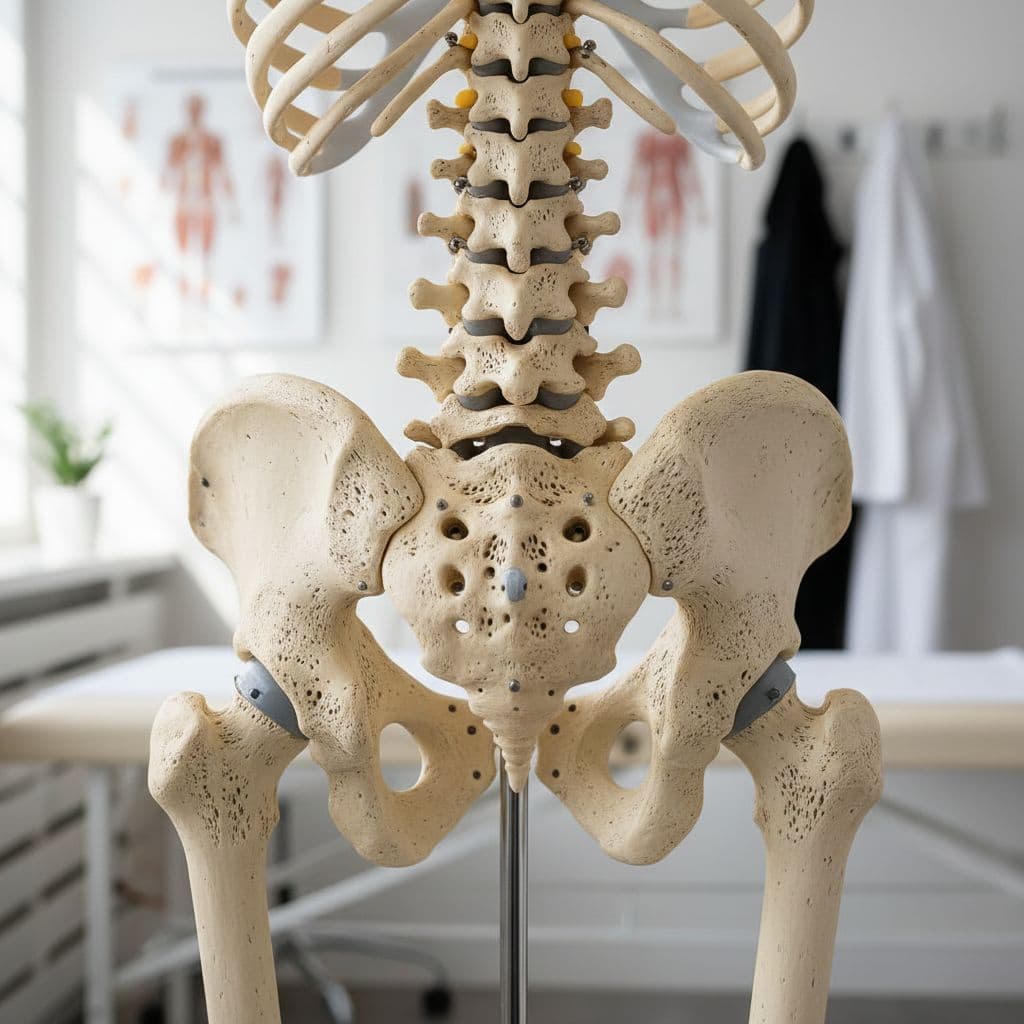
Most osteoporosis medicines work in one of two ways. Some slow bone breakdown. Others help build new bone. That sounds simple, but the choice matters because not every medicine protects the same bones equally, and not every patient needs the same level of treatment.
Doctors usually consider medicine when a bone density scan shows osteoporosis, when someone has already had a fragility fracture, or when fracture risk is high based on age and other factors. A 68-year-old with a prior spine fracture is in a different place than a 52-year-old with mild bone loss and no fractures.
Treatment also isn't only about the drug. Calcium intake, vitamin D status, weight-bearing exercise, smoking cessation, fall prevention, and balance training still matter. Medicine is one plank in the bridge, not the whole structure.
Many commonly used treatments are FDA-approved and backed by evidence on fracture reduction. For a quick overview of how this first-line group works, the Cleveland Clinic's bisphosphonate guide explains the basics in plain language.
Bisphosphonates, the first treatment many people start
Bisphosphonates are the workhorses of osteoporosis treatment. They attach to bone and slow the cells that break bone down, which helps preserve strength and lower the risk of fractures.
The main drugs in this class are alendronate, risedronate, ibandronate, and zoledronic acid. You may recognize alendronate as Fosamax and risedronate as Actonel. If you're comparing options, Fosamax Alendronate for osteoporosis and learn about Actonel for osteoporosis can help you see how common oral choices differ.
Oral bisphosphonates
Alendronate and risedronate are often taken by mouth, usually weekly or monthly depending on the product. These drugs work best when taken exactly as directed. Most people need to swallow the tablet with plain water first thing in the morning, then stay upright for at least 30 minutes. That step lowers the risk of irritation in the esophagus.
These pills are often a good fit for people who can follow those instructions and don't have major swallowing problems, severe acid reflux, or certain esophageal disorders. They also tend to be lower-cost than newer injectable drugs, especially when generic versions are available.
IV bisphosphonates
Zoledronic acid is given by IV, often once a year. That schedule appeals to people who forget weekly pills or can't tolerate stomach upset. Ibandronate also comes in non-oral forms, but its fracture data is strongest for the spine, not the hip.
Research summarized in the NIH StatPearls review on bisphosphonates notes that alendronate, risedronate, and zoledronic acid have strong evidence for lowering vertebral and hip fracture risk. In other words, these aren't interchangeable in every situation.
Bisphosphonates also stay in bone for a long time. That can be useful because some patients may take a "drug holiday" after several years, depending on their fracture risk. Still, a holiday is never automatic. People at high risk may need to continue treatment or switch to something else.
Other medicines when bisphosphonates aren't the best fit
Not everyone can take a bisphosphonate. Some people have kidney disease, stomach problems, or very high fracture risk that calls for a different plan. That's where other osteoporosis medicines come in.
Before the comparison table, here's the big picture: some drugs still slow bone loss, while others actively build bone. The best choice often depends on how urgent the fracture risk is.
| Medicine class | Common examples | How it's taken | Best fit for | Main cautions |
|---|---|---|---|---|
| Bisphosphonates | Alendronate, risedronate, zoledronic acid | Pill or IV | Many first-time patients | GI irritation, kidney limits, rare jaw and femur risks |
| RANKL inhibitor | Denosumab | Injection every 6 months | Can't take bisphosphonates, high risk | Rebound bone loss if stopped without follow-up plan |
| SERM | Raloxifene | Daily pill | Some postmenopausal women, spine protection | Blood clot risk, hot flashes |
| Anabolic agents | Teriparatide, abaloparatide | Daily injection | Very high fracture risk, multiple fractures | Limited treatment duration |
| Sclerostin inhibitor | Romosozumab | Monthly injection | Severe osteoporosis in select patients | Not for some with recent heart attack or stroke |
The takeaway is clear: osteoporosis treatment isn't one-size-fits-all.
Denosumab
Denosumab is an injection given every six months. It reduces bone breakdown and is often used when bisphosphonates aren't suitable. It can be a strong option for older adults, people who can't tolerate oral medicine, or those who need a simple dosing schedule.
One safety point matters more than any other.
Don't stop denosumab without a plan. Bone loss can rebound quickly after missed doses or abrupt discontinuation, so a clinician usually lines up another treatment before stopping it.
The NHS overview of osteoporosis treatment highlights denosumab as a common alternative when other medicines don't fit.
Raloxifene and hormone therapy
Raloxifene is a selective estrogen receptor modulator. It's mainly used in postmenopausal women and has its strongest benefit in reducing spinal fractures. It may be helpful for some women, but it's not the first pick for everyone because it can raise the risk of blood clots and may worsen hot flashes.
Hormone therapy can still have a role, especially in younger postmenopausal women who also have significant menopausal symptoms. Still, doctors weigh risks and benefits carefully, because hormone therapy isn't the default osteoporosis treatment for most older adults.
Bone-building drugs
Teriparatide and abaloparatide help the body build new bone. Romosozumab both increases bone formation and decreases bone breakdown. These medicines are usually reserved for people with severe osteoporosis, multiple fractures, or extremely high fracture risk.
Clinical studies suggest these agents can reduce fractures more quickly in high-risk patients than antiresorptive drugs alone. However, they cost more, often require injections, and usually have a time limit. After that course ends, doctors often switch patients to an antiresorptive drug to hold onto the gains.
Side effects, drug holidays, and follow-up care
Every effective medicine has trade-offs. With osteoporosis drugs, the important question isn't whether side effects exist. It's whether the likely benefit outweighs the risk for your fracture profile.
Common issues are usually manageable. Oral bisphosphonates may cause heartburn, stomach upset, or throat irritation. IV zoledronic acid can cause a flu-like reaction for a day or two after infusion. Denosumab may cause injection-site discomfort. Bone-building drugs can cause nausea, dizziness, or mild leg cramps in some patients.
Rare side effects get more attention, and for good reason. Osteonecrosis of the jaw and atypical femur fractures are uncommon, but they can happen, especially after long-term antiresorptive treatment. That doesn't mean these medicines are unsafe for most people. It means patients should report new thigh or groin pain and keep their dentist informed before major dental work.
Kidney function also matters. Some bisphosphonates aren't a good choice in significant kidney impairment. Denosumab may be used more often in that setting, but calcium levels need close follow-up.
Monitoring doesn't stop after the first prescription. Doctors may recheck bone density every one to two years, review falls, look at vitamin D and calcium intake, and decide whether treatment should continue. A drug holiday may make sense after several years of bisphosphonate therapy in lower-risk patients. The same logic does not apply to denosumab, which usually needs ongoing scheduling or a careful transition plan.
How to access osteoporosis treatment safely and affordably
Cost shapes real-life treatment. A medicine only works if you can keep getting it, take it on time, and refill it without months of delay.
In the United States, osteoporosis drug prices vary by insurance status, brand versus generic choice, injection fees, and site of care. That is why many people compare drug prices in USA vs international pharmacies or ask about cheaper prescription drugs from overseas. Generic alendronate or risedronate is often far less expensive than newer injectables, while office-administered therapies may bring added visit costs.
An online pharmacy can help with access, especially for people in rural areas, travelers, and those with mobility limits. Good service features include prescription review, pharmacist verification, refill support, order tracking, and online medicine home delivery. If you're already comparing options, prescription osteoporosis drugs can give you a practical starting point.
Safety comes first when you order prescription drugs online. Use the same checks whether you need osteoporosis tablets, affordable cancer medications, or other discounted specialty medications. A legitimate seller asks for a valid prescription, explains where the medicine is dispensed, and gives you a way to contact support.
People often search terms such as international online pharmacy, mail order pharmacy international, or online pharmacy with global shipping. Those searches can be useful, but the safer move is to verify pharmacy standards before checkout. If you're comparing an international pharmacy for US patients, ask how prescriptions are reviewed, how temperature-sensitive products are handled, and what the medicine delivery cost to USA will be before you pay.
Some shoppers also look for cheap prescription drugs worldwide, buy medicines from India online USA, or affordable medicines for Americans because long-term treatment can strain a budget. Price matters, but a lower price is only a win if the product is authentic, the source is licensed, and the refill process is reliable.
This is also where a soft, practical step helps: if you already have a prescription and want to compare common first-line options, review trusted product information and confirm whether generic choices match your treatment plan before you switch suppliers.
Conclusion
The best osteoporosis medicine is the one that fits your fracture risk, your health history, and your ability to stay on treatment. For many people, that starts with a bisphosphonate. For others, denosumab or a bone-building drug makes more sense.
Cost and convenience matter, but safety matters more. A lower bill isn't helpful if the medicine isn't right for you, arrives late, or comes from a source that skips prescription checks.
Bring your bone density results, fracture history, and current medication list to your next visit. That conversation usually points to the clearest next step.
FAQ
Which osteoporosis medicine is usually first-line?
Bisphosphonates are usually the first choice because they lower fracture risk and have long-term evidence behind them. Alendronate, risedronate, and zoledronic acid are common starting points. Doctors may choose something else if you have severe reflux, kidney problems, or very high fracture risk.
What if I can't take a bisphosphonate?
Denosumab is a common alternative, especially if swallowing pills is hard or stomach side effects are a problem. Raloxifene, teriparatide, abaloparatide, romosozumab, or hormone therapy may also fit certain patients. Your fracture history and kidney function usually guide the decision.
How long do people stay on osteoporosis treatment?
Treatment length varies by drug and fracture risk. Some people stay on oral bisphosphonates for several years, then discuss a drug holiday. Denosumab usually needs ongoing scheduling or a planned switch. Bone-building drugs often have shorter approved treatment windows before follow-up therapy starts.
What side effects should I report right away?
Call your clinician about severe chest pain with swallowing, persistent heartburn, signs of low calcium, or new thigh or groin pain. Those symptoms can signal a serious problem. Also mention planned dental surgery, because some osteoporosis medicines require extra caution around jaw health.
Is it safe to buy medicine online?
It can be safe if the pharmacy requires a valid prescription, offers pharmacist review, explains sourcing, and provides clear contact details. The same checks apply whether you want osteoporosis tablets, buy cancer drugs online, buy immunotherapy drugs online, or buy immunosuppressant medication online.
Do online pharmacies require prescriptions?
A legitimate pharmacy does for prescription-only products. If a site offers osteoporosis injections or tablets without verifying your prescription, that is a warning sign. Safe sellers review the order, confirm the medicine and strength, and may ask for prescriber details before shipping.
Can I order prescription drugs internationally?
In some cases, people do use cross-border services, but rules depend on the product, destination country, and shipping method. If you can order prescription drugs internationally, confirm import rules, prescription requirements, and cold-chain handling first. Delivery timing also matters for medicines that can't be interrupted.
What is the cheapest way to buy osteoporosis medicine?
The lowest price is often a generic oral bisphosphonate, but the cheapest option isn't always the best value. Compare the medicine itself, refill reliability, monitoring needs, and shipping charges. If you're assessing global pharmacy shipping USA Australia, include taxes, handling, and delivery speed in the real total.