
Ozempic and Weight Loss: How a Diabetes Drug Became a Craze

Ozempic was built for type 2 diabetes, yet it became one of the biggest health stories in America. That shift changed how many people think about weight, prescriptions, and what a drug can realistically do.
For patients, the buzz around weight loss Ozempic isn't only about pounds. It's also about side effects, cost, access, and whether social media made a medical treatment look simpler than it is. If you're trying to sort hype from real use, Get Started with Waldrugmart is one place to see how a valid prescription order works in practice.
https://www.youtube.com/watch?v=laPaezEsteI
Table of contents
- The short version, key takeaways from the Ozempic story
- How Ozempic started, and why doctors paid attention early
- How Ozempic became a weight loss craze
- What people need to know before seeing Ozempic as a simple fix
The short version, key takeaways from the Ozempic story
- Ozempic, which contains semaglutide, won FDA approval in 2017 for type 2 diabetes.
- Doctors soon noticed that many patients also lost weight while taking it.
- In 2021, Wegovy, a higher-dose semaglutide product, was approved for obesity.
- Social media and celebrity talk pushed public interest far beyond diabetes care.
- High demand drove shortages and sticker shock, especially from 2022 through 2024.
- The drug can help the right patient, but it also brings side effects, limits, and the need for medical follow-up.
How Ozempic started, and why doctors paid attention early
Semaglutide grew out of GLP-1 research, a field focused on hormones that help control blood sugar and appetite. Ozempic was designed as a once-weekly injection for adults with type 2 diabetes. In 2017, the FDA approved it for that purpose, not as a stand-alone weight loss drug.
Doctors paid attention early because the results looked useful in two ways. Blood sugar often improved, and many patients also ate less and lost weight. That second effect changed the conversation fast, because obesity and type 2 diabetes often overlap in real life.
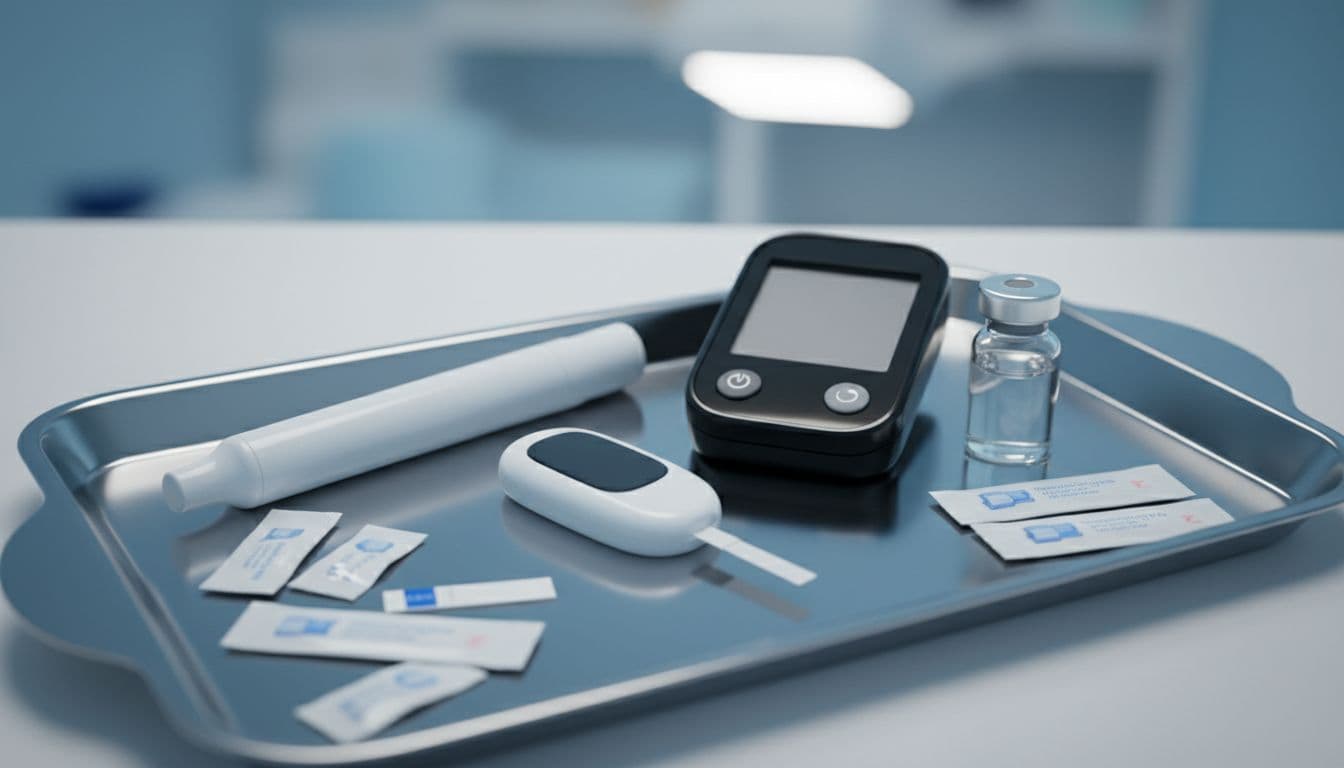
What semaglutide does in the body
In simple terms, semaglutide acts like a hormone your body already uses. It helps the pancreas release insulin when blood sugar rises. It also slows how fast food leaves the stomach, so you stay full longer. For many people, that means less hunger and fewer large swings in eating.
Why the weight loss effect changed the conversation
That effect made Ozempic seem like more than a diabetes drug. In clinics, people saw real weight changes, not only better lab numbers. Still, there's an important line here. Much of Ozempic's use for weight loss was off-label, while Wegovy became the semaglutide brand approved for chronic weight management.
How Ozempic became a weight loss craze
The turning point came in 2021, when the FDA approved Wegovy for obesity. From there, semaglutide moved from exam rooms into pop culture. The phrase weight loss Ozempic started showing up everywhere, even though Ozempic and Wegovy are not the same labeled product.
The role of celebrities, TikTok, and public hype
Celebrity talk, TikTok clips, and dramatic before-and-after posts made the drug feel like a fast answer. That helped public awareness, but it also flattened the details. Many posts skipped over who qualifies, how dosing ramps up, and why some people regain weight after stopping. As Scientific American reported on the FDA's crackdown on compounded GLP-1 drugs, demand also fed a market for lower-cost versions that raised new safety questions.
Shortages, high prices, and who got left behind
The surge in demand had a hard edge. People with diabetes sometimes struggled to refill a drug they depended on, while others faced cash prices that were out of reach. Insurance coverage stayed uneven, especially when the goal was obesity treatment rather than diabetes care. By 2026, supply looks better than it did during the peak shortage years, and a 2026 shortage update from GLP-1 Journal points to major improvement, though local access and affordability still vary.
For patients paying out of pocket, cost remains a gatekeeper. If you're comparing pharmacy options more broadly, Waldrugmart's prescription cost savings guide can help frame the bigger price question.
What people need to know before seeing Ozempic as a simple fix
Semaglutide can help with blood sugar control and meaningful weight loss. But it isn't a magic pen. Common side effects include nausea, vomiting, diarrhea, constipation, and stomach pain, especially during dose increases.
Common side effects versus serious warning signs
Most stomach symptoms improve over time or after slower dose changes. On the other hand, severe or ongoing pain, signs of dehydration, or repeated vomiting need prompt medical attention. Less common but more serious concerns include pancreatitis, gallbladder problems, and low blood sugar when semaglutide is used with insulin or certain other diabetes drugs. There is also a boxed warning tied to thyroid C-cell tumors seen in animal studies.
Weight often comes back after stopping semaglutide, so the long-term plan matters as much as the first prescription.
Why medical supervision still matters in 2026
These drugs still need real prescribing, dose ramp-up, refill planning, and follow-up. Your clinician should review your history, other medicines, and treatment goals before you start. If you're sorting out refill timing, shipping, or prescription rules, the Waldrugmart FAQ covers common questions patients run into.
The semaglutide story is still moving. As of April 2026, Wegovy HD, a stronger 7.2 mg dose, has been approved for some adults with obesity, and Ozempic tablets are expected in the US in 2026. More competition may widen options, but it doesn't erase the basics: the right drug depends on the right patient.
Ozempic's rise says a lot about modern medicine. A useful diabetes treatment became a public obsession because it worked, but also because hype traveled faster than context.
The smart move is to treat semaglutide like any serious prescription, with clear goals, realistic expectations, and a licensed provider guiding the plan. When a drug becomes famous, medical judgment matters even more.