
Pill Color Change Between Refills: What It Means and When to Worry

You open a refill bottle and stop cold. Last month, your tablet was light blue. This month, it is white.
A pill color change between refills is often normal. In many cases, the pharmacy dispensed the same drug from a different approved manufacturer. Still, you should never guess when a prescription medicine looks unfamiliar.
Short answer: Pill color often changes because pharmacies switch suppliers or dispense a different FDA-approved generic. The important details are the drug name, strength, dosage form, label, and imprint code. If any of those do not match, pause and verify it before taking the first dose.
The details below will help you tell the difference between a harmless switch and a real safety concern.
Table of Contents
- Key Takeaways
- Why a Pill Color Change Happens Between Refills
- What Should Stay the Same Even When Appearance Changes
- When a Different-Looking Refill Is Normal
- How to Verify a Changed Pill Safely
- Cost, Access, and Online Refills
- Conclusion
- FAQ
Key Takeaways
- Most refill appearance changes happen because the pharmacy used a different approved manufacturer.
- Color matters less than the imprint code, label, strength, and dosage form.
- A new look can still be a problem if the label changed, the pill has no imprint, or side effects feel different.
- If you use an online pharmacy or online medicine home delivery, compare the new refill with the old bottle before taking it.
Why a Pill Color Change Happens Between Refills
Drug makers do not have to make the same medicine look identical. If two companies produce the same generic tablet, one may choose pink and the other may choose white. As UCLA Health explains about medicines with different shapes and sizes, manufacturers often choose their own color, size, and shape even when the active drug is the same.
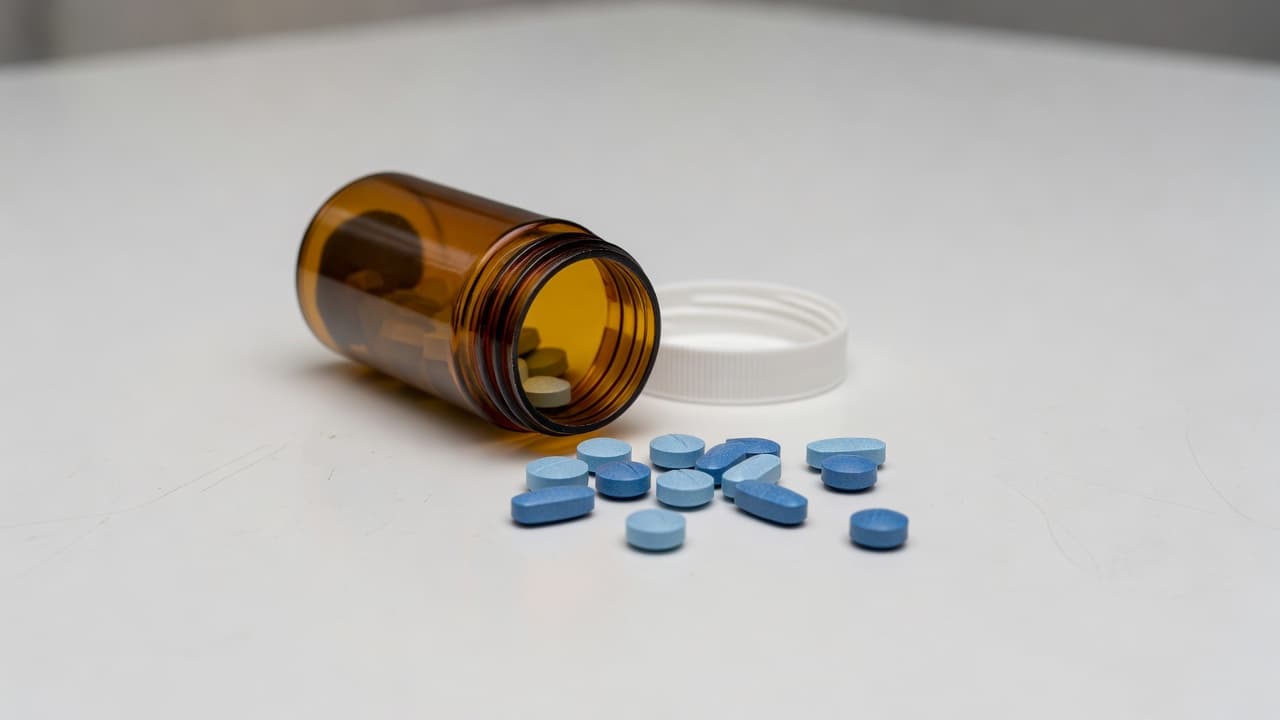
The main reason is generic substitution. A pharmacy may refill your prescription with another FDA-approved version that has the same active ingredient, strength, and route of use. However, the inactive ingredients can differ. Those include dyes, fillers, binders, and coatings. Kelley-Ross notes that inactive ingredients can vary between manufacturers, which can change the pill's appearance without changing its intended effect.
Supply issues also play a part. Pharmacies buy from wholesalers, and stock changes from week to week. Insurance plans may prefer one generic over another. A local store may run short. A mail refill may come from a different fulfillment site. The bottle lands in your hand, and the tablet looks like a stranger.
That surprise is common because color is how many people recognize their medicine. When the look changes, the brain flashes a warning. Sometimes that warning is helpful. Sometimes it is only the shock of a different coating.
What Should Stay the Same Even When Appearance Changes
When the color shifts, four details matter most: the drug name, strength, dosage form, and imprint code. If you take amlodipine 5 mg tablets, the refill should still be amlodipine 5 mg tablets. The shade may change. The strength should not.
This quick chart shows the difference between a normal change and a reason to stop.
| Usually normal | Pause and verify |
|---|---|
| New color or shape | Different drug name on label |
| Different manufacturer listed | Different strength, such as 10 mg instead of 5 mg |
| Slightly different coating or size | No imprint code when one was present before |
| Same directions and refill date | New instructions you did not discuss with your prescriber |
The imprint code is often the best visual checkpoint. It is the set of letters or numbers stamped on the pill. That code helps identify the product more reliably than color alone. As NOAH's medication color and shape overview points out, color helps recognition, but it is only one part of safe identification.
A second point matters for sensitive patients. Even when the active drug is the same, inactive ingredients can matter to people with dye allergies, swallowing problems, or past reactions. If you noticed stomach upset, rash, or a new taste after a refill, ask your pharmacist whether the manufacturer changed.
When a Different-Looking Refill Is Normal
Most changes are routine. A pharmacist may substitute one approved generic for another because it is what the store has in stock. CenterWell's refill guidance notes that a switch to a different generic supplier is a common reason medicine looks different from one refill to the next.
That can happen in a neighborhood pharmacy, a hospital discharge refill, or an online pharmacy. It can also happen with online medicine home delivery, because the refill may ship from a central warehouse rather than the location that filled your last order.
Mail service adds another layer. A refill filled today may come from a different lot or supplier than one filled three months ago. If you order prescription drugs online, the same rules still apply. The pharmacy should verify the prescription, list the medication clearly, and make pharmacist support available when the appearance changes.
This matters for routine refills and for specialty treatment. A caregiver who needs to buy cancer drugs online or look for discounted specialty medications may see a new tablet color when a supplier changes. That does not prove the medicine is wrong. It means the verification step matters more.
If you want a solid safety checklist before you refill through the web, read this guide to buying prescriptions safely.
How to Verify a Changed Pill Safely
Do not rely on memory alone. A changed pill deserves a calm, simple check before you take it.
- Compare the new bottle with the old one. Check the drug name, strength, and directions first.
- Look at the imprint code. If the code is missing or different, call the pharmacy.
- Review the manufacturer name on the label. A different manufacturer often explains a new color.
- Ask before you swallow. Your pharmacist can confirm whether the refill is the same medication.
- Watch for side effects. If you feel different after the switch, report it.
If the label, strength, or imprint does not match your last refill, do not take the pill until a pharmacist confirms it.
Keep your old bottle until the new refill is confirmed. That small habit helps more than most people expect. It gives you a side-by-side comparison when you need one.
If you manage several medicines, make a medication list with the name, dose, and purpose. That is especially useful for older adults, caregivers, and anyone taking more than one daily tablet.
Cost, Access, and Online Refills
Refills do not happen in a vacuum. Price, supply, and shipping often shape what arrives at your door. For many families, an online pharmacy is appealing because it reduces travel, supports auto-refill, and may lower total cost.
Still, lower cost should not weaken safety checks. If you compare the medicine delivery cost to USA addresses, also ask how the pharmacy handles manufacturer changes, pharmacist review, and refill questions. That matters even more with chronic medications, specialty drugs, and any international online pharmacy model.
A mail-order pharmacy with international fulfillment may lawfully dispense the same prescribed drug from a different approved manufacturer, so color changes can happen. The safer choice is a service that requires a valid prescription and offers clear refill support. If you need help with that process, you can get started with our refill service.
People looking for affordable prescription medications want two things at once: savings and certainty. You should expect both.
Conclusion
A new pill color can feel like a warning light. Most of the time, it points to a manufacturer switch, not a different treatment.
What matters is the label, dose, dosage form, and imprint code. This information is for educational purposes only, and a licensed healthcare provider or pharmacist should confirm any refill that looks unfamiliar before you take it.
FAQ
Is a pill color change between refills normal?
Yes, it often is. Pharmacies may switch to a different approved generic or buy from another manufacturer. The color, size, or shape may change, while the active ingredient and strength stay the same. Check the label and imprint code before taking the refill.
Can generic medicines look different from brand-name drugs?
Yes. Generic medicines often look different from the brand and from one another. Manufacturers can use different dyes, coatings, and tablet shapes. What should match is the active drug, dose, dosage form, and approved quality standards.
Should I take a refill if the tablet looks different?
Take a moment to verify it first. Compare the new bottle with the old one, then check the imprint code and label. If anything looks off, call the pharmacist. Waiting for confirmation is safer than guessing.
Does an online pharmacy make pill changes more likely?
It can, because online medicine home delivery often uses central fulfillment and changing suppliers. That does not make the medicine unsafe by itself. It means the pharmacy should require a prescription, provide pharmacist review, and answer questions about appearance changes.
Can pill color affect how well a medicine works?
Color alone usually does not change how the active drug works. However, inactive ingredients can differ between manufacturers. Some people react to dyes or fillers, or notice a change in taste or stomach comfort. If symptoms appear after a switch, speak with your pharmacist or prescriber.
Why does this matter for high-cost or specialty medicines?
The same appearance issue can happen with specialty refills, including cases where families order oncology medicines online. Because those drugs are expensive and time-sensitive, every refill should be checked with extra care. Confirm the exact drug, dose, manufacturer details, and prescription instructions before starting the new supply.