
Waldrugmart Guide to Starting Cabometyx: Dosing, Fasting, and Monitoring That Keep You Safer

The first night you bring Cabometyx home, life can feel oddly quiet. A new bottle on the counter. A calendar with clinic dates circled. Dinner getting cold because everyone has a question.
Cabometyx (cabozantinib) is a prescription cancer medicine taken by mouth. Because it's strong, small habits matter, especially timing, fasting, and tracking side effects early. This guide walks through the basics you'll use every day: how Cabometyx is dosed, how the empty-stomach rule works, what to monitor at home, and when to call your care team.
Cabometyx is prescribed for several advanced cancers, including renal cell carcinoma (RCC), hepatocellular carcinoma (HCC) after prior sorafenib, certain differentiated thyroid cancers, and some neuroendocrine tumors. It's not approved for breast cancer, but many people comparing treatments or browsing Breast Cancer Medicines still run into Cabometyx in research. If Cabometyx is on your prescription label, the goal here is simple: take it the safest way possible.
Cabometyx basics before you take the first dose
Cabometyx and Cometriq are two cabozantinib products, but they are not interchangeable. Your doctor chooses one for a reason, and the doses aren't swapped one-for-one.
Cabometyx belongs to a larger group of anticancer drugs that can affect more than the tumor. That's why your clinic will schedule labs, blood pressure checks, and follow-ups. Think of it like flying with a good instrument panel. You can't control the weather, but you can watch the gauges and respond early.
If you want the "source document" your oncology team follows, you can scan the official prescribing label. The most up-to-date FDA label also lists newer indications and safety warnings, including the neuroendocrine tumor update: FDA Cabometyx label (2025 PDF).
What Cabometyx is used for, and why your dose may look different than someone else's
Cabometyx may be prescribed for:
- Kidney cancer (advanced RCC), sometimes alone, sometimes with immunotherapy
- Liver cancer (HCC) after treatment with sorafenib
- Differentiated thyroid cancer (DTC) after prior VEGF-targeted therapy
- Pancreatic and extra-pancreatic neuroendocrine tumors (NETs) in certain settings
Some RCC patients take Cabometyx with nivolumab (Opdivo). Combination plans often use a lower Cabometyx dose than Cabometyx alone. In addition, your team may adjust dosing based on side effects, liver function, or drug interactions.
If you're comparing other targeted options used in RCC, it can help to understand how similar medicines are handled and monitored. For example, Pazolit (pazopanib) targeted therapy is another oral option in kidney cancer care, with its own dosing rules and lab monitoring needs.
Share this checklist with your doctor or pharmacist before starting
Before dose one, give your care team a clean, honest snapshot. A few details can change your plan.
- Blood pressure history (including "borderline" numbers)
- Liver or kidney problems, past hepatitis, or cirrhosis
- Bleeding risks, ulcers, coughing up blood, or blood thinners
- Recent wounds, non-healing cuts, or infection concerns
- Upcoming surgery or dental work (including extractions or implants)
- Thyroid disease or past thyroid removal
- Heart history, stroke history, or chest pain episodes
- Pregnancy plans, contraception, or breastfeeding
- All meds and supplements, including herbs and "immune boosters"
Also, avoid grapefruit and grapefruit juice unless your prescriber says otherwise. Grapefruit can change how your body handles cabozantinib and raise side effect risk.
Dosing and fasting rules, how to take Cabometyx the right way each day
Most adults start at 60 mg once daily when taking Cabometyx alone. When used with nivolumab for some RCC plans, a common dose is 40 mg once daily. Your prescription label is the only plan to follow, because your team may start lower or adjust sooner.
Build a routine that doesn't fight your life. Some people take Cabometyx early, then eat breakfast later. Others take it at night, after dinner has settled.
Swallow tablets whole with water. Don't crush, chew, or split them. Also, take it at the same time daily, because steady timing helps steady drug levels.
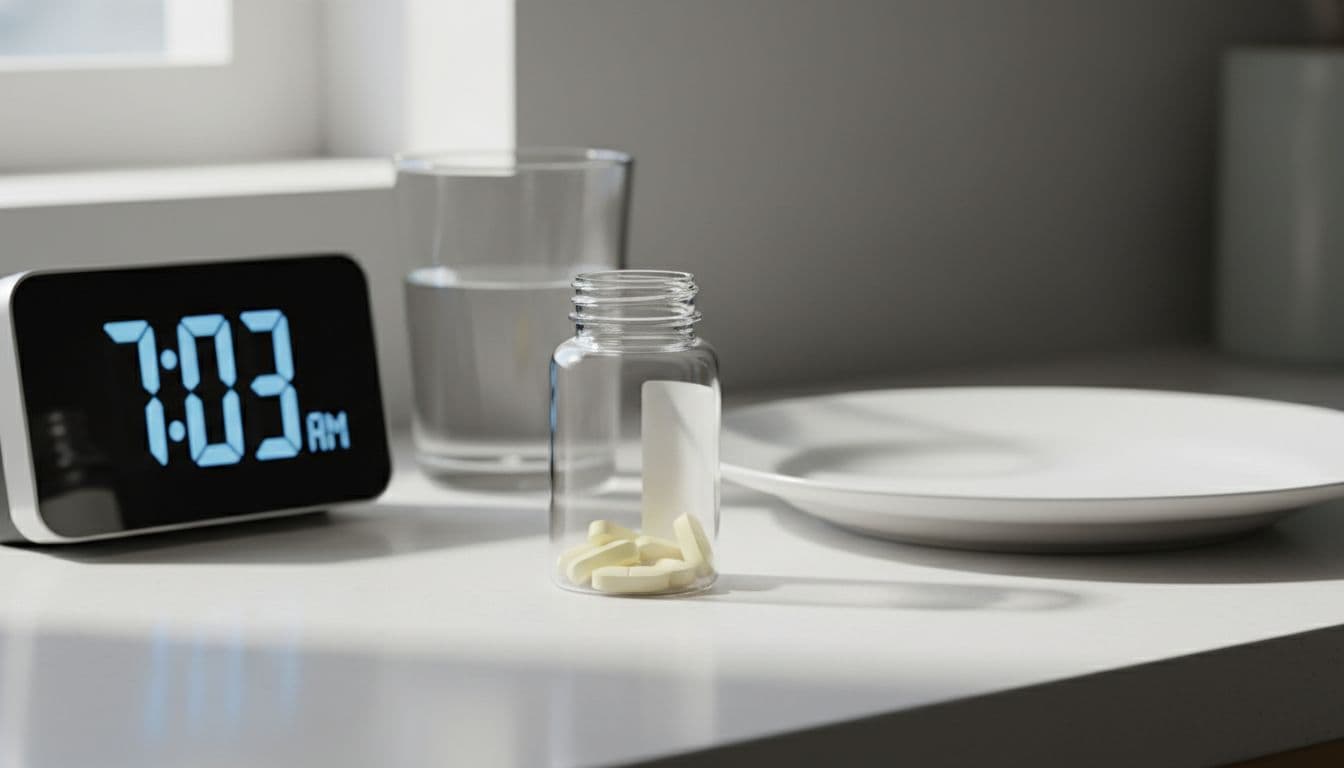
For a clinician-style summary you can bring to appointments, the manufacturer's dosing handout is a helpful reference: Cabometyx dosing and administration guide.
The empty stomach rule made simple, 1 hour before food or 2 hours after
Cabometyx must be taken on an empty stomach:
- At least 1 hour before food, or
- At least 2 hours after food
Say it like a rhyme if it helps: "One hour before, two hours after."
Two sample schedules:
- Early morning plan: Take Cabometyx at 6:00 am, eat breakfast after 7:00 am.
- Evening plan: Finish dinner by 7:00 pm, take Cabometyx at 9:00 pm.
What counts as food? More than people think. Snacks, protein shakes, meal replacement drinks, and "just a few bites" all break the fasting window.
If nausea shows up, don't try to outsmart the rule with a snack. Instead, ask your oncology team about anti-nausea meds that fit your schedule. Meanwhile, small sips of water and a calm, cool room can help you get through the wait.
If your day is messy, protect the fasting window first. Timing matters as much as the milligrams.
If you miss a dose, vomit after a dose, or need a dose change
When life interrupts, choose safety over "catching up."
If you miss a dose, follow the instructions on your prescription label and your oncology team's advice. In general, don't double up. If it's close to your next dose time, your team may tell you to skip and resume your usual schedule.
If you vomit after a dose, don't take an extra tablet unless your prescriber clearly tells you to. Instead, note the time, write down what happened, and call your clinic for guidance.
Dose changes are common with Cabometyx. Many clinics reduce stepwise if side effects hit hard, often moving from 60 mg to 40 mg to 20 mg. A "hold" usually means you pause the drug to let your body recover. A "stop" means your prescriber ends it, at least for now.
If surgery or invasive dental work is planned, your team may instruct you to stop Cabometyx at least 3 weeks before and restart only when it's safe and wounds have healed. Don't restart on your own timeline.
Monitoring that protects you, what to watch at home and what your labs are looking for
Monitoring isn't busywork. It's how your team keeps treatment going while lowering risk. Side effects often appear early, and quick action can prevent a small problem from becoming a hospital trip.
Start a simple tracking habit. A notebook works. Phone notes work too. Write down the date, dose time, blood pressure readings, bowel changes, mouth soreness, and any new pain. Patterns show up faster when you can see them.
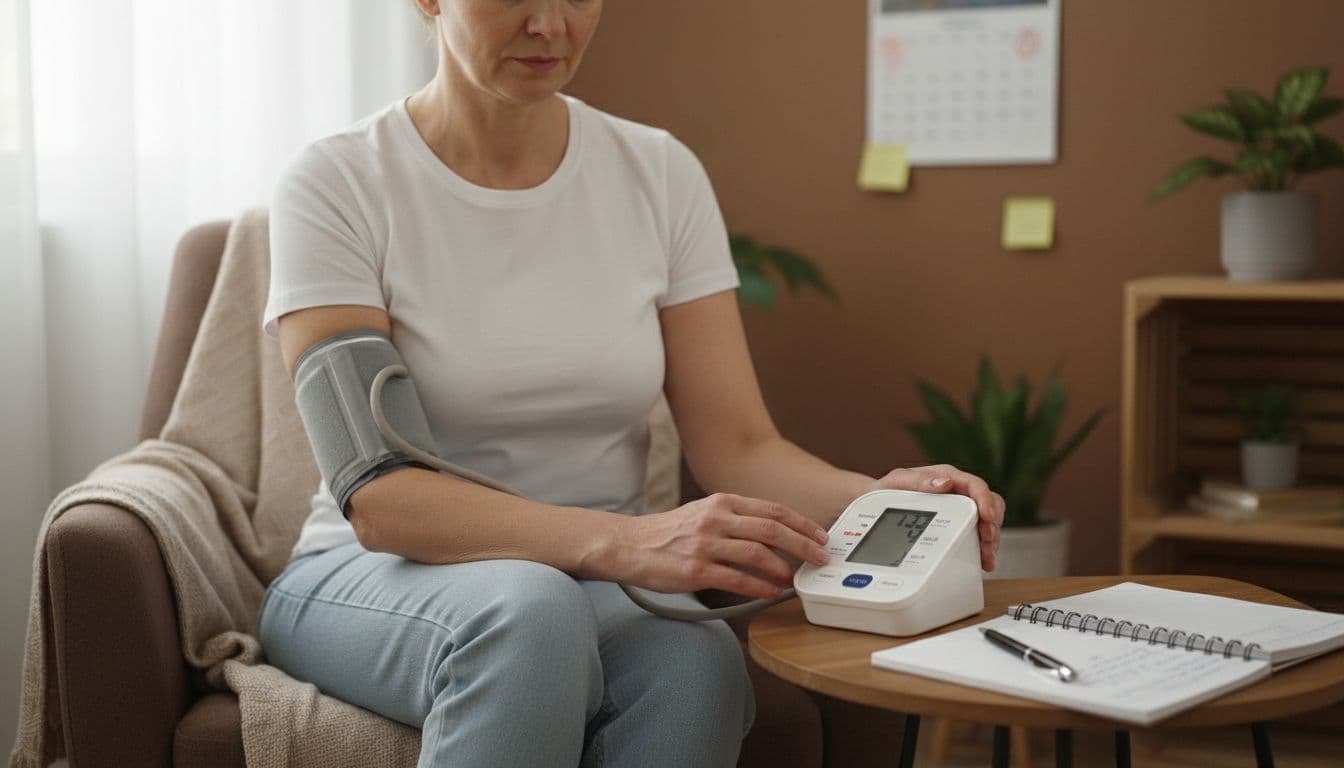
If you like structured tracking pages, the manufacturer offers a printable tool you can bring to visits: Cabometyx treatment journal (PDF).
At-home checks that matter most, blood pressure, skin, stools, and mouth sores
Cabometyx can raise blood pressure. Because of that, your clinic may ask for frequent checks early on, then space them out. Use the same cuff, same arm, and similar time of day.
Watch for:
- Blood pressure changes, headaches, dizziness, or vision shifts
- Diarrhea, including number of stools per day and urgency
- Hand-foot skin reaction, redness, tenderness, peeling, or burning
- Mouth sores, pain with swallowing, or a "raw" tongue
- Appetite and weight, because slow weight loss can sneak up
- Unusual bruising or bleeding, nosebleeds that won't stop, gum bleeding
Call now or seek urgent care if you have severe chest pain, sudden shortness of breath, heavy bleeding, a severe headache with very high blood pressure, black or tarry stools, coughing blood, severe belly pain, confusion, or one-sided weakness.
Common lab and clinic monitoring, what your care team tracks and why
Clinic labs help catch silent problems before you feel them.
Your team may monitor:
- Liver tests (ALT/AST), because Cabometyx can stress the liver
- Thyroid levels, because thyroid function can shift during treatment
- Urine protein, because kidney strain can show up as protein in urine
- Electrolytes, because diarrhea and poor intake can dehydrate you
- Blood counts, to watch for anemia or other changes
You'll also have periodic scans and office visits. Those check how treatment is going, but they also guide safer dosing. Bring your symptom notes, because your daily life fills in the gaps between appointments.
Side effects, practical relief steps, and when it's not safe to wait
Cabometyx side effects can be manageable, especially when you treat them early. Still, some problems need fast medical attention, so don't "tough it out" in silence.
Common side effects include diarrhea, tiredness, nausea, appetite loss, vomiting, weight loss, constipation, high blood pressure, and hand-foot skin reaction. Your team may add supportive meds, adjust diet timing, pause treatment briefly, or reduce the dose.
For a plain-language overview of uses, precautions, and side effects, this summary can be a helpful companion to your clinic handouts: Mayo Clinic cabozantinib guide.

Fast comfort tips for the most common Cabometyx side effects
Small comforts add up, especially on days when your body feels "louder" than your plans.
For diarrhea, focus on hydration. Keep a water bottle near you, and replace fluids after each loose stool. For food choices, bland meals can help, but remember the fasting rule. Plan meals so you aren't forced into snacking right around dosing time.
For hands and feet, reduce friction. Use thick moisturizer, wear soft socks, and avoid long hot showers. If walking hurts, tell your clinic early. Waiting can make skin changes harder to reverse.
For mouth soreness, switch to a soft toothbrush and avoid alcohol-based mouthwash. Cool, gentle rinses can feel better than spicy or acidic foods.
For fatigue, pace your day like you're carrying a heavy bag. Put the "must-do" items first, then rest before you crash. Also, ask before using OTC meds like loperamide, antacids, or supplements, since interactions can matter.
When to call your care team the same day, and when to get emergency help
Same-day call to your oncology team if you have:
- Persistent diarrhea, especially if you can't keep up with fluids
- Rising blood pressure readings, or new headaches
- Painful palms or soles, cracking, or peeling skin
- Worsening nausea with poor intake for a full day
- Yellowing skin or eyes, or dark urine
- New swelling, or very foamy urine
Get emergency help right away for:
- Signs of stroke (face droop, arm weakness, speech trouble)
- Severe bleeding, coughing blood, or vomiting blood
- Severe chest pain or sudden breathing trouble
- Severe abdominal pain, confusion, or fainting
Cost and buying safely, Cabozanib price questions, prescriptions, and smart refill habits
Sticker shock is common with cancer meds, and Cabometyx is no exception. When people search for Cabozanib price, they're often trying to protect both health and finances. The safest approach is to keep your prescriber and pharmacist in the loop, especially if you're considering mail order or international fulfillment.
If you're looking to Cabometyx buy at low price, focus on legitimacy first. Counterfeit cancer tablets are a real risk. A "no prescription needed" offer isn't a bargain, it's a warning sign.
Also, plan refills early. If your treatment depends on a daily tablet, a late shipment can turn into missed doses and avoidable stress. Many patients aim to reorder when they have at least 2 weeks left, especially when shipping times vary.
To compare U.S. cash prices and coupon options, a widely used reference is: GoodRx Cabometyx prices and savings.
What changes the Cabozanib price, and what to ask before you place an order
Prices shift for reasons that have nothing to do with you, and everything to do with supply and paperwork. The big drivers include tablet strength (20 mg, 40 mg, 60 mg), days of supply, and whether your plan treats it as a specialty medication.
Before you order, ask:
- What strength and quantity match my current prescription?
- How long will shipping and processing take?
- When should I reorder to avoid gaps?
- Do any assistance programs or insurance approvals apply?
- How will the pharmacy confirm storage, expiration date, and lot tracking?
Finally, keep one rule firm: don't change dose, split tablets, or switch sources without telling your oncology team. With anticancer drugs, the "small" choices are rarely small.
Conclusion
Cabometyx works best when your daily routine supports it. Confirm your dose, set a steady alarm, and protect the empty-stomach window (1 hour before food, 2 hours after). Take blood pressure readings, track symptoms with dates, and keep clinic phone numbers close.
Most importantly, don't adjust Cabometyx on your own, even if you're having a rough week. Your care team can hold, reduce, and restart safely. If you're also comparing other treatments or browsing Breast Cancer Medicines, remember that the best plan is the one tailored to your diagnosis, labs, and side effects, then followed with calm consistency.