
Acid Reflux Medicines for Frequent Heartburn, Explained

That burning climb from your stomach to your chest isn't always a random after-dinner nuisance. If heartburn hits often, the right acid reflux medicines can calm symptoms, protect the esophagus, and help you figure out when self-care stops being enough.
The short answer is simple: antacids work fastest for quick relief, H2 blockers last longer, and proton pump inhibitors, called PPIs, are often used when heartburn shows up two or more days a week. The details matter, though, because the best choice depends on your symptom pattern, other health conditions, and whether you need over-the-counter help or a prescription.
Quick answer: For occasional flares, antacids can ease burning within minutes. For frequent heartburn, H2 blockers or PPIs usually work better because they reduce acid for longer. Symptoms that keep coming back deserve medical review because they can point to GERD.
Table of Contents
- Key takeaways
- What frequent heartburn usually means
- How acid reflux medicines work
- Comparing antacids, H2 blockers, and PPIs
- Which medicine fits your symptoms
- Safety and side effects to watch
- How to access treatment safely and affordably
- Final thoughts
- FAQ
Key Takeaways
- Frequent heartburn often means reflux is happening often enough to need more than a quick fix.
- Antacids neutralize acid fast, H2 blockers reduce acid for several hours, and PPIs suppress acid more strongly.
- The "best" medicine depends on timing, symptom frequency, and whether your clinician suspects GERD.
- Cost, refill access, and safe purchasing matter, especially if you need longer treatment.
This information is for educational purposes only. Consult a licensed healthcare provider before starting, stopping, or changing any heartburn medicine.
What frequent heartburn usually means
Heartburn is a symptom, not a disease. You feel it when stomach contents move up into the esophagus and the lining gets irritated. The burn may sit behind the breastbone, creep into the throat, or leave a sour taste in the mouth.
When this happens once in a while, food triggers are often part of the story. Late meals, alcohol, coffee, large portions, and lying down soon after eating can all play a role. However, symptoms that return two or more days a week can point to gastroesophageal reflux disease, or GERD.
Frequent reflux can also show up in less obvious ways. Some people notice a dry cough, hoarseness, bad breath, or a feeling that food sticks on the way down. Others wake up at night with a hot, bitter taste.
That pattern matters because repeated acid exposure can inflame the esophagus. Relief isn't only about comfort. It's also about preventing irritation from becoming a regular visitor.
How acid reflux medicines work
Reflux starts when the lower esophageal sphincter, the ring-like valve between the esophagus and stomach, relaxes at the wrong time or doesn't close tightly enough. Acid then splashes upward and causes the familiar burn. The FDA's OTC heartburn treatment guide groups nonprescription treatments into three main types, and each works in a different way.
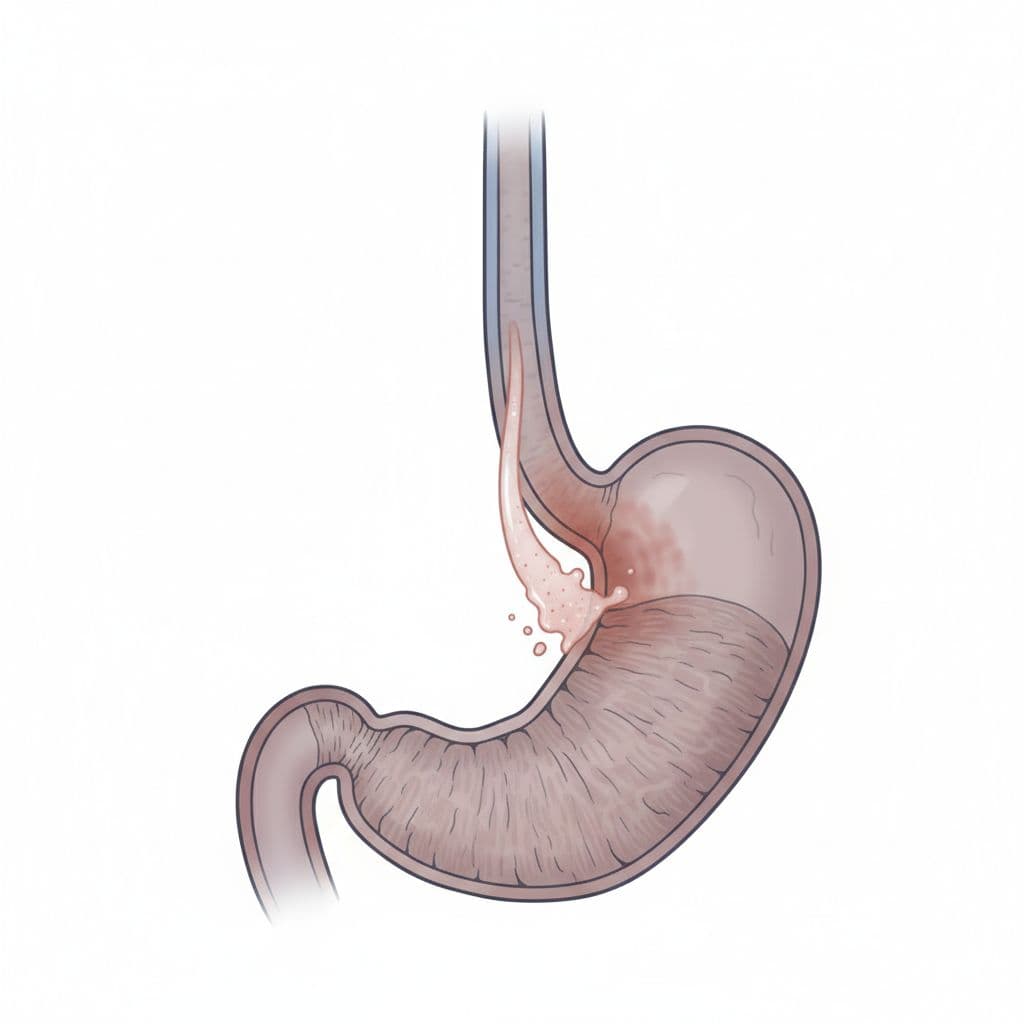
Antacids neutralize acid that is already in the stomach. They act fast, so they're useful when symptoms strike after a meal. Some products also form a foamy barrier that helps keep stomach contents down.
H2 blockers reduce the signal that tells the stomach to make acid. They don't work as fast as antacids, but they usually last longer. Many people use them before a trigger meal or at bedtime.
PPIs block the acid pumps in the stomach lining. They reduce acid more strongly than the other two groups, but they aren't instant. They often work best when taken before breakfast and may take a few days to reach full effect.
Comparing antacids, H2 blockers, and PPIs
This quick chart shows how the main options differ.
| Medicine type | Best for | Relief timing | How long it lasts | Common notes |
|---|---|---|---|---|
| Antacids | Sudden, occasional heartburn | Within minutes | A few hours | Fast relief, short action |
| H2 blockers | Predictable or nighttime symptoms | Within about 30 to 60 minutes | Several hours | Longer relief than antacids |
| PPIs | Frequent heartburn or GERD treatment | Full benefit may take 1 to 4 days | About 24 hours per dose | Strong acid control, often daily use |
The main takeaway is timing. If your chest burns after pizza once a week, an antacid may be enough. If symptoms wake you at night or show up several times a week, a longer-acting option often makes more sense.
For fast relief, some people use products such as Gaviscon for heartburn relief, which combines acid-neutralizing ingredients with a protective barrier. For a patient-friendly comparison of the medicine classes, GoodRx has a useful overview of antacids, H2 blockers, and PPIs.
Some PPIs are sold over the counter in short courses. Others are prescription medicine, especially when a clinician is treating GERD, ulcers, or esophagitis.
Which medicine fits your symptoms
Pattern beats guesswork. If symptoms are rare and tied to clear triggers, antacids usually make the most sense. If heartburn arrives several evenings a week, an H2 blocker may fit better because it lasts longer.
When reflux happens often, PPIs are common choices because they suppress acid more fully. Products such as Generic Nexium for acid reflux or Generic Aciphex for GERD belong to this group. They aren't rescue medicines, though. They work best when taken on schedule.
Daily habits still matter. Even strong medicine struggles against late-night heavy meals, tight waistbands, smoking, or lying flat after dinner. Small changes can lower the amount of medicine you need or help it work better.
A simple rule helps. Use the mildest option that controls symptoms, but don't keep self-treating frequent heartburn for weeks without asking why it keeps returning.
Safety and side effects to watch
Acid-reducing drugs are common, but "common" doesn't mean risk-free. Antacids can cause constipation or diarrhea, depending on the ingredients. Some also contain sodium, magnesium, calcium, or aluminum, which matters if you have kidney disease or follow a salt-restricted diet.
H2 blockers can cause headache, dizziness, or stomach upset. PPIs may cause headache, nausea, diarrhea, or abdominal pain. Longer use raises more questions, which is why diagnosis matters. Yale Medicine offers a balanced review of long-term PPI safety, and the main point is clear: the right drug should match a real need.
Get medical help sooner if heartburn comes with trouble swallowing, unexplained weight loss, vomiting blood, black stools, chest pain, or repeated vomiting. Those signs need prompt evaluation.
How to access treatment safely and affordably
Cost can shape treatment as much as symptoms do. A generic often costs less than a brand-name product, and a 30-day supply may be priced differently from a 90-day refill. Prices also vary by country, so patients in the USA, Australia, and the UK may see different pharmacy costs for the same acid reducer.
A licensed online pharmacy can help when travel, mobility, or local prices get in the way. Many shoppers compare online medicine home delivery with in-store pickup because regular refills are easier when medication comes to the door. If you order long-term therapy, medicine delivery cost to USA can matter almost as much as the bottle price.
Before you order prescription drugs online, confirm that the seller requires a valid prescription when needed, offers pharmacist review, and shows shipping timelines clearly. Some people compare a local chain with an international online pharmacy or a mail order pharmacy international service, especially when U.S. prices feel steep. The same safety checks still apply.
If you need ongoing treatment, compare generic options, refill sizes, and shipping fees before you buy. Affordable access helps only when the medicine is appropriate, authentic, and reviewed under proper prescription rules.
Final Thoughts
Frequent heartburn has a pattern, and the right medicine should match that pattern. Fast relief, longer control, and stronger acid suppression each have their place.
The smartest move is simple: treat occasional symptoms lightly, treat frequent symptoms carefully, and don't ignore warning signs. When you understand how acid reflux medicines work, choosing the next step gets much easier.
FAQ
What are acid reflux medicines?
Acid reflux medicines are drugs that either neutralize stomach acid or reduce how much acid the stomach makes. The main groups are antacids, H2 blockers, and PPIs. They can help relieve heartburn, reduce irritation in the esophagus, and control symptoms linked to GERD.
Which acid reflux medicine works fastest?
Antacids usually work the fastest. They can calm burning within minutes because they neutralize acid already in the stomach. H2 blockers take longer, and PPIs are slower still because they lower acid production over time instead of acting as instant symptom relievers.
Are PPIs safe for long-term use?
PPIs can be appropriate for long-term use when a clinician has a clear reason for them, such as GERD with esophageal damage. They should not be taken casually for months without review. The benefits and risks depend on your diagnosis, dose, treatment length, and medical history.
Can I buy heartburn medicine from an online pharmacy?
Yes, many heartburn medicines are sold online, but the rules depend on the drug. Over-the-counter products are easier to buy, while stronger or diagnosis-based options may require a prescription. Use a seller that asks for valid prescription documents when needed and provides pharmacist support.
What is the cheapest way to manage frequent heartburn?
The lowest-cost approach often combines the right generic medicine, the right supply size, and fewer trigger foods. Compare brand versus generic pricing, ask whether an OTC option is appropriate, and include shipping costs in the total. Cheap treatment is only useful when it is safe and matches your symptoms.
When should I stop self-treating and see a doctor?
See a clinician if heartburn happens two or more days a week, keeps returning after treatment, or comes with chest pain, weight loss, trouble swallowing, vomiting, or black stools. Those signs can point to GERD or another condition that needs proper diagnosis instead of repeated self-treatment.