
ADHD Medication Monitoring: Appetite, Sleep, Blood Pressure

ADHD medication monitoring tracks blood pressure, heart rate, body mass, appetite and sleep before treatment, during dose adjustments and throughout long-term care. For adults, NICE recommends pulse and blood pressure checks before and after each dose change, then every six months.
The aim is to preserve improvements in attention and daily functioning without overlooking side effects. A useful monitoring plan begins with baseline measurements and defines which changes need attention.
Table of Contents
- Key takeaways
- Before medication starts
- The monitoring schedule
- Appetite, weight and sleep
- Blood pressure and warning signs
- Monitoring in children
- Affordable, safe access
- Frequently asked questions
- The purpose of follow-up
Key Takeaways
- Baseline assessment includes body mass, pulse, blood pressure, cardiac history and a review of other medicines.
- Dose changes require additional cardiovascular checks, even when a routine appointment isn't due.
- Appetite loss, persistent insomnia and declining weight deserve review alongside symptom improvement.
- Chest pain, fainting, severe breathlessness or significant palpitations require urgent assessment.
- Healthy adults don't routinely need ECGs or blood tests solely because they take ADHD medication.
Before Medication Starts
Baseline measures make later changes easier to interpret. Without them, a higher pulse or lower body mass may be difficult to attribute to treatment.
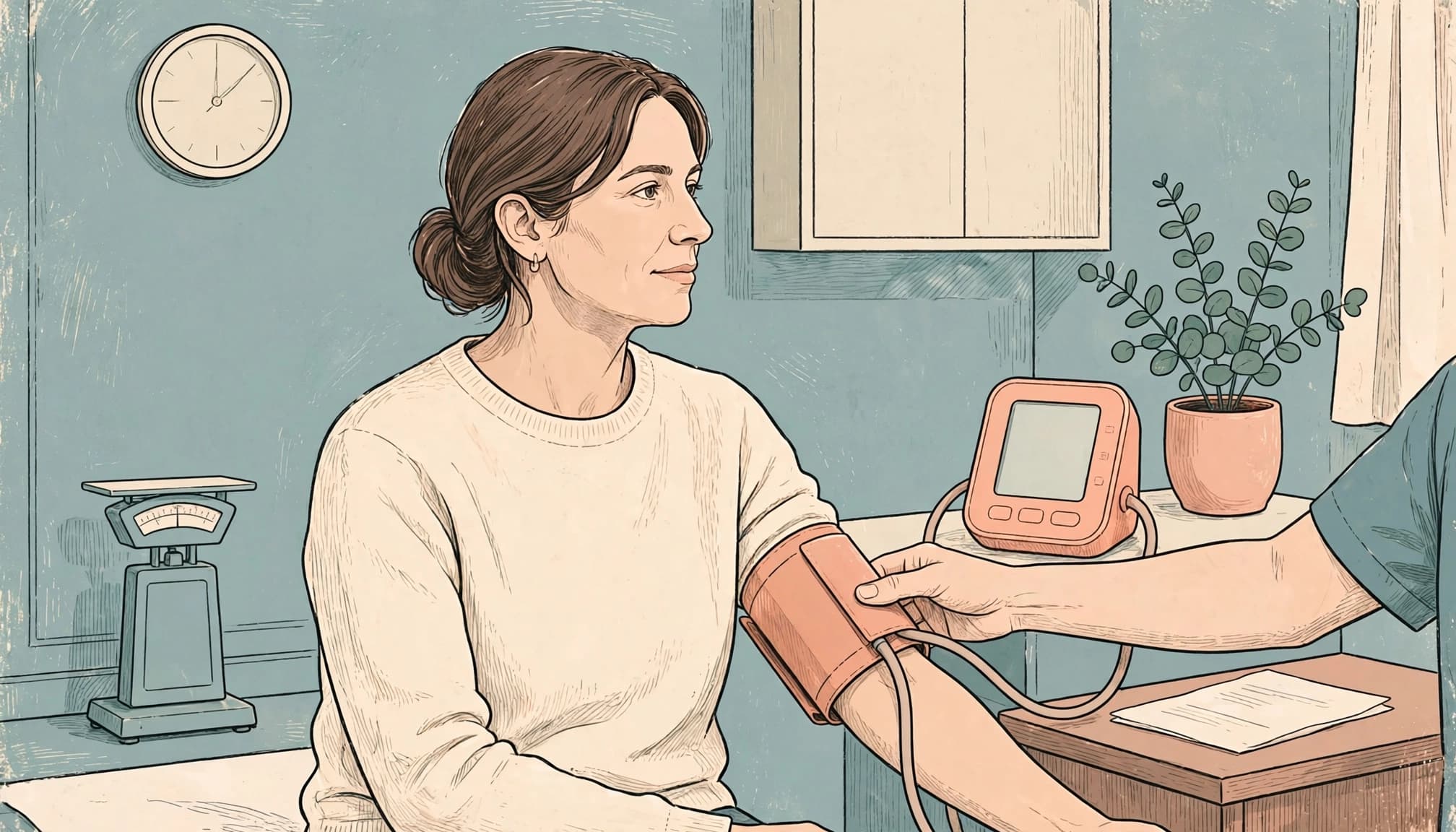
Physical measurements and cardiac history
Before stimulants or atomoxetine, clinicians record blood pressure, resting heart rate and weight. They also assess cardiovascular health through history and examination.
The history includes personal heart disease, fainting, palpitations and relevant family history, particularly sudden cardiac death in a first-degree relative under 40. Exertional symptoms deserve attention.
Existing hypertension, cardiovascular risk factors or anxiety may require closer follow-up. Anxiety can also affect pulse and sleep, so documenting symptoms before treatment helps separate pre-existing difficulties from medication effects.
Medicines and tests that change the plan
The medication review includes prescriptions, over-the-counter products and supplements. Decongestants, caffeine and some antidepressants can complicate cardiovascular symptoms or interact with treatment.
A routine ECG isn't necessary for an otherwise healthy adult with a reassuring history and examination. Cardiac symptoms, abnormal findings or medicines that increase cardiac risk can justify one.
Similarly, ADHD treatment alone doesn't require routine blood tests. Kidney disease or accompanying blood pressure medicines may create separate reasons for renal-function or electrolyte testing.
ADHD Medication Monitoring During Titration and Stable Treatment
The clearest schedule separates dose adjustment, known as titration, from stable treatment. For adults, NICE's ADHD monitoring recommendations set out the intervals in NICE guidelines.
| Timing | Expected monitoring |
|---|---|
| Before treatment | Weight, pulse, blood pressure, medical history and medication review |
| During titration | ADHD symptoms, daily functioning and adverse effects at dose changes |
| Before and after each dose change | Pulse and blood pressure |
| Every six months once stable | Pulse, blood pressure and adult body mass |
| Whenever problems arise | Earlier assessment directed by symptoms or abnormal readings |
| At least annually | Comprehensive review of benefit, adverse effects and continued treatment need |
These are different appointments with different purposes. An annual medication review doesn't replace six-monthly physical monitoring.
Some care plans use three-month reviews early on and six- to twelve-month reviews once readings remain normal. However, NICE specifies six-monthly cardiovascular checks, plus checks around dose changes.
A stable dose doesn't remove the need for monitoring: blood pressure can rise without producing noticeable symptoms.
Follow-up should also record headaches, palpitations and whether medication still improves attention, daily functioning and quality of life.
Appetite, Weight and Sleep Need Their Own Record
These effects often develop between appointments. Patients and caregivers can bring dated notes on appetite, meal timing, body-mass trends, medication timing, bedtime, awakenings and morning alertness to the prescriber. Share persistent changes before the next routine visit.
Appetite suppression and weight trends
Stimulants commonly reduce appetite, particularly while their effects are strongest. Atomoxetine can also cause reduced appetite and nausea.
Body mass is best interpreted as a trend, especially during the first year of taking stimulants. Repeated measurements under similar conditions are more useful than an isolated reading after illness or dehydration.
Persistent loss warrants review even when starting body mass was high. Clinicians may assess BMI, meal timing and nutritional intake, then consider dose or medication changes.
NICE lists taking medication with or after food, additional meals when stimulants have worn off, and dietary advice among possible responses. Any planned treatment break requires prescriber involvement.
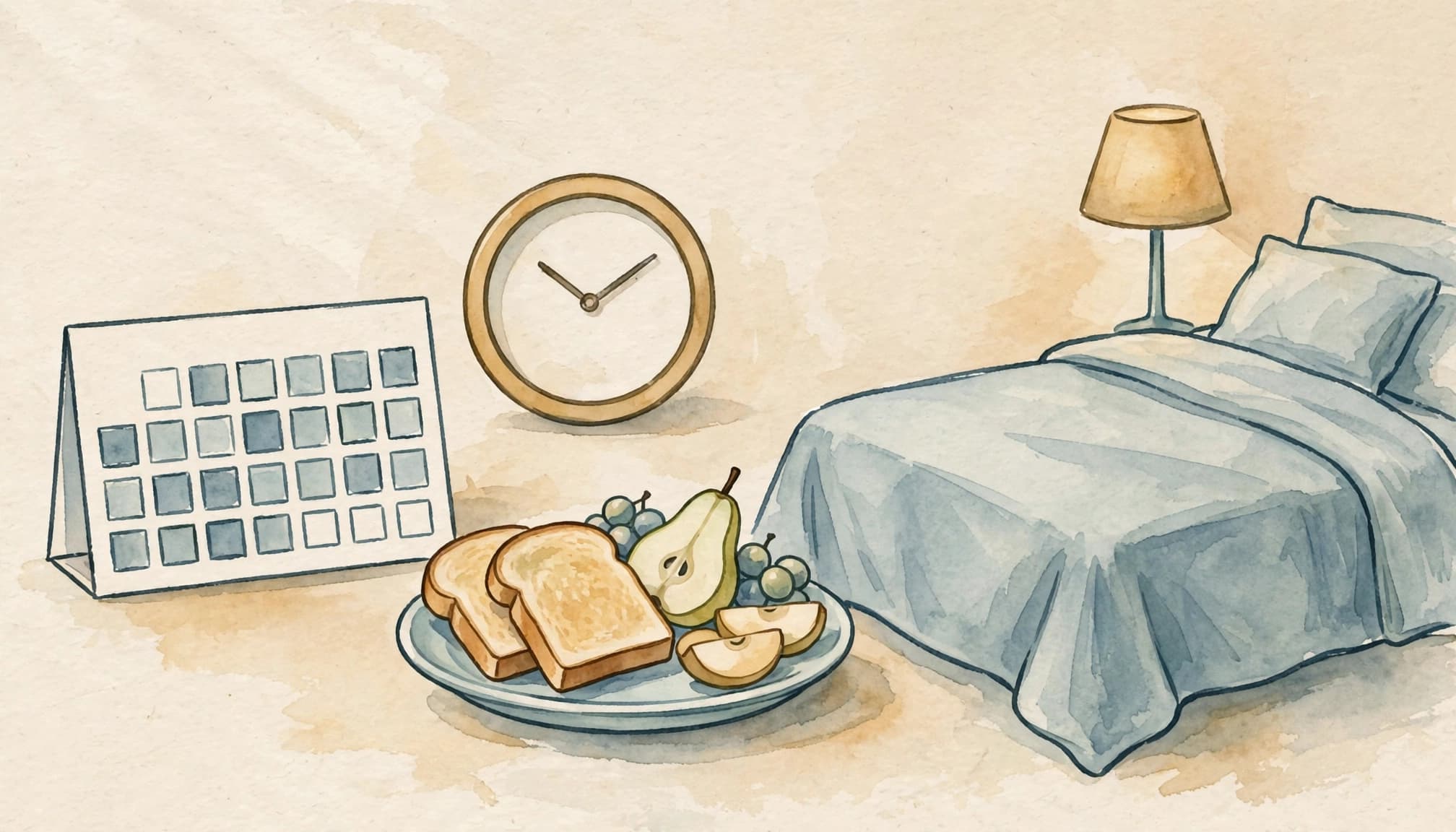
Sleep timing and next-day effects
A sleep diary can also record caffeine timing and evening restlessness, which may help explain patterns.
Insomnia may follow a late dose or an unsuitable duration of action. However, untreated ADHD, anxiety and sleep disorders can also disrupt sleep.
The review should distinguish difficulty falling asleep from daytime sedation. Persistent problems may require a different formulation, dose or schedule rather than adding another medicine without assessment.
Blood Pressure Changes Depend on the Medication
Medication classes don't have identical cardiovascular effects. Their mechanism matters when interpreting readings.
Stimulants, atomoxetine and guanfacine
Methylphenidate and amphetamine-based stimulants increase dopamine and norepinephrine signalling. They can improve attention and impulse control, but also produce modest average increases in pulse and blood pressure. Individual increases can be larger.
Atomoxetine selectively inhibits norepinephrine reuptake. Our Strattera medication information covers this non-stimulant treatment, which also requires cardiovascular monitoring. Non-stimulants can still have cardiovascular effects.
Guanfacine acts through alpha-2A adrenergic receptors and can lower pulse and blood pressure. NHS prescribing guidance describes monitoring during titration. Dizziness on standing or fainting needs review; NICE requires tertiary-service advice before adult guanfacine prescribing.
Readings and symptoms that require action
NICE advises dose reduction and referral for sustained resting heart rate above 120 beats per minute, arrhythmia or a clinically significant systolic blood pressure increase, confirmed on two occasions. These are clinician action thresholds, not instructions for self-adjustment.
Adult blood pressure assessment uses adult hypertension criteria and the change from baseline. Children's blood pressure percentiles don't apply to adults.
Chest pain, fainting, severe shortness of breath or a fast, irregular heartbeat require urgent medical assessment, particularly when symptoms occur together or during exertion. Sustained high blood pressure also needs timely review, even without symptoms. Severe symptoms shouldn't wait for repeat home measurements.
Children Need Growth Charts and Age-Adjusted Readings
Children require height and weight tracking on growth charts, alongside age-appropriate interpretation of pulse and blood pressure. A centile compares a measurement with a reference population; an unlabelled number can miss a concerning pattern.
A West Glasgow CAMHS clinical audit illustrates the documentation gap. Blood pressure centiles appeared in 10% of 33 records initially and 2% of 45 records in the second cycle. Heart-rate centiles appeared in none.
The audit monitored hypertension, weight loss, arrhythmias and appetite loss. Recording measurements was common, but recording their pediatric interpretation lagged. Adults need body-mass trends and adult cardiovascular assessment, rather than growth charts.
Accessing ADHD Treatment Affordably and Safely
Medication costs and monitoring costs are separate. A lower tablet price doesn't cover titration appointments, physical checks or assessment of adverse effects.
Comparisons between local and international supply should match the active ingredient, strength, formulation and pack size. Delivery charges also affect the total. Our Axepta prescription information identifies atomoxetine and its prescription requirement.
Anyone searching for an ADHD prescription online should choose a pharmacy that verifies a valid prescription, as our Online Pharmacy does. International sourcing remains subject to national import rules and controlled-drug restrictions; online medicine home delivery doesn't replace clinical follow-up.
Telehealth can reduce travel burdens, but clinicians still need reliable physical measurements. Generic alternatives may reduce medicine costs when clinically appropriate, without reducing monitoring requirements.
This information is for educational purposes only. Consult a licensed healthcare provider for an individual monitoring plan and before changing prescription medicine.
Frequently Asked Questions
Do adults need an ECG during long-term treatment?
Routine repeat ECGs aren't recommended solely because an adult continues ADHD medication. New chest pain, fainting, significant palpitations, abnormal examination findings or other cardiac concerns can change that decision. The prescriber assesses whether an ECG, specialist referral or another investigation is appropriate.
Does atomoxetine require liver tests?
Routine liver testing isn't required without a clinical indication. However, rare severe liver injury appears in the FDA's Strattera prescribing information. Jaundice, dark urine, itching, right-upper-abdominal pain or unexplained flu-like symptoms require prompt assessment. Suspected liver injury changes the treatment plan and may require blood tests.
Can someone with hypertension take ADHD medication?
Hypertension requires assessment before prescribing, but suitability depends on its severity, cardiovascular history and the proposed medicine. Stimulants and atomoxetine can raise blood pressure. Uncontrolled hypertension warrants management and may require specialist input; closer monitoring can be necessary throughout titration and maintenance.
What makes a home blood pressure reading useful?
A validated upper-arm monitor, correctly sized cuff and consistent technique improve reliability. Measurements should follow several minutes of seated rest, with the arm supported. Recording the time, medication dose and symptoms helps interpretation. Home readings complement clinical assessment rather than replacing it.
Are appetite and sleep effects reasons to stop treatment?
They are reasons to assess severity, timing and treatment benefit. Mild effects may respond to a clinician-guided adjustment, while persistent loss of body mass or disabling insomnia can justify changing treatment. Abrupt changes aren't appropriate for every medicine; guanfacine, for example, requires gradual withdrawal.
Monitoring Should Preserve the Benefit of Treatment
ADHD medication monitoring connects symptom improvement with the physical effects of treatment. Baseline measurements, checks around dose changes and six-monthly follow-up make those effects easier to interpret.
The strongest plan tracks function as well as tolerability. Better concentration has limited value when persistent insomnia, declining body mass or cardiovascular symptoms remain unresolved.