
Baricitinib Safety: Risks, Lab Tests, and When to Call

Baricitinib safety depends on infection screening, blood tests, and prompt evaluation of new symptoms. The main concerns are serious infections, shingles, blood clots, cancer, and cardiovascular events.
Blood counts, liver and kidney function, and cholesterol help guide treatment. Historical rheumatoid arthritis trials quantify these risks, but their findings need to be read alongside the FDA's boxed warning.
Table of Contents
- Key takeaways
- What baricitinib safety evidence shows
- Infection risks
- Clots, cancer, and other serious events
- Laboratory monitoring
- When to call
- Affordable access
- Frequently asked questions
Key Takeaways
- Shingles occurred more often with baricitinib 4 mg than placebo in pooled rheumatoid arthritis trials.
- Glucocorticoid use, previous clots, and cardiovascular history affect treatment decisions.
- Scheduled tests can detect abnormalities before symptoms develop.
- Chest pain, sudden breathlessness, or stroke symptoms require emergency assessment.
This information is for educational purposes only. Consult a licensed healthcare provider for individual treatment decisions.
What the Baricitinib Safety Evidence Shows
How the medicine works and who receives it
Baricitinib, sold as Olumiant, is an oral, once-daily selective JAK inhibitor that targets JAK1 and JAK2. It blocks intracellular signals involved in inflammation, including cytokine pathways such as interferon signaling, but also affects immune defenses.
In the United States, its rheumatoid arthritis indication covers adults with moderately to severely active disease after an inadequate response to one or more TNF inhibitors. The recommended RA dose is 2 mg daily. Historical studies also examined 4 mg, so their results don't describe the approved U.S. RA dose alone.
Baricitinib also has other indications, including severe alopecia areata. RA safety rates shouldn't automatically be applied to other populations.
What the pooled trials measured
The 2019 pooled safety analysis helps characterize baricitinib's safety profile. It combined eight phase III, II, and Ib trials with one long-term extension. The analysis included 3,492 patients and 6,637 years of accumulated patient exposure through September 1, 2016. Median treatment lasted 2.1 years; maximum exposure reached 5.5 years.
An incidence rate of 2.9 per 100 patient-years means roughly three events during 100 years of combined observation. It isn't a precise annual prediction for an individual.
Infection Risks: Shingles, Serious Illness, and Tuberculosis
Shingles and serious infections
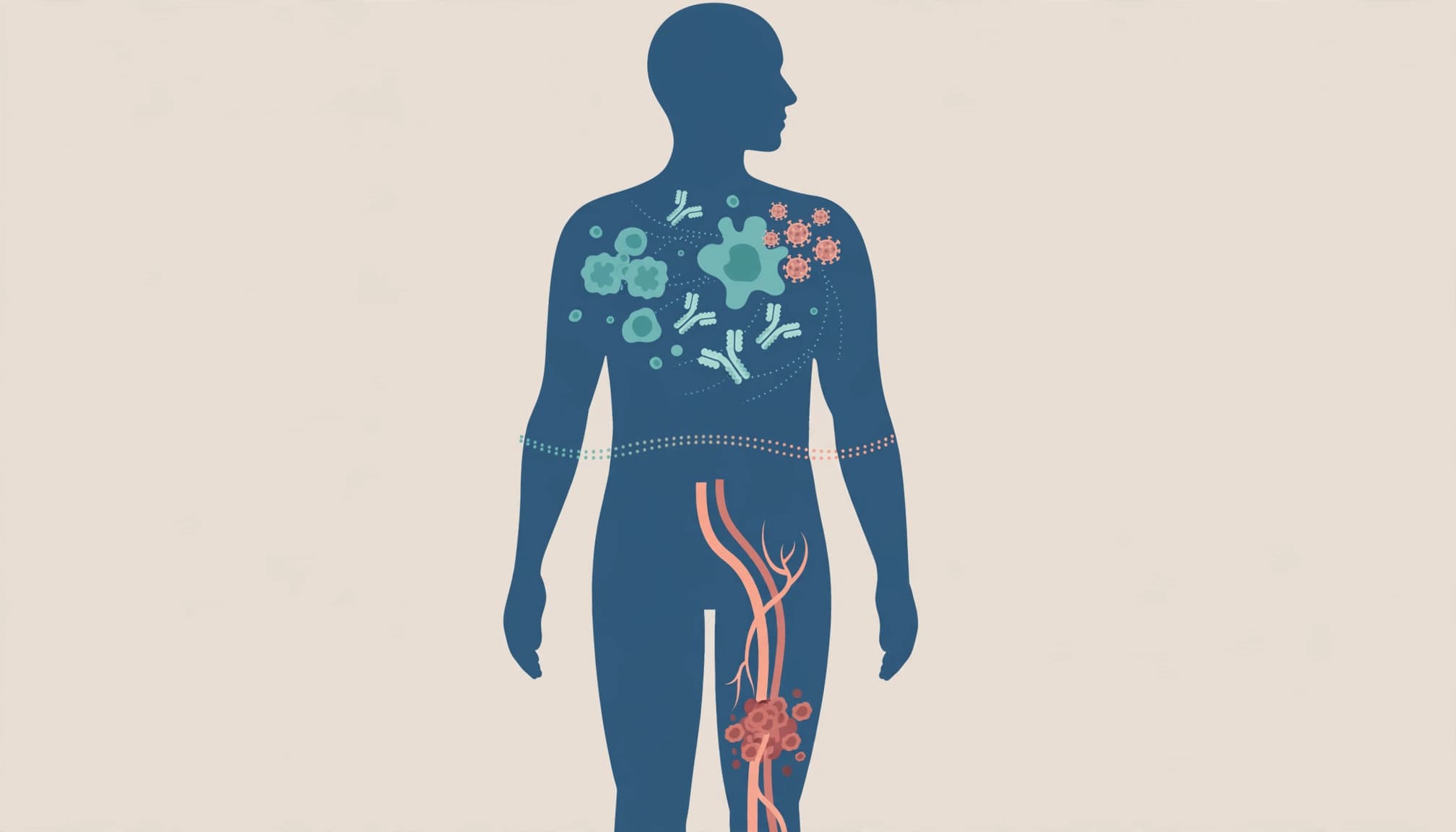
In the pooled analysis, herpes zoster occurred at 4.3 versus 1.0 per 100 patient-years with 4 mg versus placebo. Across all baricitinib-treated RA patients, the rate was 3.2. All reported cases involved the skin; none involved internal organs.
Serious infections occurred at 2.9 per 100 years of observation. Pneumonia, shingles, urinary tract infection, and cellulitis were the most common.
Patients taking glucocorticoids at baseline had approximately twice the serious infection rate. That pattern also appeared with placebo, so glucocorticoids and patient characteristics can contribute to infection risk alongside baricitinib exposure.
Few patients discontinued because of adverse events overall. However, shingles was the infection most often responsible for discontinuation.
Tuberculosis and prevention
Ten tuberculosis cases occurred, a rate of 0.15 per 100 patient-years. All arose in endemic settings: Argentina, India, the Russian Federation, South Africa, South Korea, and Taiwan.
The FDA-linked TB screening recommendations support screening before targeted immunosuppressive treatment. Baricitinib requires TB assessment before RA treatment and during therapy; latent infection needs treatment before initiation. Active TB precludes treatment.
Prescribers also review hepatitis status and vaccination history, including zoster vaccination and its timing. Live vaccines should be avoided during treatment. If a serious infection develops, treatment is interrupted until the infection is controlled.
Blood Clots, Cancer, and Other Serious Events
Thrombosis and cardiovascular risk
Deep vein thrombosis and pulmonary embolism occurred at 0.5 per 100 patient-years. During placebo-controlled observation, events occurred with 4 mg but not placebo.
Older age, higher BMI, previous deep vein thrombosis or pulmonary embolism, and selective COX-2 inhibitor use had independent statistical associations with clot events. These associations don't establish that each factor caused a clot.
The FDA boxed warnings for baricitinib cover serious infections, mortality, malignancy, major adverse cardiovascular events, and thrombosis. Some comparative evidence for these warnings came from a tofacitinib trial versus TNF blockers, not a direct baricitinib comparison.
Cancer and less frequent events
The historical pooled analysis reported these outcomes.
| Outcome | Cases | Rate per 100 patient-years |
|---|---|---|
| Cancer excluding nonmelanoma skin cancer | 52 | 0.8 |
| Lymphoma | 6 | 0.09 |
| All-cause deaths | 22 | 0.33 |
| Gastrointestinal perforation | 3 | 0.05 |
Cancer incidence had a standardized incidence ratio of 1.04 against SEER estimates, with a 95% confidence interval of 0.79 to 1.36. That result doesn't exclude increased risk in particular patients.
All six lymphoma cases arose during the extension; five patients took methotrexate. All three perforation cases involved methotrexate and NSAIDs; two also involved prednisone.
Major adverse cardiovascular events occurred at 0.5 per 100 years of observation, without an observed increase with longer exposure. Investigators considered mortality similar to other RA treatment programs, but this wasn't a randomized mortality comparison. The tofacitinib trial also wasn't a direct baricitinib comparison, so it can't establish baricitinib-specific cardiovascular risk.
Which Laboratory Tests Matter?

Before the first dose
Baseline assessment includes a complete blood count, including platelet count, liver enzymes, kidney function, TB screening, and viral hepatitis evaluation. Kidney impairment can require a lower dose or make treatment unsuitable.
For RA, initiation isn't recommended with an absolute lymphocyte count below 500 cells/µL, neutrophils below 1,000 cells/µL, or hemoglobin below 8 g/dL.
A medication review also matters because combinations can increase immunosuppression. Pregnancy and breastfeeding require discussion before treatment.
During treatment
Clinicians repeat blood counts, including platelet count, and liver tests according to routine care and individual findings. Testing around 12 weeks after starting can assess LDL HDL cholesterol levels, which may rise.
Trials found LDL and HDL increases during the first 12 weeks, dose-dependent creatine phosphokinase increases, and ALT elevations. Small platelet increases also occurred.
No patient in the historical analysis met Hy's Law criteria, a warning pattern involving liver enzyme and bilirubin elevations. That finding doesn't remove the need to investigate suspected liver injury.
The EMA assessment of baricitinib documents laboratory findings within its regulatory evaluation.
Normal blood tests don't rule out a developing infection or blood clot. New symptoms need assessment even when scheduled monitoring is up to date.
When to Call a Clinician or Seek Emergency Care
Symptoms requiring emergency assessment
Sudden breathlessness, chest pain, coughing blood, or fainting can indicate pulmonary embolism or another emergency. Facial drooping, speech difficulty, or sudden weakness can indicate stroke.
New one-sided leg swelling or pain needs urgent evaluation for DVT. Severe, persistent abdominal pain, particularly with fever, can indicate perforation or another abdominal emergency.
Suspected thrombosis requires prompt evaluation and discontinuation under the prescribing warning. Emergency symptoms shouldn't wait for a routine appointment.
Symptoms requiring prompt contact
Fever, chills, persistent cough, painful urination, or spreading skin redness warrant prompt contact with the treating team. A painful blistering rash may be shingles; eye involvement needs urgent assessment.
Jaundice, dark urine, unusual bruising, marked fatigue, or unexplained muscle pain also need review. Night sweats, persistent enlarged lymph nodes, or unexplained weight loss require investigation.
Patients shouldn't independently adjust long-term treatment for every minor symptom. The clinical team determines whether an interruption is necessary.
How to Access Baricitinib Affordably and Safely
Baricitinib is a prescription medicine. There isn't a single price that meaningfully compares all patients: strength, pack size, insurance, and subsidy eligibility affect costs.
U.S. cash prices aren't directly comparable with NHS-funded treatment in the UK or PBS-subsidized treatment in Australia. International comparisons also need to account for shipping charges, including medicine delivery costs to the USA, and applicable import rules.
At our Online Pharmacy, prescription support and pharmacist consultation can help address dispensing questions. Online medicine home delivery doesn't replace prescribing oversight or laboratory monitoring.
Safe global sourcing requires licensed dispensing, a valid prescription, and clear product identification. A lower advertised price alone doesn't establish medicine quality or lawful cross-border access. Access planning also needs to preserve follow-up, rather than paying for tablets while leaving required monitoring unaffordable.
Frequently Asked Questions
What are the common side effects of baricitinib?
Upper respiratory infections, nausea, and laboratory changes can occur during RA treatment. Shingles is an important recognized adverse effect. Serious infection, thrombosis, cardiovascular events, and malignancy require separate consideration because their clinical importance differs from that of common, generally less severe symptoms.
Are other rheumatoid arthritis medicines safer?
Safety depends on disease severity, previous treatment, age, and other illnesses. Methotrexate, TNF blockers, and other DMARDs have different benefits and harms. Our hydroxychloroquine medication information describes another RA option, but hydroxychloroquine isn't an interchangeable substitute for baricitinib in every patient or disease stage.
Which drug interactions matter most?
Strong OAT3 inhibitors, including probenecid, can increase baricitinib exposure and require dose adjustment. Combining it with another JAK inhibitor, a biologic DMARD, or potent immunosuppressants such as azathioprine or cyclosporine isn't recommended. Corticosteroids also affect infection risk, even when prescribed as part of RA treatment.
Can vaccination reduce shingles risk?
Recombinant shingles vaccination can reduce herpes zoster risk in eligible immunocompromised adults. It isn't a live vaccine. Vaccination history should be reviewed before treatment when possible, although timing depends on the clinical situation. Vaccination reduces risk but doesn't eliminate the possibility of shingles during treatment.
Does baricitinib treat cancer?
Baricitinib isn't an approved cancer treatment and isn't interchangeable with oncology immunotherapy. Its JAK inhibition reduces inflammatory signaling in approved settings. Cancer medicines such as EGFR inhibitors have different mechanisms, interactions, and monitoring requirements, so their safety instructions shouldn't be applied to baricitinib.
Safety Depends on Both Screening and Symptoms
Baricitinib can control rheumatoid arthritis when earlier treatment hasn't provided adequate benefit. Its risks require individual assessment, particularly when previous clots, cardiovascular disease, cancer history, or additional immunosuppression are present.
Historical trial rates provide context, not a guarantee. Laboratory surveillance and prompt attention to symptoms remain complementary parts of safe treatment.