
Blood Pressure Medication Dizziness on Standing

Blood pressure medicines can cause dizziness on standing because they reduce the body's ability to maintain pressure against gravity. The resulting drop can briefly reduce blood flow to the brain, a condition called orthostatic hypotension.
Blood pressure medication dizziness often appears after treatment starts or a dose increases, although low body-fluid levels and other conditions can contribute. The distinction matters because mild adjustment symptoms and dangerous fainting require different responses.
Table of contents
- Key takeaways
- Why standing triggers dizziness
- Medicines linked to symptoms
- Immediate safety steps
- Monitoring and treatment review
- Benefits and risks
- Affordable access
- Frequently asked questions
Key takeaways
- Dizziness after standing can result from a temporary pressure drop, even when seated readings appear normal.
- New treatment, higher doses, low body-fluid levels, and interacting medicines can increase the risk.
- Sitting or lying down prevents falls. Persistent symptoms, fainting, or emergency warning signs need medical assessment, not an unsupervised medication change.
What causes blood pressure medication dizziness?
Gravity and the body's response
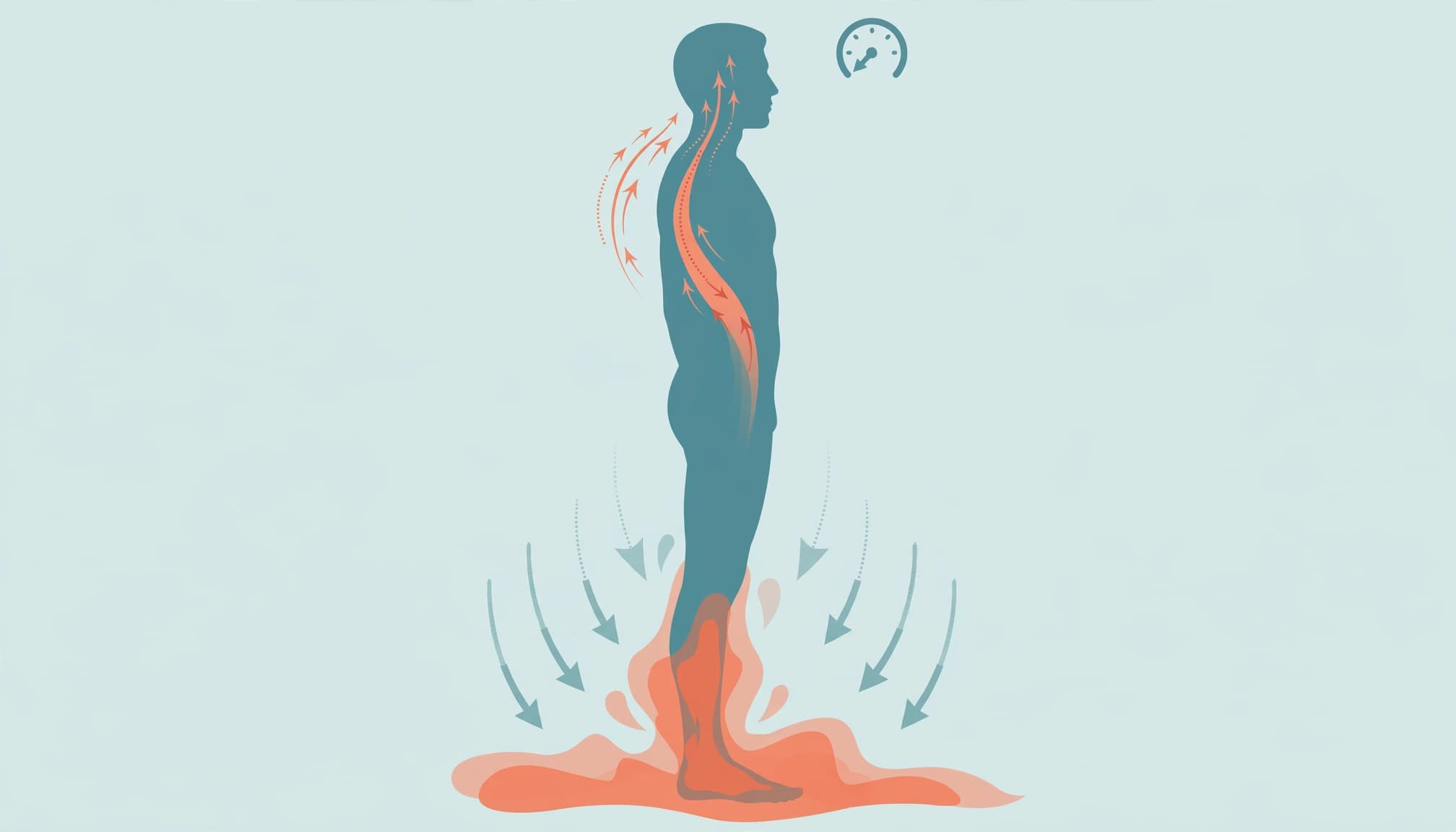
Standing pulls blood toward the legs and abdomen. Normally, pressure sensors trigger tighter blood vessels and a faster heartbeat to maintain circulation.
Blood pressure medicines can alter this response. Some relax arteries, others slow the heart, and diuretics reduce circulating fluid. If pressure falls faster than the body compensates, the brain briefly receives less blood. Lightheadedness, dimmed vision, or near-fainting can follow.
The American Heart Association's statement on orthostatic hypotension stresses assessment of symptoms, triggers, and medicines rather than automatically withdrawing hypertension treatment.
Other conditions can produce similar symptoms
Fluid loss after vomiting, diarrhea, or hot weather can make a previously tolerated dose harder to tolerate. Older age, diabetes-related nerve damage, anemia, and abnormal heart rhythms also matter.
Meanwhile, a spinning sensation, particularly with head movement, can suggest an inner ear disorder. Clinicians assess hydration and balance symptoms alongside blood pressure. The sensation alone doesn't establish the cause, and a medicine can contribute without being the only explanation.
Which blood pressure drugs can cause dizziness?
Different classes affect pressure through different mechanisms.
| Drug class | Examples | How dizziness can develop |
|---|---|---|
| ACE inhibitors | Lisinopril | Relax blood vessels and lower pressure |
| Diuretics, or water pills | Hydrochlorothiazide, furosemide | Remove fluid; excessive losses can reduce blood volume |
| Beta-blockers | Metoprolol, propranolol | Slow the heart and can limit compensation during standing |
| Calcium channel blockers | Amlodipine, nifedipine | Relax arteries and lower pressure |
| Angiotensin receptor blockers, or ARBs | Losartan | Reduce blood-vessel constriction |
These classes don't carry identical risks. Alpha-blockers and centrally acting medicines such as clonidine also deserve attention during a medication review.
Combination tablets contain more than one active ingredient. For example, ramipril and hydrochlorothiazide combine an ACE inhibitor with a diuretic.
MedlinePlus lists common blood pressure medicine side effects, including dizziness, cough, diarrhea or constipation, headache, and tiredness or weakness. Many are mild and may ease over time.
Lisinopril can cause a persistent dry cough. Amlodipine can cause ankle swelling because it widens small arteries more than veins, encouraging fluid to enter surrounding tissues. Sexual dysfunction can also occur during hypertension treatment, but its frequency varies by medicine; hypertension itself can affect sexual function.
What to do immediately and when to get help
Preventing a fall
- Sit or lie down as soon as lightheadedness starts. Walking to another room or using stairs increases fall risk.
- Remain supported until symptoms settle, then change position slowly. Driving should wait until dizziness has resolved.
- Record the episode and contact the prescriber if symptoms persist, recur, or interfere with normal activity.
Water may help when dehydration contributes, but people with heart failure, kidney disease, or fluid restrictions need individualized guidance. Extra salt isn't a routine remedy for someone receiving hypertension treatment.

Symptoms requiring urgent care
Dizziness with chest pain, severe headache, slurred speech, numbness, or new blurred vision requires emergency assessment. These symptoms can indicate stroke or another acute problem. When pressure is extremely high, they can indicate a hypertensive emergency. A home reading shouldn't delay emergency care.
Fainting, injury, severe persistent dizziness, or a very slow or irregular pulse also needs prompt assessment.
Do not stop taking medication abruptly without medical direction. Sudden withdrawal can cause blood pressure spikes, particularly with clonidine and some beta-blockers.
How to check blood pressure and review treatment
Home measurements that help explain symptoms
For someone who can stand safely, a clinician may recommend measuring pressure and pulse after lying down for five minutes, then again after standing for one and three minutes. Another person should remain nearby.
A fall of at least 20 mm Hg systolic or 10 mm Hg diastolic within three minutes meets the usual definition of orthostatic hypotension. Symptoms still deserve assessment even when readings don't meet that threshold.
A validated upper-arm monitor, correctly sized cuff, and arm supported near heart level improve accuracy. The log should include medicine times and symptoms. Someone already close to fainting shouldn't attempt a standing test.
What a prescriber or pharmacist reviews
Useful details include when symptoms began, recent dose changes, fluid losses, falls, and every prescription medicine, supplement, and over-the-counter product.
Your doctor or pharmacist should identify duplicate ingredients, particularly in combination tablets such as perindopril and amlodipine. Alcohol, nitrates, erectile dysfunction medicines, sedatives, and some prostate medicines can worsen low pressure or fall risk.
Clinicians may assess kidney function, sodium, potassium, and heart rhythm. Depending on the findings, they may reduce a dose, change timing, or switch drugs. Bedtime dosing isn't automatically safer because nighttime bathroom trips can expose patients to falls.
Why treatment still matters
Treating hypertension reduces cardiovascular risk. Lifestyle changes can support blood pressure control, but dizziness calls for reassessment rather than abandoning prescribed treatment.
In SPRINT, intensive treatment produced roughly another 15 to 16 mm Hg reduction in systolic pressure. The National Heart, Lung, and Blood Institute reports a 27% lower risk of death with the intensive strategy. The trial involved selected high-risk adults, and its targets aren't appropriate for everyone.
Dizziness also has consequences. A 2013 Calabria pharmacovigilance study found that vertigo or dizziness accounted for 5% of adverse-drug reports received in 2012. That wasn't a 5% incidence among patients.
The authors warned about under-reporting, falls, and fractures. They also cited broad estimates that dizziness or vertigo affects 20% to 30% of the population and occurs two to three times more often in women. Those figures don't describe the risk from a particular blood pressure medicine.
How to access blood pressure medicines affordably
Many established hypertension medicines have generic versions. However, a meaningful cost comparison uses the same ingredient, strength, formulation, and quantity. A different brand name doesn't necessarily mean a different medicine.
In the USA, insurance and dispensing arrangements affect the final price. UK and Australian subsidy systems make direct international comparisons more complicated. For online medicine home delivery, shipping charges belong in the total; the medicine delivery cost to USA addresses can change whether an overseas purchase saves money.
International sourcing also involves prescription and import rules. A pharmacy license in the supplying country doesn't automatically authorize personal importation elsewhere.
Our Online Pharmacy offers prescription support and pharmacist consultation. Refill arrangements should preserve the prescribed treatment rather than prompt unsupervised substitutions or skipped doses.
Frequently asked questions
How long does dizziness last after starting treatment?
Dizziness can begin with the first doses or during the first few weeks after starting or increasing treatment. Mild symptoms often improve as the body adjusts, but there's no reliable deadline. Persistent, worsening, or activity-limiting dizziness needs review rather than waiting for a particular number of days.
Can high blood pressure itself cause dizziness?
Most hypertension causes no symptoms, so dizziness isn't a reliable indicator of high pressure. Medication effects, dehydration, inner-ear disorders, and other illnesses often explain it. However, dizziness with neurological symptoms, chest pain, or severe headache needs emergency assessment, especially when a blood pressure reading is extremely high.
What happens after taking too much blood pressure medicine?
An extra dose can cause dangerously low pressure, a slow pulse, electrolyte disturbances, or delayed symptoms, depending on the drug. Immediate poison-center or urgent medical advice is appropriate even before symptoms appear. In the USA, Poison Control is available at 1-800-222-1222. Collapse, breathing difficulty, or unresponsiveness requires emergency services.
Is losartan an alternative when side effects occur?
Losartan is an ARB and is often better tolerated than an ACE inhibitor when persistent cough is the problem. However, it can still cause dizziness, kidney-function changes, or high potassium. Our losartan safety information describes these considerations. A prescriber must assess whether a switch suits the patient's other conditions.
Can exercise reduce the need for medication?
Regular exercise can lower blood pressure and support long-term cardiovascular health. However, it doesn't justify reducing medicine without reassessment. Exercise during active dizziness can increase fall risk, while dehydration can worsen symptoms. Any medication reduction depends on sustained readings, cardiovascular risk, and a clinician's review of the overall treatment plan.
Keeping blood pressure control tolerable
Dizziness on standing deserves attention because it can expose a treatable pressure drop and create a fall risk. The strongest approach combines symptom records, position-related readings, and a review of medicines and hydration.
This information is for educational purposes only. Consult a licensed healthcare provider for individual assessment and treatment decisions. Effective blood pressure treatment should protect long-term health without making ordinary movement unsafe.