
Blood Thinner Interactions: Painkillers and Supplements

Common painkillers and herbal supplements can interact with blood thinners. Depending on the medicines involved and the patient, these blood thinner interactions may increase bleeding or reduce protection against blood clots.
Ibuprofen, naproxen, aspirin, and certain supplements need review before use with a blood thinner. Acetaminophen is often considered instead, but it isn't interaction-free, particularly with warfarin.
The safest assessment starts with the active ingredient, the exact blood thinner, and the patient's medical history.
Table of Contents
- How blood thinner interactions affect treatment
- Pain relievers and cold medicines
- Supplements and herbal products
- Warfarin, vitamin K, and blood testing
- Bleeding warning signs
- Affordable access and prescription safety
- Key conclusions
- Frequently asked questions
Key Takeaways
- NSAIDs and aspirin can increase bleeding risk for people taking blood thinners, even when purchased without a prescription.
- Warfarin requires consistent vitamin K intake and INR monitoring; newer anticoagulants have different monitoring needs.
- Supplements and herbal supplements can increase bleeding or reduce anticoagulant exposure.
- Serious bleeding symptoms require urgent care, while medication changes require clinical guidance.
How Blood Thinner Interactions Affect Treatment
Anticoagulants help prevent blood clots and stop existing ones from growing, but they don't dissolve clots directly. The familiar term blood thinners can refer to medicines with different mechanisms.
Clinicians prescribe anticoagulants for conditions such as atrial fibrillation, deep vein thrombosis, and pulmonary embolism. Treatment reduces clot-related harm, but it also makes bleeding harder to stop.
Anticoagulants act on clotting proteins
Warfarin reduces the production of vitamin K-dependent clotting factors. Apixaban (Eliquis) and rivaroxaban (Xarelto) inhibit factor Xa, while dabigatran (Pradaxa) inhibits thrombin.
Because these medicines work differently, their interactions aren't interchangeable. A substance may increase bleeding through a separate effect or change how the body absorbs or clears the anticoagulant.
Antiplatelets add another consideration
Aspirin and clopidogrel are antiplatelet drugs that reduce platelet activity. They belong to a different drug class, although people often call them blood thinners too.
Some patients need an anticoagulant and an antiplatelet together. However, that combination requires a clear prescribing reason and monitoring. A pharmacist medication review can identify overlapping treatment, kidney concerns, and missing nonprescription products.
Pain Relievers and Cold Medicines: Which Ingredients Matter?
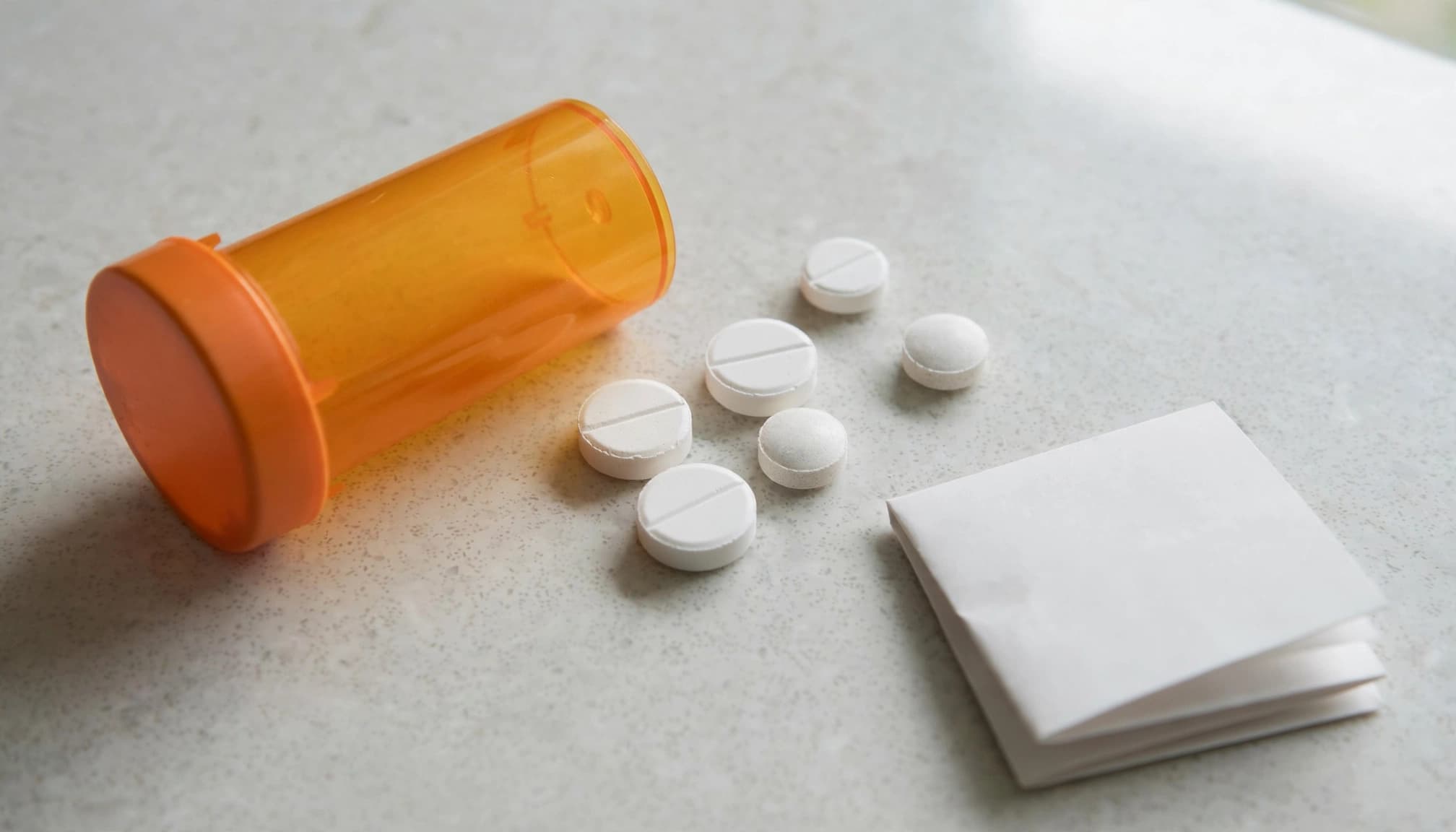
Brand names alone don't establish safety. Products sold under one brand may contain different ingredients, and combination remedies can duplicate something you've already taken.
Ibuprofen, naproxen, and aspirin
Ibuprofen (Advil, Motrin) and naproxen (Aleve) are nonsteroidal anti-inflammatory drugs, or NSAIDs. They can damage the stomach lining and affect platelet function, increasing bleeding risk during anticoagulant treatment.
Aspirin also inhibits platelets. It may be prescribed for specific cardiovascular reasons, including after a heart attack, so it matters during an interaction review. Don't start aspirin for pain or stop a prescribed dose without clinical guidance.
The FDA's Eliquis prescribing information identifies aspirin, antiplatelet agents, and chronic NSAID use as factors that increase bleeding risk. Don't assume an occasional NSAID dose is safe just because the label discusses chronic use.
Acetaminophen and combination remedies
Acetaminophen (Tylenol, also called paracetamol) is often considered instead of an NSAID. However, repeated use can affect warfarin control, so review the intended amount and duration with a healthcare provider.
Cold, flu, migraine, and nighttime products bought over the counter may contain aspirin, an NSAID, or acetaminophen. The OTC interaction-checking process starts with every active ingredient, not the package's symptom claims.
A clinician may also recommend non-drug treatment or a topical option. Topical NSAIDs aren't automatically free of interaction concerns.
Supplements and Herbal Products Need Ingredient-Level Review
"Natural" doesn't mean compatible with anticoagulants. Herbal supplements can affect clotting or drug metabolism, and combination formulas can be harder to assess.
The following distinctions matter when evaluating blood thinner interactions.
| Product or ingredient | Main concern | What needs review |
|---|---|---|
| Ginkgo biloba or garlic supplements | Potential bleeding-related interactions, including with warfarin | Exact product, amount, and other ingredients |
| St. John's wort | Can reduce apixaban exposure and interact with warfarin | Whether the combination must be avoided |
| Vitamin K-containing supplements | Can alter warfarin's anticoagulant effect | Starting, stopping, or changing the supplement |
| Multi-ingredient herbal formulas | The front label may omit interaction-relevant ingredients | The complete ingredient panel |
These products don't all cause the same problem. St. John's wort can reduce apixaban exposure, potentially weakening clot protection; the FDA advises avoiding that combination.
MedlinePlus's warfarin guidance identifies garlic, ginkgo, and St. John's wort as products to discuss with a clinician or pharmacist.
A real example is Microgenics Brahmi 7000 Plus, which combines bacopa, ginkgo, schisandra, and Korean ginseng. Its memory-support positioning doesn't remove the need for medication review.
Bottles or clear label photographs help clinicians assess the actual formulation. An accurate medication list should include vitamins, herbal capsules, oils, and products taken only occasionally. Fish oil shouldn't automatically be assigned the same risk as ginkgo; the exact formulation and clinical circumstances matter.
Warfarin, Vitamin K, and Blood Testing
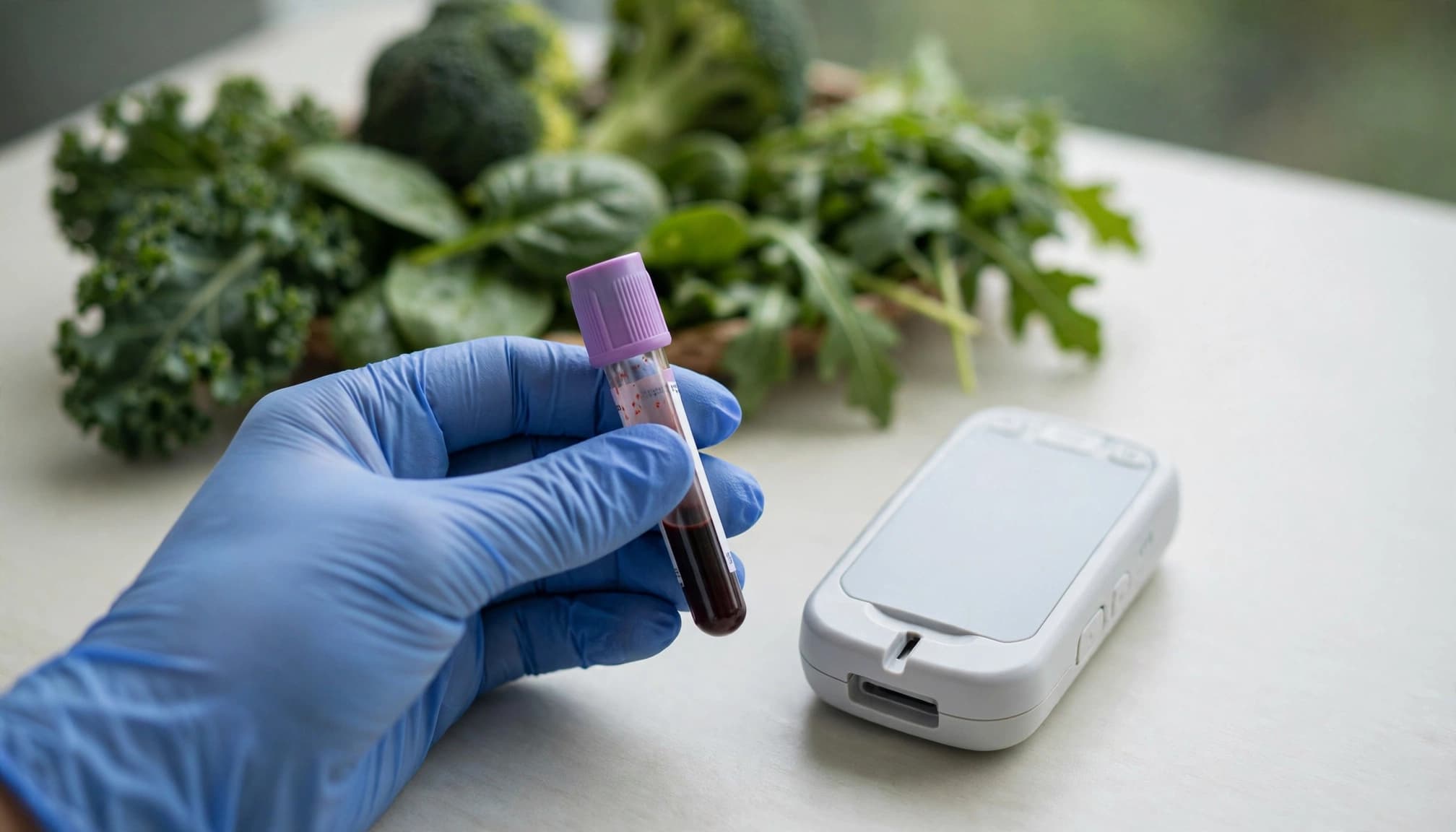
Warfarin (Coumadin) management depends on medication exposure and vitamin K intake. Direct oral anticoagulants (DOACs) don't require warfarin-style consistency in vitamin K intake.
Consistent intake matters more than eliminating greens
Green leafy vegetables and certain vegetable oils contain vitamin K. Because warfarin acts through this pathway, a major dietary change can alter its effect.
The practical goal is consistent intake, not broad dietary restrictions or avoiding healthy vegetables. MedlinePlus's warfarin instructions explain why food habits and treatment monitoring belong together.
Drug-food interactions can vary by anticoagulant, product, amount, and individual circumstances. Ask a pharmacist or prescriber about green tea, cranberry juice, or grapefruit juice. Evidence and relevance differ, and these foods and drinks aren't a concern for everyone.
Travel and restaurant meals matter when they substantially change your usual pattern. A temporary shift toward daily large salads, for example, deserves discussion with the anticoagulation team. So does starting a multivitamin containing vitamin K.
INR testing measures warfarin's effect
The international normalized ratio (INR) helps clinicians determine whether warfarin's effect is within the prescribed range. An INR above that range can indicate increased bleeding risk; a low INR can mean inadequate clot protection.
Regular blood tests help monitor warfarin treatment. Testing frequency depends on stability, illness, and treatment changes. Starting or stopping another medicine may require additional checks.
DOACs don't need routine INR testing, but they still need follow-up. Kidney function, blood counts, and sometimes liver function affect treatment safety. Fewer INR appointments don't mean fewer blood thinner interactions.
Bleeding Warning Signs That Require Urgent Attention
Some bruising may be a treatment side effect, but new or increasing bleeding needs assessment. Internal bleeding can occur without an obvious wound.
Seek emergency care for serious bleeding or symptoms such as:
- Vomiting blood, coughing up blood, or passing black, tarry stools.
- Bleeding that won't stop, or heavy bleeding with weakness or fainting.
- A sudden severe headache, confusion, difficulty speaking, or weakness on one side, which may signal a stroke or another emergency.
- A significant head injury, even when visible bleeding is absent.
Red or brown urine, recurring nosebleeds, bleeding gums, and unusual bruising also require prompt clinical contact. The urgency depends on the amount, persistence, and accompanying symptoms.
Mayo Clinic's warfarin safety guidance describes bleeding concerns alongside medication interactions.
Anticoagulants shouldn't be stopped independently after a suspected interaction. Abrupt interruption can increase the risk of blood clots. During a bleeding emergency, the treating team determines whether to withhold treatment, reverse its effect, or provide other care.
How to Access Anticoagulants Affordably and Safely
Cost affects treatment continuity. Generic warfarin often costs less to purchase than branded DOACs, but blood tests, appointments, and travel add to its total cost.
However, the cheaper medicine isn't automatically the appropriate medicine. The prescribing indication, kidney function, bleeding history, and ability to attend monitoring determine suitability. A price-driven switch still requires a clinician's plan.
Compare the complete treatment cost
USA, UK, and Australia pricing comparisons need the same medicine, strength, pack size, and coverage assumptions. A cash price and an insured copayment aren't equivalent comparisons.
For online medicine home delivery, shipping charges and delivery time also matter. There isn't one universal medicine delivery cost to the USA. Global sourcing may change the purchase price, but it doesn't establish local approval or permission to import.
Prescription review remains essential
An Online Pharmacy should require a valid prescription for prescription medicine and provide access to qualified pharmacy support. Website claims alone don't prove regulatory authorization or product authenticity.
Waldrugmart's prescription and refill FAQs describe its prescription-verification requirements. Those requirements don't replace the patient's ongoing clinical monitoring or destination-country import rules.
Refill planning is particularly important for anticoagulants because a delayed shipment can interrupt protection against clots.
Key Conclusions
Blood thinner interactions depend on the anticoagulant, the added ingredient, and the patient's health. A familiar painkiller or supplement can introduce a different risk than its packaging suggests.
The strongest safeguard is complete medication review, supported by appropriate monitoring and clear bleeding guidance.
This information is for educational purposes only and doesn't replace individualized care. Consult a licensed healthcare provider before starting, stopping, or changing medicines or supplements.
Frequently Asked Questions
Which pain relievers are usually avoided with blood thinners?
Ibuprofen, naproxen, and aspirin can increase bleeding risk and shouldn't be added without approval from the treating clinician. Acetaminophen is often considered instead, but repeated use can affect warfarin control. Ask a pharmacist or prescriber to review the exact pain-relief ingredient and intended duration. Mention any supplements you take. The appropriate choice depends on the anticoagulant and your medical history.
Can people taking warfarin eat leafy green vegetables?
Yes. Warfarin treatment generally requires consistent vitamin K intake rather than eliminating leafy green vegetables. Large changes in food habits can alter the medicine's effect. The anticoagulation team can assess a planned dietary change and decide whether additional INR testing or a dose adjustment is needed.
Which herbal supplements interact with anticoagulants?
Ginkgo, garlic supplements, and St. John's wort require review for interactions with anticoagulants, particularly warfarin. St. John's wort can also reduce apixaban exposure, and FDA labeling advises avoiding that combination. Multi-ingredient products need a full label check because their names may not reveal every herb or vitamin they contain.
Do Eliquis and Xarelto need regular INR tests?
Apixaban and rivaroxaban don't require routine INR testing like warfarin. However, treatment still needs clinical follow-up and laboratory assessment, including kidney function and blood counts. Changes in health, other medicines, or bleeding symptoms may prompt additional testing. Lack of INR monitoring doesn't establish that a combination is safe.
Is buying anticoagulants online safe?
Safety depends on the pharmacy's authorization, prescription requirements, product authenticity, and clinical oversight. A legitimate ordering process doesn't remove interaction risks or replace monitoring. International purchases also require attention to destination-country rules and delivery reliability. Treatment shouldn't be changed or interrupted solely because an online price appears lower.