
Can Cold and Flu Medicines Raise Blood Pressure?
Written by: Waldrugmart Editorial Team
Reviewed by: Navdeep Singh, B.Pharm — Registered Pharmacist
Last reviewed:
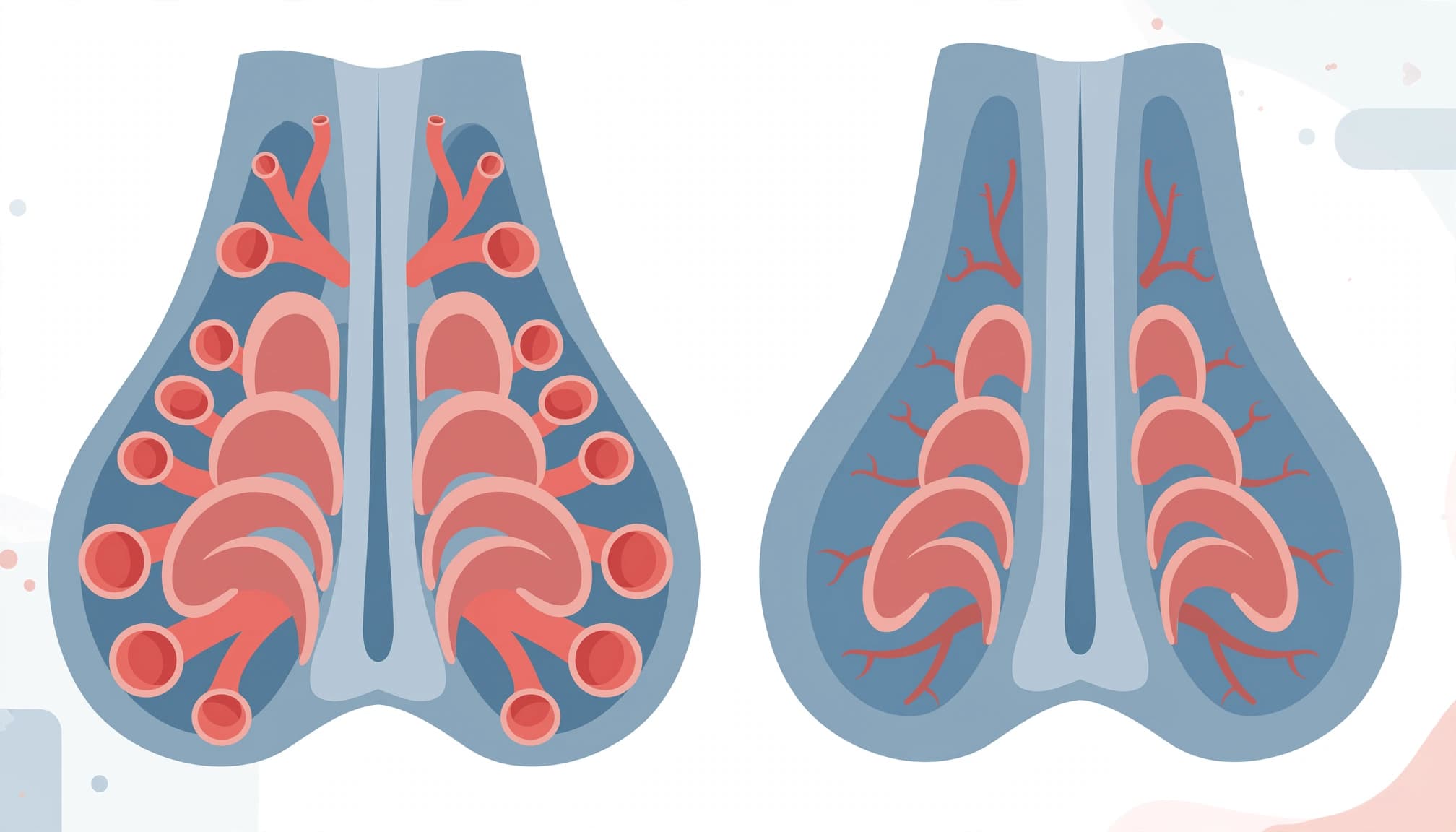
Yes. Some cold and flu medicines raise blood pressure, particularly those with vessel-constricting ingredients or nonsteroidal anti-inflammatory drugs (NSAIDs). People with severe or uncontrolled hypertension shouldn't take vessel-constricting medicines; controlled blood pressure still warrants a medication review.
The active ingredients determine a product's blood pressure risk, whether it's a cold or flu medicine. "Nighttime," "non-drowsy" and "HBP" labels don't replace an ingredient check.
Single-ingredient treatments often make symptom relief simpler and reduce unnecessary drug exposure. The main distinctions are between medicines that narrow blood vessels, medicines that affect kidney function, and alternatives with fewer cardiovascular concerns.
Table of Contents
- Key takeaways
- How cold medicine affects blood pressure
- Ingredients that need caution
- Reading the medicine label
- Safer OTC alternatives
- Relief without additional medicines
- When blood pressure rises
- Affordable access
- Frequently asked questions
- The bottom line
Key Takeaways
- Vessel-constricting ingredients in decongestants can raise blood pressure and counteract blood pressure treatment.
- Ibuprofen and naproxen can cause fluid retention, worsen kidney function and reduce the effectiveness of some blood pressure medicines.
- Single-ingredient fever or pain relief, saline spray and selected decongestant-free cough medicines are often more suitable, but individual risks still matter.
- Very high readings require prompt assessment. Chest pain, breathlessness or stroke symptoms require emergency care.
How Cold Medicine Affects Blood Pressure
CDC surveillance from August 2021 through August 2023 found that 44.5% of U.S. adults had high blood pressure, approximately 45%. OTC medicine interactions therefore affect a substantial patient population.
Decongestants narrow blood vessels
Decongestants stimulate receptors that constrict blood vessels. In the nose, this reduces swollen tissue. Effects elsewhere can increase resistance to blood flow and raise blood pressure or heart rate.
The American Heart Association's cold medicine guidance advises people with uncontrolled blood pressure or heart disease to avoid oral decongestants.
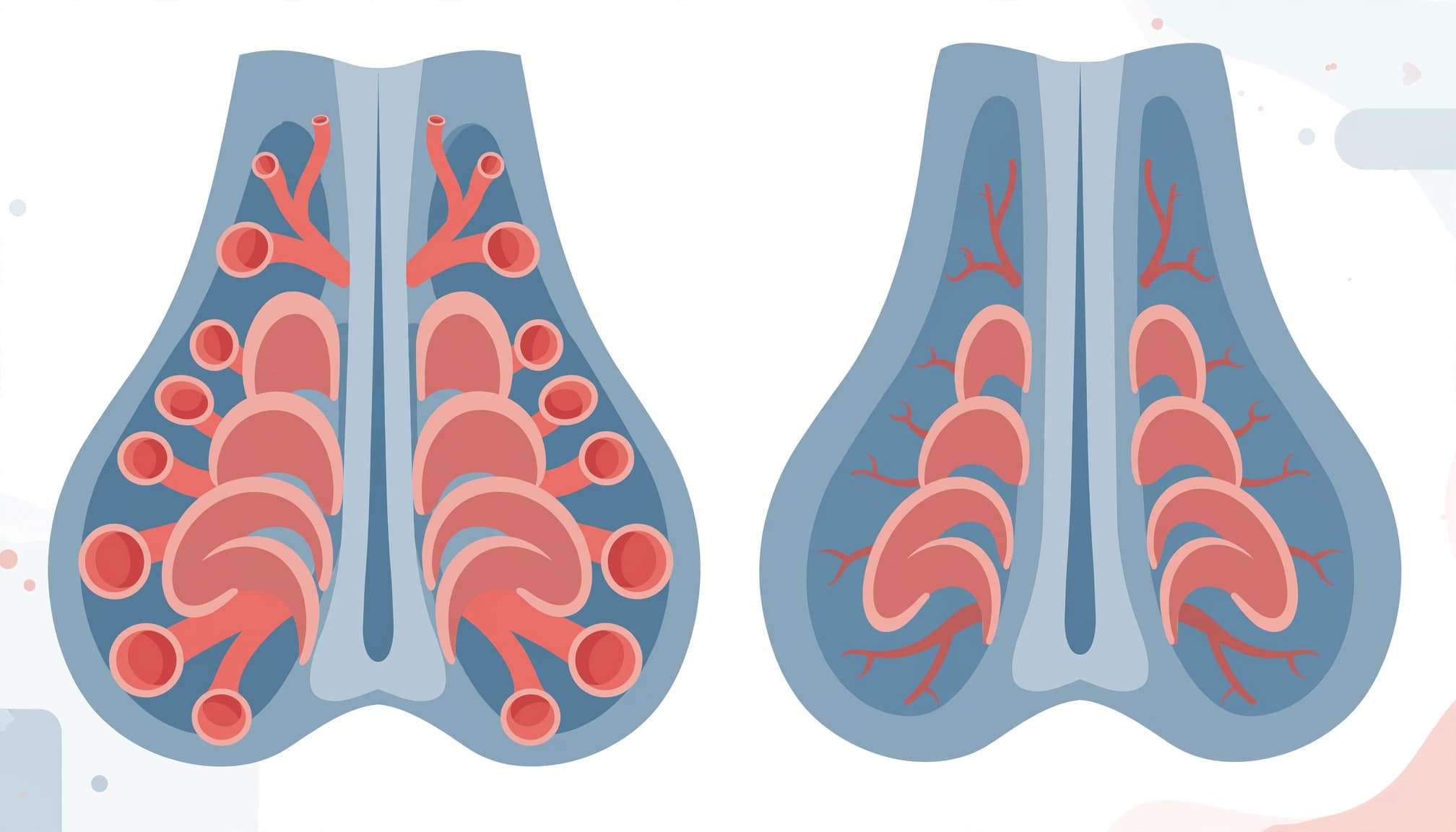
NSAIDs affect fluid balance and treatment
These NSAIDs inhibit cyclooxygenase enzymes, reducing prostaglandins involved in pain and inflammation. Kidney prostaglandins also help regulate blood flow and sodium handling.
As a result, NSAIDs can cause sodium and water retention. They can weaken the effects of blood pressure medication, including ACE inhibitors, angiotensin receptor blockers (ARBs) and diuretics. Combining an NSAID with an ACE inhibitor or ARB plus a diuretic also increases acute kidney injury risk, especially during dehydration.
Decongestants can also oppose blood pressure treatment through vessel constriction. The AHA identifies both raised pressure and medication interference as concerns.
Ingredients That Need Caution
The main ingredient groups warrant different precautions:
- Pseudoephedrine, ephedrine and phenylephrine are sympathomimetic agents. They need particular caution with hypertension and should be avoided with severe or uncontrolled blood pressure.
- Naphazoline and oxymetazoline are topical nasal agents. Nasal administration doesn't eliminate cardiovascular warnings. Prolonged use can also cause rebound congestion.
- Ibuprofen (Advil, Motrin IB) and naproxen sodium (Aleve) are NSAIDs. They may increase blood pressure, fluid retention and cardiovascular risk, particularly with kidney disease or heart failure.
Combination products can contain both risk groups. Our Nurofen Cold and Flu PE information lists ibuprofen and phenylephrine together.
A product's availability without a prescription doesn't establish suitability for someone taking blood pressure treatment.
Reading the Medicine Label
For an over-the-counter product, the Drug Facts panel lists active ingredients and their purposes, followed by warnings and directions. Reading it before choosing a brand helps distinguish a cough treatment from a combination that contains a decongestant.
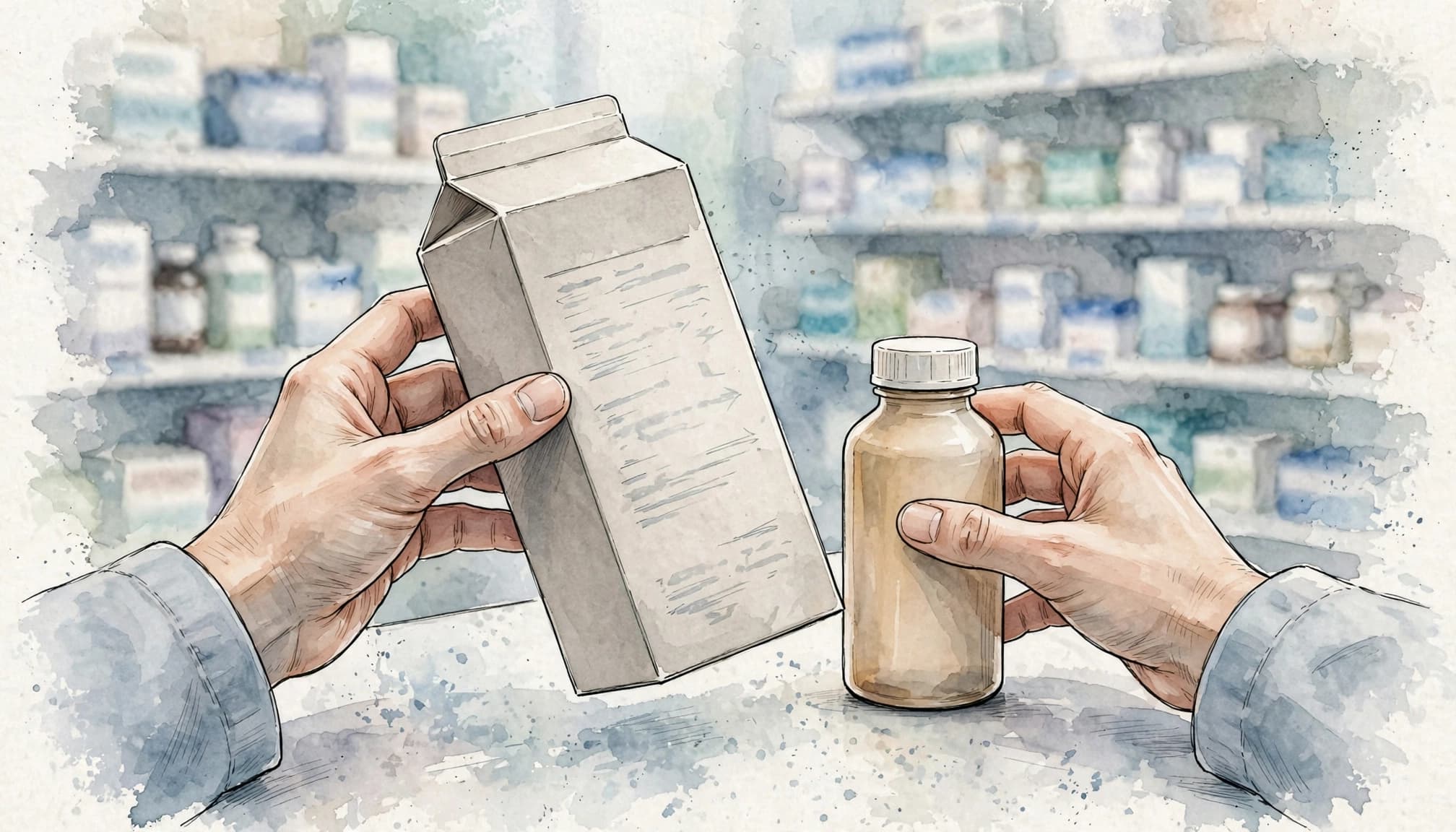
Product names provide incomplete clues
The letter "D" often indicates a decongestant, as in Claritin-D, Zyrtec-D and Mucinex D. Products without that letter can still contain one. Ingredient names may include salt forms such as "pseudoephedrine hydrochloride" or "phenylephrine hydrochloride."
For example, our Codral PE ingredient information lists paracetamol with phenylephrine. Paracetamol is another name for this ingredient, and the combination adds a decongestant.
"HBP" generally identifies formulations without a decongestant. Coricidin HBP products still contain medicines with their own precautions, and formulations differ.
Daytime, nighttime and sodium need separate attention
Nighttime formulas often add sedating antihistamines such as diphenhydramine or chlorpheniramine. These can cause confusion, dry mouth and falls, especially in older adults. The FDA warns about impaired driving with some cold and allergy medicines.
Nighttime products may also contain a decongestant. Review each formula separately.
Sodium matters too, particularly in effervescent or soluble preparations. Duplicate doses are another concern when a cold remedy and a separate painkiller contain acetaminophen.
Safer OTC Alternatives
Treatment works best when it matches the symptom rather than a broad "cold and flu" label.
These options generally avoid the main decongestant concerns.
| Symptom | Often more suitable option | Important limitation |
|---|---|---|
| Fever, headache or body aches | Single-ingredient acetaminophen | Liver toxicity with excessive dosing |
| Dry, troublesome cough | Dextromethorphan | Interaction and overdose risks |
| Chest mucus | Guaifenesin | May help loosen mucus; benefit varies |
| Stuffy nose or nasal congestion | Saline nasal spray | Doesn't contain a vessel-constricting drug |
| Sore throat | Warm drinks or salt-water gargling | Gargling solution should be spat out |
These are alternatives, not universally safe choices. Kidney or liver disease, pregnancy and other medicines can change suitability.
Pain relief requires more than an NSAID substitution
Acetaminophen (Tylenol) is often preferred for short-term fever or pain in people with elevated blood pressure. However, regular high-dose use can also raise blood pressure, and excess dosing can damage the liver.
Aspirin is itself an NSAID, so it isn't a blanket replacement for ibuprofen or naproxen. Analgesic-dose aspirin can cause bleeding and gastrointestinal harm. It requires individualized advice, particularly with anticoagulants or ulcer history. Children and teenagers with viral illness shouldn't receive aspirin unless prescribed.
Cough treatments have their own interactions
A cough medicine can address cough without a decongestant. Dextromethorphan suppresses cough; guaifenesin helps loosen chest mucus.
However, excessive dextromethorphan can cause serious poisoning. It also interacts with monoamine oxidase inhibitors and some antidepressants. Decongestant-free products still require label-directed dosing and medication review.
Relief Without Additional Medicines
Saline nasal spray can ease stuffiness without the blood-vessel effects of medicated decongestant sprays. Warm salt-water gargles or warm water with lemon and honey may soothe a sore throat. Honey isn't suitable for infants younger than 12 months.

A clean cool-mist humidifier can reduce dryness and ease coughing. Unlike hot-steam vaporizers, it avoids scalding risk. Regular cleaning prevents microbial growth.
Rest and adequate fluids also help, although patients with heart failure or prescribed fluid restrictions should stay within their treatment plan.
These measures relieve symptoms; they don't treat influenza itself. People at higher risk of complications may need early assessment for prescription antiviral treatment.
When Blood Pressure Rises
An accidental decongestant dose doesn't automatically cause an emergency. However, further doses should wait for professional advice if blood pressure rises or palpitations occur.
The product name, ingredients, amount and time taken help a clinician or pharmacist assess risk. A suspected overdose needs urgent poison-center advice, even before symptoms appear.
Severe readings require prompt assessment
For systolic pressure above 180 mm Hg or diastolic pressure above 120 mm Hg, accompanying symptoms determine the immediate response.
Chest pain, shortness of breath, weakness, difficulty speaking or vision changes require emergency services. There should be no delay for another measurement.
Without those symptoms, the reading should be repeated after at least one minute. If it remains that high, immediate contact with a healthcare professional is necessary. Extra blood pressure tablets shouldn't be taken without instructions.
Worsening illness also needs attention
Symptoms that worsen or last more than 10 days need clinical review. Improvement followed by renewed fever or worsening cough also warrants assessment.
People receiving chemotherapy, transplant medicines or other immunosuppressants need earlier advice about fever or infection. Routine OTC treatment shouldn't delay that assessment.
Usual prescription medicine shouldn't be stopped or increased independently because of a cold remedy reaction.
Affordable Access to Appropriate Cold Remedies
Generic single-ingredient products often avoid the cost of treating symptoms that aren't present. Comparisons should use the same active ingredient, strength and pack size rather than brand names alone.
Local generic OTC products may cost less than internationally shipped medicines once delivery charges are included. Prices and prescription status differ across the USA, Australia and UK. Global sourcing doesn't establish that a product is cheaper or suitable.
For online medicine home delivery, the relevant total includes the medicine price, shipping and any applicable import charges. There's no universal medicine delivery cost to the USA.
Our Online Pharmacy offers OTC products and prescription review. Our pharmacist consultation service accepts medication questions for individualized review. Prescription medicines require compliance with applicable dispensing requirements.
This information is for educational purposes only. Consult a licensed healthcare provider for advice about personal treatment.
Frequently Asked Questions
Which cold and flu products are less likely to affect high blood pressure?
Single-ingredient pain or fever relief for brief symptoms, saline nasal spray, and selected decongestant-free cough medicines are often reasonable options. The choice depends on other medicines and health conditions. "HBP" products still need review because cough suppressants and antihistamines can have interactions and side effects.
How serious is a blood pressure reading over 200?
A systolic reading over 200 mm Hg is severely elevated. Chest pain, breathlessness, weakness, speech difficulty, or vision changes require emergency services immediately. Without symptoms, repeat the reading after at least one minute. If it remains severely elevated, contact a healthcare professional immediately.
Can Vicks lower blood pressure?
Vicks vapor rub doesn't treat high blood pressure. Its menthol scent may change the sensation of nasal airflow, but it doesn't replace high blood pressure treatment. Vicks-branded products contain different ingredients, so the brand name alone can't establish whether a particular Vicks formulation is suitable.
Can blood pressure be lowered immediately at home?
There isn't a reliable home remedy for dangerously high blood pressure. Resting may reduce a temporary stress-related rise, but severe readings require assessment. Taking extra blood pressure tablets without instructions can cause a dangerous drop later. Symptoms suggesting a heart attack or stroke require emergency services.
Are ibuprofen and naproxen safe for a short cold?
Short treatment doesn't eliminate risk. Either medicine can cause fluid retention, reduce kidney blood flow, and interfere with some high blood pressure treatments. Risk increases with dehydration, kidney disease, or heart failure. Naproxen also increases bleeding risk with anticoagulants, antiplatelet medicines, and some antidepressants.
The Bottom Line
Cold and flu remedies can raise blood pressure by constricting blood vessels, causing fluid retention, or interfering with established treatment. Ingredient selection matters more than brand names or an HBP claim.
Targeted symptom relief can reduce unnecessary medicine exposure. For people with hypertension, the safest choice depends on their full medication list, existing organ disease, and how well their blood pressure is controlled.