
Candida auris Deadly Fungus Outbreak: 2026 Update

A Candida auris deadly fungus outbreak is a serious healthcare concern, but it is not a general community outbreak for most healthy people. This drug-resistant fungus spreads mainly in hospitals and long-term care facilities, where patients often have complex medical needs.
In 2026, the United States continues to report active cases, while Australian health agencies are emphasizing rapid reporting and infection control. Case totals change as health departments update their data.
Short answer: Candida auris can cause dangerous infections, especially in medically vulnerable people. However, its highest risk remains concentrated in healthcare settings, not everyday community contact.
This information is for educational purposes only and isn't a diagnosis or treatment plan. Consult a licensed healthcare professional for symptoms, exposure concerns, or treatment questions.
Table of Contents
- What the 2026 case data shows
- Why C. auris can become dangerous
- Symptoms, testing, and treatment
- Reducing spread in hospitals and care homes
- Final thoughts
Key Takeaways
- C. auris is a drug-resistant fungus that spreads most often in healthcare facilities.
- A positive screening test can mean colonization, not an active infection.
- U.S. reporting showed thousands of clinical cases in 2026, with California, Texas, and Tennessee among states with higher counts.
- Healthy people outside healthcare settings usually face much lower risk.
- Treatment requires clinician-guided testing, antifungal susceptibility results, and careful monitoring.
What the Candida auris Deadly Fungus Outbreak 2026 Data Shows
The phrase Candida auris deadly fungus outbreak can make every reported case sound like a severe infection. The data is more complicated. Health departments count both clinical cases, where a patient has an infection, and screening cases, where the fungus is detected on the skin or body without symptoms.
Screening matters because colonized patients can still spread C. auris in a facility. Still, colonization alone does not mean a person is critically ill.
The United States is still tracking active transmission in healthcare settings
CDC-based reporting identified 3,437 U.S. clinical cases across 27 states by the week ending July 25, 2026. California, Texas, and Tennessee reported some of the highest totals. A July 2026 case update reported 873 cases in California, 433 in Texas, and 283 in Tennessee at that point.
An earlier July snapshot listed 3,302 clinical cases and 3,130 screening cases. That clinical number was lower than the 4,102 clinical cases reported at the same point in 2025. A lower year-to-date total doesn't mean facilities can relax their precautions. Reporting delays, testing volume, facility screening, and local outbreaks can all affect the numbers.
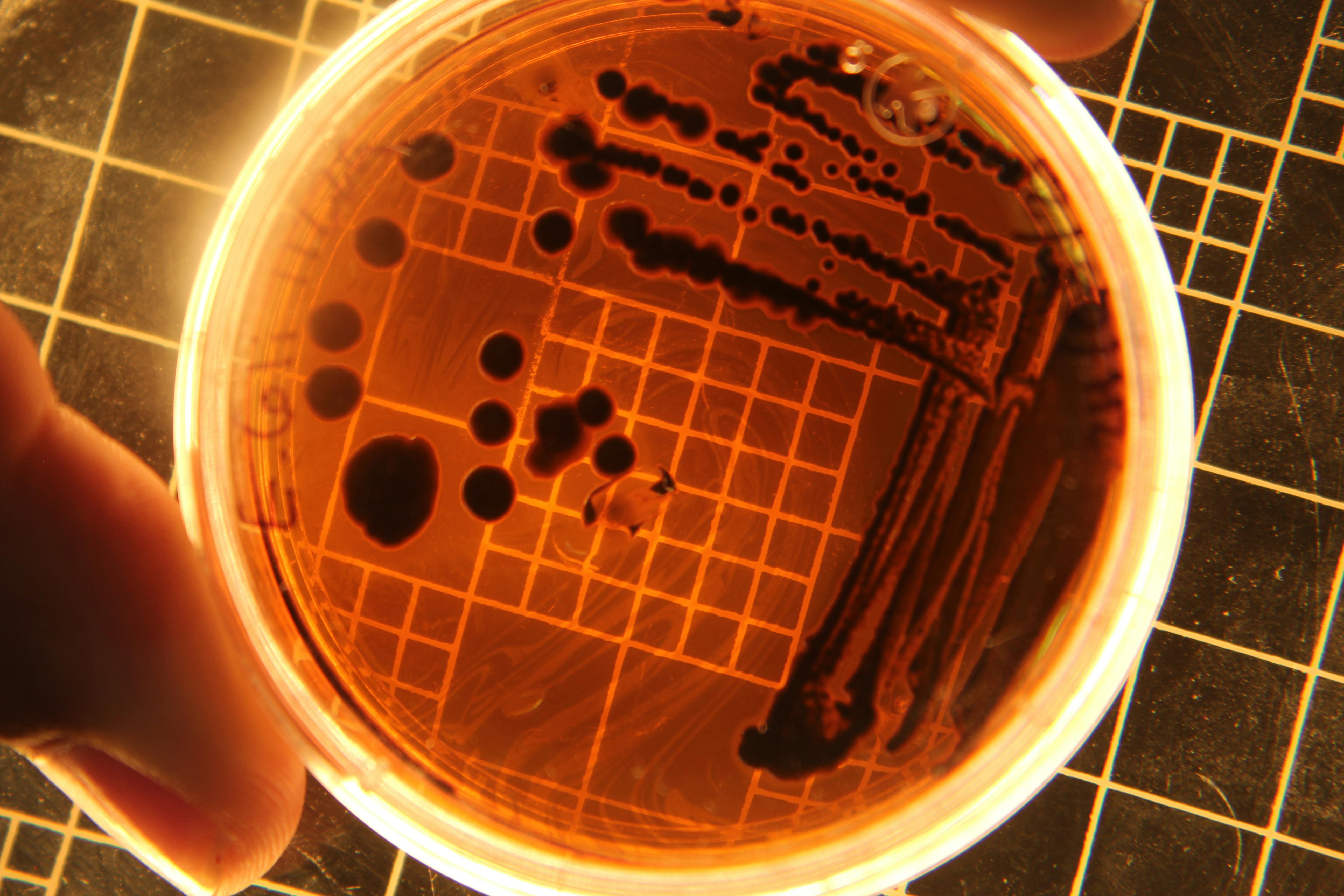
Patients and caregivers should use current CDC and state health department dashboards when following local activity. National totals are useful, but exposure risk often depends on a person's hospital, rehabilitation facility, or nursing home.
Australia is focused on surveillance and rapid control
Available 2026 information does not show a large Australia-wide surge. Instead, health authorities in Victoria, New South Wales, Queensland, and Western Australia are treating C. auris as a high-priority infection-control issue.
Overseas hospitalization or transfer from an overseas medical facility remains an important risk factor. Earlier Australian cases frequently involved prior healthcare exposure abroad, as described in the CDC's report on C. auris incursions into Australia.
Victoria classifies C. auris as an urgent notifiable condition. It treats each identified case in a health service or long-term care setting as an outbreak requiring action. Queensland requests notification of isolates, while Western Australia uses laboratory notification and specialist testing through PathWest.
Why Candida auris Can Become a Serious and Deadly Infection
Candida auris, often shortened to C. auris, is a yeast that can live on a person's skin without causing illness. This is called colonization. Problems arise when it enters the bloodstream, wounds, urinary tract, or other vulnerable sites.
Invasive infection can be difficult to treat because many isolates resist common antifungal medicines. Some bloodstream infection studies have reported crude mortality rates of 30% to 60%. Those figures need context. Many affected patients are already critically ill, have serious chronic diseases, or need intensive care. Outcomes also depend on early diagnosis, drug susceptibility, source control, and access to specialist treatment.
Who faces the greatest risk of severe illness
The greatest risk is among people with substantial healthcare exposure. This includes patients who have spent long periods in hospitals or long-term care facilities.
Risk rises with:
- Intensive care treatment, mechanical ventilation, or central venous lines.
- Recent surgery, open wounds, or invasive medical devices.
- Weakened immune systems, advanced chronic illness, or repeated antibiotic and antifungal use.
- Transfer from a facility with known C. auris transmission.
Healthy people in the community usually have much lower risk. However, healthcare workers must follow hand hygiene and protective equipment rules because they can carry organisms between vulnerable patients.
How the fungus spreads and why it is hard to remove
C. auris can spread through contaminated hands, shared medical equipment, room surfaces, and close contact in healthcare environments. It can persist on surfaces longer than many people expect, so ordinary cleaning routines may not be enough.
Some routine laboratory methods may also mistake C. auris for another Candida species. That delay can allow silent spread. Facilities screen close contacts and patients transferred from higher-risk settings because finding colonization early gives infection-control teams time to separate patients, clean thoroughly, and monitor contacts.
Symptoms, Testing, and Treatment for Candida auris
C. auris does not cause one predictable set of symptoms. A hospitalized person with an invasive infection may develop fever, chills, fatigue, wound drainage, redness, or bloodstream infection signs that don't improve with standard treatment.
These symptoms overlap with many other conditions. People should not try to identify C. auris from symptoms alone. Clinicians decide when to order testing based on a patient's illness, medical devices, healthcare history, and potential exposure.
Testing is essential because resistance varies
Laboratories may need specialized identification methods and antifungal susceptibility testing. In Australia, suspected or confirmed isolates may go to reference laboratories such as Victoria's VIDRL or Western Australia's PathWest under local protocols.
Fluconazole resistance is common. Resistance to amphotericin B and echinocandins can also occur, although patterns vary among isolates. Susceptibility testing helps clinicians choose a medicine with the best chance of working.
A colonization result can change hospital precautions even when the patient has no symptoms and does not need antifungal treatment.
Treatment depends on the infection site and resistance results
Echinocandins are antifungal medicines that weaken the fungal cell wall by blocking beta-1,3-D-glucan production. Specialist guidance commonly lists them as first-line therapy for many adults and children at least two months old with C. auris infection.
Treatment differs for newborns, infants, resistant strains, central nervous system infections, and patients with organ impairment. Infectious disease specialists review culture results, kidney and liver function, other medicines, and the infection site before selecting therapy.
These drugs are prescription-only and often administered in hospital. They are not appropriate for self-treatment or preventive use. Patients managing other ongoing prescriptions should also tell their care team about every medication and supplement. For people who need continuity for regular prescriptions, an Online Pharmacy can help with routine medicine access, but it cannot replace urgent hospital evaluation for a suspected infection.
How Hospitals and Families Can Reduce Candida auris Spread
Healthcare facilities can reduce transmission with single-room placement when possible, Standard and Contact Precautions, dedicated equipment, and disinfectants proven to work against C. auris. Staff may also screen roommates, close contacts, and patients transferred from facilities with known cases.
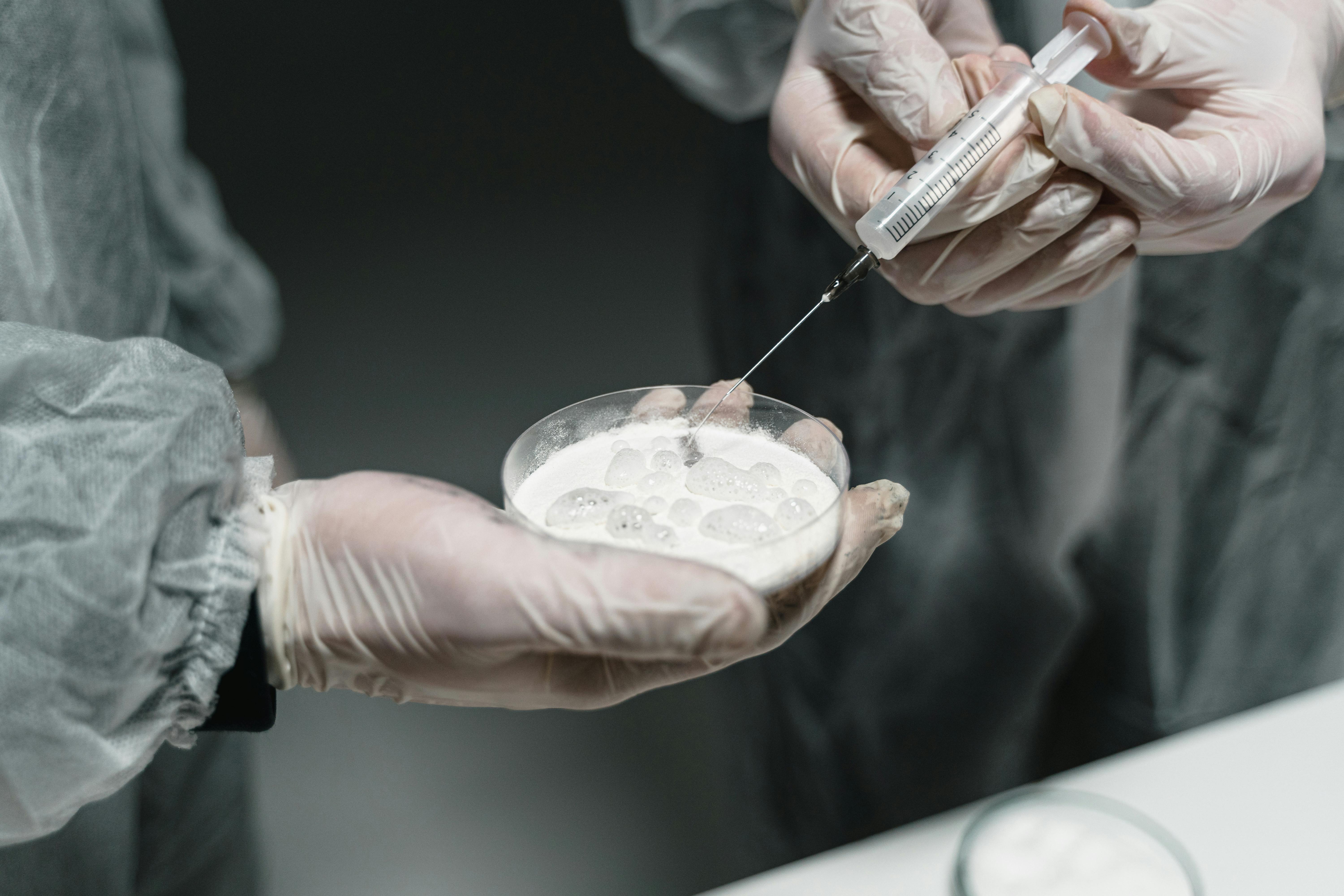
Patients and caregivers should tell the care team about recent hospitalization abroad, transfers between nursing facilities, or a prior C. auris result. This history can prompt screening before an organism spreads unnoticed.
What patients should do if they are told they carry C. auris
A positive result may mean colonization rather than infection. Even so, it remains important for future care. Follow the facility's instructions, practice regular hand hygiene, avoid sharing personal items, and attend any recommended follow-up visits.
Tell future hospitals, clinics, dialysis units, and long-term care facilities about the result. Seek urgent medical care for severe illness, confusion, breathing difficulty, fainting, or rapidly worsening symptoms.
How public health teams monitor outbreaks in 2026
Public health teams use case notification, laboratory confirmation, contact tracing, facility screening, resistance surveillance, and molecular typing. These steps help identify whether infections are connected and whether resistant strains are moving between facilities.
Official updates from CDC, state health departments, the Victorian Department of Health, NSW Health, Queensland Health, WA Health, and the Australian Commission on Safety and Quality in Health Care are more reliable than social media claims. If you need help understanding prescription documentation or pharmacy processes for unrelated long-term medicines, review the guide to ordering prescription medications.
Final Thoughts
C. auris remains a serious healthcare-associated threat because it can spread without symptoms and resist commonly used antifungal drugs. Yet the highest danger is concentrated among medically vulnerable patients and the facilities caring for them.
U.S. case activity in 2026 requires close tracking, while Australia's response remains centered on surveillance, rapid reporting, and outbreak control. Candida auris awareness should lead to practical precautions, not panic.
People with symptoms, exposure concerns, or treatment questions should contact a licensed healthcare provider.