
Creatine for Women: Benefits, Dosage, and Safety

Strength gains aren't the only reason women use creatine. Creatine for women can support high-intensity exercise, strength training progress, and lean-mass maintenance, particularly when paired with regular resistance training.
For most healthy adult women, creatine monohydrate is a well-studied dietary supplement. Still, your health history, medicines, pregnancy status, and goals should shape your decision.
Short answer: Yes. Women can generally take 3 to 5 grams of creatine daily. The clearest benefits are improved strength and exercise performance, while possible benefits for cognition and healthy aging need more research.
Table of Contents
- Can women take creatine?
- How creatine supports energy production
- Benefits across life stages
- Dosage and loading
- Side effects and safety
- Choosing a product and comparing cost
- Final thoughts
Key Takeaways
- Creatine monohydrate has the strongest evidence for supporting strength and training performance.
- A daily dose of 3 to 5 grams works for most women without a loading phase.
- Scale weight may rise as muscles store more water, not because creatine adds body fat.
- Kidney disease, pregnancy, breastfeeding, and prescription medicines call for clinician guidance.
Can Women Take Creatine? A Direct Answer
Yes. Creatine isn't a hormone, steroid, or prescription medicine. It's a compound your body makes from amino acids, and you also get small amounts from meat and seafood.
Your muscles store most creatine as phosphocreatine. During short, demanding activity, phosphocreatine helps regenerate adenosine triphosphate, or ATP, the immediate energy source for muscle contraction. This can support repeated lifting sets, sprints, and other high-effort work.
A women's health lifespan review found that creatine supplementation is generally well tolerated in women. It's most useful as support for training and nutrition, not a substitute for sleep, protein, medical care, or an exercise program.
How Creatine Supports Energy Production
Baseline stores and food patterns
Creatine stores in skeletal muscle reflect muscle mass, diet, and individual biology. Women following a plant-based diet may have lower dietary creatine intake.
Lower starting stores can leave more room for improvement, although no test can guarantee a response. Consistent intake matters more than taking a large scoop occasionally.
Perimenopause and Menopause: Muscle Changes
Estrogen decline during these life stages can affect strength, lean tissue, and bone health. Creatine does not replace hormone therapy, calcium, vitamin D, protein, or resistance training.
However, recent studies in postmenopausal women show small improvements in lean mass and strength when creatine is combined with regular resistance training. Creatine may complement this approach for age-related sarcopenia, but it isn't a standalone treatment.
Bone mineral density results remain inconsistent, so creatine should not be treated as an osteoporosis therapy.
A balanced supplement routine can also address nutrient gaps. For example, a women's 65+ multivitamin may suit someone who needs broader vitamin and mineral support, though it does not replace a varied diet.
Benefits Across Life Stages
Stronger training performance and lean mass support
Creatine has its strongest evidence in resistance training. It may improve physical performance by helping you complete more quality repetitions. This can support progressive overload and exercise recovery over time.
The strongest health benefits come from training support; other claims are less established. Creatine doesn't build muscle without training, and results still depend on adequate protein, enough sleep, and a structured program.
Brain energy and mental fatigue
Brain health is an emerging area of creatine research. Some studies suggest supplementation may support cognitive function during sleep loss, intense mental work, or low dietary creatine intake.
However, results aren't universal. A 2024 review of creatine beyond athletics describes cognitive potential. Evidence involving mood regulation remains preliminary, and creatine isn't a treatment for depression, anxiety, memory loss, or neurological disease.
Gut health claims need caution
Laboratory research has raised interest in creatine and intestinal barrier function, but human evidence for gut health remains limited. It doesn't show that creatine treats irritable bowel syndrome, repairs gut mucosa, or improves the microbiome.
At moderate doses, digestive tolerance is usually good. A large single dose can still cause stomach discomfort, though splitting the dose or taking it with food may help.
Creatine Monohydrate Dosage for Women
Creatine monohydrate is the form used in most clinical research. It is usually the simplest and most cost-conscious choice because blends may add ingredients you don't need.
For most women, a daily dosage of 3 to 5 grams is the practical default.
| Plan | Amount | Best fit |
|---|---|---|
| Daily maintenance | 3 to 5 grams daily | Most women starting creatine |
| Optional loading | 20 grams daily in four divided doses for 5 to 7 days, then 3 to 5 grams daily | People who want to saturate stores faster |
| Sensitive stomach approach | 3 grams daily or split doses | People prone to digestive discomfort |
The International Society of Sports Nutrition position stand supports both approaches. A loading phase is optional, not required.
Timing matters less than consistency
Take creatine at a time you can remember. Many people mix it into water, a smoothie, or a post-workout meal. It has no meaningful stimulant effect, so morning versus evening is usually a personal preference.
Daily use gradually raises muscle creatine stores. Skipping a day isn't a major problem, but regular use produces more reliable results than frequent restarts.
Side Effects and Safety Considerations
Water retention is different from fat gain
Creatine draws water into muscle cells, so some women notice a modest scale increase during the first few weeks. This usually reflects intracellular water, not body-fat gain.
Creatine also doesn't make women bulky. Significant muscle growth requires consistent training, enough food, adequate protein, and time. The supplement supports that work, but it doesn't override your training program.
Kidney health, hair loss, and medicines
Research in healthy adults has not linked recommended creatine use with clinically significant kidney harm. A 2025 analysis of creatine safety also found creatine was generally well tolerated in available studies.
However, speak with your prescriber before using it if you have kidney disease, liver disease, uncontrolled hypertension, or take medicines that affect kidney function or fluid balance. This includes some ACE inhibitors, diuretics, and combination blood-pressure medicines. Creatine may also affect creatinine blood-test readings, so tell your clinician that you use it.
Current research does not establish creatine as a cause of hair loss in women. The claim remains unproven, but sudden hair shedding should be discussed with a clinician.
Pregnancy and breastfeeding need more research. Avoid self-starting creatine during these periods. A prenatal product such as Blackmores Pregnancy and Breastfeeding Gold is designed for different nutritional needs and should be selected with professional guidance.
This information is for educational purposes only and does not replace medical advice. Consult a licensed healthcare provider before starting creatine, especially if you have a medical condition or take regular medicines.
Choosing a Product and Keeping Cost Sensible
Look for a simple, transparent label
Choose a product that lists "creatine monohydrate" clearly and states the grams per serving. Unflavored powder often has fewer additives and makes dosing easier.
Look for a third-party tested product when purity matters, especially if you're a competitive athlete. Contamination concerns and certification can matter more for athletes subject to drug testing and focused on athletic performance. Check the full label before choosing a blend. For example, BioHack Wanderlust Energy Optimiser contains 3 grams of the ingredient along with other energy-support ingredients, so it is not the same as a plain creatine powder.
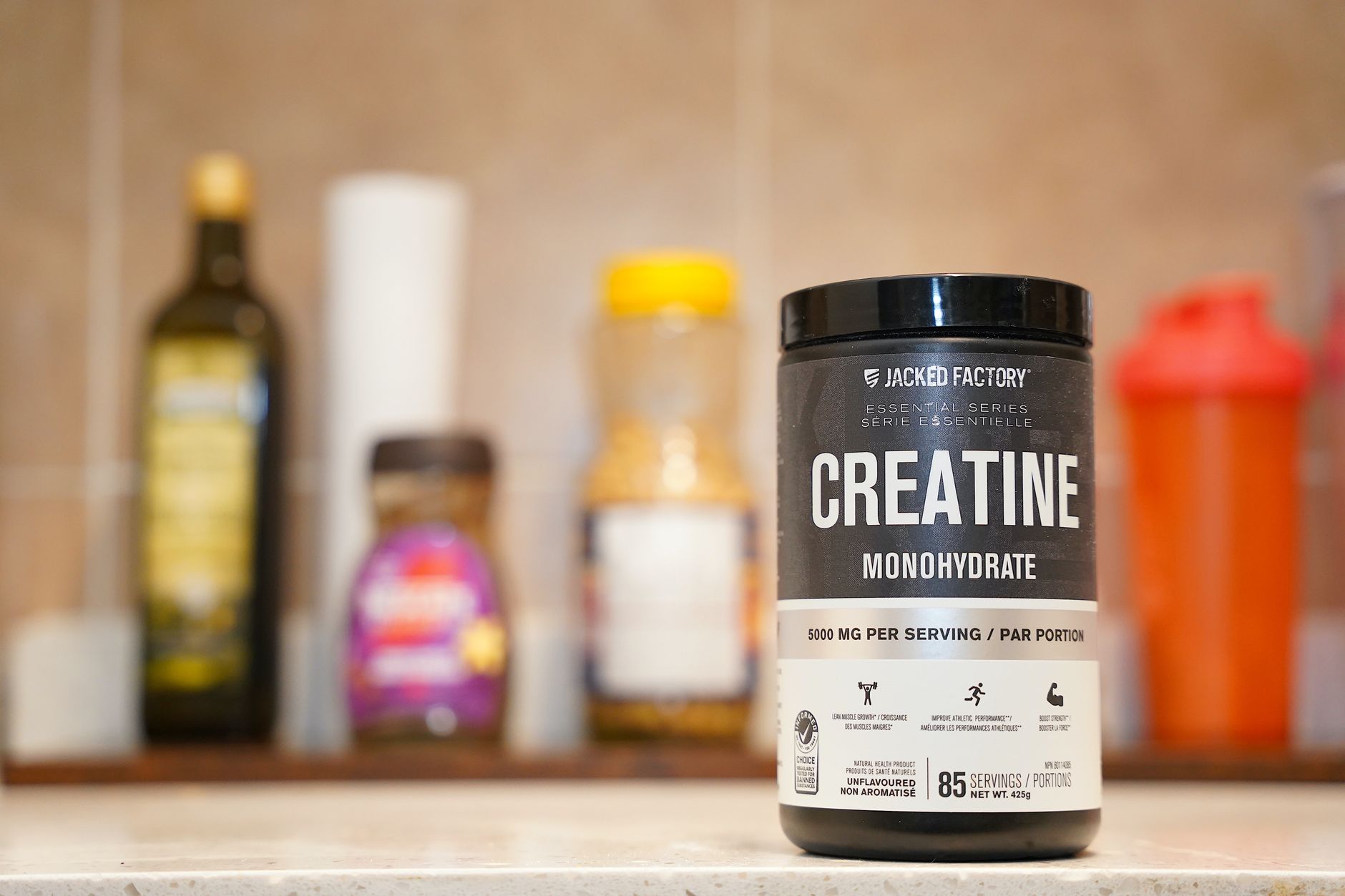
Photo by Gupta Sahil
Compare the cost per daily serving
Supplement prices vary across the USA, Australia, and the UK because of currency, local taxes, shipping, and pack sizes. Compare the cost per daily dose rather than the tub price alone.
For example, a 300-gram container provides 100 servings at 3 grams daily, or 60 servings at 5 grams daily. An online pharmacy can make wellness products easier to access, but product quality, ingredients, and service reliability should come before a low headline price.
Creatine will not correct fatigue caused by iron deficiency, thyroid disease, poor sleep, or inadequate calories. If low iron is a known concern, discuss testing and appropriate treatment with a clinician rather than relying on creatine. A pharmacist can also help you review options such as women's iron tablets with 24 mg iron.
A Practical Way to Use Creatine
For most healthy women, creatine monohydrate is a practical supplement with a strong safety record. It offers clear value for resistance training, and 3 to 5 grams daily is enough for most goals.
The clearest benefits include muscle strength, training capacity, and lean-mass support. Claims about bone density, gut repair, and universal cognitive improvement need more evidence.
Discuss creatine for women with a licensed healthcare provider if you are pregnant, breastfeeding, managing kidney concerns, or using regular prescription medicine.
Frequently Asked Questions
Can women take creatine every day?
Yes. Most healthy women can take 3 to 5 grams of creatine monohydrate daily. Consistent use gradually raises muscle stores, so it matters more than taking it only before workouts. A clinician should review use if you have kidney disease or take medicines requiring kidney monitoring.
Does creatine cause bloating or weight gain?
Creatine can increase water stored inside muscle cells, which may slightly raise scale weight. That differs from gaining fat. Some people experience digestive discomfort with large doses, so monitor gut health, dose size, and stomach comfort. Taking 3 grams daily, splitting doses, or using it with food may improve tolerance.
Do women need a creatine loading phase?
No. Women can start with 3 to 5 grams daily and raise muscle stores gradually. Loading can work faster, but it requires 20 grams daily in divided doses for several days and may cause more stomach discomfort.
Is creatine safe during pregnancy or breastfeeding?
Research isn't strong enough to recommend self-starting creatine during pregnancy or breastfeeding. Speak with an obstetric clinician, midwife, or pharmacist first. Prenatal and postnatal nutrition needs include nutrients that creatine doesn't provide, such as folate, iodine, iron, and DHA.
Can creatine improve memory and focus?
Creatine may support brain health during sleep deprivation, mental fatigue, or low dietary creatine intake. However, it doesn't reliably improve memory for every healthy person. It isn't a treatment for cognitive or mental-health disorders and shouldn't replace assessment for persistent concentration problems, depression, anxiety, or sleep disorders.
What does creatine monohydrate usually cost?
Cost depends on container size, country, shipping, and added ingredients. Compare products by cost per 3 to 5 gram serving. Plain powder is often less expensive per dose than flavored formulas, capsules, or blends with multiple active ingredients.