
DPP-4 Inhibitors: How They Work and Who May Use Them
Written by: Waldrugmart Editorial Team
Reviewed by: Navdeep Singh, B.Pharm — Registered Pharmacist
Last reviewed:
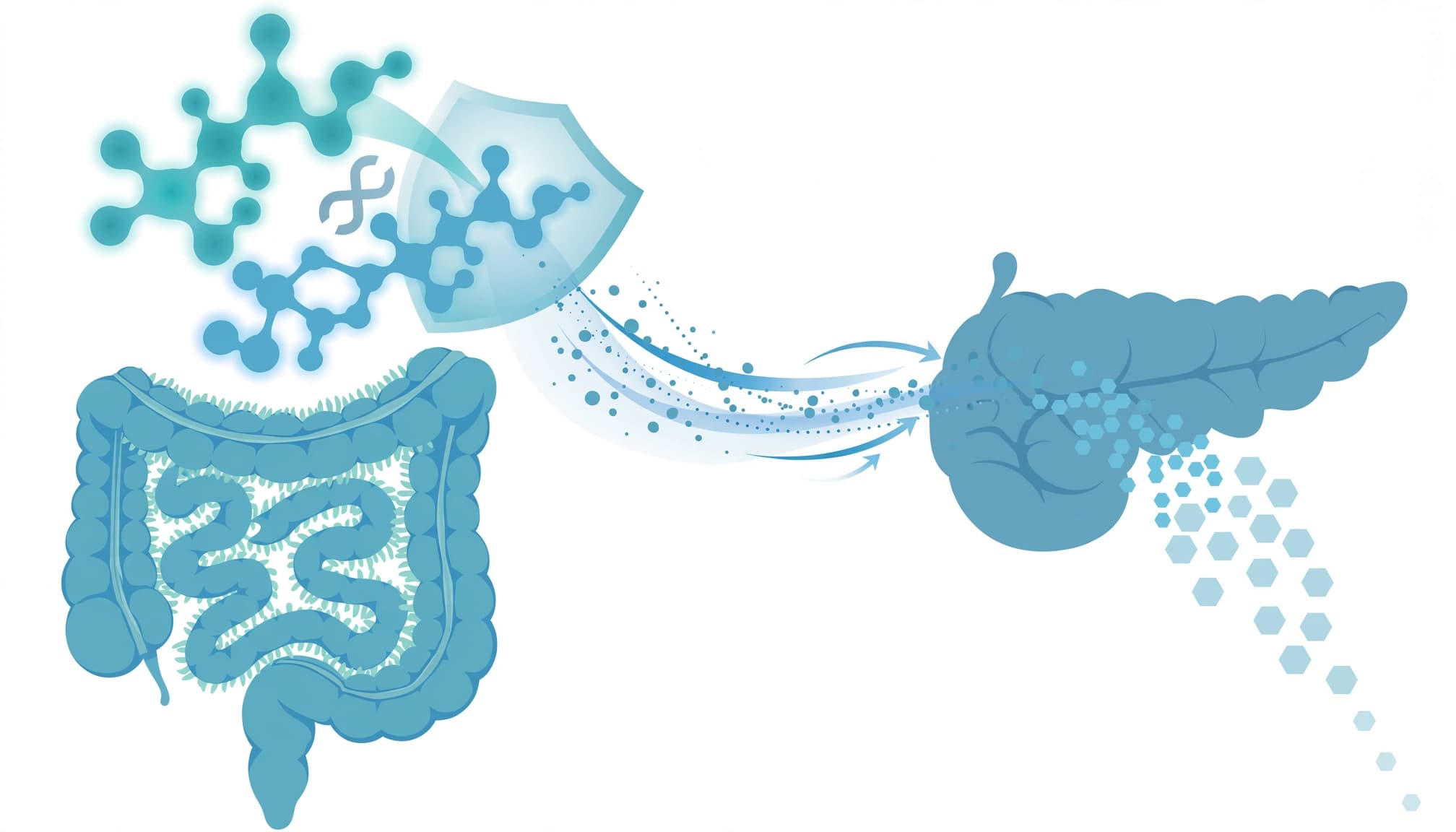
DPP-4 inhibitors are oral medicines for adults with type 2 diabetes that prolong the activity of hormones involved in blood sugar control. They provide modest glucose lowering, usually without weight gain or low blood sugar when taken alone.
Also called gliptins, these drugs may suit people who need additional treatment but don't need substantial weight loss. Their place in treatment depends on kidney function, heart disease, other medicines and affordability.
Table of Contents
- How DPP-4 inhibitors work
- Drug names and usual doses
- Who may use these medicines
- Side effects and serious warnings
- Combinations and alternatives
- Affordable access
- Key takeaways
- Frequently asked questions
- Their place in diabetes care
How Do DPP-4 Inhibitors Work?
They preserve short-lived incretin hormones
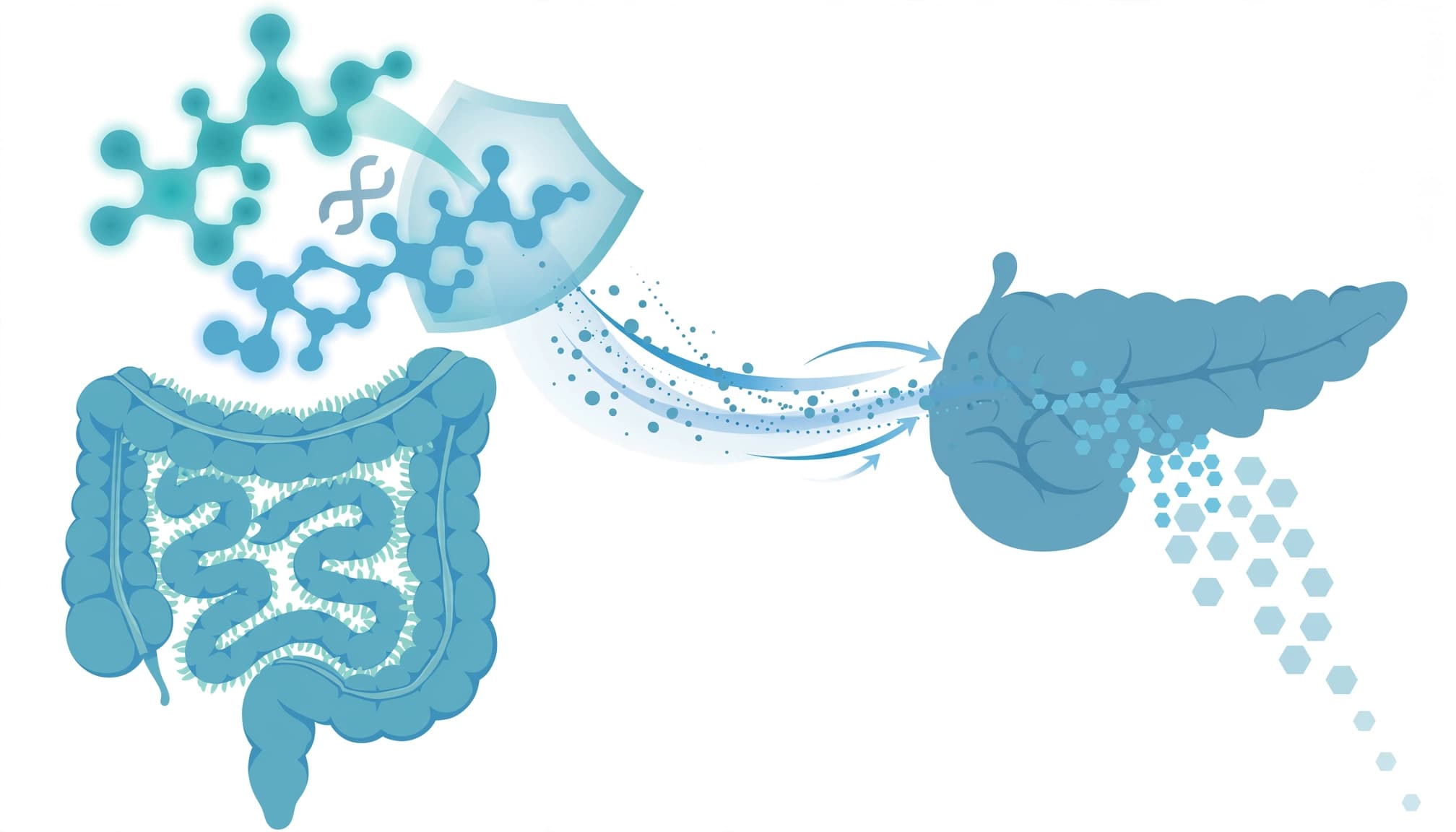
After meals, the intestine releases incretin hormones, including GLP-1 and GIP. The DPP-4 enzyme rapidly breaks them down.
GLP-1 has a circulating half-life of fewer than two minutes. GIP's half-life is approximately seven minutes in healthy people and five minutes in people with type 2 diabetes.
DPP-4 inhibitors block this enzyme, so the body's own incretins remain active longer.
Their effect depends on glucose levels
Incretins prompt insulin secretion when blood glucose is elevated. GLP-1 also reduces glucagon, a hormone that tells the liver to release glucose. Reduced glucagon signaling limits glucose release from the liver, and this effect also depends on blood glucose levels.
Because this response depends on glucose levels, gliptins have a low intrinsic risk of hypoglycemia.
The ADA's medication review describes an expected HbA1c reduction of approximately 0.5 to 1.0 percentage points. The response varies with starting HbA1c and accompanying treatment.
Which Drugs Are Available, and at What Doses?
Four individual gliptins have FDA approval. Sitagliptin was the first, in 2006; the FDA's diabetes medicine list includes single-drug and combination products.
These are typical adult doses, rather than instructions for starting treatment.
| Medicine | Brand name | First FDA approval | Usual once-daily dose |
|---|---|---|---|
| Sitagliptin | Januvia | 2006 | 100 mg; 50 or 25 mg with reduced kidney function |
| Saxagliptin | Onglyza | 2009 | 2.5 or 5 mg |
| Linagliptin | Tradjenta | 2011 | 5 mg |
| Alogliptin | Nesina; Vipidia in some markets | 2013 | 25 mg; 12.5 or 6.25 mg with reduced kidney function |
Kidney function accounts for several important dose differences. Sitagliptin drops to 50 mg daily at an estimated glomerular filtration rate (eGFR) of 30 to below 45, and 25 mg below 30, including dialysis.
Linagliptin requires no renal dose adjustment. Saxagliptin and alogliptin also need lower doses with reduced kidney function.
Single-drug tablets are generally taken with or without food. Combination products, including alogliptin and metformin tablets, have different instructions.
Vildagliptin, sold as Galvus, is approved in Europe but doesn't have FDA approval.
Who May Use DPP-4 Inhibitors?
Adults needing a modest additional HbA1c reduction
Gliptins may suit adults whose glucose remains above their individualized target despite existing treatment. Their weight-neutral effect and simple oral schedule can be useful when avoiding hypoglycemia is a priority.
Compared with sulfonylureas such as glyburide for type 2 diabetes, these medicines generally cause less hypoglycemia. However, combining them with insulin or a sulfonylurea raises that risk.

Patients whose medical history supports the choice
Kidney disease doesn't automatically rule out this class, although it affects drug selection and dosing. Clinicians also consider previous pancreatitis, heart failure and serious allergic reactions.
DPP-4 inhibitors aren't treatments for type 1 diabetes or diabetic ketoacidosis. A previous serious hypersensitivity reaction to the particular medicine is a contraindication.
Marked hyperglycemia, unexplained weight loss or symptoms of insulin deficiency may require a more potent treatment, including insulin. These medicines alone aren't an adequate response to a hyperglycemic emergency.
What Are the Side Effects and Serious Warnings?
Common effects are usually manageable
Reported effects include nasopharyngitis, meaning cold-like nose and throat symptoms, upper respiratory infections and headache. Nausea, diarrhea, urinary tract infections and joint pain also occur, although patterns differ between drugs.
Some digestive symptoms may come from metformin in a combination tablet rather than the gliptin itself. Medication review helps distinguish these possibilities.
Most people don't gain weight. Nevertheless, low blood sugar can occur when a gliptin accompanies insulin or a sulfonylurea.
Heart failure and disabling joint pain need attention
In SAVOR-TIMI 53, heart-failure hospitalization occurred in 3.5% of participants taking saxagliptin, compared with 2.8% taking placebo. That was an absolute difference of 0.7 percentage points during the trial.
The FDA added heart-failure warnings for saxagliptin and alogliptin in April 2016. New breathlessness, ankle swelling or rapid weight gain needs prompt assessment.
The FDA's 2015 warning also identified severe and disabling joint pain. This differs from a minor, temporary ache and warrants clinical review.
Other serious reactions include pancreatitis, severe allergy and bullous pemphigoid, a blistering skin condition. Facial or throat swelling requires emergency care.
How Do Gliptins Compare With Other Diabetes Medicines?
Metformin combinations use complementary mechanisms
DPP-4 inhibitors commonly accompany metformin for type 2 diabetes. Metformin reduces liver glucose production and improves insulin sensitivity, while gliptins strengthen meal-related hormone responses.
The ADA/EASD 2018 algorithm included these medicines among add-on options after metformin. Treatment selection also considers cardiovascular disease, kidney disease, weight and cost.
Immediate-release metformin combinations are typically taken twice daily with meals. Extended-release formulations may be once daily, so the formulation matters.
GLP-1 and SGLT2 medicines offer different benefits
GLP-1 receptor agonists generally lower HbA1c more and often produce weight loss. Combining them with a DPP-4 inhibitor isn't recommended because the overlapping pathway adds little clinical benefit.
SGLT2 inhibitors lower glucose through urinary excretion. Selected agents also have proven heart or kidney benefits that DPP-4 inhibitors haven't demonstrated.
Glyxambi combines empagliflozin, an SGLT2 inhibitor, with linagliptin. Its components address renal glucose handling and pancreatic hormone responses.
EMPA-REG OUTCOME demonstrated cardiovascular benefits for empagliflozin in adults with established cardiovascular disease. This evidence doesn't establish cardiovascular safety or protection for linagliptin or the DPP-4 inhibitor class.
How Can DPP-4 Inhibitors Be Accessed Affordably?
Costs depend on the medicine, strength, pack size, generic availability and insurance. USA insurance copays, UK NHS prescription charges and Australia's PBS patient contributions aren't directly comparable with international cash prices.
For a concrete combination-product example, our listed Glyxambi 10 mg/5 mg pack of 30 tablets is US$82.68, before delivery. That isn't a price for linagliptin alone or a comparison with insured local treatment.
A meaningful comparison uses the same ingredients, strength and treatment duration. Separate tablets and fixed-dose combinations may have different total costs.
Through our Online Pharmacy, we provide prescription uploads and pharmacist support. Our dispensing partner in India is licensed by Maharashtra's Food and Drug Administration, which is separate from the US FDA.
Prescription medicine requires a valid prescription. Online medicine home delivery also involves shipping charges and delivery time; medicine delivery costs to the USA aren't included in the tablet price above.
Global sourcing doesn't remove import restrictions. A prescription alone doesn't make cross-border importation lawful, and destination-country rules still apply.
Key Takeaways
- DPP-4 inhibitors provide modest glucose lowering without the weight loss expected from some newer treatments.
- Kidney function affects most gliptin doses, although linagliptin is an exception.
- Heart-failure history, pancreatitis concerns and accompanying medicines influence suitability.
- A lower advertised pack price doesn't establish lower total treatment cost or lawful international access.
Frequently Asked Questions
Is Januvia a DPP-4 inhibitor?
Yes. Januvia contains sitagliptin, the first FDA-approved DPP-4 inhibitor. It treats type 2 diabetes by extending the activity of natural incretin hormones. Its usual adult dose is 100 mg once daily, but reduced kidney function requires a lower prescribed dose.
What happens after a missed dose?
A missed single-drug gliptin dose can generally be taken when remembered, unless the next dose is nearly due. In that case, the missed dose is skipped. Two doses shouldn't be taken together. Combination tablets may have different meal-related instructions, so their prescribed schedule matters.
Do DPP-4 inhibitors increase pancreatitis risk?
A 2018 meta-analysis reported a 58% relative increase in acute pancreatitis versus placebo. Events were uncommon, and StatPearls describes causation as unproven. Persistent, severe abdominal pain, particularly pain extending to the back with or without vomiting, requires urgent medical assessment.
Can these medicines be used during pregnancy or breastfeeding?
Gliptins are generally avoided during pregnancy and breastfeeding because human safety evidence is limited. However, pregnancy and lactation aren't uniform absolute contraindications across all US labels. Insulin is generally preferred for diabetes during pregnancy. Treatment changes require a licensed clinician's assessment rather than abrupt discontinuation.
How soon does treatment affect HbA1c?
Blood glucose can improve before HbA1c shows the full effect, because HbA1c reflects average glucose over roughly two to three months. Clinicians commonly reassess HbA1c after approximately three months. Persistent elevation may require a different dose, an additional medicine or a different treatment class.
Their Place in Diabetes Care
DPP-4 inhibitors remain an option when modest glucose lowering, weight neutrality and a low intrinsic hypoglycemia risk fit the treatment goal. Their limitations matter equally: they don't deliver substantial weight loss or established cardiovascular protection.
This information is for educational purposes only. Consult a licensed healthcare provider for individualized treatment decisions, including kidney-adjusted dosing and assessment of serious symptoms.