
Evaporative Dry Eye Disease: Causes, Symptoms, Treatments

Your eyes can feel dry even when tears are present. With evaporative dry eye disease, the problem is often that tears disappear too fast because the oily layer is weak or patchy.
That usually points to the meibomian glands in your eyelids. When those tiny glands get blocked or inflamed, the eye's surface dries out, and everyday tasks like reading, driving, or staring at a screen can start to feel like work.
Quick answer: Evaporative dry eye disease is a form of dry eye in which tears evaporate too quickly, often because the meibomian glands do not release enough healthy oil. Common symptoms include burning, gritty eyes, redness, blurry vision, and light sensitivity. Treatment may include warm compresses, lid hygiene, preservative-free lubricants, prescription drops, and newer options such as Miebo, thermal gland treatments, or IPL, depending on the cause.
Table of Contents
- What evaporative dry eye disease means
- Main causes and risk factors
- Symptoms and how doctors diagnose it
- Advanced treatment options
- How to access treatment affordably and safely
- FAQ
- Final thoughts
Key Takeaways
- Evaporative dry eye happens when tears break up too fast, often from meibomian gland dysfunction.
- Symptoms can include burning, fluctuating vision, redness, and a gritty feeling.
- Newer treatments target tear evaporation more directly than older drops.
- Safe treatment starts with a proper eye exam, because dry eye has more than one subtype.
What evaporative dry eye disease means
Dry eye is not one single problem. In many people, it is a mix of poor tear quality, surface inflammation, and unstable tear film. The evaporative type starts when the top oily layer of tears cannot seal moisture in place.
That oily layer comes from the meibomian glands along the eyelid margin. If the oil is too thick, too little, or missing, tears evaporate faster than they should. The eye then becomes irritated, and the surface can turn inflamed. According to the National Eye Institute's dry eye overview, dry eye affects millions of people and may cause both discomfort and vision changes.
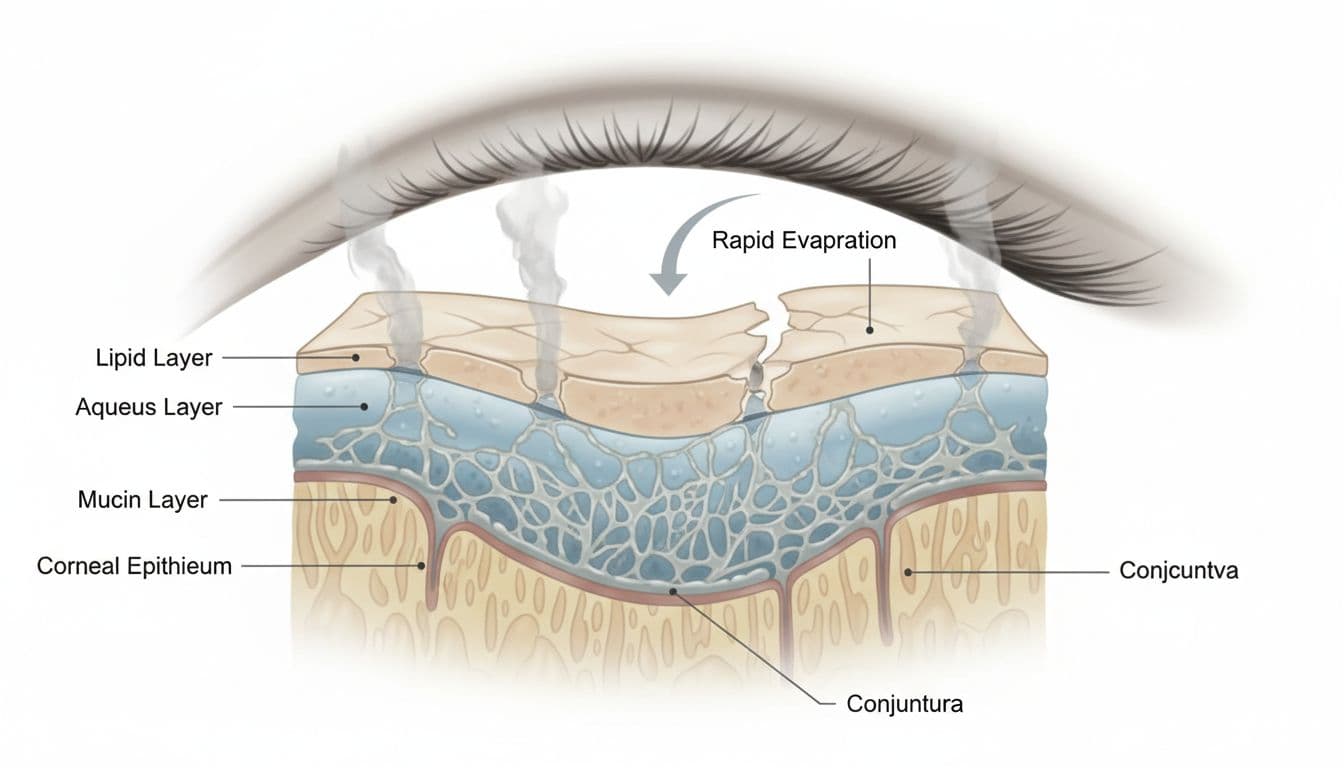
Many people have mixed dry eye, not a neat textbook version. You may have tear shortage and fast evaporation at the same time. That is why treatment often works best when it targets more than one layer of the problem.
When inflammation joins in, doctors may recommend prescription therapy such as Restasis eye drops for dry eyes, which uses cyclosporine, an immunomodulating medicine that can help increase tear production in some patients with chronic dry eye.
Main causes and risk factors
The leading cause is meibomian gland dysfunction, often called MGD. The glands become clogged, their oil thickens, or the gland openings get inflamed. As a result, the tear film loses its protective top coat.
The American Academy of Ophthalmology's guidance on treating evaporative dry eye highlights MGD as a major driver of this condition. Common triggers include aging, rosacea, eyelid inflammation, contact lens wear, low-humidity environments, long hours on screens, and some medications.
Blinking matters more than most people think. During screen time, many people blink less often and less fully. That leaves oil trapped in the glands and exposes the tear film longer between blinks. Air conditioning, heat, smoke, and wind can make the problem worse.
Other contributors include hormone changes, prior eye surgery, and eyelid problems such as Demodex mites or chronic blepharitis. In those cases, the eyelids themselves become part of the disease process.
For basic moisture support, some people start with lubricating products such as Cationorm preservative-free eye drops, especially when they need frequent use and want to avoid preservatives.
Symptoms and how doctors diagnose it
Evaporative dry eye often feels like sand, smoke, or soap is trapped in the eye. Burning is common. So is a stinging feeling that comes and goes.
Vision can blur, then clear after a blink. That up-and-down pattern is a clue because the tear film is unstable. The Mayo Clinic's dry eye symptoms guide also notes redness, light sensitivity, stringy mucus, and tired eyes as common signs.
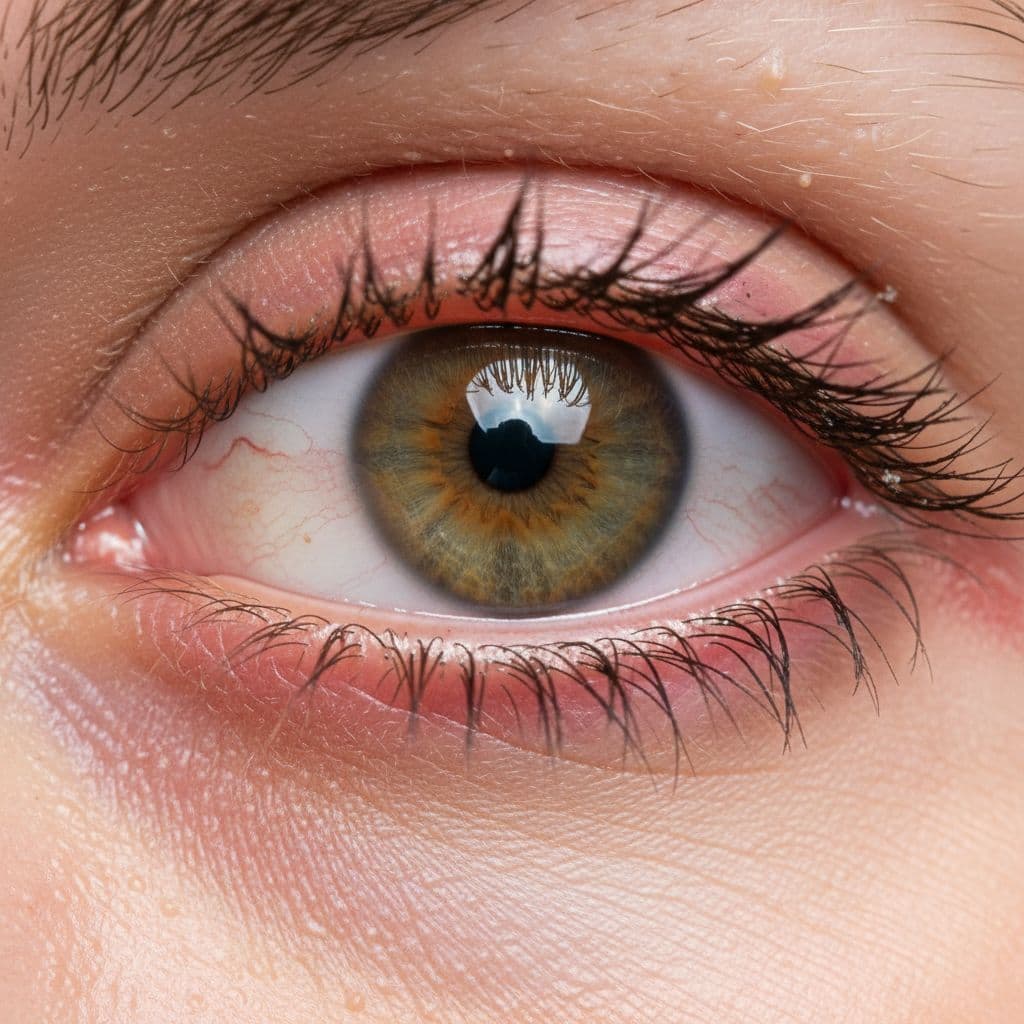
An eye doctor usually looks at the eyelid margins, tear breakup time, and the eye surface. They may stain the eye with special drops, press on the glands to check oil flow, or use imaging to look for gland loss. These tests help separate evaporative dry eye from allergy, infection, or mainly aqueous-deficient dry eye.
If your vision fluctuates more late in the day or after screen use, unstable tears are often part of the story.
Advanced treatment options for evaporative dry eye
Treatment works best when it matches the cause. Warm compresses, lid massage, and lid cleaning remain the front line because they soften oil and improve gland flow. Yet moderate or persistent disease often needs more.
The field has moved forward. A 2023 review in AJMC on excessive evaporation in dry eye disease describes evaporative dry eye as an area with major unmet need, and newer treatments now target that gap more directly.
Here is a quick comparison:
| Treatment | What it targets | Best fit |
|---|---|---|
| Warm compresses and lid hygiene | Thickened meibomian oil | Mild or early disease |
| Preservative-free lubricants | Surface moisture and comfort | Mild to moderate symptoms |
| Cyclosporine drops, such as Restasis 0.5mg 30s eye drops | Inflammation linked to chronic dry eye | Ongoing inflammation |
| Miebo | Tear evaporation and lipid layer loss | Confirmed evaporative dry eye |
| Thermal pulsation, gland expression, IPL | Blocked glands and lid disease | Moderate to advanced MGD |
| Xdemvy or similar mite-directed therapy | Demodex-related lid disease | Mite-associated blepharitis |
The big recent shift is Miebo (perfluorohexyloctane ophthalmic solution), approved in 2023 as the first prescription eye drop designed specifically for evaporative dry eye. It helps reduce tear evaporation by supporting the tear film's outer layer. Research behind approval included large studies showing better tear stability and symptom relief within weeks.
Doctors may also use anti-inflammatory drops when the ocular surface is irritated. Cyclosporine products, including Restasis 0.5mg 10s emulsion, are not specific to evaporative disease, but they can help when inflammation suppresses healthy tear function.
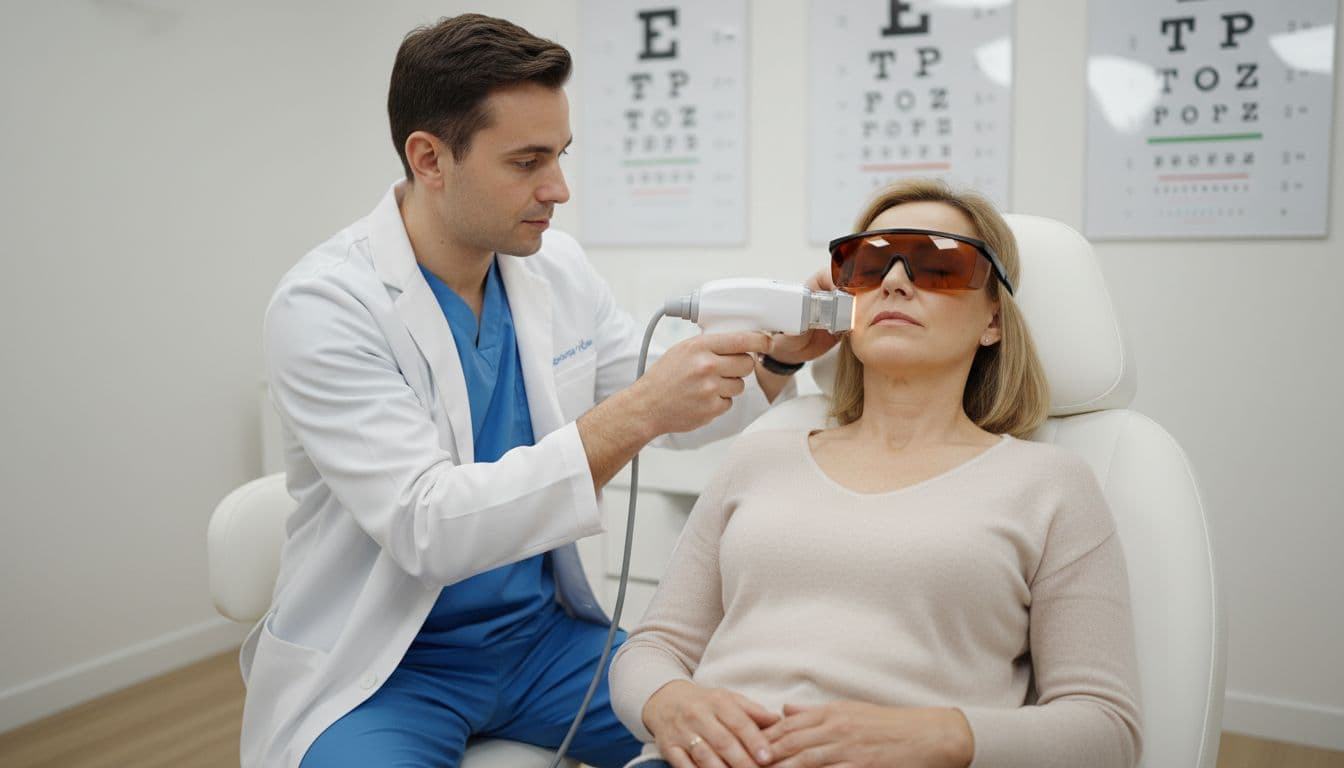
Office-based care may include thermal pulsation, manual gland expression, or intense pulsed light (IPL). These options aim to open blocked glands and calm lid inflammation. They can help, but they are not right for everyone, and they often cost more than drops.
This information is for educational purposes only. Consult a licensed healthcare provider or eye specialist before starting or changing treatment.
How to access treatment affordably and safely
Cost depends on the type of treatment. Warm compresses and OTC lubricants cost less up front. Prescription drops and in-office procedures usually cost more, and in the USA, out-of-pocket pricing can vary sharply by insurance plan and pharmacy.
That makes comparison important. Some patients start with lower-cost surface support, then add prescription therapy if the doctor finds gland disease, inflammation, or both. When a prescription is needed, use a licensed pharmacy and submit a valid prescription as required.
For ongoing care, it helps to compare product size, refill timing, and whether a medication is meant for daily use or short courses. International sourcing may reduce costs for some patients in the USA, while pricing in Australia or the UK may differ because of local supply and reimbursement systems. If you are reviewing options, compare product details carefully and check availability through licensed pharmacy partners before you refill.
FAQ
What is evaporative dry eye disease?
It is a type of dry eye where tears evaporate too quickly. The most common reason is poor oil flow from the meibomian glands in the eyelids. Without that oil, the tear film breaks apart faster and leaves the eye surface irritated.
How is evaporative dry eye different from regular dry eye?
"Dry eye" is a broad term. Evaporative dry eye is one subtype. Another main subtype is aqueous-deficient dry eye, where the eyes do not make enough watery tears. Many people have a mix of both, which is why diagnosis matters.
What are the most common symptoms?
Burning, stinging, grittiness, redness, blurry vision after screen use, and light sensitivity are all common. Symptoms often worsen later in the day or in dry air. Some people also notice watery eyes because irritation can trigger reflex tearing.
What is the most advanced treatment available right now?
As of 2026, Miebo is a major newer prescription option made specifically for evaporative dry eye. Doctors may also use thermal pulsation, IPL, gland expression, anti-inflammatory drops, or mite treatment, depending on whether gland blockage, inflammation, or blepharitis is driving symptoms.
Is evaporative dry eye permanent?
The tendency can be long-term, especially if gland damage has already developed. Still, symptoms often improve with steady treatment and eyelid care. The earlier you treat gland dysfunction, the better the chance of keeping the tear film more stable over time.
Are prescription drops always necessary?
No. Mild cases may improve with warm compresses, lid hygiene, and preservative-free lubricants. Prescription treatment becomes more likely when symptoms persist, the eye surface is inflamed, or gland disease is moderate to severe. An exam helps match the treatment to the problem.
How can I get treatment safely online?
Start with a diagnosis from an eye doctor or licensed healthcare provider. Then use a licensed pharmacy, follow prescription rules, and review the product details, refill schedule, and shipping policies. Safe access matters as much as price, especially for long-term eye medications.
Dry eyes can feel small at first, almost easy to ignore. Yet evaporative dry eye disease often grows from a simple weak tear film into a daily source of pain, blur, and fatigue if it goes untreated.
The strongest takeaway is simple: treat the cause, not only the dryness. When the meibomian glands, eyelids, and tear film all get attention, relief usually has a much better chance of lasting.