
Heart Failure Medications: Classes and Safety Checks
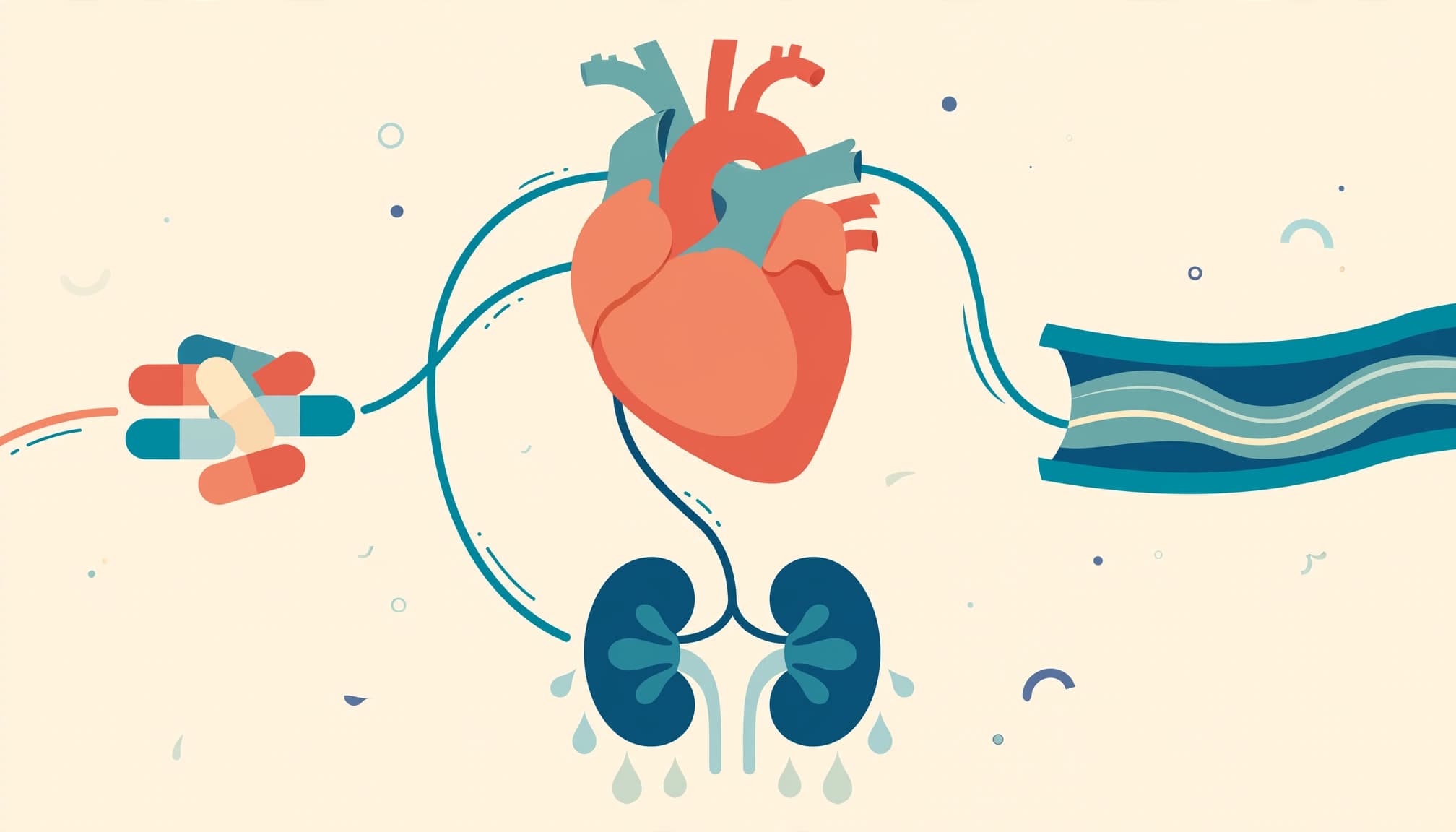
Heart failure medications reduce strain on the heart, control fluid buildup, and lower the risk of hospitalization. Several drug classes also improve survival in people with reduced ejection fraction, although medicines don't cure heart failure.
Treatment usually combines medicines because each addresses a different process. The safest regimen depends on ejection fraction, kidney function, blood pressure, and regular monitoring.
This information is for educational purposes only. Consult a licensed healthcare provider before starting, stopping, or changing treatment.
Table of contents
- How treatment differs by ejection fraction
- Drug classes that protect the heart
- MRAs and SGLT2 inhibitors
- Diuretics and additional medicines
- Safety monitoring and interactions
- Affordable access
- Key takeaways
- Frequently asked questions
- Conclusion
How heart failure medications differ by ejection fraction
Ejection fraction measures the percentage of blood the left ventricle pumps out with each contraction. It helps determine which treatments have the strongest evidence.
The main treatment differences are:
| Heart failure type | Ejection fraction | Medication approach |
|---|---|---|
| Reduced, or HFrEF | 40% or less | Four disease-modifying drug classes, plus diuretics for congestion |
| Mildly reduced, or HFmrEF | 41% to 49% | SGLT2 inhibitors, diuretics, and selected additional therapies |
| Preserved, or HFpEF | 50% or higher | SGLT2 inhibitors, diuretics for congestion, and treatment of associated conditions |
For HFrEF, the AHA/ACC/HFSA treatment guideline identifies four foundational classes: an ARNI or suitable alternative, an evidence-based beta blocker, an MRA, and an SGLT2 inhibitor.
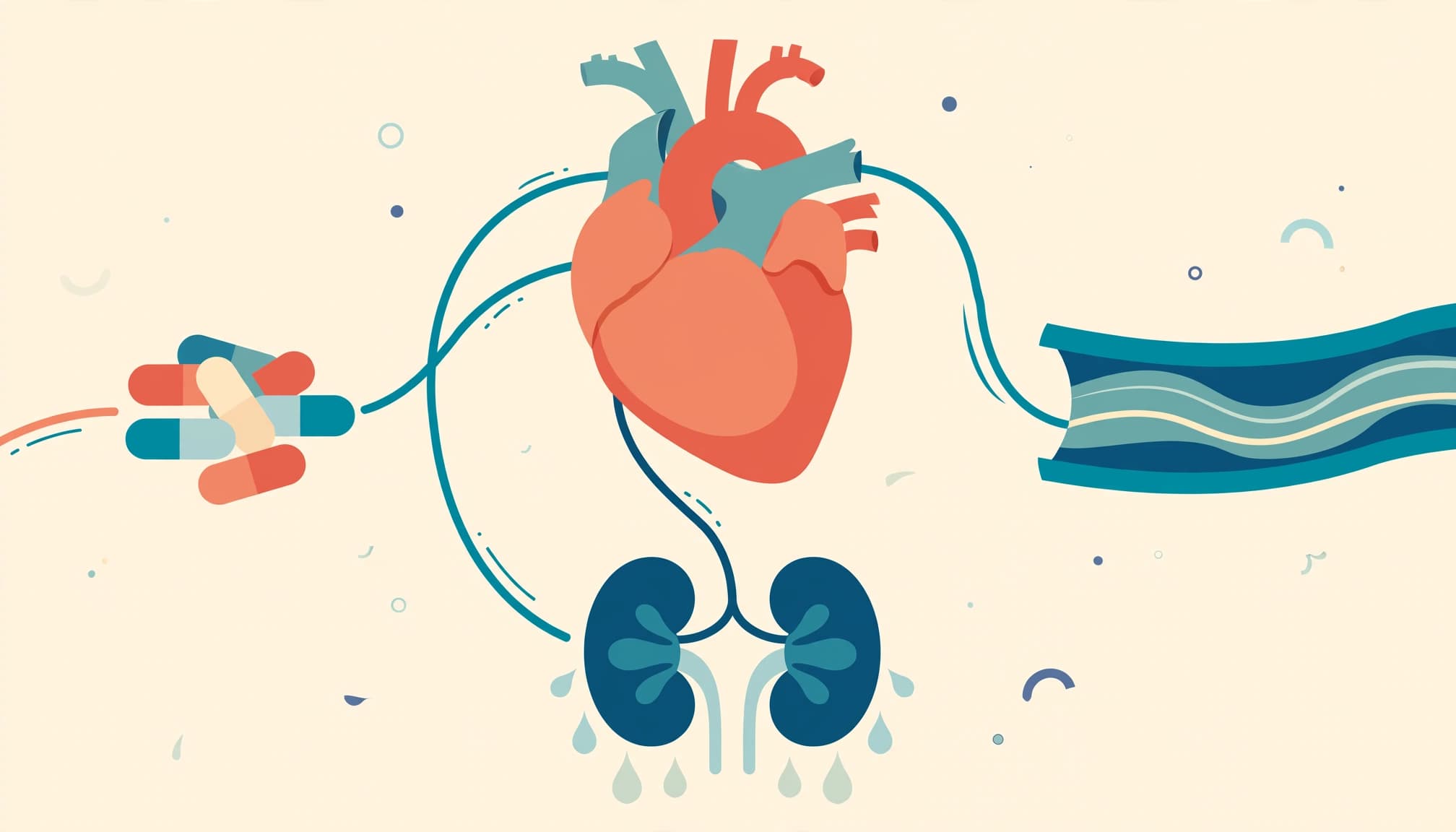
In HFpEF, treating high blood pressure, atrial fibrillation, kidney disease, and other contributing conditions also matters. A preserved ejection fraction doesn't mean heart function is normal.
Drug classes that protect the failing heart
ARNI, ACE inhibitors, and ARBs
These medicines reduce the effects of hormones that narrow blood vessels and promote sodium retention. As vessels relax, blood pressure and cardiac workload fall.
ACE inhibitors include lisinopril, enalapril, and ramipril. ARBs include losartan, valsartan, and candesartan. ACE inhibitors can cause a persistent dry cough; both classes can raise potassium and affect kidney function.
The ARNI sacubitril/valsartan for heart failure, known as Entresto, combines an ARB with a neprilysin inhibitor. It replaces an ACE inhibitor or ARB.
ACE inhibitors and ARBs shouldn't be combined. Entresto also shouldn't overlap with either class.
The FDA's Entresto prescribing information requires at least 36 hours between an ACE inhibitor and Entresto because overlapping effects increase angioedema risk. Facial, tongue, or throat swelling requires emergency care.
Evidence-based beta blockers
Bisoprolol, carvedilol, and metoprolol succinate have the strongest evidence for HFrEF. They slow the heart and reduce prolonged stimulation by stress hormones.
Treatment generally starts at a low dose after the patient is clinically stable. Clinicians then increase it as tolerated. Early fatigue or dizziness may occur, while excessive slowing of the pulse needs review.
Carvedilol treatment information concerns one of these evidence-based options. Metoprolol succinate is the extended-release formulation supported for HFrEF; formulations aren't automatically interchangeable.
Beta blockers shouldn't be stopped abruptly because withdrawal can worsen the underlying condition.
MRAs and SGLT2 inhibitors
Mineralocorticoid receptor antagonists
Spironolactone (Aldactone) and eplerenone (Inspra) are steroidal mineralocorticoid receptor antagonists, or MRAs. They block aldosterone, a hormone involved in sodium retention and harmful changes in heart tissue.
In eligible patients with HFrEF, these medicines reduce hospitalization and improve survival. However, high potassium and impaired kidney function can limit their use.
Prescribers assess potassium and estimated glomerular filtration rate before treatment. Continued blood testing is essential because dangerous potassium elevations may cause no early symptoms. Spironolactone can also cause breast tenderness or enlargement.
SGLT2 inhibitors
Dapagliflozin (Farxiga) and empagliflozin for heart failure, sold as Jardiance, improve heart failure outcomes even without diabetes. Their benefits extend across ejection fraction categories.
These drugs change how the kidneys handle glucose and sodium. They can cause genital fungal infections, dehydration, and, rarely, ketoacidosis even when blood glucose isn't markedly elevated.
Sotagliflozin (Inpefa) also has a heart failure indication. Unlike dapagliflozin and empagliflozin, it inhibits both SGLT1 and SGLT2.
Acute illness, prolonged fasting, and surgery may require a clinician-directed interruption plan.
Diuretics and medicines for selected patients
Diuretics relieve fluid congestion
Furosemide (Lasix), bumetanide (Bumex), and torsemide (Demadex) help the kidneys remove extra sodium and water. They reduce swelling and breathlessness but haven't demonstrated a survival benefit.
Morning dosing reduces nighttime urination. For twice-daily treatment, HFSA's medication guidance recommends taking the second dose early enough to avoid overnight disruption, generally no later than 2 p.m.
Doses depend on congestion, kidney function, and response. Excessive diuresis can cause dehydration, low blood pressure, and kidney injury. Fluid intake should follow the prescribed heart failure plan rather than blanket advice to drink more.
Additional medicines address narrower needs
Hydralazine plus isosorbide dinitrate, available together as BiDil, relaxes blood vessels. Added to appropriate treatment, the combination reduces death and hospitalization in eligible patients with HFrEF. Evidence is particularly strong for self-identified Black patients with persistent, more severe symptoms.
Ivabradine (Corlanor) slows heart rate in selected patients with sinus rhythm despite tolerated beta-blocker treatment. Vericiguat (Verquvo) is an option for selected patients after worsening HFrEF.
Digoxin can improve symptoms and reduce hospitalization in some patients. However, blood-level monitoring matters because toxicity can cause nausea, vomiting, headache, and abnormal heart rhythms. Declining kidney function increases that risk.
Safety monitoring and dangerous interactions
Monitoring makes combination treatment safer and helps clinicians adjust doses without abandoning useful therapy unnecessarily.

The following checks address different risks:
| Treatment | Main checks | Timing considerations |
|---|---|---|
| ACE inhibitor, ARB, or ARNI | Blood pressure, potassium, creatinine/eGFR | Before treatment and commonly within 1 to 2 weeks after starting or increasing the dose |
| MRA | Potassium and kidney function | Before treatment, early after initiation or dose changes, and regularly afterward |
| Beta blocker | Heart rate (pulse), blood pressure, dizziness, congestion | During initiation and each dose increase |
| Diuretic or SGLT2 inhibitor | Weight, hydration, kidney function; electrolytes as appropriate | After treatment changes and sooner during illness |
| Digoxin | Blood level, kidney function, electrolytes | When clinically indicated, particularly after dose changes or suspected toxicity |
Testing schedules vary with the drug, kidney function, and previous results. A dose that was safe months earlier may become unsuitable after dehydration or declining kidney function.
The American Heart Association's drug-safety statement identifies NSAIDs such as ibuprofen and naproxen as potential triggers for worsening heart failure. They promote sodium and water retention, increase vascular resistance, and weaken the response to diuretics.
Potassium-containing salt substitutes, potassium supplements, lithium, and nonprescription cold remedies also warrant medication review. ACE inhibitors, ARBs, and ARNIs can harm a developing fetus, so pregnancy requires prompt specialist assessment.
Severe breathlessness at rest, fainting, chest pain, or facial swelling requires emergency assessment. Persistent dizziness, other possible medication side effects, reduced urine output, or worsening swelling need prompt clinical review.
How to access heart failure medicines affordably
Many established heart failure medications have generic versions. However, insurance formularies, dispensing charges, and access to newer therapies can create substantial differences in out-of-pocket costs.
USA, UK, and Australian prices aren't directly comparable without considering public coverage, insurance, strength, and pack size. There is no single reliable international saving percentage for an entire regimen.
A meaningful comparison includes the full prescription medicine cost, shipping, dispensing fees, and any import-related charges. International sourcing must also comply with destination-country rules; personal importation into the USA is restricted.
Ordering through an Online Pharmacy doesn't replace clinical monitoring. Safe dispensing requires a valid prescription and licensed pharmacy oversight.
Refill synchronization and a written medicine schedule can reduce missed doses. Generic alternatives and insurance-covered options deserve review before cost leads to skipped treatment. Home delivery can improve access, but delivery delays require planning to prevent interruptions.
Key takeaways
- HFrEF treatment usually combines four foundational drug classes because their benefits complement one another.
- Diuretics relieve congestion, while other medicines address longer-term risks and selected clinical needs.
- Kidney function, potassium, blood pressure, and symptoms guide safe prescribing, dose increases, and ongoing treatment.
Frequently asked questions
What are five common heart failure medications?
Five examples are sacubitril/valsartan, carvedilol, spironolactone, dapagliflozin, and furosemide. They belong to different classes and address different aspects of heart failure. A particular patient may need alternatives because of ejection fraction, kidney function, blood pressure, side effects, or other medical conditions.
When should a beta blocker be held?
There isn't a universal self-directed hold rule. A pulse below 60 beats per minute or systolic pressure below 90 mm Hg warrants review, particularly with dizziness or weakness. Any instruction to withhold a dose should follow the individual's prescribed plan. Abrupt long-term discontinuation can worsen heart failure.
How much weight gain suggests fluid retention?
HFSA identifies a gain of 3 to 5 pounds over a few days or a week as possible fluid retention. Other care plans use earlier thresholds. Daily weights are most useful when taken under similar conditions. Rapid gain or worsening breathlessness merits prompt contact with the treating team.
Do heart failure medicines continue after symptoms improve?
Treatment usually continues because symptom improvement doesn't establish that the underlying condition has resolved. Even when ejection fraction improves, stopping disease-modifying medicines can allow heart failure to recur. Any reduction requires clinical assessment, and improved symptoms alone aren't a reason to stop prescribed treatment.
Is it safe to order heart failure medicines online?
Online dispensing can be appropriate when a licensed pharmacy requires a valid prescription and provides pharmacist access. The medicine, strength, formulation, and refill timing must match the treatment plan. Cross-border delivery adds legal and timing constraints. A low advertised price doesn't establish authenticity, suitability, or reliable supply.
Conclusion
Treatment works best as a coordinated regimen matched to the diagnosis. Their benefits depend on tolerable doses, reliable access, and continued monitoring.
Safety monitoring is part of treatment, not an optional addition. Changes in kidney function, blood pressure, or symptoms can alter the balance between benefit and harm even when the prescription hasn't changed.