
How to Use Transdermal Patches Safely

A transdermal patch can contain enough drug to harm someone even after its scheduled wear time ends. Safe use of transdermal patches depends on the exact product, because application sites, replacement schedules and disposal instructions differ.
Patches can provide steady medication delivery without swallowing tablets, but heat, damaged skin and accidental extra doses can change their effects. The safest routine starts with the prescribed strength and the product's instructions.
Apply the prescribed patch to an approved site on clean, dry, intact skin. Remove the previous patch when scheduled, unless the prescription directs otherwise. Never cut a patch or add another to compensate for poor symptom control.
Table of Contents
- Key takeaways
- How transdermal patches work
- Common medicines and wear times
- Applying a patch safely
- Heat, interactions and skin reactions
- Safe removal and disposal
- Access and affordability
- Frequently asked questions
- Conclusion
Key Takeaways
- Application and replacement instructions belong to the specific product, not to patches as a group.
- Heat can increase absorption of some medicines, including fentanyl, rather than simply weakening the patch.
- Used patches retain medication. Safe disposal protects children, pets and other household members.
How Transdermal Patches Work
Drug delivery through the skin
Transdermal patches release medicine through the stratum corneum, the skin's outer barrier, into the bloodstream. This type of transdermal drug delivery avoids the initial passage through the digestive tract and liver that follows swallowing many medicines.
However, the stratum corneum blocks most substances. Drugs suited to passive transdermal delivery generally have molecular weights below about 500 daltons. Their logP, a measure of preference for oil over water, often falls around 1 to 4.5. These properties affect drug delivery through the skin and how well transdermal delivery works. These are development guidelines for drug delivery, not guarantees.
Nicotine acts on nicotinic receptors to reduce withdrawal. Fentanyl and buprenorphine act on opioid receptors for pain relief.
Patch structures and manufacturing
Matrix patches hold medicine within an adhesive or polymer layer. They dominate many development programs because their construction is relatively thin and simple. Reservoir patches contain a separate drug compartment and a membrane that controls release.
Another classification distinguishes tapes with little water in their base from water-containing poultices. Some medicated plasters treat a local area rather than delivering substantial amounts throughout the body.
Manufacturing generally involves mixing, coating with drying and laminating, then die-cutting and packaging. Manufacturers test drug-content uniformity and weight per unit area because patch appearance alone cannot establish dose consistency.
Common Medicines and Wear Times
The FDA approved the first transdermal patch in 1979. Today's products cover several conditions, but they aren't interchangeable.
| Medicine | Main use | Typical wear time | Important precaution |
|---|---|---|---|
| Nicotine | Smoking cessation | 16 or 24 hours | Strength depends on smoking history and treatment stage |
| Fentanyl | Severe, persistent pain | Usually 72 hours; selected patients use 48 hours | Restricted to opioid-tolerant patients |
| Scopolamine | Motion sickness and postoperative nausea prevention | Up to 72 hours | Apply behind one ear; wash hands afterward |
| Buprenorphine | Persistent pain | Product-dependent, often 7 days | Opioid precautions and regional formulations differ |
| Nitroglycerin | Angina prevention | Prescribed daily wear period | A patch-free interval often prevents tolerance |
| Estradiol | Certain menopausal symptoms | Once- or twice-weekly products | Suitability depends on medical history |
The schedule depends on the formulation, not merely the active ingredient. For example, UK Transtec buprenorphine patches deliver 35, 52.5 or 70 micrograms per hour for up to 96 hours. US weekly formulations have different strengths.
Diclofenac medicated patches mainly treat localized pain. Lower systemic exposure from diclofenac doesn't eliminate NSAID-related gastrointestinal, cardiovascular or kidney risks.
Fentanyl levels rise gradually during the first 12 to 24 hours, and peak concentrations can occur later. Delayed pain relief doesn't justify applying another patch.
Applying a Patch Safely
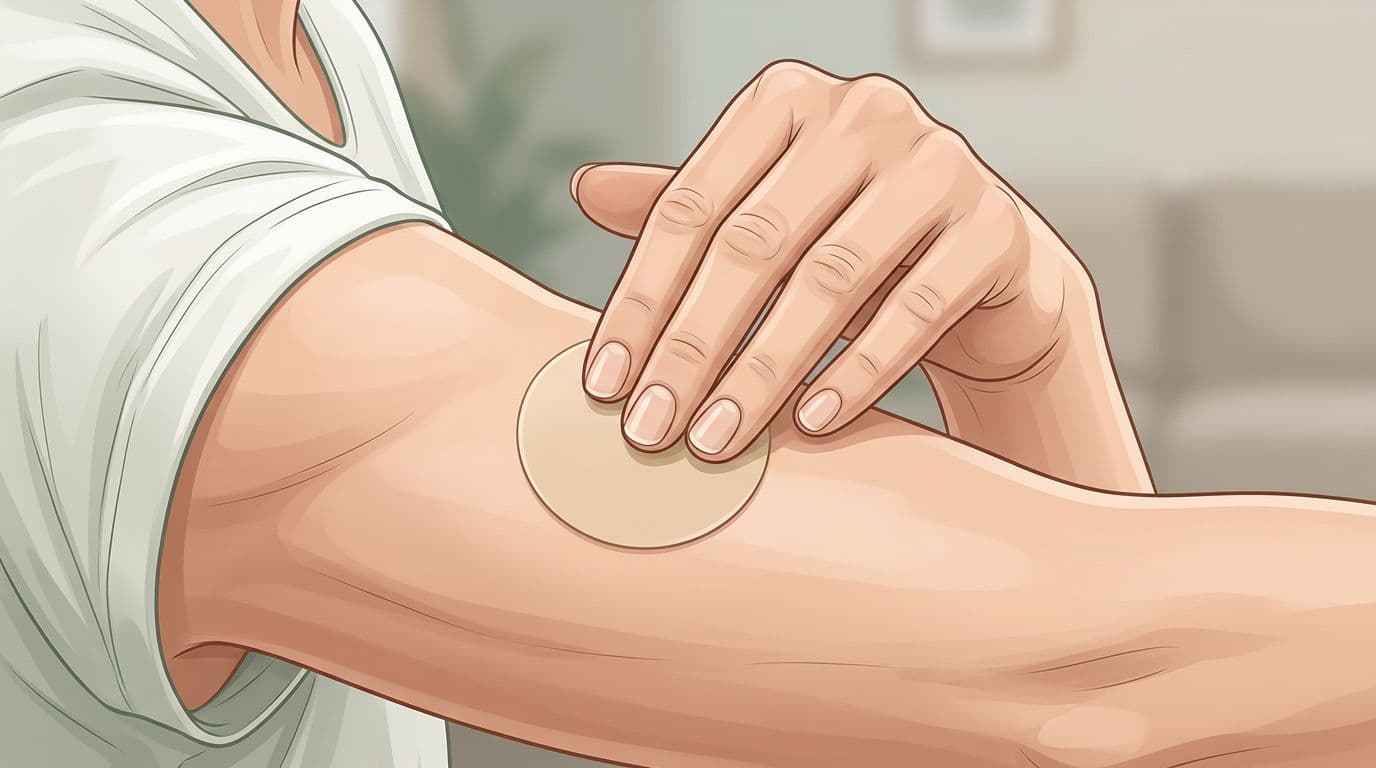
Prepare the medicine and skin
Preparation begins with the medicine name, strength, prescribed number of patches and replacement time. A mismatch between the prescription and supplied product requires pharmacist review before use.
Hands should be clean. The site must be approved for that medicine, dry and free of cuts, rashes or irritation. Avoid creams, oils and alcohol-based cleaners. Clip hair when the instructions permit; shaving can damage skin.
Cleaning directions vary. Some products allow mild soap and water, but fentanyl labeling specifies water only. Scopolamine belongs on the hairless area behind one ear, not on a general-purpose arm site.
Apply and record the dose
- Remove the previous patch when directed, then select a different approved site.
- Open the pouch immediately before use and remove the liner without damaging the patch.
- Press firmly with the palm for the product's specified time. Some nicotine products specify about 10 seconds; fentanyl instructions commonly specify 30 seconds.
- Wash hands and record the application date, time, site and strength.
Don't massage the patch, cut it or apply a damaged product. Cutting can alter delivery, and even matrix patches require explicit product authorization before any modification.
For caregivers, a written patch record prevents duplicate applications during handovers. Recording removal matters as much as recording the new dose.
Heat, Interactions and Skin Reactions
Heat and opioid overdose
Heating pads, electric blankets, saunas and hot tubs can increase fentanyl absorption. Fever also raises concern. Water doesn't universally destroy patch potency; ordinary showering and prolonged hot-water exposure are different situations.
Fentanyl's most serious risk is respiratory depression, which can be fatal. Slow or shallow breathing, extreme sleepiness and difficulty waking require emergency assistance. Removing the patch doesn't immediately eliminate the medicine already absorbed.
Alcohol, benzodiazepines and other sedating medicines can compound opioid-related breathing suppression. Fentanyl patches aren't suitable for opioid-naive patients or occasional acute pain.
Prescription opioid abuse also appears in poison-center surveillance research. Patches must never be shared, even between people with similar symptoms.
Irritation, allergy and vulnerable patients
Mild redness confined to the adhesive area can occur. Site rotation reduces repeated irritation, but persistent burning, blistering or spreading redness needs clinical assessment. Hives, facial swelling or breathing difficulty require urgent help.
Older adults may need caregiver support because memory problems, fragile skin and multiple medicines complicate use. Children's suitability depends on the drug and age-specific authorization.
The motion-sickness patch also carries a heat-related warning. The MedlinePlus scopolamine patient information describes reduced sweating and dangerous overheating, with greater concern in children and older adults.
Before MRI scanning or surgery, the care team needs the patch name and location. Some patches contain metal components.
Safe Removal and Disposal
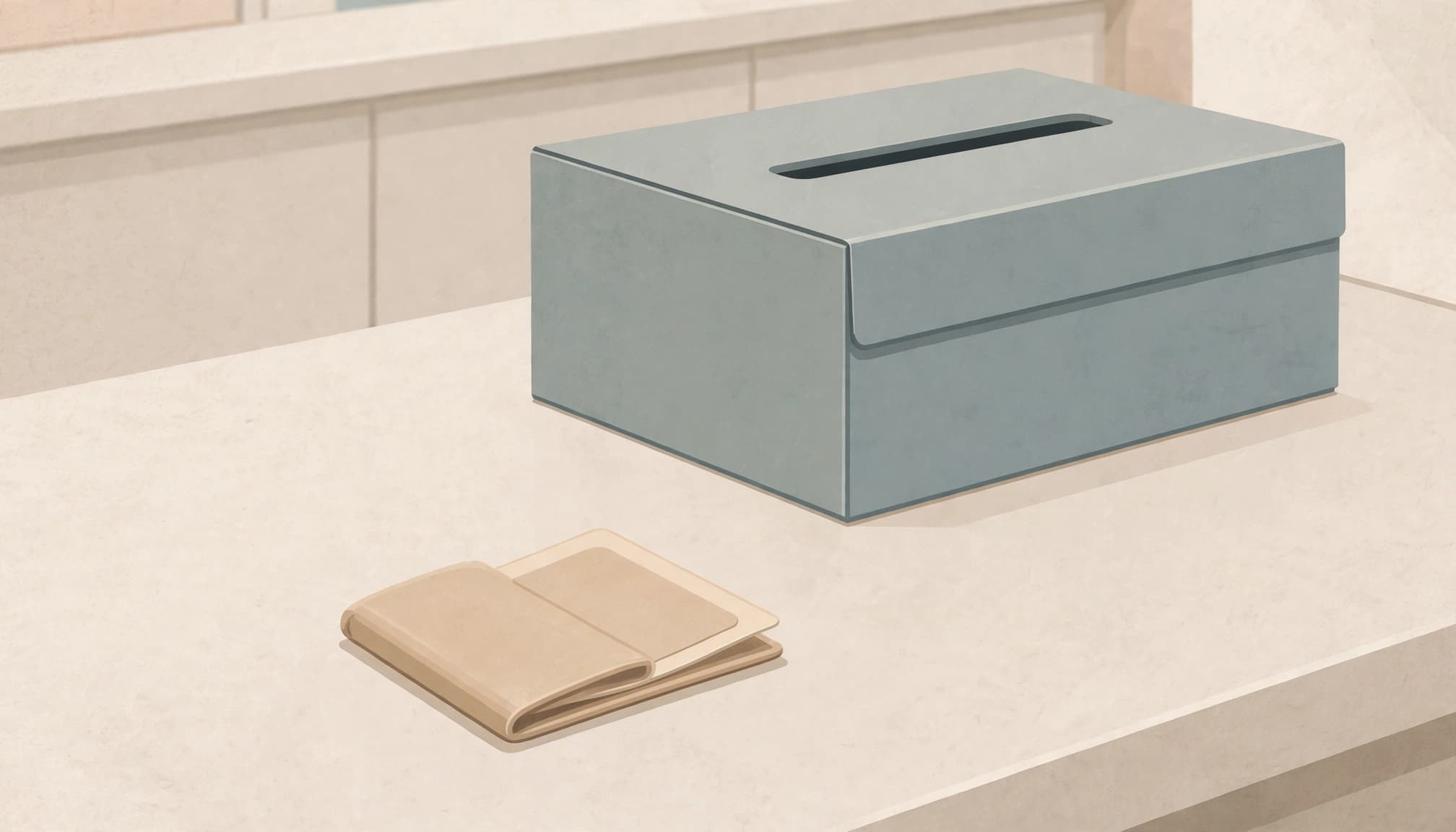
Used patches still contain medicine. After removal, fold the adhesive sides together and keep the patch away from children and pets while following its disposal instructions.
For most medicines, authorized take-back programs are the preferred route. In healthcare facilities, staff follow the applicable medication-disposal policy.
However, fentanyl requires special handling. The FDA's fentanyl patch safety communication directs immediate flushing of used patches after folding them. This US guidance addresses fatal accidental exposure; disposal requirements elsewhere can differ.
The FDA's general medicine-disposal guidance distinguishes medicines on its flush list from those suitable for other disposal routes.
A patch transferred onto another person's skin requires immediate removal and urgent medical guidance, particularly when it contains an opioid.
Access and Affordability
Patch costs depend on the medicine, strength, pack size, brand and reimbursement system. A weekly patch and a twice-weekly patch cannot be compared by unit price alone.
US insurance coverage, UK prescription arrangements and Australia's Pharmaceutical Benefits Scheme also affect out-of-pocket costs. There isn't one meaningful international price for "medication patches."
A fair comparison uses the same active ingredient, such as diclofenac, delivery rate, formulation and treatment duration. Shipping belongs in the total, so medicine delivery costs to the USA can reduce an apparent overseas saving. Home delivery also needs enough lead time to prevent refill gaps.
Our Online Pharmacy requires a valid, legible prescription from a licensed physician, and we don't dispense controlled substances. Global sourcing therefore doesn't provide an access route for every patch discussed here.
International availability doesn't automatically permit personal importation. Prescription recognition and import rules depend on the destination and medicine.
This information is for educational purposes only. Consult a licensed healthcare provider about suitability, interactions or changes to a prescribed patch regimen.
Frequently Asked Questions
How can someone tell whether a patch is working?
Absorption isn't visible. Effectiveness depends on the intended outcome, such as reduced nicotine withdrawal, fewer motion-sickness symptoms or improved pain control. Some patches take hours to reach useful concentrations. Persistent symptoms require clinical review, not an extra patch, a higher strength or an unplanned medication combination.
Can patches stay on during showering, exercise or sleep?
Many patches tolerate ordinary showering and overnight wear, but the product's instructions determine permitted water exposure. Sweat and movement can loosen adhesion. Hot baths and saunas create additional risks for certain medicines. If a patch lifts or falls off, follow the product's instructions rather than replacing it automatically.
What happens if a patch falls off or a change is missed?
Instructions differ by medicine. Replacement timing, placement and disposal depend on the specific product. A missed change doesn't justify doubling the dose. Ask a pharmacist about the replacement schedule if timing or remaining drug exposure is uncertain.
Are patches safer than tablets?
Patches can reduce dosing frequency and help when swallowing is difficult. However, they introduce risks involving heat, adhesive reactions, accidental transfer and forgotten removal. Some medicines continue entering the bloodstream after removal. The safer option depends on the drug, condition and patient's ability to manage the prescribed regimen.
Can prescription patches be ordered internationally?
Some prescription medicines are available through international pharmacy services, but availability doesn't establish import eligibility. Controlled drugs face strict restrictions, and many suppliers exclude them. Safe access requires a legitimate prescription, licensed dispensing, intact labeled packaging and compliance with the destination country's rules. Delivery timing also matters for uninterrupted treatment.
Conclusion
Transdermal patches make medication delivery less visible, which makes a clear routine more important. The prescribed site, wear time and disposal method are parts of the dose.
Product-specific instructions are the strongest safeguard against duplicate dosing, heat-related harm and accidental exposure. A used patch may look empty, but its remaining medicine still requires careful handling.