
Iron Supplement Interactions: Safe Dose Spacing

An iron tablet taken with levothyroxine can reduce the amount of thyroid medicine absorbed. These interactions also affect some antibiotics, while calcium, antacids, and certain drinks can interfere with iron absorption.
The clearest starting rule is medicine-specific spacing: thyroid medicine and iron need at least four hours apart, but other medicines have different instructions. A safe schedule starts with prescription labels, then places iron, meals, and other supplements around them.
Table of Contents
- Medicines that need spacing
- Food and supplement timing
- A daily scheduling template
- Formulations and blood tests
- Side effects and overdose
- Costs and safe access
- Key takeaways
- Frequently asked questions
- Conclusion
Which Iron Supplement Interactions Need Dose Spacing?
Oral iron provides a mineral needed to make hemoglobin, the protein that carries oxygen in red blood cells. However, iron can bind certain medicines in the digestive tract and reduce how much the body absorbs.
The NIH iron fact sheet identifies interactions with thyroid medicine and explains how calcium and acid-suppressing medicines can affect iron treatment.
These intervals aren't interchangeable.
| Medicine or product | Timing approach |
|---|---|
| Levothyroxine | Separate from iron by at least four hours. |
| Tetracycline antibiotics | MedlinePlus advises taking these two hours before or two hours after iron; confirm the specific label. |
| Ciprofloxacin or levofloxacin | Follow the antibiotic's exact instructions. Quinolone intervals differ by product. |
| Calcium supplements, milk, antacids | Avoid simultaneous dosing; allow at least two hours after these products before taking iron. |
| Oral bisphosphonates, such as alendronate | Take alone according to the product's fasting instructions; confirm where iron fits afterward. |
| Proton pump inhibitors, such as omeprazole | Review treatment response with the prescriber. Moving doses apart may not overcome reduced stomach acidity. |
MedlinePlus antibiotic guidance gives the tetracycline-class intervals above. The pharmacy label remains important because formulation-specific instructions can differ.
A two-hour gap isn't a universal solution. Thyroid medicine needs at least four hours apart from iron, and acid suppression can affect absorption beyond the dosing window.
Prescription medicines shouldn't be stopped or rescheduled solely to accommodate iron. A pharmacist can review the full list, including multivitamins and occasional antacids.
How Food and Supplements Affect Iron Absorption

Tea, coffee, calcium, and mineral supplements
Tea and coffee contain compounds that can reduce iron absorption. This applies to black and green tea; decaffeination doesn't remove every absorption-inhibiting compound. Keeping these drinks away from the iron dose is sensible, although the cited guidance doesn't establish one interval for every drink.
Calcium can also interfere, so a calcium tablet or dairy-heavy meal belongs at a different time. The effect varies; a fixed percentage reduction doesn't describe every product or meal.
High-dose iron can reduce zinc absorption. Magnesium-containing supplements and antacids also need review, but there's no universal iron-magnesium spacing interval.
Empty-stomach dosing and vitamin C
Many iron products absorb better on an empty stomach. However, food instructions vary, and a small amount of food may reduce nausea or stomach cramps.
Vitamin C improves absorption of non-heme dietary iron. Some clinicians also recommend orange juice with an iron tablet, but a separate vitamin C supplement isn't automatically necessary.
Combination products may already contain vitamin C. Adding another tablet can increase cost and pill burden without addressing the main medication interaction.
Building a Daily Iron and Medicine Schedule
A workable schedule protects medicines with strict instructions first. The remaining doses then fit around meals and mineral supplements.
A pharmacy-reviewed plan can follow three steps:
- Record every medicine, supplement, dose, and food requirement, including occasional products.
- Reserve the required fasting windows and separation intervals for prescription medicines.
- Place iron in an available window, then check whether the plan remains practical every day.
For once-daily thyroid medicine and once-daily iron, this illustrative timing template shows one possible schedule.
| Time | Scheduled item |
|---|---|
| 6 a.m. | Thyroid medicine with water, following its label |
| 7 a.m. | Breakfast |
| 11 a.m. | Iron with water, following its food instructions |
| Noon | Lunch |
| 7 p.m. | Calcium supplement, if prescribed or recommended |
This places iron five hours after thyroid medicine. It isn't automatically suitable for twice-daily iron, interacting antibiotics, or medicines with additional fasting requirements. Safe spacing depends on the specific iron product and medicine.
The levothyroxine interaction guidance explains why taking iron with thyroid medicine can reduce treatment effectiveness.
This information is for educational purposes only. Consult a licensed healthcare provider before changing prescribed doses or medication timing.
Choosing Iron and Checking the Treatment Response
Elemental iron matters more than tablet weight
Ferrous sulfate, ferrous fumarate, and ferrous gluconate are iron salts. Bisglycinate is another oral formulation, while ferric maltol is a prescription option in some markets. Their iron content and administration instructions aren't identical.
The relevant quantity is elemental iron, rather than the total weight of the iron compound. For example, BioCeuticals Iron Sustain lists 88.8 mg of iron bisglycinate compound, supplying 24 mg of elemental iron. It also contains vitamin C and other nutrients.
A different formulation doesn't eliminate interactions. Iron-containing combination products still need review alongside levothyroxine and antibiotics.
Blood tests establish need and response
Iron deficiency anemia is a common reason for treatment, but fatigue alone doesn't establish iron deficiency. Clinicians assess blood counts and iron studies, then investigate causes such as blood loss or poor absorption.
Hemoglobin helps assess anemia; ferritin helps assess iron stores. However, inflammation can raise ferritin, so clinicians may interpret it alongside transferrin saturation and other findings.
Cancer treatment, kidney disease, and chronic inflammation can complicate anemia assessment. Extra oral iron isn't automatically the appropriate treatment.
Follow-up testing depends on the diagnosis and regimen. Routine copper testing isn't necessary for every iron user, although prolonged high-dose zinc supplementation may justify a separate assessment.
Side Effects and Overdose Warning Signs
Common digestive effects
Constipation, nausea, abdominal discomfort, and diarrhea can occur with oral iron. Dark stools are also common. These side effects can interfere with regular dosing, so persistent symptoms deserve a medication review.
A clinician may adjust the formulation or dosing schedule. Taking an allowed small amount of food can improve tolerance, although absorption may fall. Enteric-coated or modified-release tablets shouldn't be crushed unless their instructions permit it.
Black, tarry stools accompanied by weakness, pain, or dizziness need urgent assessment. They shouldn't automatically be attributed to the supplement.
Accidental ingestion requires immediate help
Iron overdose can cause severe vomiting, stomach pain, diarrhea, and bleeding. Serious poisoning can progress to shock and organ injury. Symptoms may temporarily improve before further deterioration.
Suspected accidental ingestion, especially by a child, requires immediate professional guidance even without symptoms. In the USA, Poison Help is available at 1-800-222-1222. Collapse, seizures, breathing difficulty, or inability to wake requires emergency services.
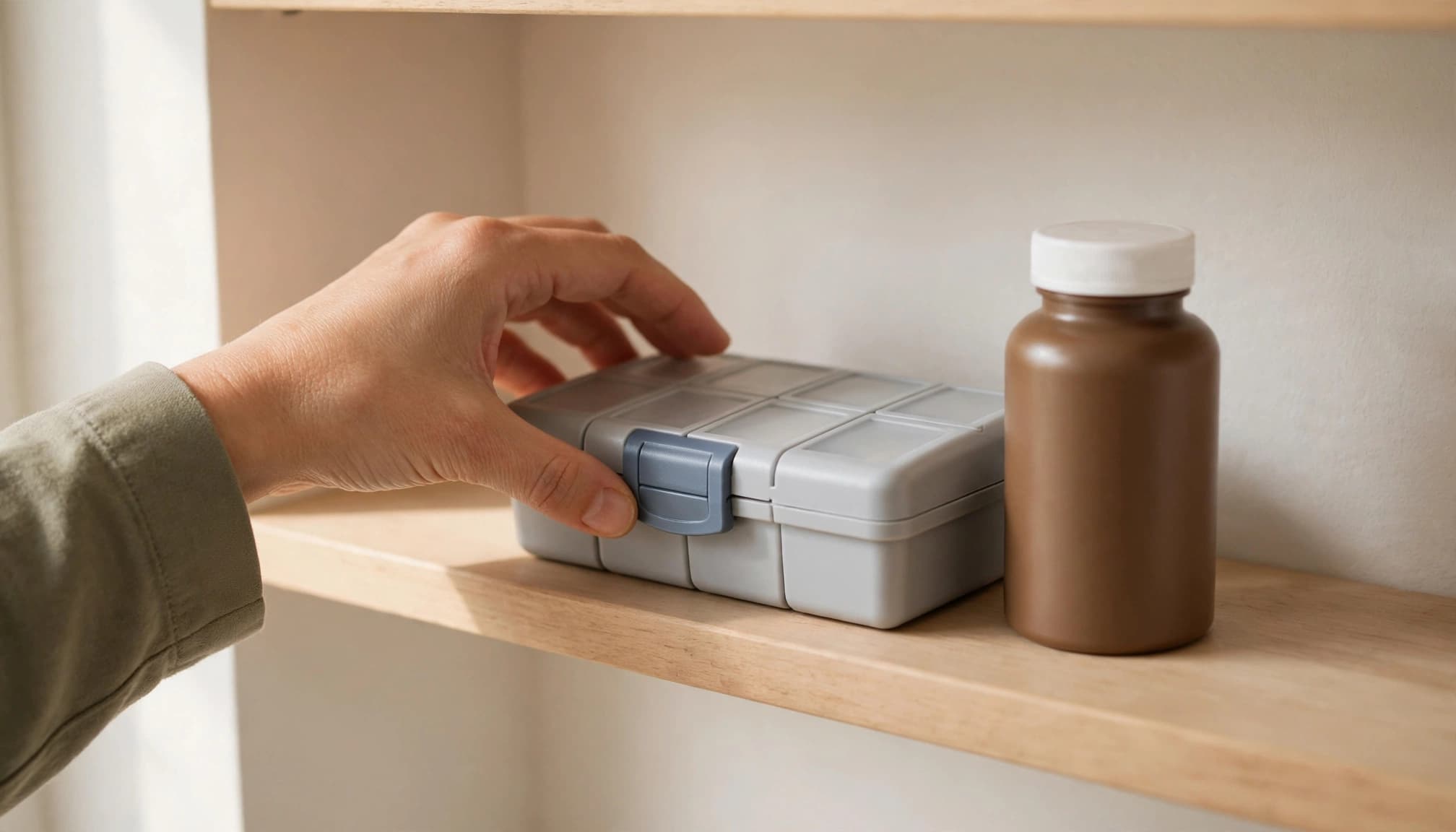
Iron belongs in its original child-resistant packaging, inside locked storage. A high shelf alone isn't adequate protection.
How to Access Iron Supplements Affordably
Iron supplement prices depend on the formulation, elemental iron content, added ingredients, and pack size. A lower bottle price doesn't establish equivalent treatment value.
Waldrugmart listings show Swisse Ultiboost Iron, containing 20 mg of iron, at USD $15.99 for 30 tablets. BioCeuticals Iron Sustain, containing 24 mg of iron plus vitamin C and other nutrients, is listed at USD $21.49 for 30 tablets. Prices can change, and these products aren't interchangeable solely because both contain iron.
For domestic versus international purchases, the useful comparison is the total delivered price of an equivalent product. Online medicine home delivery may help people with limited pharmacy access, but shipping charges, taxes, and delays can erase a modest price difference.
Medicine delivery costs to the USA, UK, or Australia also depend on the destination and import rules. An international online pharmacy should provide verifiable licensing information, pharmacist access, and appropriate prescription checks.
Prescription medicine requires compliant prescribing and dispensing. Global sourcing doesn't establish local authorization or product equivalence, and US personal-importation rules don't permit every medicine purchase.
Key Takeaways
- Iron supplement interactions require product-specific timing: thyroid medicine needs at least four hours apart, while antibiotic instructions vary.
- Calcium, antacids, tea, and coffee can affect absorption. Proton pump inhibitors may require treatment review rather than a different dosing time.
- Elemental iron content, blood-test results, and tolerability matter more than brand or bottle price. Suspected overdose requires immediate help.
Frequently Asked Questions
Can iron and levothyroxine be taken on the same day?
Yes, both can fit into the same day when separated by at least four hours. Morning thyroid medicine and later iron is one scheduling option. The exact plan should preserve the medicine’s fasting instructions and account for calcium, breakfast, and any other interacting medicines in the regimen.
Does iron need to be taken with vitamin C?
Vitamin C can improve non-heme iron absorption, and some clinicians suggest taking iron with orange juice. However, a separate supplement isn't automatically required. Combination tablets may already include it. The iron product's instructions and the patient's tolerance matter more than adding another supplement routinely.
Can tea or coffee be taken with an iron tablet?
Tea and coffee can reduce iron absorption, so they shouldn't accompany the dose. Water is a simpler choice. The cited guidance doesn't provide one proven spacing interval for every beverage and formulation. Calcium-containing milk added to coffee creates another reason to keep the drink separate.
What alternatives exist when oral iron causes constipation?
Clinicians can review the dose, formulation, and frequency, and assess whether constipation needs treatment. Intravenous iron may be appropriate when oral treatment is unsuitable, poorly absorbed, or ineffective. It requires clinical assessment and supervised administration. Persistent intolerance shouldn't lead to an unreviewed switch or extra doses.
Is buying iron from an online pharmacy safe?
Safety depends on the seller's licensing, product authenticity, labeling, and access to qualified pharmacy advice. The full medication list still needs an interaction review. Prescription products require appropriate prescription checks, and international purchases must meet destination-country rules. A low advertised price doesn't establish quality or legal eligibility.
A Safe Schedule Depends on the Exact Medicine
Iron treatment works best when the dose, diagnosis, and timing fit together. The strongest schedules protect prescription medicine requirements and leave room for food-related absorption issues and digestive tolerance.
A four-hour thyroid interval, a label-specific antibiotic gap, and follow-up blood tests address different risks. Safe spacing remains a medicine-by-medicine decision, supported by accurate labels and a complete medication review.