
Lithium Monitoring: Blood Tests and Safety Checks

Lithium monitoring combines timed blood levels with kidney, thyroid, and calcium tests to keep bipolar treatment effective and reduce toxicity risk. Testing starts before treatment and continues throughout it.
Lithium has a narrow therapeutic index, so relatively small changes in blood concentration can move treatment into a dangerous range. A useful monitoring plan accounts for dose timing, other medicines, illness, and changes in kidney function.
Table of Contents
- Key takeaways
- Why lithium needs blood tests
- A practical lithium monitoring schedule
- Timing samples and interpreting levels
- Kidney, thyroid, and calcium checks
- When extra checks are necessary
- Recognizing lithium toxicity
- Accessing treatment affordably
- Frequently asked questions
Key Takeaways
Blood samples usually belong 12 hours after the last dose. Lithium levels need repeat testing after treatment changes, then generally every three to six months once stable. Symptoms of toxicity require urgent assessment even when a recent result was within range.
Why Lithium Needs Blood Tests
Lithium is a mood stabilizer used for acute mania and long-term prevention of bipolar episodes. Its mechanism isn't fully understood, but it affects intracellular signaling and neurotransmitter activity.
The kidneys remove lithium from the body, and chronic kidney disease or reduced creatinine clearance can impair this process. Dehydration, declining kidney function, and certain medicines can raise lithium concentrations even when the prescribed dose stays the same.
Monitoring supports continued treatment while identifying preventable harm. It also helps distinguish medication effects from depression, thyroid disease, or another illness.
Kidney disease, pregnancy, and difficulty maintaining fluid intake require individualized specialist assessment. Age alone doesn't exclude lithium, although older adults generally need lower targets and closer surveillance.
A Practical Lithium Monitoring Schedule
Schedules differ between guidelines and product labels. The following reflects a common NICE/NHS approach, with additional testing when clinical risk rises.
These intervals aren't universal. Your prescriber sets the schedule based on treatment stage, results, kidney function, age, interacting medicines, and other individual risks.
Before the first dose
Baseline checks include serum creatinine, estimated glomerular filtration rate (eGFR), urea or blood urea nitrogen (BUN), electrolytes, thyroid function, calcium, and a full blood count. Clinicians also record weight and assess pregnancy status where relevant.
An ECG is appropriate when cardiovascular disease or risk factors are present.
After starting and during maintenance
The NHS Specialist Pharmacy Service schedule separates lithium concentrations from organ-function testing.
| Treatment stage | Usual checks |
|---|---|
| Starting or changing dose | Lithium level after about five to seven days, then weekly until stable |
| Changing brand or formulation | Repeat levels using initiation-style monitoring |
| First year after stabilization | Lithium level every three months |
| Stable treatment after year one | Lithium level every three to six months |
| Ongoing organ checks | Kidney function, electrolytes, thyroid function, and calcium generally every six months |
Some US labeling calls for an earlier initial assay, after three days. The applicable product and specialist protocol determine timing; impaired renal clearance may delay stabilization.
A six- to 12-month interval isn't the routine NICE/NHS schedule for lithium concentrations. Organ tests and lithium levels shouldn't be assumed to share identical intervals.
Timing Samples and Interpreting Levels
A consistent 12-hour sample
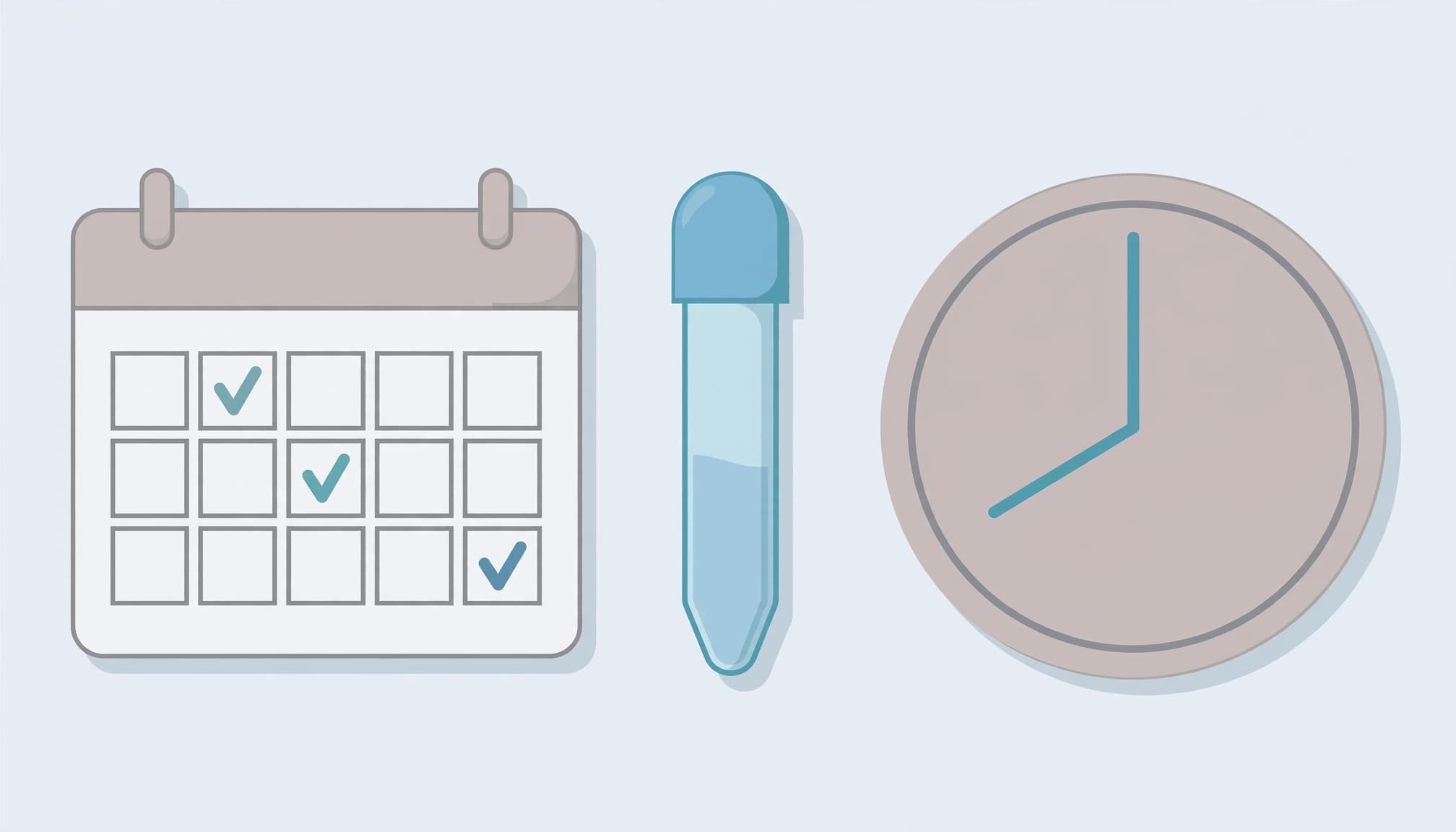
Standard monitoring uses a serum lithium blood sample approximately 12 hours after the last dose, often the following morning. This consistently timed sample is commonly called a trough level. Record the last dose and collection times with the result.
Some references allow an eight- to 12-hour sampling window. However, consistent 12-hour timing makes serial results easier to compare. For once-daily evening treatment, collect the sample 12 hours after the dose, not just before the next evening dose.
An unexpectedly high result needs review of sampling time alongside symptoms, hydration, and other medicines.
Targets depend on treatment phase
The therapeutic range varies by treatment phase, and the prescriber individualizes the target for each patient.
| Clinical situation | Common serum target |
|---|---|
| Maintenance therapy | 0.6 to 1.0 mmol/L |
| Selected patients and some older adults | 0.4 to 0.8 mmol/L |
| Acute mania | 0.8 to 1.2 mmol/L |
| Increased toxicity risk | Around 1.5 mmol/L or higher |
NICE commonly starts with a narrower maintenance target of 0.6 to 0.8 mmol/L. Higher targets may suit persistent symptoms or relapse.
For lithium, mmol/L and mEq/L are numerically equivalent. A concentration within the laboratory range doesn't exclude toxicity.
Kidney, Thyroid, and Calcium Checks
Kidney function and excessive urination
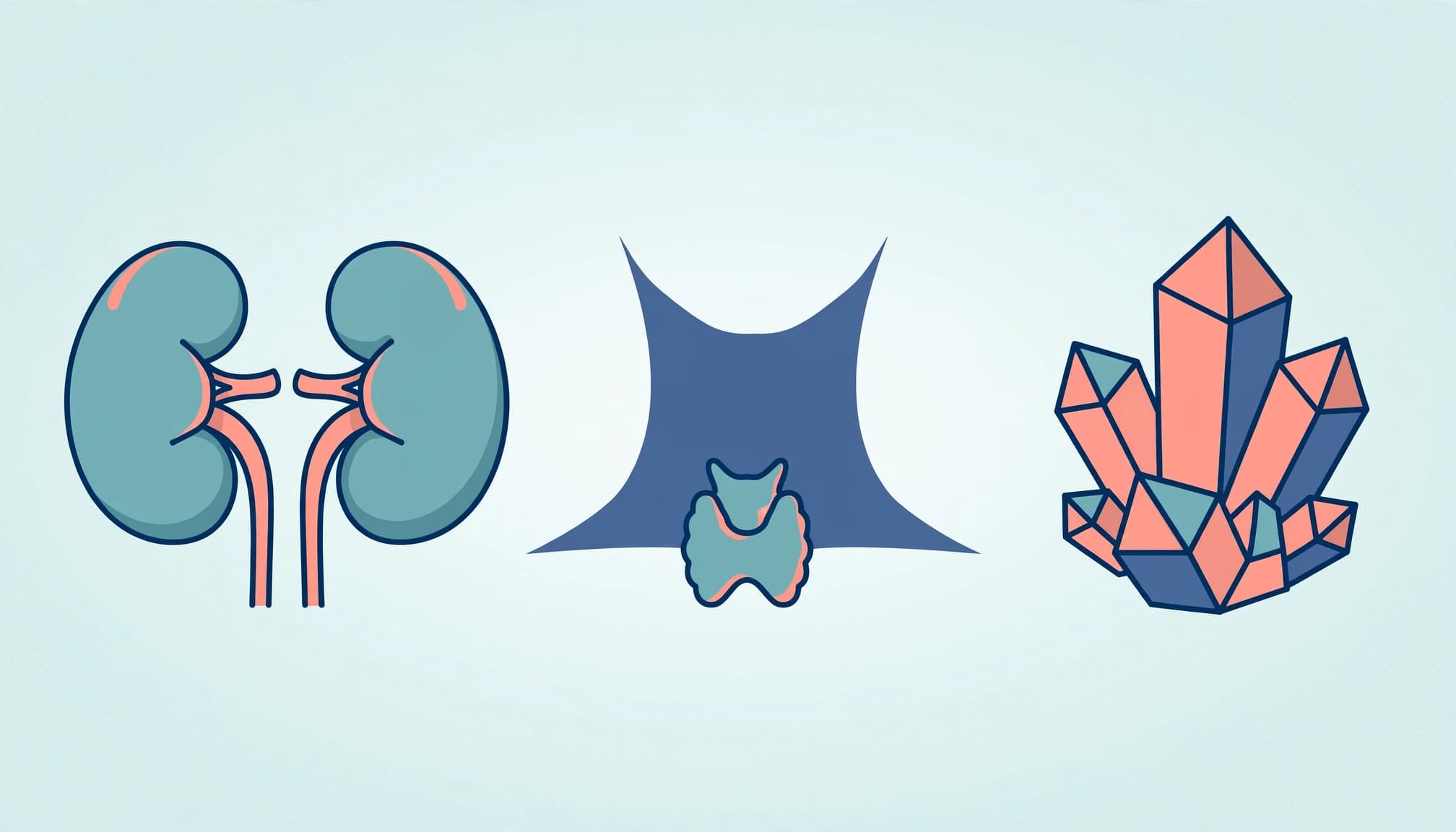
Creatinine, BUN or urea, electrolytes, and eGFR help assess lithium clearance. Some protocols check renal function every two to three months initially, then every three to six months. NICE generally uses six-monthly testing, with shorter intervals for abnormalities or higher risk.
Lithium can reduce the kidneys' ability to concentrate urine. Older reference estimates put increased urination near 60%, with roughly 35% passing more than three liters daily; estimates vary across studies. Typical daily output is approximately one to two liters.
Persistent thirst, nighttime urination, or polyuria, unusually high urine output, warrant assessment for nephrogenic diabetes insipidus. A falling eGFR requires review of the trend and treatment plan.
Thyroid function and calcium
Thyroid-stimulating hormone (TSH) testing detects hypothyroidism. Clinicians may test once or twice during the first six months, then every six to 12 months, or every three to six months when risk or abnormalities warrant it.
Current NICE prescribing guidance includes six-monthly thyroid and calcium checks. Lithium-associated hypothyroidism can often receive thyroid replacement without stopping lithium.
Lithium can also cause hyperparathyroidism and high calcium. A 2014 Health Canada advisory recommended annual calcium testing; six-monthly UK schedules are more frequent. Persistent elevation may require repeat calcium and parathyroid hormone testing.
When Extra Checks Are Necessary
Older adults clear lithium less efficiently and often take interacting medicines. At least three-monthly lithium levels are commonly appropriate.
The Ontario study of older adults included 11,006 people aged 66 or older, half taking lithium. Only 24.1%, 42.4%, and 66.8% of lithium users had a level recorded within 90, 180, and 365 days, respectively. These historical findings show how monitoring can fall short of recommended intervals.
Drug interactions with thiazide diuretics, NSAIDs such as ibuprofen, and ACE inhibitors can raise lithium concentrations. Starting or stopping these medicines requires closer monitoring. Carbamazepine can increase neurological toxicity even without raising the lithium level.
Vomiting, diarrhea, fever, heavy sweating, or reduced fluid intake also warrant prompt clinical advice. Abrupt salt restriction can alter lithium handling. Surgery needs an advance medication plan because fasting and fluid shifts affect safety.
Recognizing Lithium Toxicity
Warning signs include worsening tremor, weakness, dizziness, drowsiness, blurred vision, slurred speech, and ataxia, or impaired coordination or walking. Vomiting and diarrhea may also occur. Severe toxicity can cause seizures or coma.
Toxicity becomes more likely around 1.5 mmol/L and above, but symptoms can occur at lower concentrations, especially during chronic treatment.
If symptoms suggest toxicity, seek urgent medical assessment immediately. Scheduled blood tests aren't a substitute for urgent care. Follow the clinician's instructions about withholding or changing a dose. An immediate lithium level and kidney and electrolyte tests may be needed, but assessment shouldn't wait for results. Severe confusion, inability to walk, collapse, or seizures require emergency services.
There is no specific antidote. Lithium toxicity management includes supportive treatment, carefully managed fluids, and hemodialysis in selected severe cases. A specialist should guide any subsequent dosing.
How to Access Lithium Treatment Affordably
Total treatment cost includes medicine, laboratory testing, consultations, and delivery. A low tablet price doesn't establish the lowest overall cost.
USA insurance coverage, Australian subsidy eligibility, and prescription-charge arrangements across the UK affect spending. Comparisons between local dispensing and international sourcing also need to account for delivery charges and continuity of the prescribed formulation.
Our Online Pharmacy requires a valid prescription for prescription medicine. Home delivery can support refill access, but it doesn't replace local blood testing or clinical review.
A cheaper brand or formulation shouldn't trigger an unplanned substitution. Different preparations may require repeat lithium monitoring, so purchasing decisions belong within the treatment plan.
Frequently Asked Questions
Can lithium cause hypothyroidism?
Yes. Lithium can interfere with thyroid hormone production and release. Fatigue, constipation, feeling cold, or weight gain may prompt testing, but blood tests can detect changes before symptoms appear. Hypothyroidism often responds to levothyroxine, allowing lithium treatment to continue under clinical supervision.
How should lithium be tapered?
Don't stop, taper, or change your lithium dose without guidance from your prescriber. Planned discontinuation is clinician-directed and usually involves a gradual dose reduction over at least four weeks, preferably up to three months. Your clinician monitors for relapse during the taper. If you suspect toxicity, seek urgent medical assessment immediately and follow the clinician's instructions rather than changing or withholding a dose on your own.
What is the usual oral lithium dose?
There isn't one dose suitable for all adults. Immediate-release and extended-release products have different dosing schedules, and kidney function, age, interactions, and treatment phase affect requirements. Clinicians adjust the prescribed milligrams using properly timed blood levels and clinical response. The serum target isn't a tablet-dose instruction.
What alternatives are available for bipolar disorder?
Alternatives depend on whether treatment addresses mania, depression, or relapse prevention. Our Lamictal medication information covers lamotrigine, which has a role in maintenance but doesn't treat acute mania. Depakote medication information describes divalproex. These medicines have different risks, including serious rash with lamotrigine and major reproductive risks with valproate.
Is ordering lithium online a substitute for monitoring?
No. Prescription dispensing and laboratory surveillance are separate parts of care. An online medicine supply still requires a valid prescription, consistent formulation, and an active testing plan. International delivery also doesn't remove import restrictions or the need for a clinician who can assess results and respond to illness.
Safe Treatment Depends on Consistent Monitoring
Lithium's benefits depend on maintaining an effective concentration while tracking kidney, thyroid, and calcium changes. Consistent sampling and timely responses to symptoms matter as much as the number on a laboratory report.
This information is for educational purposes only. Consult a licensed healthcare provider for individualized prescribing, monitoring, and interpretation of abnormal results.