
Liver Cancer Treatment Update 2026: The Role of Cabometyx After Sorafenib

Liver cancer treatment can feel like switching maps mid-trip. One road closes, another opens, and you still need a clear route forward.
In 2026, first-line care for advanced hepatocellular carcinoma (HCC) has expanded, and it's often built around immunotherapy combinations. Still, many people either started with sorafenib, or they later need a next-step option when sorafenib stops helping.
This article focuses on Cabometyx (cabozantinib) as a proven choice after sorafenib, what it's designed to do, what day-to-day treatment can look like, and how to think about cost and safe access. This is general information, not personal medical advice, always confirm decisions with your oncology team. Many anticancer drugs can help, but the "right" one depends on your liver, your cancer, and your life.
Where Cabometyx fits after sorafenib, and what it does inside the tumor
When doctors talk about "after sorafenib," they usually mean the cancer grew, side effects became too hard, or the benefit faded. In that moment, the goal often shifts from "keep going with the same plan" to "slow this down with a drug that still has a track record."
Cabometyx is commonly used for advanced HCC in people who previously took sorafenib and still have enough liver reserve to tolerate treatment. In real life, that often means fairly stable liver function and a care team ready to monitor closely. Cabometyx is a daily pill, and in HCC it's given as Cabometyx tablets (not capsules).
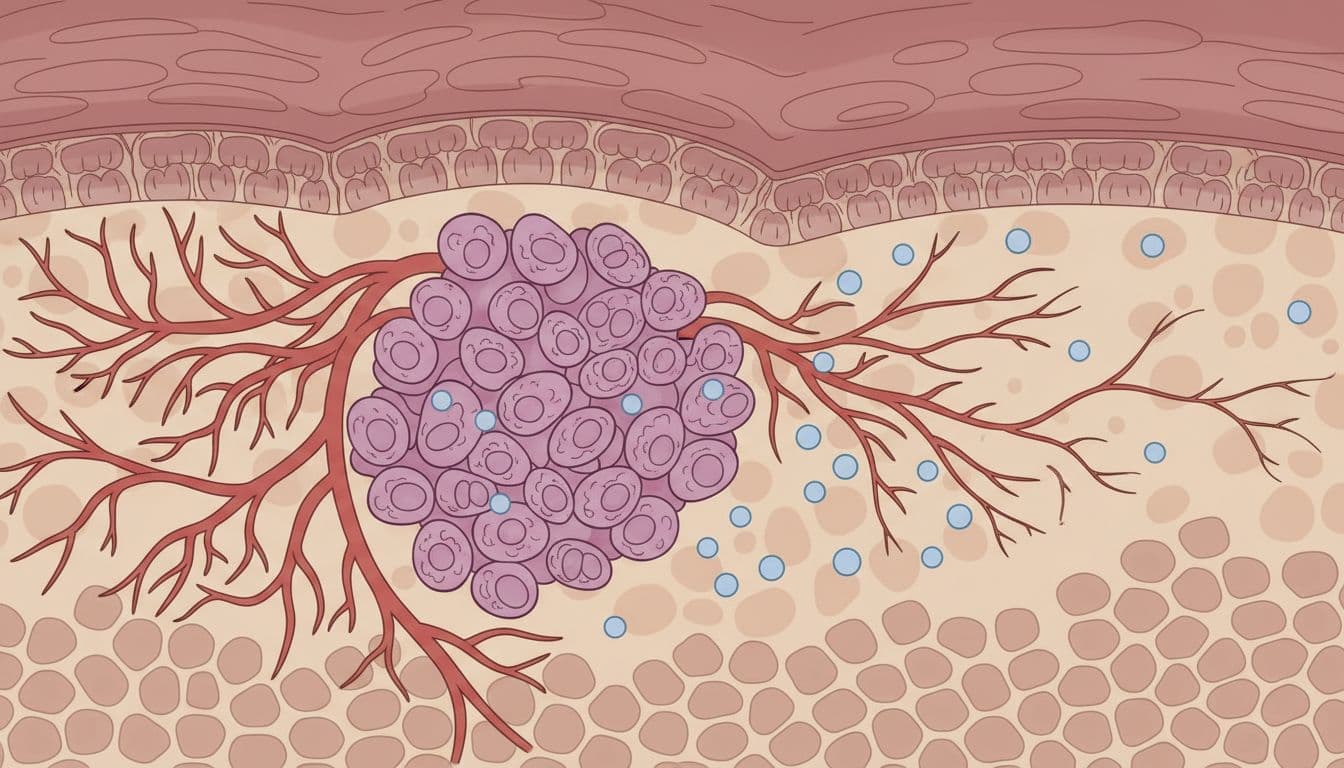
Inside the tumor, Cabometyx blocks several signals cancer cells rely on. Think of those signals like construction permits. Without them, the tumor has a harder time building new blood vessels and expanding into new space.
The quick version of the evidence that made Cabometyx a second-line standard
Cabometyx earned its place largely through the phase 3 CELESTIAL trial, which studied people with advanced HCC who had already received sorafenib.
Here's the plain-language meaning of the headline numbers:
- People taking Cabometyx lived longer on average: 10.2 months vs 8.0 months on placebo.
- Tumors took longer to grow or spread: 5.2 months vs 1.9 months.
Those numbers don't promise a specific outcome for any one person. However, they do support a real, measurable benefit: Cabometyx can slow growth and buy time, which can matter when you're trying to stay eligible for other options later. For a deeper look at the subgroup findings after sorafenib, see the UCSF summary of the CELESTIAL subgroup analysis.
Cabometyx compared with other next-step choices when sorafenib fails
After sorafenib, more than one drug can make sense. The "best" pick usually depends on three practical questions:
- How strong is the liver right now? A medicine you could handle last year might be too much today.
- What side effects were hardest before? For example, if blood pressure was already tough, your team may plan tighter monitoring.
- What have you already used? Treatment order matters, especially now that first-line care may include immunotherapy.
Some analyses suggest Cabometyx can compare well with regorafenib for certain patients, but doctors don't treat spreadsheets, they treat people. Your history, your scans, and your labs shape the choice.
It also helps to remember there are other targeted options used in liver cancer care. For example, some patients discuss lenvatinib-based therapy earlier in the pathway. If you're comparing oral targeted medicines, this page on Lenvatinib for unresectable liver cancer can help you understand how another targeted drug is described and supplied.
What taking Cabometyx is really like, dosing, side effects, and safety checks
Cabometyx treatment is often less "one big event" and more like a steady routine. You take the tablet once daily, and the care team watches for signs your body needs a slower pace.
A typical starting dose in HCC is 60 mg once daily, and dose changes are common. If side effects build, clinicians may pause treatment, then restart at a lower dose. That isn't failure, it's control. The goal is to keep you on therapy long enough to help, without letting side effects run your week.

Many patients stay on Cabometyx longer when side effects are addressed early, not "pushed through."
If your clinician instructs it, take Cabometyx consistently and follow the label directions about timing with food. Also, keep a simple symptom log. A few lines per day can reveal patterns your memory won't.
Common side effects you might notice first, and simple ways to cope
Some side effects show up early, while others build over weeks. Common ones include diarrhea, tiredness, nausea, mouth sores, appetite or weight changes, high blood pressure, and skin or hair changes.
Small habits can reduce friction:
- Hydrate often, especially if stools loosen.
- Choose bland foods on rough days (rice, toast, bananas).
- Use gentle mouth care if sores appear (soft brush, mild rinses).
- Track blood pressure at home if your team recommends it.
Just as important, don't start new over-the-counter meds, herbs, or supplements without asking. Drug interactions can change Cabometyx levels and side effects.
The safety checklist: labs, liver function, and red-flag symptoms
In HCC, liver tests matter even more because the liver is both the "site" and the "filter." Your clinic may check blood counts, liver enzymes, kidney function, and blood pressure on a regular schedule.
Call your care team fast (or seek urgent care) if you notice:
- Unusual bleeding or black stools
- Severe belly pain
- Chest pain, shortness of breath, or one-sided weakness
- Yellow skin or eyes, dark urine
- A severe headache, confusion, or fainting
These symptoms can have many causes, but they should never be ignored during treatment. Regular follow-ups, honest symptom reporting, and dose changes when needed are part of safer Cabometyx use.
Cabozanib price in 2026, access options, and how to buy safely with a prescription
Cancer pills can trigger sticker shock, and Cabometyx is no exception. In the US, monthly costs are often discussed in the five-figure range, and many people hear estimates around $12,000 per month without coverage. The Cabozanib price you personally face depends on insurance, pharmacy channel, and assistance options.
Some patent changes starting in 2026 may create more price movement over time, but that shift is rarely immediate at the patient level. For practical help, the manufacturer outlines support options on the Cabometyx cost and financial support page.
People also search phrases like "Cabometyx buy at low price," but the safest path still starts the same way: a valid prescription, a verified pharmacy, and a pharmacist review. Low cost should never mean low safety.
What drives the cost, and why prices can vary so much month to month
Prices can swing because each step in the chain can add rules and fees. Brand status, specialty pharmacy requirements, insurance prior authorizations, and regional contracts all play a role. Even timing matters, a new plan year can change copays overnight.
If costs feel impossible, ask about patient assistance programs, foundation support, and discount options. Your oncology clinic may also have a financial navigator who knows the local routes.
A safe purchase checklist for online refills (and how to avoid fake cancer meds)
Buying cancer medicine online should feel boring and predictable. If it feels secretive or rushed, step back.
Here's a simple safety checklist:
- A valid prescription is required, and it's reviewed before dispensing.
- The pharmacy shows a clear strength, tablet count, and expiration details.
- Packaging looks professional, sealed, and consistent each refill.
- Shipping includes tracking and reasonable delivery timelines.
- A real pharmacist is available to confirm dosing and interactions.
If a seller offers Cabometyx without a prescription, that's not a deal, it's a risk.
How Cabometyx fits into the bigger 2026 liver cancer plan, including combos, procedures, and other cancer meds
In 2026, many people begin HCC treatment with immunotherapy-based plans when appropriate. Later, the pathway often mixes "whole-body" medicines with liver-directed options. Depending on tumor location and liver reserve, teams may discuss TACE, ablation, radiation, or referral to centers using newer non-invasive approaches such as histotripsy in selected cases.

Even with more first-line choices, many patients still reach a point where an oral targeted drug matters. Cabometyx remains one of those "steady tools" that can fit after sorafenib, and sometimes after other modern sequences too. Discussions about safety often look similar across oncology categories, whether the prescription is for liver cancer or Breast Cancer Medicines, because verification, interactions, and monitoring always matter. For added context on how later-line cabozantinib fits into evolving HCC strategy, see OncLive's discussion of later-line Cabometyx trial data.
When doctors think about trials or combining treatments, and what to ask at your next visit
Clinical trials can be a good fit when standard paths narrow, or when you want access to a new approach with close follow-up. Bring a short list of questions so the visit stays clear:
- What's the goal right now, shrink tumors, slow growth, or relieve symptoms?
- How will we measure if Cabometyx is working?
- Which side effects would make you lower the dose or pause?
- How does my liver function change the plan?
- Is there a clinical trial I qualify for, and what would I be giving up?
Conclusion
When sorafenib stops working, the next step can feel like standing at a closed bridge. Cabometyx remains a well-supported second-line option, with evidence that it can slow tumor growth and extend survival for many patients, while still requiring careful monitoring. Side effects are common, but dose changes and early symptom reporting often help people stay on treatment. If you're considering Cabometyx, talk with your oncology team and a pharmacist about fit, refill timing, and cost support. Above all, use trusted prescription channels and don't gamble on unverified sellers.