
Medication-induced sweating: Why medicines cause it
Written by: Waldrugmart Editorial Team
Reviewed by: Navdeep Singh, B.Pharm — Registered Pharmacist
Last reviewed:
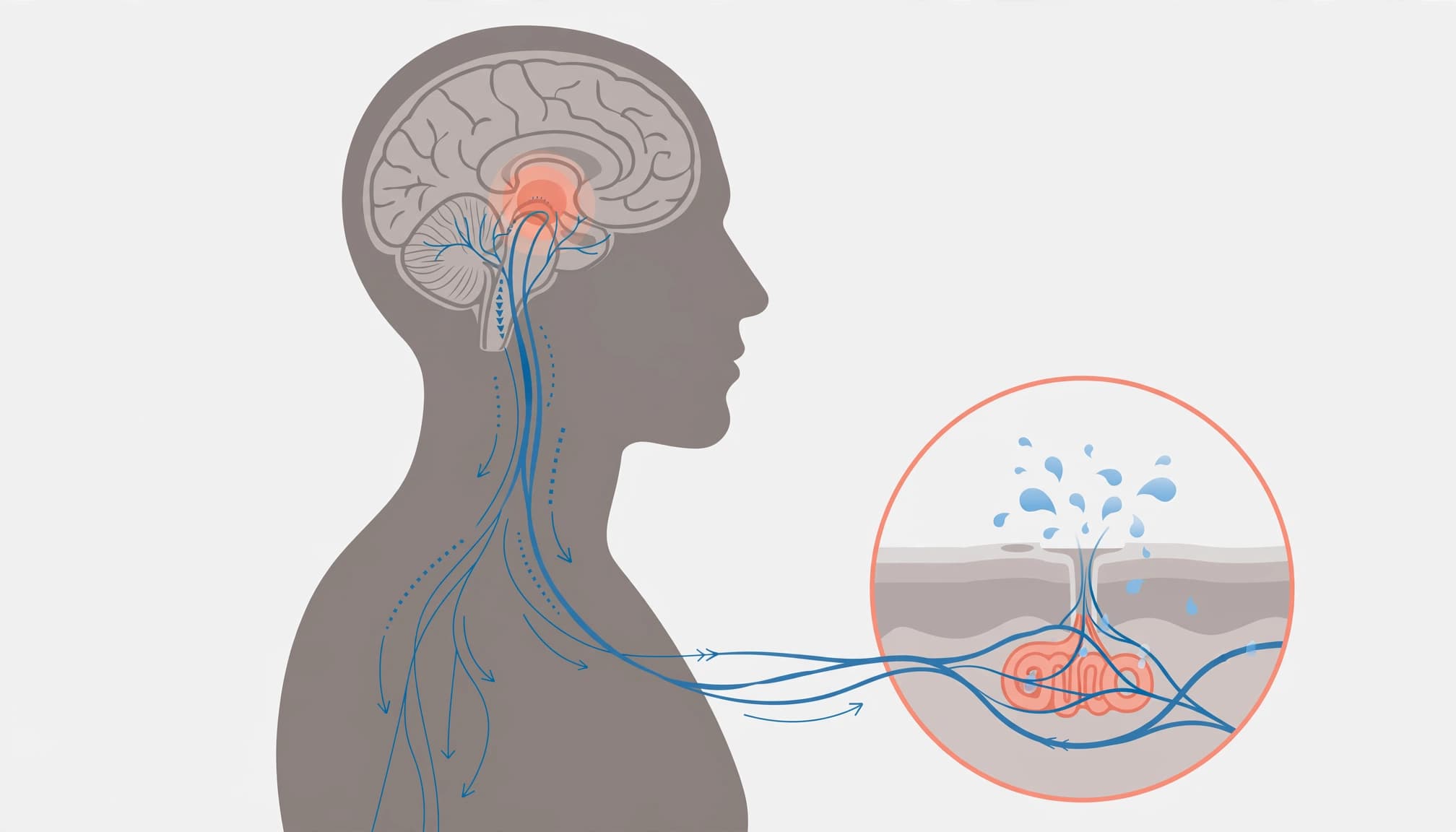
Medication-induced sweating happens when a drug changes the brain's temperature control, stimulates sweat-gland nerves, or triggers another problem, such as low blood sugar. It can affect the whole body or occur during sleep.
Although often manageable, new heavy sweating can be a medication side effect and deserves assessment. Stopping treatment abruptly can cause withdrawal or allow the original condition to return. The medicine involved, symptom timing and accompanying signs help determine the safest response.
Key takeaways
- Some mood medicines, opioids, stimulants and other drug classes can cause excessive sweating.
- Sweating can occur at low doses, but timing alone doesn't prove a medicine caused it.
- Fever, confusion, muscle rigidity or severe hypoglycemia symptoms require urgent assessment.
Table of contents
- How medication-induced sweating works
- Medicines associated with excessive sweating
- Antidepressant risks compared
- Symptoms that need medical assessment
- Management without abrupt withdrawal
- Affordable, safe treatment access
- Frequently asked questions
How medication-induced sweating works
Drug-induced sweating is a form of secondary hyperhidrosis, meaning excessive sweating caused by another condition or exposure. Medicines can affect temperature regulation, nerve signaling or the sweat glands themselves.
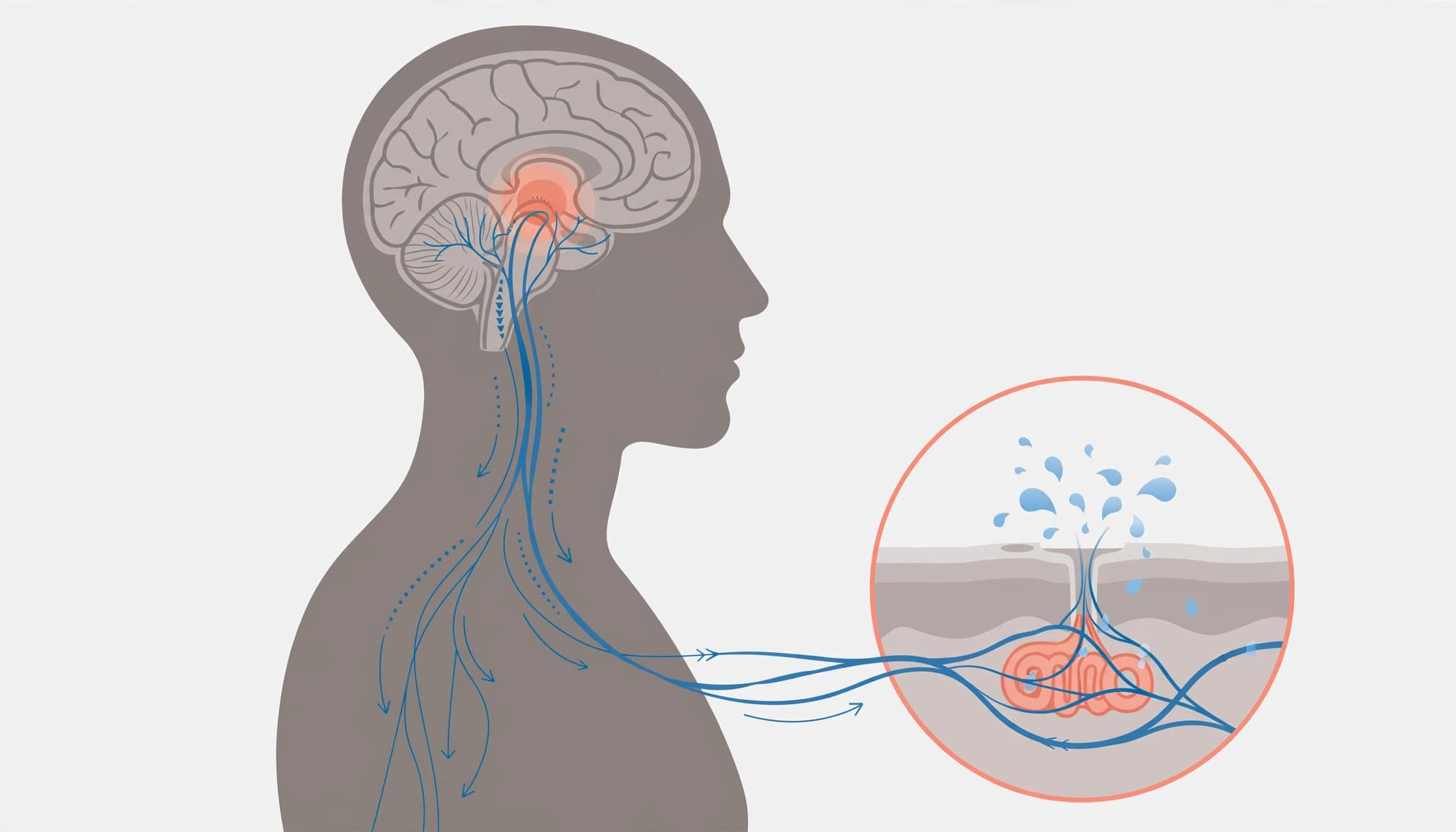
The brain and sweat glands
The hypothalamus regulates body temperature. Medicines that alter serotonin, norepinephrine or other signaling chemicals can change its response to heat.
Meanwhile, sympathetic nerves activate most sweat glands through acetylcholine. Drugs that increase this activity can produce perspiration without exercise or high temperatures. A review of drug-induced hyperhidrosis describes several medicines that interfere with normal sweating control.
Why the lowest dose can still cause sweating
A starting dose can affect temperature-control pathways enough to cause symptoms. Individual sensitivity, drug metabolism and interactions also influence exposure.
Therefore, sweating doesn't always increase predictably with dose. A low dose doesn't exclude medication-induced sweating, and a higher dose doesn't guarantee it. Sweating is a physical adverse effect; its occurrence during antidepressant treatment doesn't automatically mean anxiety is responsible.
Which medicines cause excessive sweating?
Drug-reference lists contain hundreds of reported associations. Grouping medicines by mechanism is more useful than treating every listed drug as equally likely to cause symptoms.
Antidepressants
SSRIs, including sertraline and fluoxetine, can cause generalized sweating or night sweats. Dual-action serotonin-norepinephrine reuptake inhibitors, such as venlafaxine and duloxetine, also commonly cause sweating.
Tricyclic antidepressants, including amitriptyline, can disrupt sweating regulation despite having other effects that dry the mouth. Changes in central neurotransmitters help explain this apparent contradiction.
Sweating is a common antidepressant side effect that deserves discussion even when treatment improves mood.
Other relevant drug classes
These medicines cause sweating through different pathways.
| Drug class | Examples | Relevant mechanism |
|---|---|---|
| Opioids | Morphine, oxycodone | Alter temperature control; histamine release from mast cells, particularly with morphine, can add warmth and perspiration. |
| Corticosteroids | Prednisone | Can increase metabolic activity and heat sensitivity. |
| Stimulants | Methylphenidate | Increase sympathetic nervous system activity. |
| Cholinesterase inhibitors | Donepezil, rivastigmine | Increase acetylcholine activity, which can stimulate sweat glands. |
| Glucose-lowering drugs | Insulin, glipizide | Can cause hypoglycemia, with sweating as a warning symptom. |
| Hormone treatments | Tamoxifen, leuprolide | Alter hormone signaling and can cause hot flushes with sweating. |
The distinction matters: sweating caused by low blood sugar needs a different response from an otherwise isolated antidepressant side effect.
How common is antidepressant-related sweating?
Published rates depend on the medicine, trial population and how researchers recorded symptoms. They aren't reliable head-to-head comparisons.
What prescribing information reports
U.S. sertraline prescribing information reports hyperhidrosis in 7% of treated participants, compared with 3% receiving placebo in pooled adult trials.
For venlafaxine extended-release, prescribing information lists sweating, including sweating during sleep, in 11.4% of treated participants versus 2.9% receiving placebo. Extended-release treatment therefore doesn't eliminate this adverse effect.
These figures show an association, not the probability that any particular episode has a drug-related cause.
Whether another antidepressant might help
Bupropion and vortioxetine have shown lower sweating signals than many SSRIs and dual-action antidepressants in pooled research. However, both can still cause sweating.
Neither is a universal substitute. Treatment choice depends on the diagnosis, previous response and contraindications. Bupropion, for example, is generally unsuitable for people with seizure disorders or certain eating disorders.
A switch must preserve treatment benefit as well as improve tolerability.
When sweating needs medical assessment
Medication-induced sweating can resemble symptoms of infection, thyroid disease, menopause or another illness. Its pattern helps guide assessment but doesn't establish the diagnosis.
Timing, daytime symptoms and night sweats
Sweating may begin after starting treatment, increasing a dose or adding an interacting medicine. Missed doses and withdrawal can also cause it.
Daytime episodes may affect the face, scalp or trunk. Episodes during sleep can soak sleepwear or bedding despite a cool room. Neither pattern identifies one particular drug.

Persistent drenching sweats, unexplained weight loss or fever warrant investigation. People taking cancer treatments such as ibrutinib (Imbruvica) need prompt assessment for possible infection rather than assuming a routine side effect.
Warning signs that change the response
Sweating with fever, agitation, confusion, tremor or muscle rigidity after serotonergic medicines can indicate serotonin syndrome. The sertraline medication safety information warns that this can be life-threatening. Suspected cases need emergency assessment.
Sweating with shakiness or hunger during diabetes treatment warrants an immediate glucose check. Severe confusion, seizures or unconsciousness require emergency help.
Even medicines with low hypoglycemia risk alone, including alogliptin and metformin, can carry greater risk alongside insulin or sulfonylureas.
Managing sweating without stopping treatment abruptly
The safest approach balances symptom relief against the medicine's benefit. An effective treatment may remain appropriate if sweating can be reduced safely.
Prepare a focused medication review
A useful discussion with the prescriber or pharmacist includes:
- Record every prescription medicine, nonprescription product and supplement, including dose and timing.
- Note when sweating started, recent changes, missed doses, fever and any glucose readings.
- Describe its practical effects, including disrupted sleep, soaked clothing or difficulty working.
The complete list matters because a newly added medicine can interact with a long-standing prescription. Timing supports an assessment, but it doesn't prove causation.
Consider changes and symptom treatment
A prescriber may reduce the dose, change timing, consider an extended-release formulation where appropriate, or transition to a lower-risk alternative. Extended-release options don't reliably prevent sweating.
Cooler rooms, breathable clothing and antiperspirants can help. Fluid replacement should respect any heart or kidney-related restrictions.
For persistent medication-induced sweating, clinicians sometimes prescribe medicines such as glycopyrrolate or oxybutynin off-label. These can cause dry mouth, constipation, urinary retention and overheating, so suitability needs careful review.
Some mood medicines, opioids and long-term corticosteroids shouldn't be stopped abruptly without clinical direction. Stopping suddenly can cause withdrawal symptoms, disease recurrence, or steroid-related adrenal problems, which can be serious.
Accessing treatment affordably and safely
There isn't one standard cost for treating medication-induced sweating. Some cases need a prescription adjustment; others require tests or an additional medicine.
A generic alternative may reduce expense, but comparisons must match the active ingredient, strength and formulation. An immediate-release tablet isn't automatically interchangeable with an extended-release product.
Prices, reimbursement and dispensing rules differ across the USA, UK and Australia. For international sourcing, shipping charges, import restrictions and supply continuity also affect the total cost. Online medicine home delivery doesn't replace clinical monitoring.
Our Online Pharmacy offers prescription review and pharmacist consultation. Prescription requirements still apply, and a lower advertised price alone doesn't establish that a medicine is appropriate.
This information is for educational purposes only. Consult a licensed healthcare provider for assessment of new, persistent or worsening sweating.
Frequently asked questions
Can sertraline cause night sweats?
Yes. Sertraline can cause excessive sweating during sleep as well as during the day. However, sweating during sleep can also result from infection, menopause or other conditions. Persistent or drenching episodes deserve assessment, especially when accompanied by fever, weight loss or other new symptoms.
Can venlafaxine cause sweating at a low dose?
Yes. Venlafaxine can cause sweating even at a low prescribed dose because individual sensitivity and drug exposure vary. Dose alone doesn't determine whether symptoms occur. A prescriber can assess whether adjustment or another treatment is appropriate without exposing the patient to abrupt withdrawal.
How long does medication-induced sweating last?
There isn't a fixed duration. Sweating may improve as the body adapts, but it can persist throughout treatment. After a supervised dose reduction or switch, improvement depends on the drug's clearance and the actual cause. Persistent symptoms shouldn't be dismissed as an adjustment period.
Is it safe to stop medicine because of night sweats?
Stopping without clinical guidance can cause withdrawal or a return of the treated condition. Mood medicines and opioids can themselves cause sweating during withdrawal. Long-term corticosteroids may require tapering. Severe symptoms need urgent assessment rather than an unsupervised experiment with missed doses or sudden discontinuation.
What conditions besides medicines cause excessive sweating?
Possible causes include hyperthyroidism, menopause, hypoglycemia, infections and some cancers. Primary hyperhidrosis usually causes localized sweating, often involving the palms, soles or underarms. New generalized sweating or drenching episodes prompt a different assessment, particularly when fever, swollen lymph nodes or weight loss accompanies them.
Sweating deserves a treatment review
Medication-induced sweating can have a biological explanation and still need investigation. The priority is to distinguish an uncomfortable adverse effect from hypoglycemia, infection or a serious drug reaction.
A supervised treatment review can reduce symptoms while protecting the benefit of the original medicine. Recognizing the side effect should open a discussion about treatment, rather than force a choice between persistent discomfort and abrupt withdrawal.