
Medication-Related Dry Mouth: Causes and Safe Relief

Medication dry mouth happens when a drug reduces saliva production or alters the sensation of moisture. Anticholinergic effects are a common cause, and management usually combines a medication review, moisture replacement and tooth protection.
Persistent dryness can make eating or speaking difficult and increase the risk of decay and fungal infections. Relief begins with distinguishing the medicine's effects from other causes, then treating discomfort without disrupting necessary care.
Table of contents
Key takeaways | Causes | Medication classes | Medication review | Daily relief | Dental protection | Prescription treatments | Affordable access | FAQ
Key Takeaways
- Antihistamines, antidepressants, bladder medicines and several other drug classes can reduce saliva.
- Moisturizing products relieve discomfort, while fluoride and dental care address decay risk.
- Dose changes and prescription saliva stimulants require clinical assessment.
This information is for educational purposes only. Consult a licensed healthcare provider before changing treatment.
Why Medication-Related Dry Mouth Happens
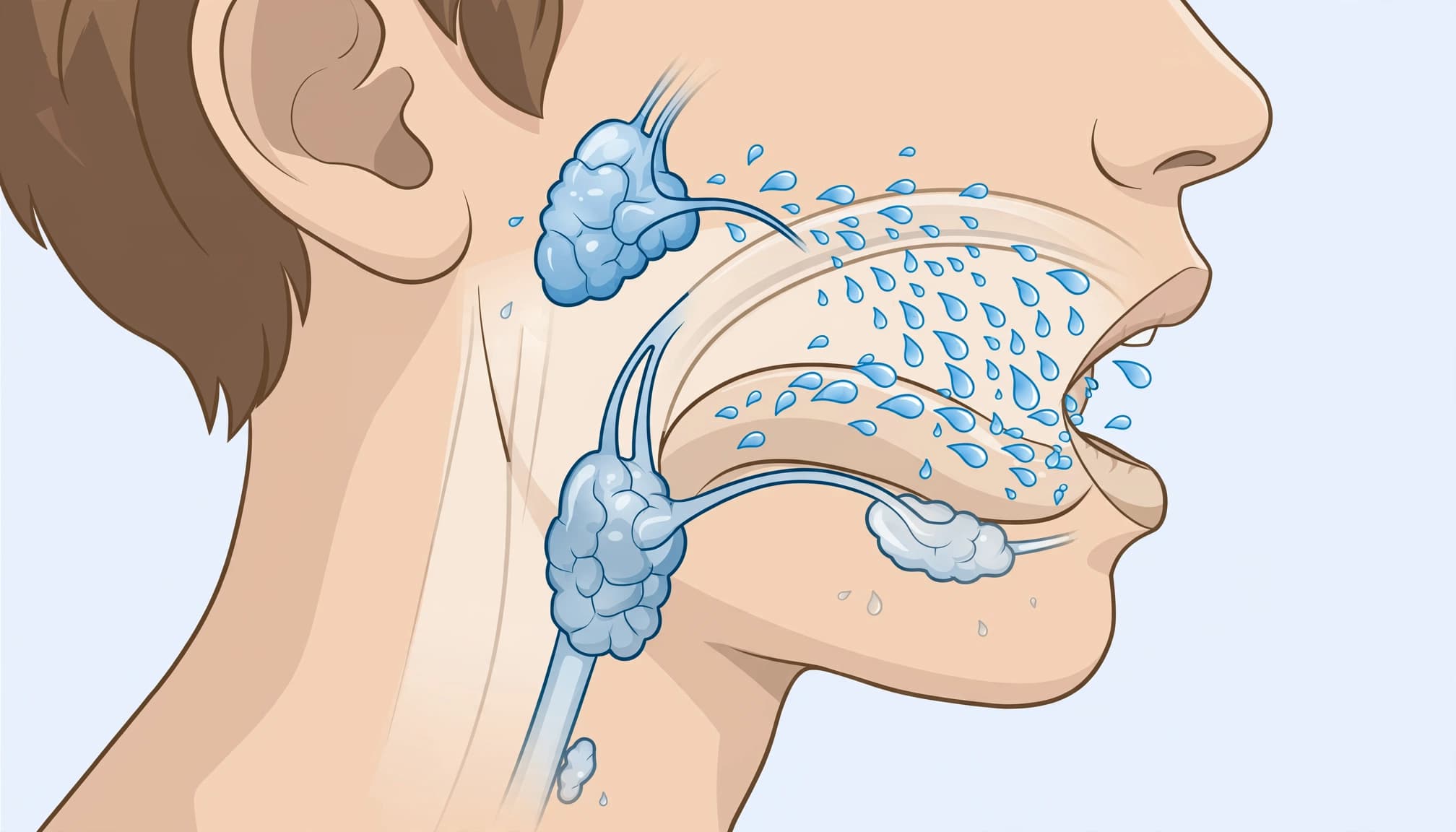
Anticholinergic medicines block saliva signals
Acetylcholine is a chemical messenger that helps activate salivary glands. Anticholinergic medicines block its action, reducing gland output, tears and mucus. Bladder medicines such as oxybutynin use this mechanism, although the drying effect is unwanted.
Other drugs affect gland secretion through different nervous-system pathways or contribute to fluid loss. As Mayo Clinic explains about dry mouth, medicines are a common cause, but diabetes and other conditions also deserve consideration.
Dryness and dehydration aren't identical
Xerostomia describes the feeling of a dry mouth. It doesn't always mean dehydration or a measurable reduction in gland output.
However, saliva helps neutralize acids and protect tooth surfaces. Replacing moisture can improve comfort without fully restoring those protective functions.
Which Medications Cause Dry Mouth?
Prescription medicines and nonprescription products are among the medications that cause dry mouth. Immediate-release oxybutynin causes dry mouth in more than 70% of people taking it.
Commonly implicated classes include the following.
| Medication class | Examples |
|---|---|
| Anticholinergic bladder medicines | Oxybutynin, tolterodine, solifenacin, trospium |
| First-generation antihistamines | Diphenhydramine (Benadryl), chlorpheniramine, hydroxyzine |
| Decongestants | Pseudoephedrine |
| SSRIs and SNRIs | Sertraline, paroxetine, citalopram, venlafaxine, duloxetine |
| Tricyclic antidepressants | Amitriptyline, nortriptyline, clomipramine |
| ADHD stimulants | Amphetamine salts (Adderall), methylphenidate (Ritalin, Concerta) |
| Opioids and benzodiazepines | Morphine, oxycodone, alprazolam, lorazepam |
| Other implicated medicines | Antipsychotics, lithium, tizanidine, furosemide, gabapentin |
The practical issue is often the combined effect of several medicines rather than one obvious culprit.
Nighttime cold remedies and sleep aids deserve attention because they may contain diphenhydramine. Our explanation of antihistamines and decongestants distinguishes these products and their different safety concerns. Adding an OTC product can increase drying effects even when established prescriptions haven't changed.
Reviewing Medicines Without Stopping Treatment
A structured medication review is safer than stopping medicines to test a theory.
- Record every prescription, OTC product and supplement, including the dose and frequency.
- Note when dryness began, recent dose changes and whether symptoms worsen after particular doses or overnight.
- Discuss the record with the prescriber or pharmacist, including eating difficulties, dental changes and fluid restrictions.
Timing supports this discussion, but it doesn't prove which medicine caused the symptom. Our guide to understanding medication side effects explains why the full clinical context matters.
Mayo Clinic's treatment guidance includes clinician-directed dose adjustments or medication changes. A prescriber may also review formulation and unnecessary duplicate ingredients. Antidepressants, benzodiazepines and other long-term treatments shouldn't be stopped abruptly.
Practical Ways to Manage Dry Mouth
Support moisture and remaining saliva
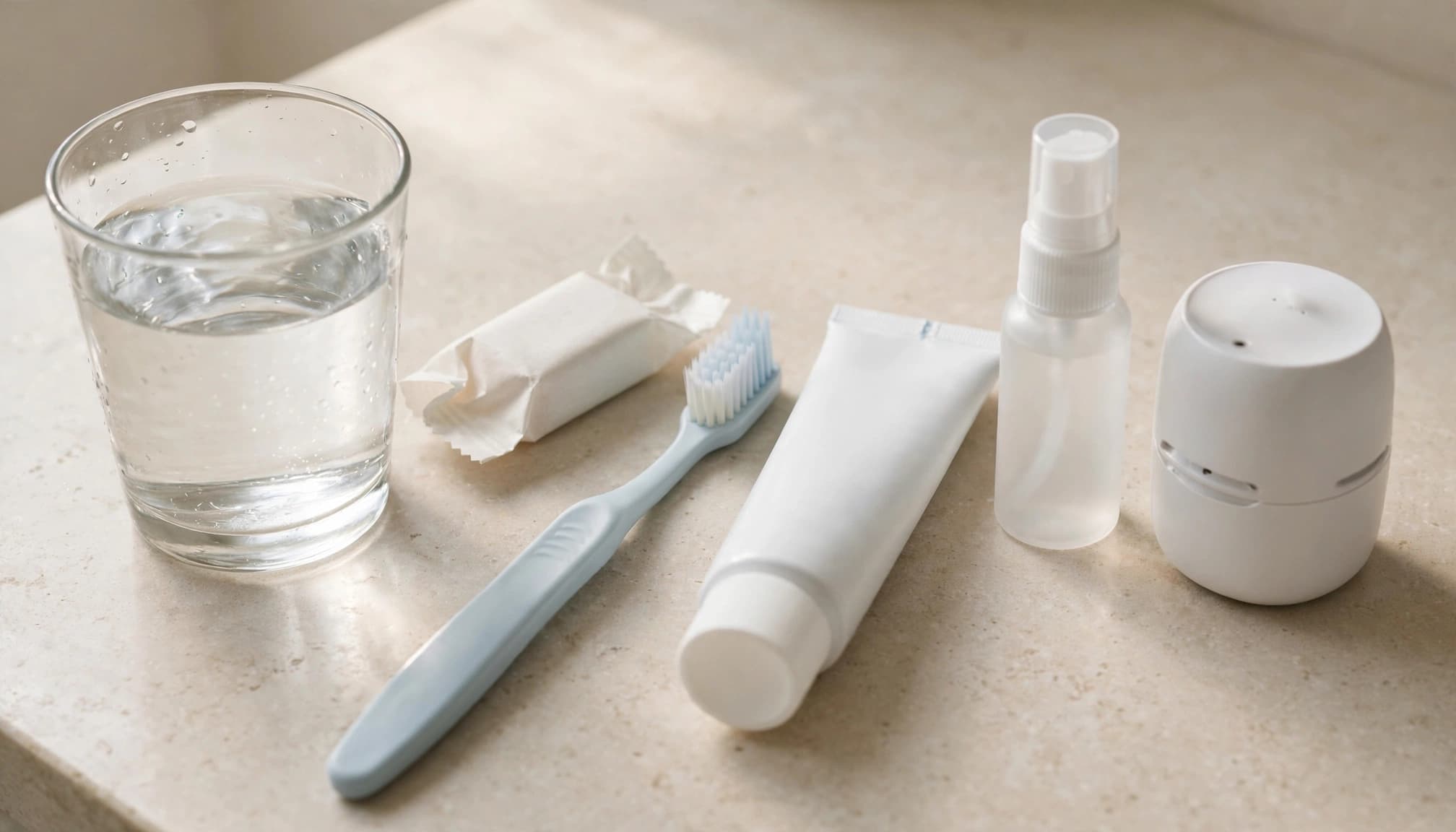
Small, frequent sips of water or sugar-free drinks can ease discomfort, particularly during meals. However, constant excessive sipping can wash away the mouth's protective mucus coating.
Johns Hopkins recommends xylitol gum or candy four to five times daily, for about five minutes after meals, to stimulate gland activity and reduce decay-producing bacteria. Large amounts can cause gas or diarrhea. Choose sugar-free gum or sugar-free candy, but avoid both if choking or swallowing problems are present.
Limiting caffeine may help because it's a mild diuretic. Alcohol and tobacco also worsen dryness.
Use substitutes for longer-lasting comfort
Biotene, Mouth Kote, Oasis Moisturizing Mouth Spray and ACT offer dry-mouth products, including saliva substitutes, alcohol-free mouthwash, gels and sprays. These products can replace moisture without increasing gland output.
The American Academy of Oral Medicine's guidance reports no strong evidence that one OTC saliva substitute is superior. Texture and duration of relief therefore matter more than claims of being the best.
At night, a humidifier and moisturizing product may reduce discomfort. Using it before sleep can also reduce repeated drinking and bathroom trips. Gum and loose hard candy shouldn't remain in the mouth during sleep.
Protecting Teeth and Managing Infection
Fluoride addresses the damage risk
Regular dental visits matter because persistent dryness raises the risk of tooth decay and caries, and cavities and periodontal problems can progress faster. Brushing with fluoride toothpaste and cleaning between teeth remain necessary even when moisture improves.
Johns Hopkins' dry-mouth management guidance describes daily bedtime use of 0.05% sodium fluoride rinse for low-to-moderate cavity risk. For high risk, a dentist may prescribe 1.1% neutral sodium fluoride toothpaste, such as Prevident 5000, or fluoride trays.
A bland rinse of one teaspoon salt and one teaspoon baking soda in one liter of water may soothe irritation. Spit it out, and don't use it as a replacement for fluoride.
Thrush and dentures need separate care
White patches, burning or soreness may indicate oral candidiasis. Treatment requires assessment and may include an antifungal troche, solution or oral pill. Clinicians may also prescribe nystatin treatment for dentures and toothbrushes.
Recurrent oral candidiasis in denture wearers warrants a review of denture hygiene and fit. Denture disinfection needs a dentist-directed plan. Hopkins describes soaking acrylic dentures in one part bleach to 10 parts water for 10 minutes, or metal-containing dentures in chlorhexidine for at least 20 minutes. Bleach can damage metal and must never enter the mouth; dentures require thorough rinsing.
Xylitol-containing products may make the mouth feel wetter, but they don't replace dental care or recommended fluoride protection against cavities.
When Prescription Saliva Stimulants Help
Pilocarpine and cevimeline stimulate gland activity
Pilocarpine (Salagen) tablets and cevimeline (Evoxac) capsules are muscarinic agonists and act as a secretogogue, activating receptors to increase gland output when functioning gland tissue remains.
Their FDA-approved uses include Sjogren syndrome; pilocarpine also treats dryness after head-and-neck radiation. Use for medication-induced dryness may be off-label. Our pilocarpine treatment information describes the oral prescription product, which is distinct from ophthalmic drops.
These treatments suit selected patients whose symptoms remain troublesome despite medication review and local measures.
Suitability and dosing need supervision
Excessive sweating is the most common adverse effect. Nausea and other gastrointestinal symptoms can also occur, and full benefit may take up to two months.
Uncontrolled asthma and narrow-angle glaucoma can rule out its use. Other asthma, glaucoma and heart-rhythm conditions require prescriber assessment.
Hopkins describes a supervised titration beginning with one tablet at bedtime, adding a morning tablet after one week, then moving to three daily doses after another week. This isn't a universal schedule; tablet strength, medical history and tolerability determine the prescription.
Accessing Dry-Mouth Treatment Affordably
Costs depend on whether treatment involves OTC moisturizers, prescription fluoride or a saliva stimulant. Neither imported products nor branded products are automatically the most economical choice.
Comparisons between local and international supply need to account for quantity, formulation and delivery charges. Prescription and importation rules differ across the USA, Australia and the UK; a prescription doesn't automatically authorize cross-border importation.
Our Online Pharmacy provides pharmacist consultation and requires a valid physician prescription for prescription medicines. That review can address treatment suitability before another medicine is added.
Frequently Asked Questions
How long does medication-related dry mouth last?
Some cases improve as the body adjusts, while others continue throughout treatment. Duration depends on the medicine, dose and other contributing conditions. Persistent symptoms deserve review rather than an assumption that they will disappear, particularly when eating becomes difficult or cavities develop.
Can dryness be managed without stopping a necessary medicine?
Often, yes. Moisture replacement, saliva stimulation and dental protection can improve symptoms while treatment continues. A prescriber may also adjust a dose or formulation. The balance depends on how well the medicine controls the underlying illness and how much harm the dryness causes.
What helps when water provides only brief relief?
For persistent dry mouth, a moisturizing gel, spray or rinse may provide longer-lasting lubrication, especially overnight. Xylitol gum can stimulate remaining saliva when chewing is safe. Frequent large drinks aren't always helpful, and people with prescribed fluid restrictions need a plan that respects those limits.
Can pilocarpine eye drops replace tablets for dry mouth?
No. Pilocarpine eye drops are ophthalmic medicines intended for prescribed eye conditions. They aren't interchangeable with oral tablets and shouldn't be swallowed or used as a homemade mouth treatment. Sharing an active ingredient doesn't make different formulations equivalent in dose, route or safety.
Which symptoms need prompt medical attention?
Difficulty swallowing, inability to maintain fluid intake, painful white patches or persistent mouth sores need assessment. Severe thirst with frequent urination also deserves medical review because diabetes may contribute. Trouble breathing or sudden swelling of the tongue or throat requires emergency care.
Relief Must Include Dental Protection
Medication-related dryness often needs several measures because comfort, saliva production and dental protection are separate problems. A medication review can reduce avoidable drying effects while preserving treatment for the underlying condition.
The strongest long-term approach combines symptom relief with prevention of oral damage. A mouth that feels more comfortable can still need fluoride, infection treatment and continuing dental care to prevent caries.