
Methimazole for Hyperthyroidism: Tests, Doses, Safety
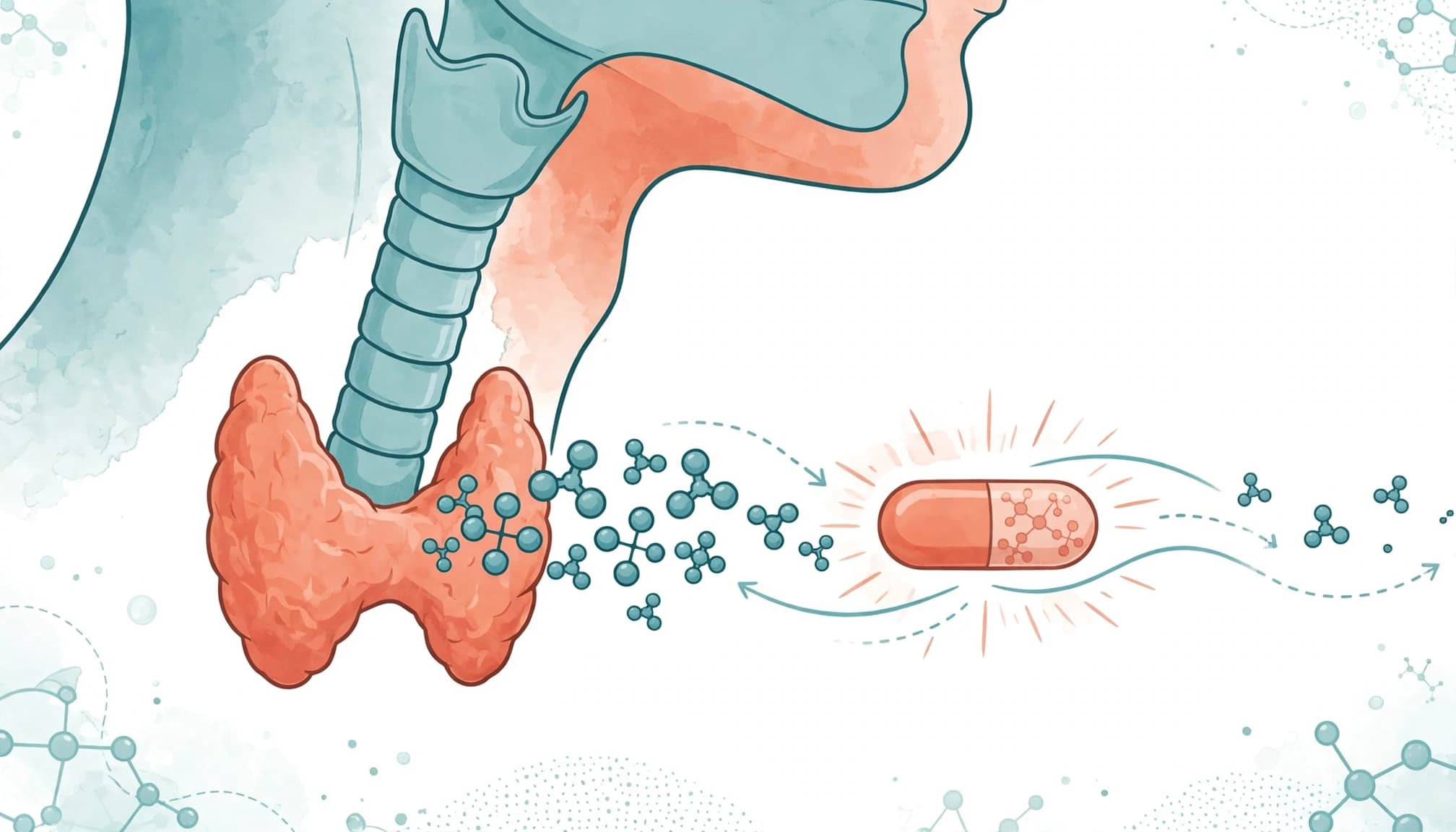
Methimazole for hyperthyroidism reduces excess thyroid hormone production without destroying the thyroid gland. Treatment usually starts with a higher dose, followed by blood-test-guided reductions as hormone levels return to normal. This guide to methimazole hyperthyroidism treatment covers testing, dose adjustments, and safety monitoring.
A normal result during treatment shows that the medicine is working; it doesn't establish remission. Safe treatment depends on distinguishing expected improvement from excessive thyroid suppression and recognizing uncommon but serious side effects.
Table of Contents
- How methimazole works
- Starting and maintenance doses
- Blood tests and dose adjustments
- Side effects requiring urgent care
- Treatment duration and remission
- Pregnancy and alternatives
- Affordable access
- Frequently asked questions
Key Takeaways
- Free T4 and T3 guide early dose changes because TSH can remain suppressed for months.
- Sudden fever or sore throat requires stopping methimazole and urgent assessment.
- Graves' disease treatment usually continues for 12 to 18 months before a remission review.
- Reproductive status, antibody results and the underlying cause influence treatment choices.
How Does Methimazole Treat Hyperthyroidism?
Methimazole is a thionamide, a class of antithyroid drugs. It inhibits thyroid peroxidase, an enzyme the gland needs to make thyroxine (T4) and triiodothyronine (T3).
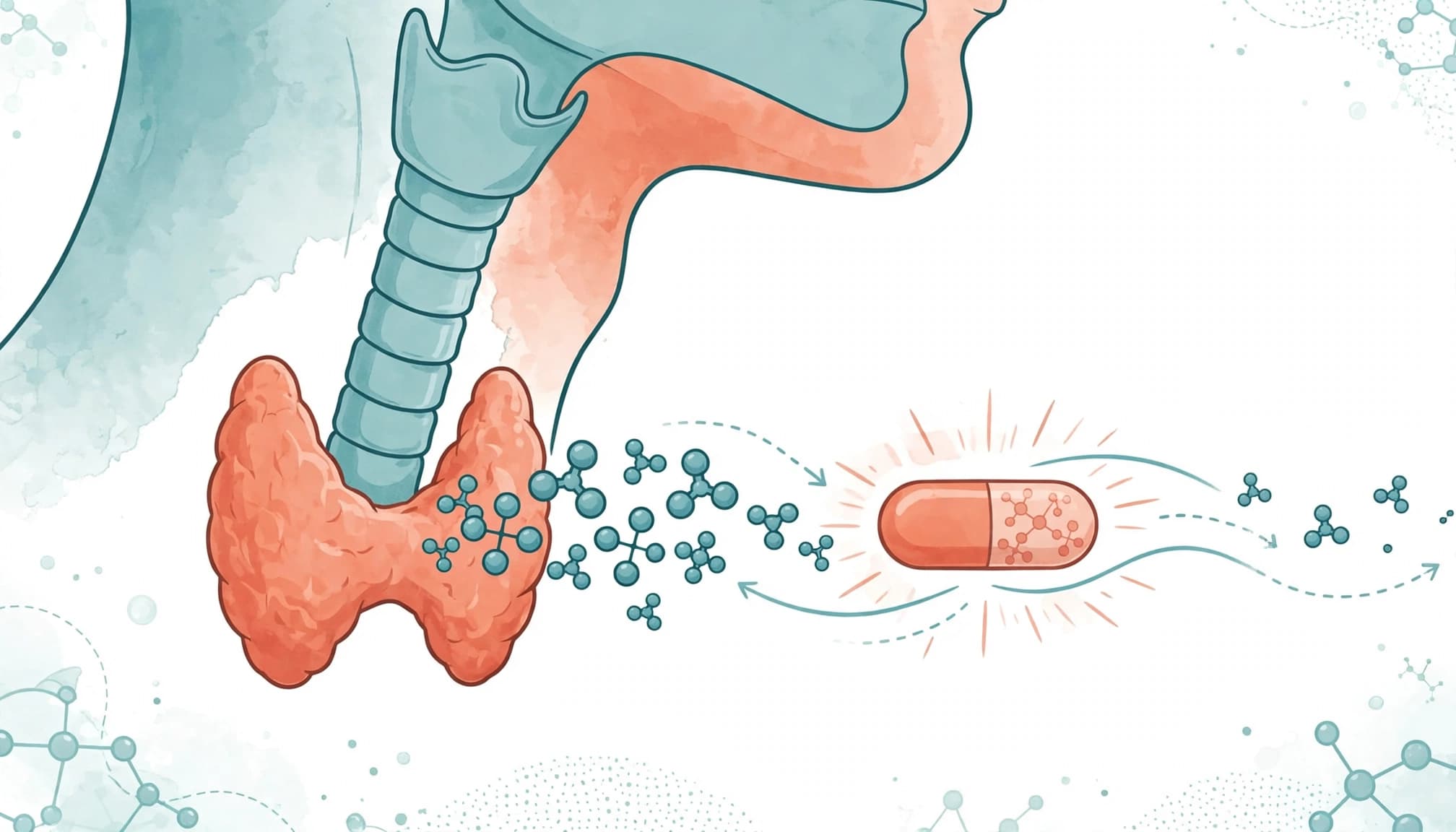
Because methimazole doesn't remove hormone already stored or circulating, improvement takes several weeks. A beta blocker may control palpitations and tremor during that interval.
Graves' disease, an autoimmune condition, is the most common cause of hyperthyroidism. Methimazole also controls hormone production in toxic nodules, although those nodules rarely enter remission.
The American Thyroid Association's hyperthyroidism guidance distinguishes these conditions from thyroiditis. Antithyroid drugs don't treat thyroiditis effectively because its excess hormone leaks from inflamed tissue rather than increased production.
What Dose of Methimazole Is Usually Prescribed?
Doses depend on hormone levels, symptoms and treatment response. These adult dosage ranges describe prescribing patterns, not instructions for self-adjustment.
| Treatment stage | Typical total daily dose |
|---|---|
| Common starting regimen | 15 to 30 mg |
| Broader initial range, depending on severity | 15 to 60 mg |
| Maintenance after control | 5 to 15 mg, often 5 to 10 mg |
Some mild cases need smaller starting doses. The upper range is reserved for severe hyperthyroidism.
Starting treatment
Methimazole may be prescribed once daily or in divided doses. The schedule depends on disease severity and the prescribed regimen.
A larger starting dose doesn't mean treatment will remain at that level. As hormone production falls, the same dose may become excessive.
Moving to maintenance
Once thyroid hormones normalize, clinicians often reduce the dose by about 30% to 50%, then repeat testing. The aim is the lowest dose that maintains normal thyroid function.
Excessive suppression causes hypothyroidism. Symptoms include constipation, feeling cold, dry skin, weight gain, depressed mood and a slower heartbeat. These symptoms warrant a dose review rather than an unsupervised change.
Which Blood Tests Guide Methimazole Treatment?
Before treatment, clinicians generally obtain thyroid tests, a complete blood count with differential, and liver tests. Clinicians should also review any history of liver disease when assessing baseline liver results and treatment safety. Baseline results help distinguish pre-existing abnormalities from later drug effects.

Free T4 and T3 guide early adjustments
Free T4 and T3 are commonly checked about 2 to 6 weeks after starting treatment. After a dose reduction, repeat testing usually follows in 4 to 6 weeks.
TSH can remain low for several months after hormone levels normalize. Increasing methimazole because TSH alone remains suppressed can therefore cause overtreatment. Later, TSH becomes useful alongside thyroid hormone measurements.
The NCBI clinical review of hyperthyroidism describes treatment selection and laboratory assessment. Once stable, monitoring intervals usually lengthen.
Biotin can distort the results
Biotin supplements, often sold for hair and nails, can produce misleading thyroid results without changing thyroid function.
The ATA recommendation summarized in guidance on thyroid test interference is to stop biotin at least two days before testing. High-dose products may require a longer interval under laboratory or clinician guidance.
Which Methimazole Side Effects Need Urgent Care?
Common side effects include rash, itching, headache, hair loss, altered taste and stomach upset. However, fever, throat symptoms and signs of liver injury require a different response.
Sudden fever or sore throat
Agranulocytosis is a severe reduction in infection-fighting white blood cells. It occurs in approximately 0.1% to 0.5% of patients taking antithyroid drugs.
Higher methimazole doses increase the risk, but doses below 30 mg aren't risk-free. Sudden fever or sore throat requires stopping methimazole and obtaining urgent medical assessment, including a blood count with differential. Treatment shouldn't resume until the clinician says it is safe.
A previously normal blood count doesn't rule out agranulocytosis developing suddenly between appointments.
Routine blood counts alone can't replace attention to symptoms.
Signs of liver injury
Yellow skin or eyes, dark urine, pale stools, appetite loss and upper abdominal pain can indicate liver injury. These symptoms require stopping methimazole and seeking prompt medical assessment before another dose.
Breathing difficulty, facial swelling or a severe blistering rash also requires emergency care. Mild itching or a limited rash still deserves clinical review, because the appropriate response depends on its severity.
When Can Methimazole Be Stopped?
For Graves' disease, treatment usually continues for 12 to 18 months before withdrawal is considered. Normal hormone levels while taking medicine establish control, not remission.
At review, clinicians assess TSH, thyroid hormones and thyroid stimulating antibodies (TSH-receptor antibodies). If antibodies are undetectable around one year and thyroid function is normal, supervised withdrawal may be reasonable. Persistently elevated antibodies support considering another year of treatment or another treatment approach.
Relapse is more likely with smoking, a large goiter or elevated antibodies at withdrawal. It occurs most often during the first year, so thyroid testing commonly continues about every three months during that period.
A 2025 Japanese study summarized by the ATA included 4,352 eligible patients. Thirteen percent relapsed within one year of stopping methimazole, and 49% had undetectable thyroid-stimulating antibodies at withdrawal.
Those findings don't establish a universal relapse rate. Because the study was observational, it also doesn't prove that lowering the final dose or extending treatment prevents recurrence.
For selected patients, long-term low-dose methimazole remains an option. It requires continued monitoring and discussion of medication risks versus definitive treatment.
How Do Pregnancy and Other Treatments Change the Decision?
Methimazole is generally preferred over propylthiouracil (PTU) in nonpregnant adults. During the first trimester, however, PTU is usually preferred because methimazole has been associated with rare congenital abnormalities.
A commonly cited adult PTU starting regimen is 100 mg three times daily, although dosing during gestation requires individual assessment. PTU also carries serious liver risks, so clinicians often reconsider methimazole after the first trimester.
A positive test requires prompt contact with the treating clinician. Abruptly stopping treatment without a replacement plan can leave both mother and fetus exposed to uncontrolled hyperthyroidism.
Radioactive iodine is a common definitive treatment in the USA, but it's contraindicated during gestation and breastfeeding. It can also worsen Graves' eye disease.
Thyroid surgery is an option for large goiters, severe or difficult-to-control disease, and selected cases during gestation. Before surgery, clinicians usually control thyroid hormone levels to reduce complications.
How Can Methimazole Be Accessed Affordably?
Generic methimazole, insurance coverage and pharmacy dispensing fees influence out-of-pocket costs. A meaningful comparison uses the same strength and tablet quantity, then adds consultations, blood tests and delivery.
USA, UK and Australian prices aren't directly comparable because coverage and dispensing systems differ. For international orders, the medicine delivery cost to the USA and applicable import restrictions also matter. A low tablet price doesn't establish a lower total treatment cost.
Our prescription medicine ordering requires a valid prescription from a licensed healthcare provider. International sourcing doesn't replace destination-country requirements or ongoing thyroid monitoring.
Our Online Pharmacy provides prescription refill support. Online medicine home delivery can support continuity, but dose changes still belong with the treating clinician.
This information is for educational purposes only. Consult a licensed healthcare provider for individualized dosing, decisions about treatment during gestation and suspected adverse reactions.
Frequently Asked Questions
Can methimazole be taken with food?
Methimazole can be taken with food or milk when stomach upset occurs. Consistent timing helps maintain the prescribed routine. Unlike levothyroxine, methimazole doesn't generally require an empty stomach before breakfast. The dispensing instructions determine whether the daily dose is taken once or divided.
What happens if a dose is missed?
The usual instruction is to take the missed dose when remembered, unless the next scheduled dose is close. In that situation, the missed dose is skipped. Two doses shouldn't be taken together to compensate. Repeated missed doses deserve discussion because they can disrupt thyroid control.
Which medicines need an interaction review?
Warfarin, digoxin, theophylline and beta blockers deserve review during methimazole treatment. Changing thyroid function can alter their effects or dose requirements. Supplements also matter, particularly biotin before blood tests and iodine-containing products. A complete medication list helps the prescriber distinguish interactions from changing thyroid disease.
Does a normal thyroid result mean treatment can stop?
A normal result while taking methimazole usually means the current treatment is controlling hormone production. Stopping depends on the cause of hyperthyroidism, treatment duration and antibody results, not one laboratory report. The prescriber may reduce the dose instead, then repeat tests to assess stability.
Is methimazole the same as levothyroxine?
Methimazole reduces thyroid hormone production in hyperthyroidism. Levothyroxine replaces missing thyroid hormone in hypothyroidism. They therefore have opposite purposes and aren't interchangeable. Levothyroxine may become necessary after radioactive iodine or thyroid removal, but symptoms of excessive methimazole treatment first require assessment and a dosing review.
The Main Safety Principle Is Continued Reassessment
Methimazole treatment changes as thyroid hormone production falls. Blood-test-guided dosing helps maintain control without causing unnecessary thyroid suppression.
Normal results support reassessment, while sudden fever, sore throat or liver-warning symptoms require urgent attention. The decision to stop treatment rests on remission evidence and the underlying diagnosis, not symptom relief alone.