
Mounjaro Diabetes Weight Loss: A Safe Use Guide

Weight loss can be meaningful for people with diabetes, but glucose control still comes first. Mounjaro diabetes weight loss discussions often blur two different goals, which can make a prescription decision harder than it needs to be.
Mounjaro contains tirzepatide, a once-weekly injection that can lower A1C and reduce appetite. Its effects can be substantial, yet the right dose, safety screening, and reliable access all matter.
Quick answer: Mounjaro is FDA-approved to improve blood sugar control in people with type 2 diabetes, alongside diet and physical activity. It may also cause meaningful reductions in body weight. However, Zepbound is the FDA-approved brand for chronic weight management.
Table of contents
- Mounjaro for diabetes: direct answer
- How tirzepatide lowers glucose and reduces hunger
- What clinical trials show
- Mounjaro, Zepbound, Ozempic, and Wegovy
- Dosing, missed doses, and storage
- Side effects and serious warnings
- Accessing prescription treatment safely
- Frequently asked questions
Key takeaways
- Mounjaro contains tirzepatide and affects GIP and GLP-1 pathways for adults with type 2 diabetes.
- Weight loss is common, but results vary with dose, diabetes status, nutrition, activity, and treatment duration.
- Mounjaro and Zepbound contain the same medicine, but their FDA-approved uses differ.
- Gastrointestinal side effects, including nausea, diarrhea, constipation, and appetite changes, are more likely during dose increases.
- A valid prescription, cold-chain handling, and pharmacist support help ensure safe access to injectable medicines.
Is Mounjaro approved for diabetes and weight management?
Eli Lilly introduced Mounjaro in the United States in 2022 for type 2 diabetes. Current prescribing information lists adults and pediatric patients aged 10 years and older with type 2 diabetes, alongside diet and exercise to improve glycemic control.
Mounjaro's FDA approval covers blood sugar control, not weight loss. It isn't approved specifically as a weight-loss drug, even though many people lose weight while using it for diabetes. Zepbound is the tirzepatide product approved for chronic weight management. This distinction affects formularies, insurance coverage, and prior authorization requirements.
Tirzepatide can be a reasonable option for a person with type 2 diabetes who needs stronger A1C reduction and may benefit from weight reduction. It isn't for type 1 diabetes, and it doesn't replace insulin when insulin is medically necessary. Another semaglutide option, Ozempic, may suit some patients, but it shouldn't be treated as interchangeable with Mounjaro.
For a broader view of treatment choices, including metformin, insulin, and incretin medicines such as Ozempic, see this 2026 diabetes medications guide.
How tirzepatide lowers glucose and reduces hunger
Tirzepatide differs from older GLP-1 receptor agonists because it is a dual-agonist that activates GIP and GLP-1 receptors.
When glucose rises, these signals encourage the pancreas to increase insulin levels. Tirzepatide also reduces glucagon, a hormone that raises blood sugar. Because these effects are glucose-dependent, low blood sugar is less likely when Mounjaro is used alone. The risk rises when it is combined with insulin or a sulfonylurea.
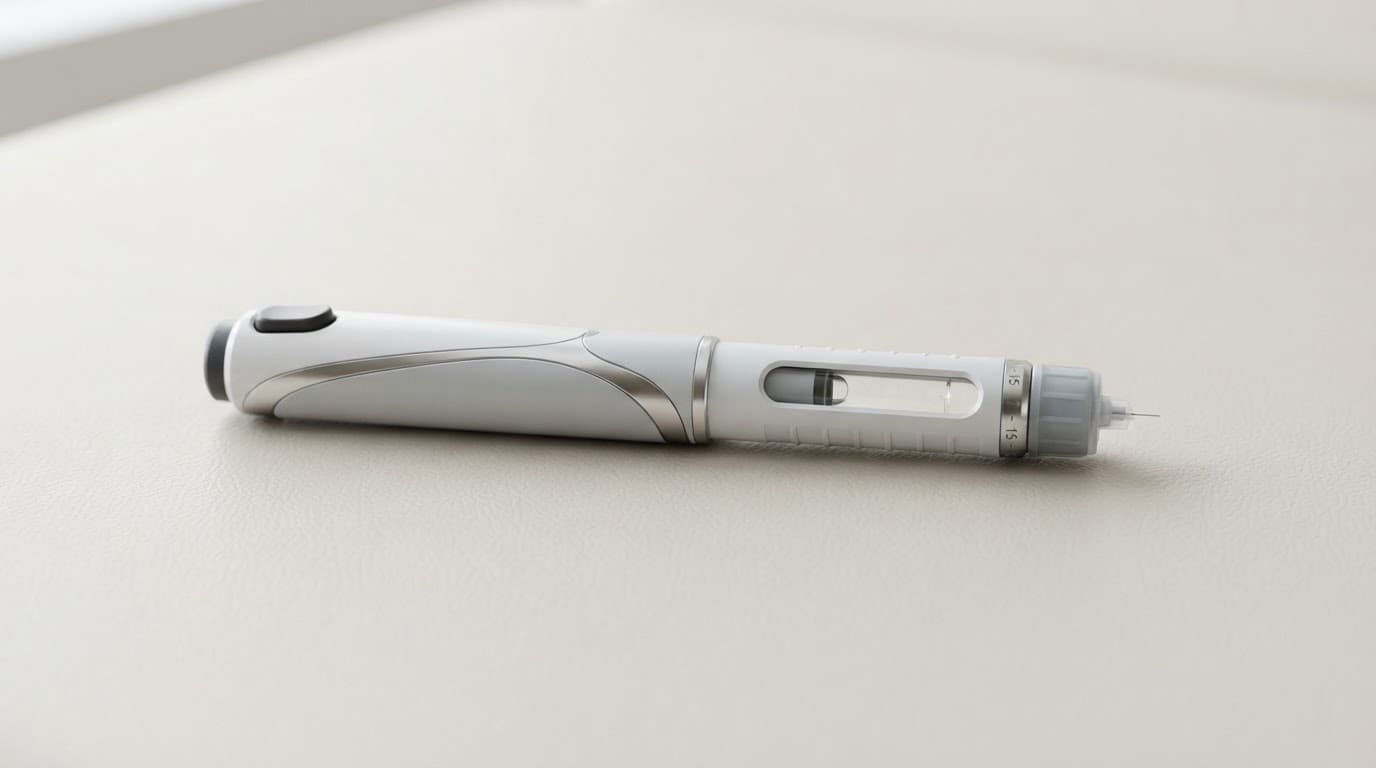
It also slows stomach emptying, especially early in treatment, and changes appetite signaling in the brain. Many patients feel full after smaller meals and have fewer persistent food cravings. Tirzepatide can support weight loss by helping lower calorie intake without relying only on willpower.
These effects can also explain the common side effects. Large meals, high-fat foods, alcohol, or rushing a dose increase can make nausea and abdominal discomfort harder to tolerate.
What clinical trials show
The SURPASS clinical trials evaluated this treatment in adults with type 2 diabetes. Across these studies, participants had major A1C reductions. Results varied with starting blood sugar, dose, and other diabetes medicines.
In SURPASS-2, tirzepatide was compared with the specific 1 mg semaglutide dose commonly associated with Ozempic, among people taking metformin. The 15 mg group lost an average of 12.4 kg at 40 weeks, compared with 6.2 kg in the semaglutide group. It also produced greater average A1C reductions and more weight loss.

The larger percentage often associated with tirzepatide came from SURMOUNT-1. It was a 72-week study of adults with obesity or overweight based on body mass index who did not have diabetes. The SURMOUNT-1 trial report found that participants taking 15 mg lost an average of 20.9% of body weight.
That result is encouraging, but it isn't a promise of the same weight loss for every Mounjaro user. People with diabetes often lose less weight than participants without diabetes. A review of tirzepatide evidence in adults with type 2 diabetes also shows why treatment plans need to account for A1C, other medicines, and individual tolerance.
| Trial program | Main population | What it measured |
|---|---|---|
| SURPASS | Adults with diabetes | A1C reduction, weight change, and safety |
| SURMOUNT | People with obesity or overweight | Chronic weight management and safety |
| SURMOUNT-4 | People who first lost weight on treatment | What happened when treatment continued or stopped |
SURMOUNT-4 found that people who stopped tirzepatide after initially losing weight regained a meaningful amount. Obesity and diabetes are long-term conditions, so treatment often needs an ongoing plan. Longer-term health outcomes are still under study in the SURMOUNT-MMO trial.
Mounjaro, Zepbound, Ozempic, and Wegovy
Mounjaro and Zepbound contain tirzepatide and share the same GIP and GLP-1 mechanism. Their main difference is the approved use on the label. Mounjaro is labeled for diabetes, while Zepbound is labeled for chronic weight management, including weight loss.
| Medicine | Active ingredient | Drug action | Primary US use |
|---|---|---|---|
| Mounjaro | Tirzepatide | Dual incretin pathway | Type 2 diabetes |
| Zepbound | Tirzepatide | Dual incretin pathway | Chronic weight management |
| Ozempic | Semaglutide | GLP-1 pathway agonist | Diabetes management |
| Wegovy | Semaglutide | GLP-1 pathway agonist | Chronic weight management |
Mounjaro and Zepbound should never be used together. A clinician selects one product based on the diagnosis, insurance coverage criteria, dose needs, safety profile, and individual response.
Ozempic and Wegovy contain semaglutide, not the ingredient used in Mounjaro and Zepbound. Semaglutide acts on GLP-1 receptors, while the other medicine uses a dual incretin pathway. Direct comparisons with Ozempic should use actual doses and studied populations, not social media claims.
An oral alternative may suit some people who cannot use injections. This Rybelsus dosage guide explains how oral semaglutide differs from weekly injectable treatments such as Ozempic.
Dosing, missed doses, and storage
Mounjaro, which contains tirzepatide, is given as a once-weekly injection on the same day each week, with or without food. Common injection areas are the abdomen, thigh, or upper arm. Rotate the site each time to reduce irritation.
Treatment normally starts with a 2.5 mg starting dose once weekly for four weeks. This starting dose allows treatment adjustment rather than glucose control. The dose may then increase to 5 mg, with further 2.5 mg increases only after at least four weeks at the current dose. The maximum dose is 15 mg weekly. Do not increase toward the maximum dose faster than prescribed.
If a dose is missed, take it as soon as possible within four days, or 96 hours. If more than four days have passed, skip the missed dose and resume the regular schedule. Never take two doses within three days of each other.
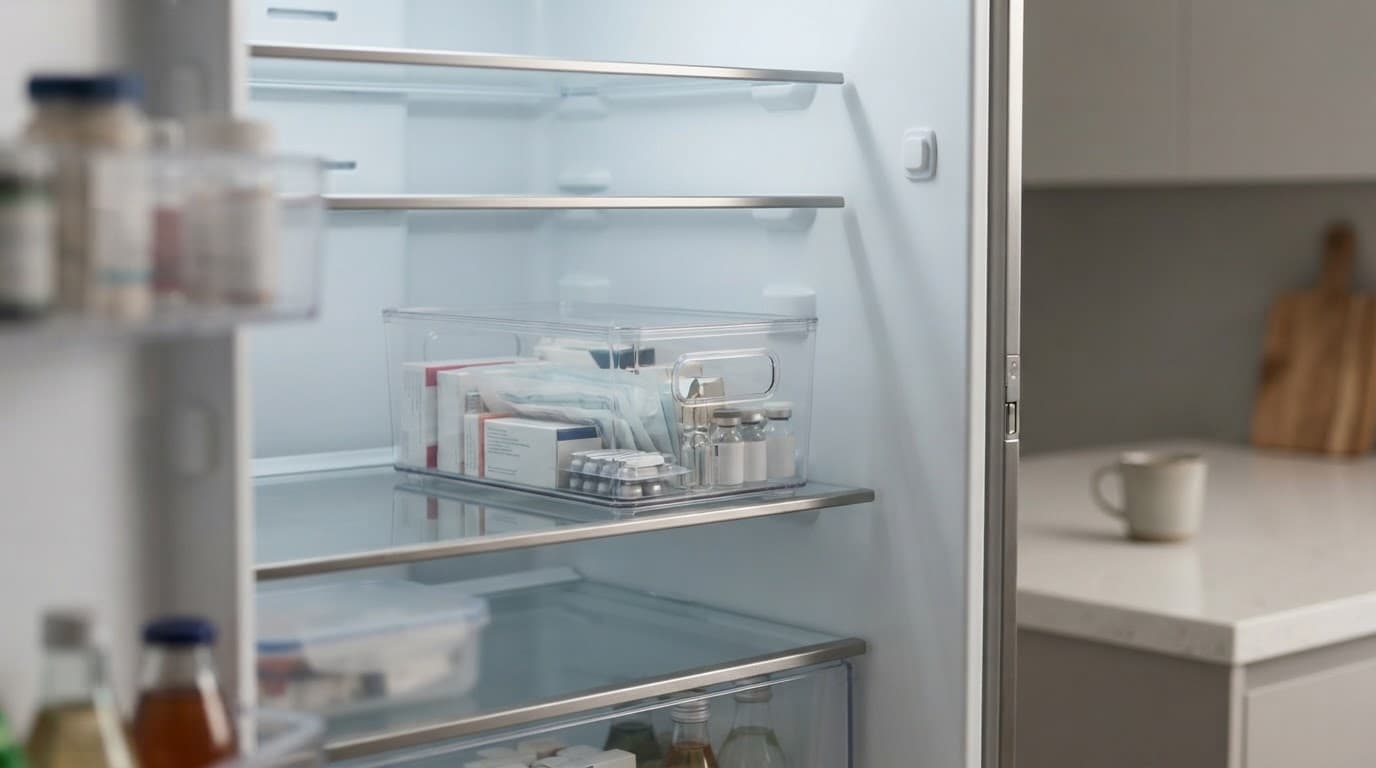
Unopened single-dose Mounjaro pens should stay in the refrigerator at 36 F to 46 F, or 2 C to 8 C. Keep them in their original carton, protect them from light, and never freeze them. In the United States, a pen can remain at room temperature up to 86 F, or 30 C, for no more than 21 days.
Multidose Mounjaro KwikPens are sold in some markets and have different instructions. After first use, they are generally kept refrigerated or below 30 C and discarded after 30 days. Follow the instructions for your exact device and market, since country-specific directions can differ.
Side effects and serious warnings
The most common Mounjaro side effects are digestive symptoms, including nausea, diarrhea, reduced appetite, vomiting, constipation, indigestion, and stomach pain. Symptoms often peak after starting treatment or moving to a higher dose, then improve over time.
Smaller meals usually help. Eat slowly, stop when full, and choose bland, lower-fat foods when nausea is active. Sip water regularly, especially after vomiting or diarrhea. If symptoms make it hard to drink fluids, contact the prescribing clinician rather than trying to push through a dose increase.
Serious concerns need medical attention. These include persistent severe abdominal pain, pain that spreads to the back, repeated vomiting, dehydration, yellowing skin or eyes, or signs of a severe allergic reaction.
Mounjaro carries a boxed warning for thyroid tumors. Tirzepatide caused thyroid C-cell tumors in rats, but it is unknown whether it causes them in humans. People with a personal or family history of medullary thyroid carcinoma, or multiple endocrine neoplasia syndrome type 2, shouldn't use it.
Tirzepatide may also contribute to pancreatitis, gallbladder disease, acute kidney problems after severe dehydration, and worsening diabetic retinopathy in some people with existing eye disease. It can affect absorption of oral medicines because it delays stomach emptying. People using birth control pills need advice on backup contraception after starting treatment and after dose increases.
This information is for educational purposes only and doesn't replace medical advice. Consult a licensed healthcare provider before starting, changing, or stopping Mounjaro.
Accessing prescription treatment safely
Cash prices, insurance rules, and supply channels vary widely in the USA, Australia, and the UK. In the United States, insurance coverage may be more likely for Mounjaro when used for type 2 diabetes than for weight loss alone. Deductibles and prior authorization can raise costs; savings card eligibility and availability vary, so check terms with the manufacturer or pharmacist.
Before you order prescription drugs online, confirm that the seller requires a valid prescription, can confirm product origin, protects personal data, and provides pharmacist access. An Online Pharmacy should also state its delivery policies, storage process, and contact information.
Online medicine home delivery is more complicated for injectable medicines than for tablets. Tirzepatide requires careful temperature control, and import rules can limit cross-border delivery. An international online pharmacy cannot bypass local laws or a prescription requirement. The medicine delivery cost to USA should be clear before payment, including any cold-shipping fees.
Some people may need a different treatment plan because of cost, kidney health, cardiovascular risk, or side effects. For example, Jardiance Met combination therapy combines empagliflozin and metformin for type 2 diabetes management and may be considered by a prescriber when appropriate.
For help with prescription-upload requirements, availability questions, or delivery policies, Ask a Pharmacy Question, Contact Waldrugmart, Speak With Our Support Team.
Making an informed Mounjaro decision
Mounjaro can improve blood sugar and support weight reduction because tirzepatide targets both GIP and GLP-1 pathways. A safe plan includes gradual dose escalation, dose tolerance, regular follow-up, adequate nutrition, and long-term support.
The strongest Mounjaro diabetes weight loss decision considers your diagnosis, medical history, medication interactions, budget, insurance coverage, and reliable pharmacy access. Your clinician can help compare options such as Ozempic without promising the same response for everyone.
Frequently asked questions about Mounjaro
Is Mounjaro approved for weight loss?
Mounjaro is approved for type 2 diabetes, not chronic weight management. However, patients may experience reduced weight while using it. Zepbound contains the same active ingredient, tirzepatide, and is the approved option for chronic weight management in eligible adults.
How does Mounjaro work differently from Ozempic?
Mounjaro activates two incretin pathways, while Ozempic targets GLP-1 activity alone. Both can lower glucose, slow stomach emptying, and reduce appetite. Their approved uses, dose schedules, coverage rules, and individual effects can differ.
How much weight can someone lose on Mounjaro 15 mg?
Results vary. In SURPASS-2, people with diabetes taking 15 mg lost an average of 12.4 kg after 40 weeks. The 20.9% average reduction in body weight reported in SURMOUNT-1 involved people without diabetes using the medication for weight management.
What are the most common Mounjaro gastrointestinal side effects?
Nausea, diarrhea, constipation, vomiting, reduced appetite, indigestion, and stomach pain are common. These side effects often occur during treatment initiation or dose increases. Smaller meals, hydration, and avoiding greasy foods can help, but severe or persistent symptoms need medical review.
Does Mounjaro cause thyroid tumors?
Animal studies of tirzepatide found thyroid tumors in rats. Human risk hasn't been established, but Mounjaro is contraindicated for anyone with a personal or family history of medullary thyroid carcinoma or MEN 2.
Can Mounjaro affect birth control pills?
Yes. Mounjaro may reduce the effectiveness of birth control pills after starting treatment or increasing the dose. Use backup contraception for four weeks after initiation and after each dose increase, or follow your clinician's instructions.
Will weight return after stopping Mounjaro?
Weight regain is common after stopping tirzepatide because appetite and metabolic signals can return toward baseline. Some people may discontinue safely under clinical supervision, but many need a long-term plan that includes nutrition, activity, follow-up, and possibly ongoing medication.
How should Mounjaro pens be stored?
Store unopened US single-dose pens in the refrigerator at 36 F to 46 F, protected from light. They can stay at room temperature up to 86 F for 21 days. Never freeze pens. KwikPen instructions differ by country, so follow the package leaflet.
Can Mounjaro cause low blood sugar?
Mounjaro alone has a lower risk of hypoglycemia because it increases insulin release mainly when glucose is high. The risk increases when it is used with insulin or sulfonylureas. A clinician may need to adjust those medicines when treatment starts.