
Parkinson's disease medications: Classes and Monitoring
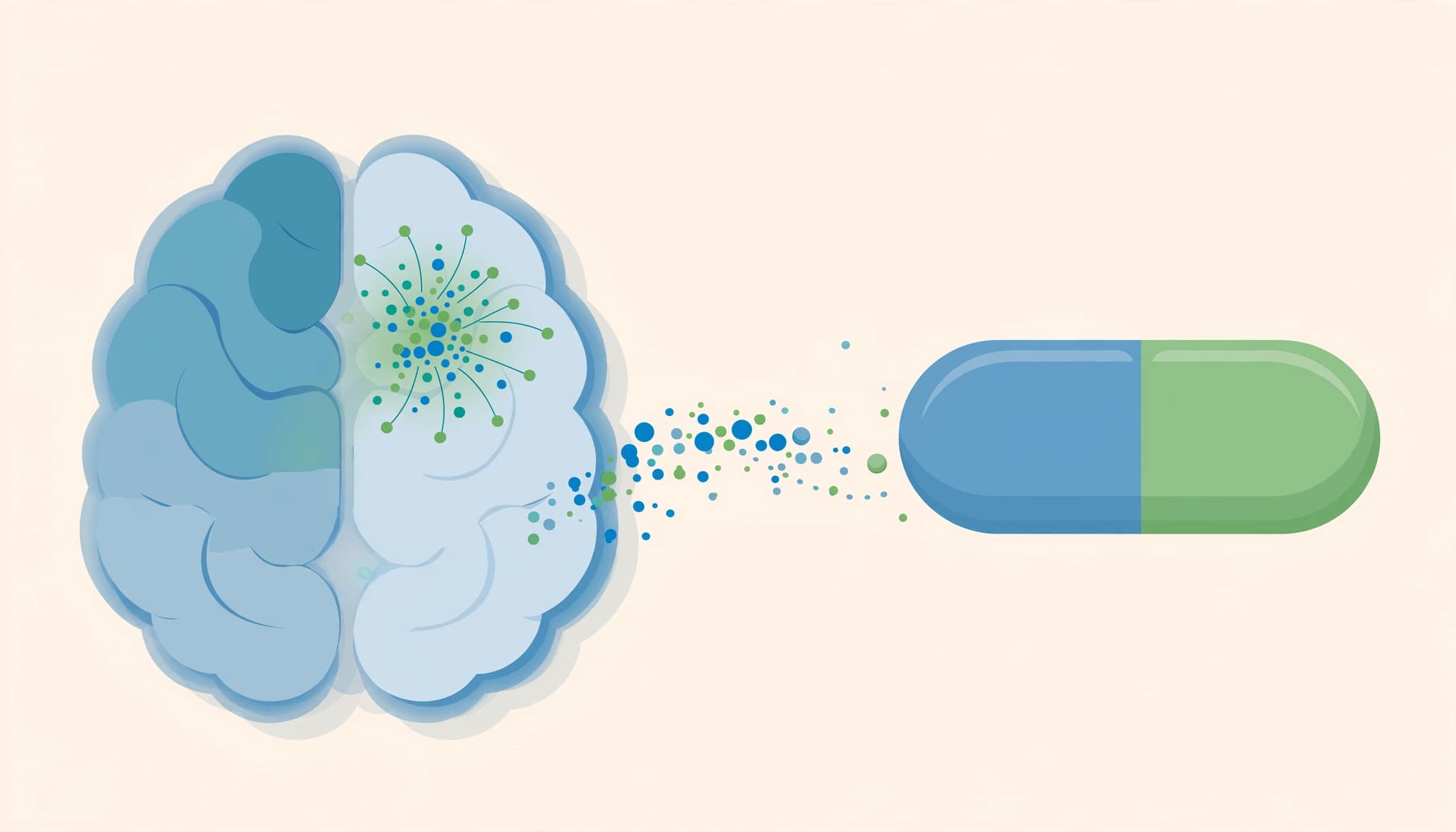
Parkinson's disease medications improve movement by replacing dopamine, stimulating its receptors, or slowing its breakdown. Carbidopa-levodopa remains the most effective treatment for movement symptoms, while other medicines address milder symptoms, wearing-off, or involuntary movements.
Treatment depends on symptom burden, cognition, age, and daily function. Understanding each class helps explain why prescriptions change as Parkinson's progresses.
Table of Contents
- Key takeaways
- Levodopa and carbidopa
- Formulations and OFF-period treatment
- Dopamine agonists
- Other medication classes
- Safety monitoring
- Affordable access
- Frequently asked questions
Key Takeaways
Parkinson's medicines control symptoms; they don't cure the disease. Treatment balances useful movement against involuntary movements, sleepiness, blood-pressure changes, and cognitive effects.
- Carbidopa-levodopa offers the strongest movement benefit.
- Dopamine agonists require monitoring for compulsive behavior and sudden sleep.
- Longer-acting preparations and add-on drugs can reduce OFF time.
- Medication changes require clinical supervision, particularly when reducing treatment.
Levodopa and Carbidopa: The Treatment Foundation
Why the combination works
Dopamine itself can't cross the blood-brain barrier. Levodopa can enter the brain, where enzymes convert it into dopamine.
Carbidopa blocks much of levodopa's conversion outside the brain. More levodopa reaches its target, so smaller doses can work with less nausea and vomiting. The brand's name refers to "without vomiting," although nausea remains possible.
Our Sinemet medication information describes this prescription combination. Its main benefits include improved slowness, stiffness, and tremor. Other side effects include dizziness, hallucinations, and low blood pressure on standing.
Starting treatment and understanding complications
Levodopa usually becomes appropriate when symptoms interfere with function or quality of life. Delaying it solely to preserve future benefit hasn't shown a long-term advantage.
Parkinson's Foundation educational estimates place motor complications, including involuntary movements, at about 50% after five years and 90% after ten years or longer. These broad estimates aren't individual forecasts.
Disease progression and changing responses to each dose contribute to motor fluctuations and dyskinesia. Their appearance doesn't mean levodopa has damaged the brain.
Comparative educational figures report that about 2% stop levodopa because of side effects, while 15% need another medicine within two years. Outcomes vary with the population and treatment plan.
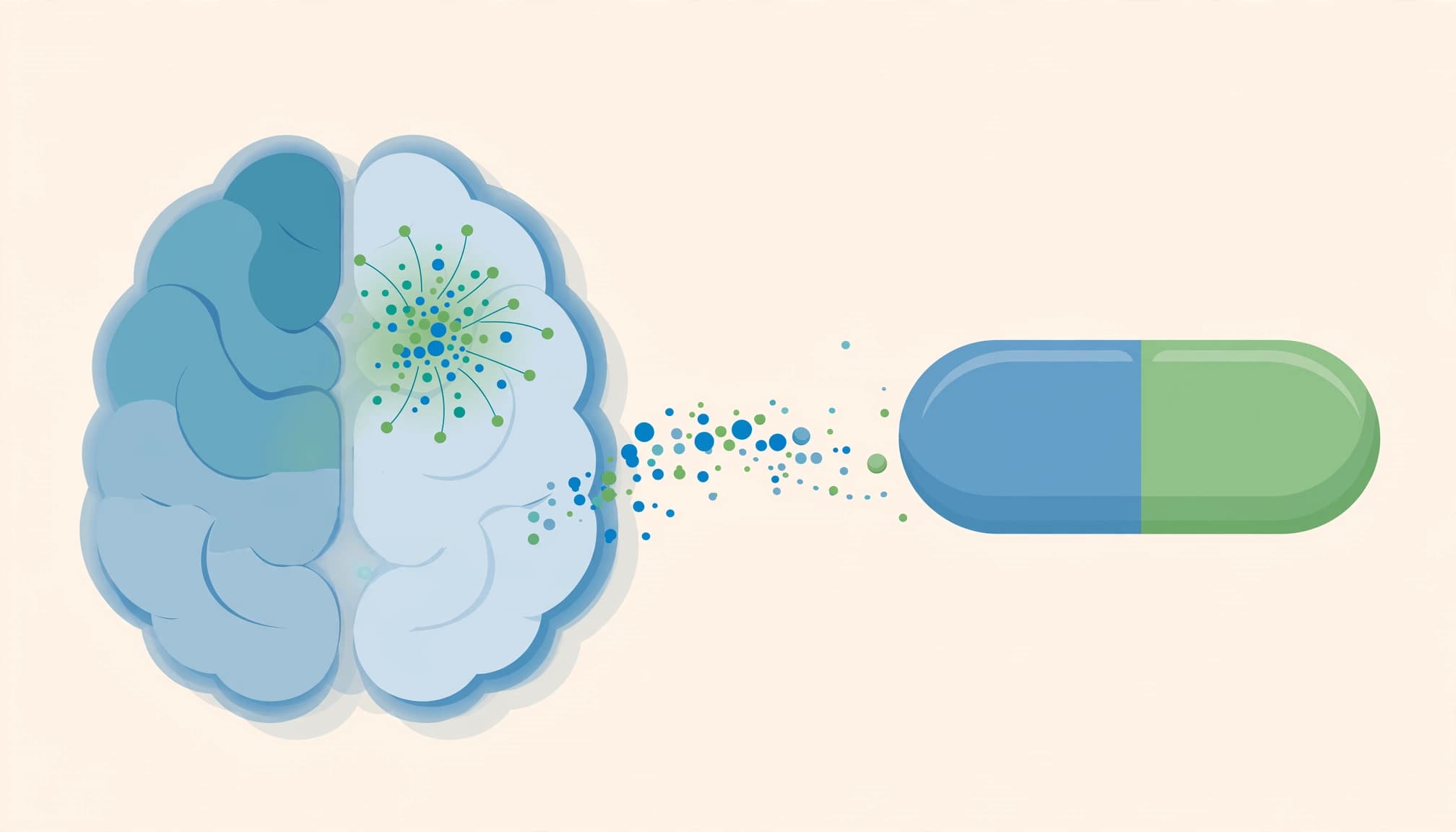
Formulations and OFF-Period Treatment
The APDA's carbidopa-levodopa guidance explains why dosing and formulation matter. Preparations aren't automatically interchangeable.
| Preparation | Delivery and role |
|---|---|
| Immediate-release formulation | Immediate-release carbidopa-levodopa tablets |
| Controlled-release formulation | Controlled-release tablets |
| Stalevo | Carbidopa, levodopa, and entacapone together |
| Rytary and Crexont | Extended-release capsules with different release profiles |
| Duopa | Carbidopa-levodopa intestinal gel delivered by pump |
| Vyalev | Continuous subcutaneous infusion of foscarbidopa/foslevodopa, converted into carbidopa/levodopa |
The choice depends on symptom timing, swallowing, absorption, and treatment burden. Our Sinemet CR information covers the controlled-release option.
For swallowing difficulty, certain extended-release capsules permit opening and sprinkling according to their instructions. Duopa bypasses the stomach, while Vyalev bypasses the gastrointestinal tract. These approaches require specialist assessment.
Inbrija is inhaled levodopa for intermittent OFF periods in people already taking carbidopa-levodopa. Each dose uses two 42 mg capsules, inhaled through its device, up to five doses daily. The capsules must never be swallowed. Cough is common, and underlying lung disease affects suitability.
Dopamine Agonists: Benefits and Behavioral Risks
Established medicines
Pramipexole (Mirapex), ropinirole (Requip), and rotigotine (Neupro patch) stimulate dopamine receptors directly. They may treat earlier symptoms or supplement levodopa, but require particular caution with cognitive impairment or hallucinations.
Nausea, dizziness, ankle swelling, and sleepiness are common. Sudden sleep episodes can make driving unsafe. Subcutaneous apomorphine can provide rapid rescue for sudden OFF episodes, but a clinician must select and monitor treatment.
Older comparative estimates report approximately 28% stopping agonists because of side effects and 40% needing added levodopa within two years. Impulse control disorders, including gambling, excessive shopping, and binge eating, occur in up to 13% in cited populations. Our ropinirole safety information covers related precautions.
Tavapadon's updated status
Tavapadon (Juvmo) is a once-daily selective D1/D5 partial dopamine agonist studied in TEMPO-1, TEMPO-2, and TEMPO-3.
AbbVie submitted it for review; the September 2026 approval announcement is future-dated and doesn't establish its current status.
Common reactions include nausea, headache, and dizziness. Hallucinations, orthostatic hypotension, compulsive behavior, and dyskinesia also require attention. Selective receptor activity doesn't remove these risks.
Other Parkinson's Disease Medications
MAO-B and COMT inhibitors extend dopamine activity
MAO-B inhibitors slow dopamine breakdown in the brain. Rasagiline (Azilect), selegiline (Eldepryl), and safinamide (Xadago) offer modest benefit. Safinamide is an add-on to levodopa for OFF episodes.
They are generally well tolerated, although insomnia, nausea, and medication interactions matter. Educational estimates suggest around 70% need another medicine within two years. Antidepressants, certain opioids, and cough medicines require interaction review.
COMT inhibitors slow levodopa breakdown outside the brain. Entacapone (Comtan) and opicapone (Ongentys) extend each dose's effect and reduce wearing-off. They require levodopa and may increase involuntary movements, hallucinations, or low blood pressure.
Amantadine and anticholinergics target selected symptoms
Amantadine reduces levodopa-related involuntary movements and can help tremor. Immediate-release preparations and extended-release products such as Gocovri have different indications and schedules.
Kidney function affects dosing. Confusion, hallucinations, ankle swelling, and mottled skin can occur. Parkinson's Foundation educational estimates describe confusion or hallucinations in roughly 20% of people older than 75, a group requiring particular caution.
An anticholinergic such as benztropine or trihexyphenidyl can reduce tremor and dystonia. However, memory impairment, constipation, urinary retention, and blurred vision limit their use. Clinicians generally avoid them in older adults or people with cognitive problems.
Safety Monitoring Between Appointments
Follow-up should assess movement alongside standing blood pressure, falls, daytime sleepiness, hallucinations, and behavior. Caregivers may notice compulsive spending or confusion before the person taking treatment does.
A diary recording dose times, meals, OFF periods, and dyskinesia can reveal patterns. The Parkinson's Foundation's guidance on managing OFF time distinguishes predictable wearing-off from sudden episodes.
Clinicians may shorten dosing intervals, change formulations, or add an extender. Constipation and delayed stomach emptying also deserve attention before simply increasing treatment.
Medication review should include supplements and nonprescription products. Metoclopramide and some antipsychotics block dopamine and can worsen Parkinson's symptoms.

This information is for educational purposes only. Consult a licensed healthcare provider before changing treatment.
How to Access Parkinson's Treatment Affordably
Generic immediate-release carbidopa-levodopa is often less expensive than newer extended-release products or infusion systems. However, purchase price alone doesn't measure treatment value.
Our listed 30-unit packs start at USD $24.08 for the immediate-release option and USD $33.06 for Sinemet CR. These are pack prices, not monthly treatment estimates. Strength, prescribed frequency, and delivery charges determine the total.
A local versus international comparison must match the ingredient, strength, release mechanism, and quantity. USA, UK, and Australia prices also reflect different insurance and public subsidy arrangements. No single international percentage saving applies to every prescription.
Our Online Pharmacy supports prescription refills and pharmacist questions. We require a valid, legible prescription from a licensed physician.
International sourcing remains subject to destination-country import rules. Online medicine home delivery also needs sufficient refill lead time, as customs delays mustn't interrupt a time-sensitive regimen. Medicine delivery costs to the USA belong in any total-price comparison.
Frequently Asked Questions
Do Parkinson's medicines stop disease progression?
Current Parkinson's medicines primarily treat symptoms. Levodopa replenishes dopamine, while other treatments improve dopamine activity or address complications. None of these medicines has established an ability to stop Parkinson's progression. Continued treatment adjustments usually reflect changing symptoms and tolerability rather than a failure of care.
Can levodopa be taken with food?
A small snack may reduce nausea, but protein can interfere with levodopa absorption in some people. Iron supplements can also affect absorption. Consistent timing helps clinicians interpret dose response. Meal changes should preserve adequate nutrition, particularly when weight loss or swallowing problems are already present.
Can extended-release tablets replace immediate-release tablets dose for dose?
Usually not. Release patterns, absorption, and recommended schedules differ among immediate-, controlled-, and extended-release formulations. A clinician calculates the conversion and follows the response. Crushing a modified-release tablet can change its delivery, so swallowing difficulties need a formulation-specific plan rather than improvised tablet modification.
What happens if levodopa is stopped suddenly?
Abrupt withdrawal can cause severe immobility and a dangerous syndrome involving fever, rigidity, confusion, and unstable body functions. Breathing difficulty can occur. These symptoms require urgent medical attention. Any planned reduction needs clinical supervision, including during hospital admission, surgery, vomiting, or difficulty swallowing prescribed doses.
Is ordering Parkinson's prescription medicine online safe?
Safety depends on licensed dispensing, a valid prescription, identifiable medicine, and appropriate storage and delivery. An overseas pharmacy's licence doesn't automatically authorize importation into every country. Product strength and release type must match the prescription. A low advertised price doesn't establish therapeutic equivalence or reliable supply.
Effective Treatment Depends on Continued Review
The strongest Parkinson's regimen preserves daily function with an acceptable burden of adverse effects. Carbidopa-levodopa remains its foundation, while other classes and delivery methods address particular limitations.
Over time, careful monitoring matters as much as drug selection. A change in movement, alertness, behavior, or blood pressure can alter the balance long before the prescription itself changes.