
Protein Per Day: Find the Amount That Fits Your Body

The number on a protein bar doesn't tell you whether it fits your needs. Your daily protein intake should reflect your body weight, age, physical activity level, appetite, and medical history.
For most healthy, sedentary adults, the starting point is 0.8 grams per kilogram each day. That baseline can be too low for some older adults, people doing resistance training, and people losing weight quickly.
Quick answer: A 150-pound adult needs about 55 grams of protein daily at the basic RDA. Many adults over 65 and people who strength train benefit from roughly 1.0 to 1.6 grams per kilogram, based on individual goals and health status. This information is for educational purposes only. Consult a licensed healthcare provider or dietitian for advice tailored to you.
Table of Contents
- Key takeaways
- Why protein needs vary
- How much protein per day to aim for
- Higher needs for age and training
- Protein during GLP-1-related weight loss
- Food sources that make targets easier
- How to spread protein across meals
- Supplements, cost, and safety
- Frequently asked questions
Key Takeaways
- The adult recommended dietary allowance is 0.8 grams of protein per kilogram of body weight, which prevents deficiency for most sedentary adults.
- Older adults, people rebuilding muscle, and those who lift weights often need more than this baseline.
- Whole foods such as eggs, fish, dairy, tofu, lentils, poultry, and beans can cover most protein goals.
- Protein powder can help when appetite or time is limited, but it doesn't replace a varied diet.
- Kidney disease, cancer treatment, unplanned weight loss, and appetite-suppressing medicines require individual guidance.
Why Your Protein Needs Aren't One-Size-Fits-All
Protein supplies amino acids your body can't make
Protein breaks down into amino acids during digestion. Your body uses these compounds to maintain muscle, make enzymes and hormones, support immune function, and repair tissue after illness or injury.
The nine essential amino acids must come from food. Animal foods usually supply all nine in substantial amounts. Plant foods can also meet your needs when you eat enough variety and total protein.
Your body doesn't store a large reserve of protein the way it stores fat. That is why regular intake matters, especially when appetite is low or your body is recovering.
The RDA prevents deficiency, not every fitness concern
The U.S. recommended dietary allowance is 0.8 grams per kilogram of body weight for adults. The American Heart Association's protein guidance lists that figure as 56 grams daily for a typical adult man and 46 grams for a typical adult woman.
That baseline daily protein intake is a population-level reference. Dietary guidelines don't automatically account for strength training, aging, surgery recovery, poor appetite, or calorie restriction. A scientific review of U.S. protein recommendations also distinguishes the RDA from an intake designed around maintaining optimal muscle function in every situation.
How Much Protein Per Day Is Right for You?
Start with your body weight in kilograms
To calculate this target, divide your weight in pounds by 2.2. Then multiply that number by the protein target that fits your situation to estimate your daily protein intake.
For example, a person who weighs 150 pounds weighs about 68 kilograms:
- At 0.8 grams per kilogram, the target is about 55 grams of protein daily.
- At 1.0 grams per kilogram, the target is about 68 grams daily.
- At 1.2 grams per kilogram, the target is about 82 grams daily.
- At 1.6 grams per kilogram, the target is about 109 grams daily.
These figures provide a useful starting range, not a diagnosis or prescription.
Use ranges that match your current goal
The table below shows practical targets for a 150-pound person. Your clinician may recommend a different amount if you have reduced kidney function, severe illness, or a nutrition-related condition.
| Situation | Daily target | Approximate amount at 150 pounds |
|---|---|---|
| Healthy, sedentary adult | 0.8 g/kg | 55 g |
| Healthy adult over 65 | 1.0 to 1.2 g/kg | 68 to 82 g |
| Regular resistance training | 1.2 to 1.6 g/kg | 82 to 109 g |
| Older adult who is active | At least 1.2 g/kg | 82 g or more |
The useful range rises with training demands and age, but more isn't always better. Food quality, total calories, fiber, hydration, and medical history still matter.

When Higher Daily Protein Intake Makes Sense
Aging changes the goal from prevention to preservation
Muscle mass and strength tend to decline with age, particularly after 60. Eating enough protein helps, yet it works best alongside regular physical activity and resistance exercise.
Reviews focused on older adults often recommend 1.0 to 1.2 grams per kilogram daily for healthy people over 65. A review of protein recommendations for older people explains why the standard RDA may not fully support lean-mass maintenance in later life.
Women approaching or past menopause may also need to reassess long-standing eating habits. This daily protein guide for women over 50 offers practical meal ideas that fit higher targets.
Resistance training gives protein a job to do
Extra protein alone won't create muscle. Strength training provides the stimulus for muscle growth, while adequate protein supports repair and adaptation.
People who train regularly often use 1.2 to 1.6 grams per kilogram as a practical range. The USDA evidence scan on dietary protein reviews research on protein intake and resistance exercise in adults.

Muscle preservation is especially important after long periods of inactivity, during recovery, and when weight loss happens quickly.
Protein Needs During GLP-1 Weight Loss
Reduced appetite can make small meals nutritionally thin
A weight loss medication such as tirzepatide or semaglutide can reduce appetite and slow stomach emptying. For some people, smaller meals make it harder to meet daily protein intake goals, along with needs for fluids, fiber, and micronutrients.
Weight loss changes body composition: both fat mass and muscle mass can decline. Resistance training and adequate protein can help protect lean tissue, although no single official protein target applies to every person taking a GLP-1 medicine.
People using diabetes or weight-management medicines can review GLP-1 treatment basics and cost considerations before discussing an eating plan with their prescriber.
Build protein around foods you can tolerate
Nausea, early fullness, and food aversions can make a large chicken breast at dinner unrealistic. Smaller options are often easier: Greek yogurt, eggs, cottage cheese, tofu, lentil soup, tuna, milk, or a smoothie with pasteurized yogurt.
When tolerated foods or meal preparation are limited, protein supplements or protein shakes may help fill a small gap. A structured meal replacement may also help when a clinician has prescribed a low-calorie plan. For example, the OPTIFAST Protein Plus Vanilla Shake provides 28 grams of protein per serving. It should fit within your total caloric intake and prescribed medication plan set by your healthcare team.
Choose Food Sources Before Reaching for Powders
Animal-based protein packs protein into smaller portions
Start with whole foods when possible. They can provide substantial protein without a large food volume when appetite is low. Fish, poultry, eggs, milk, Greek yogurt, cottage cheese, and lean meat are complete protein sources.
A 3-ounce serving of cooked chicken, salmon, or lean beef often provides roughly 20 to 25 grams of protein. One cup of Greek yogurt can provide around 15 to 20 grams, depending on the product.
Watch the full nutrition label. Some processed meats, fried foods, and full-fat dairy products add substantial sodium or saturated fat. The UC Davis protein requirements resource notes that protein planning should support overall nutrition, not crowd it out.
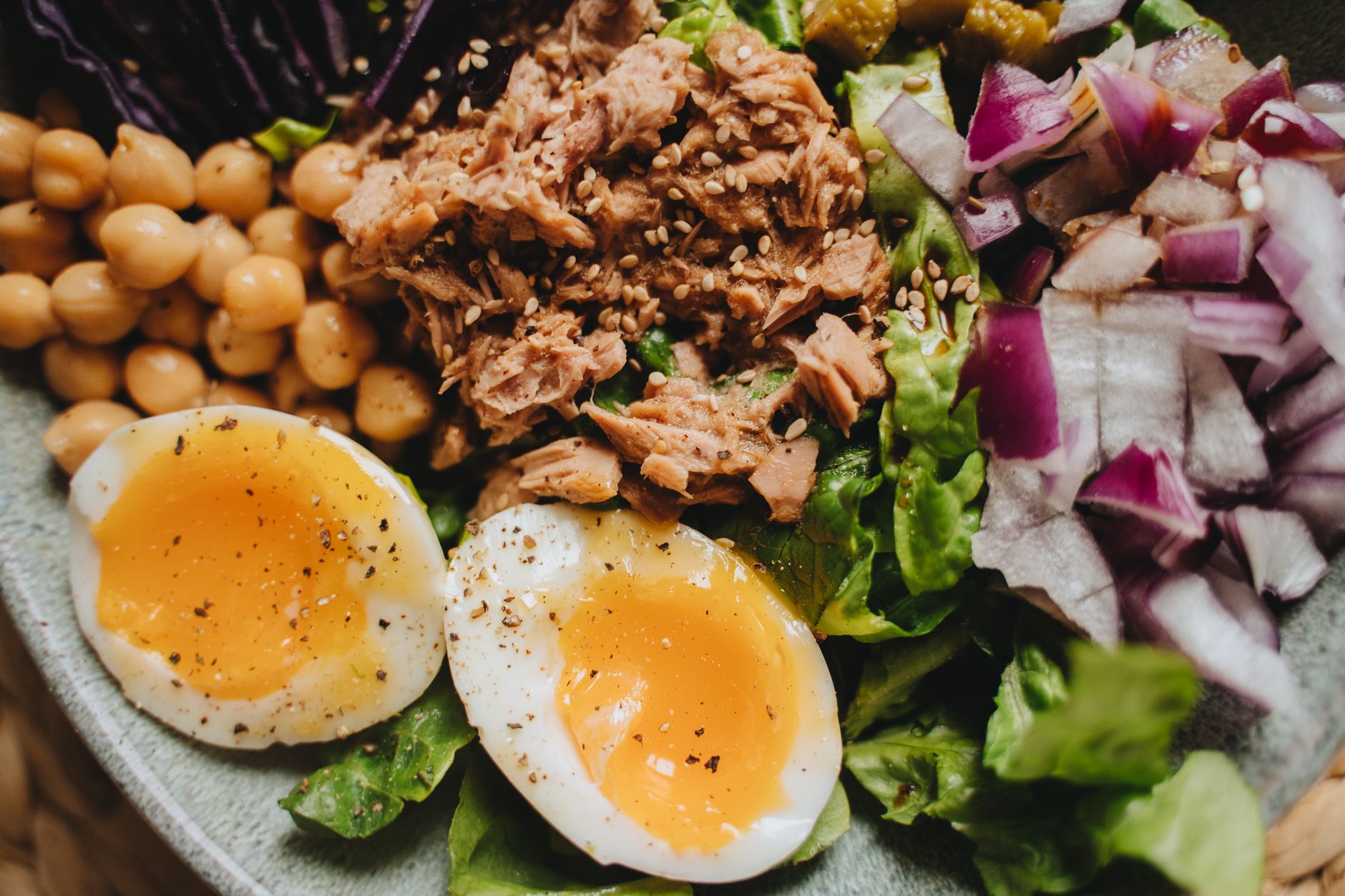
Photo by Alesia Kozik
Plant-based protein can meet your needs without perfect pairing
The idea that plant proteins are "incomplete" is often oversimplified. Some foods, including soy, provide all essential amino acids. Other plant foods contribute different amino acid patterns.
You don’t need to combine rice and beans in the same bite or even the same meal. Eat varied plant foods over the day. Beans, lentils, chickpeas, tofu, tempeh, soy milk, peas, nuts, seeds, and whole grains can collectively cover amino acid needs.
Plant-focused eaters may need slightly larger portions than people relying on animal-based protein. Legumes contain fewer grams of protein per bite than meat or dairy. They also bring fiber, potassium, and other nutrients that protein powders may lack.
Spread Protein Across Your Meals
Put more than coffee at breakfast
Many people eat little protein until dinner, concentrating their daily protein intake in one meal. That pattern can leave you chasing a large amount at night, when appetite and meal size may not cooperate.
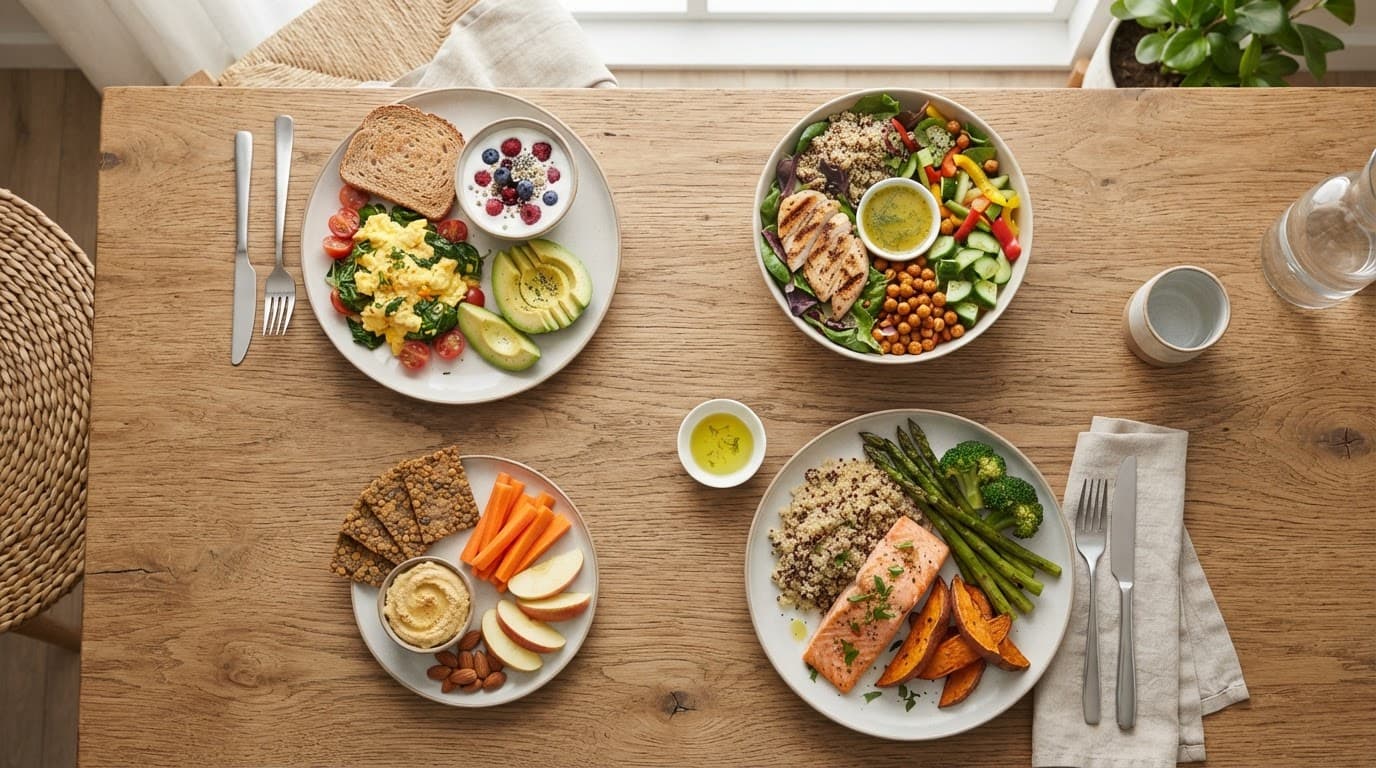
Instead, give each meal a protein anchor. Eggs or Greek yogurt at breakfast, lentils or chicken at lunch, and fish or tofu at dinner create a steadier pattern. A snack with milk, edamame, cottage cheese, or roasted chickpeas can close a small gap.
Research on muscle protein synthesis often uses about 0.4 grams per kilogram per meal as a planning guide. For many adults, that is roughly 25 to 30 grams of protein per meal. It’s a helpful target, not a rule that every meal must meet.
The post-workout window is wider than social media suggests
Protein after exercise supports recovery, yet your total daily intake and consistent training matter more than finishing a shake within a narrow deadline.
Eating a protein-containing meal within a few hours of training is practical for most people. If you exercised before breakfast, a yogurt bowl, eggs on toast, or tofu scramble can cover both recovery and a normal meal.
Supplements, Cost, and Safety Considerations
Powders are convenient, but food remains the foundation
Protein supplements can make sense for travel, low appetite, post-exercise meals, or a temporary inability to prepare food. They are not required for muscle gain or healthy aging.
Compare the protein amount per serving, added sugar, sodium, calories, and ingredient list. Buy from reputable retailers and avoid products that make extreme muscle-building or weight-loss claims. An Online Pharmacy can be a useful source for nutrition products, but a supplement should never replace prescribed treatment or regular meals.
If poor appetite limits dietary variety, a protein product should complement a healthy diet, not replace meals or varied food intake. A separate review of vitamins for daily wellness and energy may help you discuss gaps with a pharmacist or dietitian.
Kidney disease requires a personalized number
Healthy adults do not have an official upper limit for protein intake. People with reduced kidney function often need individualized protein limits to reduce strain on impaired kidneys.
Do not follow an extreme high-protein diet without medical guidance if you have reduced kidney function, kidney stones, liver disease, or poorly controlled diabetes. The same care applies if you take medicines that require kidney and potassium monitoring, including some perindopril-containing blood pressure treatments.
Cancer treatment, unintentional weight loss, swallowing problems, and digestive surgery also change the calculation. In those situations, a registered dietitian can match protein, calories, fluids, symptoms, nutritional requirements, and treatment plans.
Final Thoughts
A useful protein target starts with body weight, then adapts to your age, activity, appetite, and health conditions. The baseline RDA works for many sedentary adults, while older or active people often benefit from more.
Focus on consistent protein-rich meals, rather than one oversized serving or an expensive powder. Choose a target you can meet comfortably, safely, and regularly.
Frequently Asked Questions
How much protein per day does a sedentary adult need?
Most healthy sedentary adults need 0.8 grams of protein per kilogram of body weight daily. Divide pounds by 2.2 to find kilograms, then multiply by 0.8. A 150-pound person weighs about 68 kilograms and needs roughly 55 grams of protein per day.
Does eating more protein automatically build muscle?
No. Protein supplies the amino acids needed for muscle repair, but resistance training provides the stimulus for muscle growth. Higher intake without strength training may still support fullness and normal tissue maintenance, but it won't produce the same muscle-building response as protein paired with exercise.
Are plant proteins incomplete?
Plant proteins can support health and muscle maintenance. Soy is a complete protein, while foods such as beans, grains, nuts, and seeds complement one another over the day. You don't need to combine exact foods at every meal, as long as your overall diet includes enough variety and protein.
Can too much protein harm your kidneys?
High-protein diets aren't appropriate for everyone. People with kidney disease may need controlled protein intake, so they should follow a clinician's guidance. Healthy adults should still avoid extreme intakes that displace fiber-rich foods, exceed calorie needs, or rely heavily on processed meats and supplements.
How much protein should I eat while taking Mounjaro or another weight loss medication?
No official protein target applies to every person using a GLP-1 medicine. Reduced appetite can lower protein intake, so include a protein source in small meals and snacks. Ask your prescriber or dietitian to set your daily protein intake target based on weight loss pace, kidney function, activity, and tolerance.
Should I use protein shakes every day?
A shake can be useful when meals are hard to manage, but you don't need one daily if food meets your target. Choose a product with a clear nutrition label and moderate added sugar. Whole-food choices provide protein alongside fiber, minerals, and other nutrients.