
Psoriasis Medications: Topical and Systemic Options
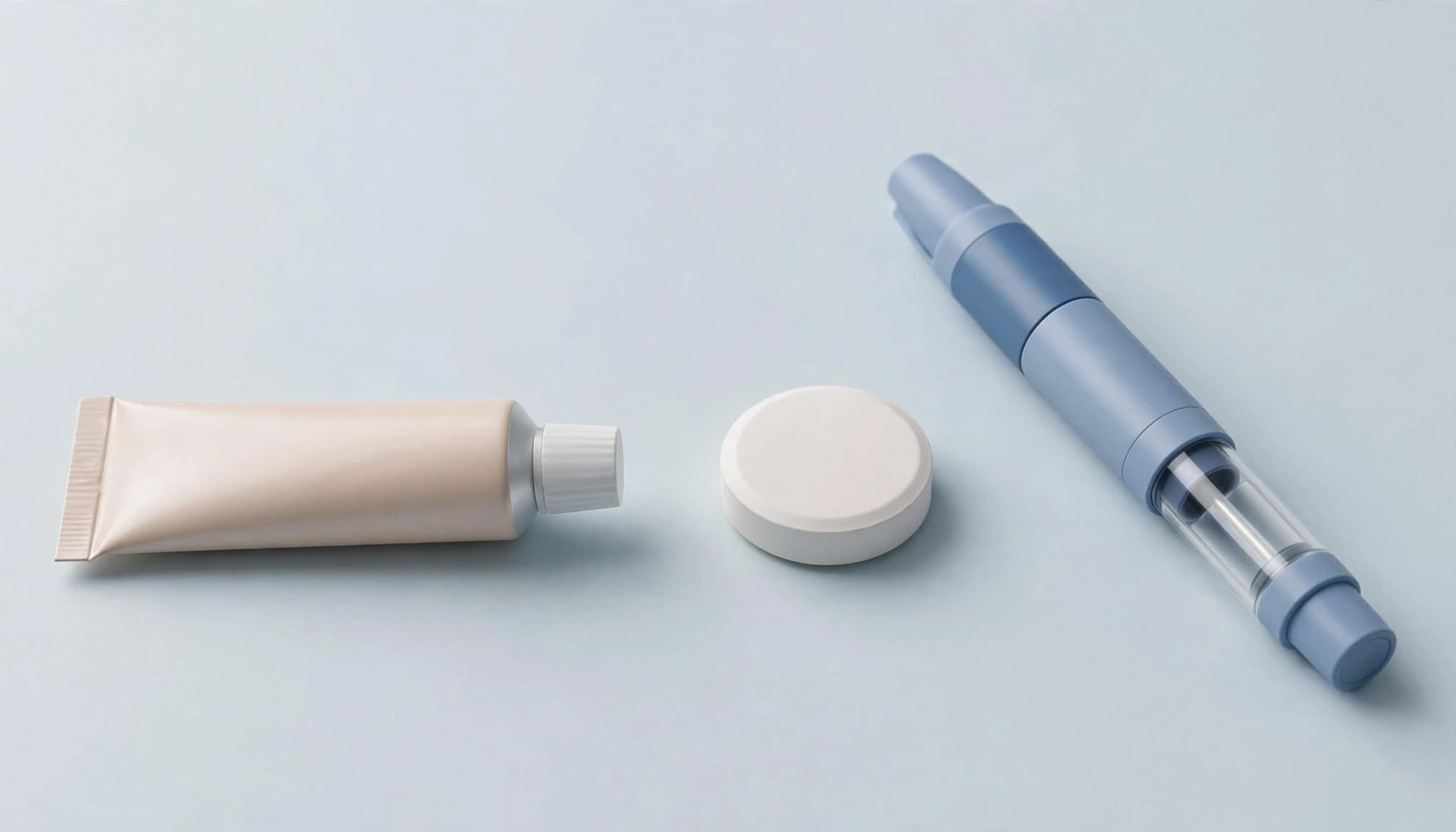
Psoriasis medications reduce inflammation, slow excessive skin-cell growth, and control plaques. They don't cure psoriasis, but effective treatment can substantially reduce symptoms and improve daily life.
Treatment in brief: Topical medicines treat affected skin. Oral medicines and injected biologics act throughout the body. Disease severity, location, joint symptoms, and safety determine the choice.
A small affected area can still justify systemic treatment when psoriasis disrupts walking, sleep, or sexual health. Understanding these differences explains why a dermatologist may recommend different medicines for people with apparently similar disease.
Table of Contents
Key takeaways · Treatment comparison · Topical treatments · Oral medicines · Biologics · Monitoring · Affordable access · FAQs · Conclusion
Key Takeaways
- Topicals usually suit limited psoriasis, but sensitive locations can justify treatment beyond creams.
- Oral drugs and biologics have different monitoring requirements; taking a pill doesn't automatically mean fewer risks.
- Combination treatment is common. Many people receiving systemic medicines still use a topical treatment for persistent patches.
How Psoriasis Medications Compare
NYU Langone describes topical treatments as most effective for mild to moderate psoriasis covering less than 10% of the body. However, body surface area alone doesn't capture the burden of scalp, genital, hand, foot, or nail disease.
The main categories differ in how they reach inflammation.
| Treatment | Examples | Typical role |
|---|---|---|
| Topical medicines | Corticosteroids, calcipotriene, tazarotene | Limited plaques or persistent patches |
| Oral medication | Methotrexate, apremilast, deucravacitinib | Acts throughout the body for extensive, disruptive, or treatment-resistant psoriasis |
| Biologics | Adalimumab, secukinumab, risankizumab | Moderate to severe disease requiring targeted systemic treatment |
These aren't rigid steps that every patient must complete. For moderate to severe psoriasis, disease severity, joint involvement, pregnancy plans, and other illnesses can affect the starting option.
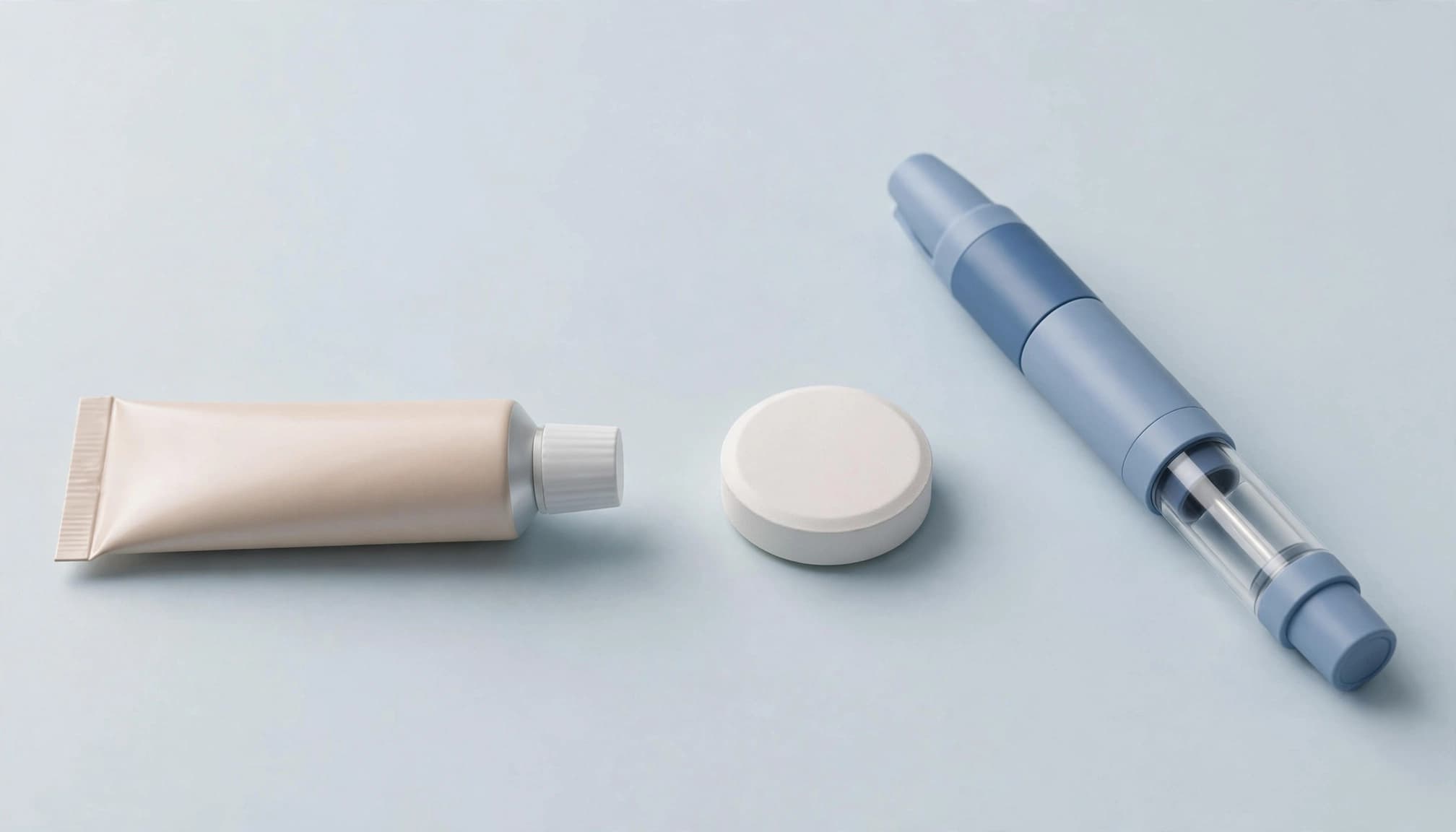
Topical Treatments for Limited Psoriasis
Corticosteroids and steroid-sparing medicines
Topical steroids in creams, gels, foams, and scalp solutions suppress local inflammation. Dermatologists choose lower-potency products for sensitive areas, including the face and genitals, and stronger preparations for thick plaques.
Prolonged use can cause skin thinning and discoloration. Treatment plans therefore limit duration, reduce application frequency, or introduce another medicine.
Vitamin D analogues, such as calcipotriene, slow excessive skin-cell production and often accompany corticosteroids. Tacrolimus and pimecrolimus are off-label calcineurin inhibitors sometimes prescribed for eyelids, genital skin, and folds.
The retinoid tazarotene topical treatment helps regulate skin-cell turnover but can irritate skin. It mustn't be used during pregnancy.
Scale removal and other nonsteroid options
Salicylic acid loosens scales so other treatments can reach affected skin. Coal tar reduces scaling and itching, but it can stain clothing or bedding and increase sun sensitivity. Broad-spectrum SPF 30 or higher and sun protection matter during treatment.
Anthralin is a synthetic version of a substance originally obtained from the South American araroba tree's bark. Dermatologists sometimes use it for plaques that resist other topicals, although irritation and staining limit its convenience.
Newer nonsteroid options include tapinarof, which acts on the aryl hydrocarbon receptor, and roflumilast, which inhibits PDE4 inflammatory signaling.
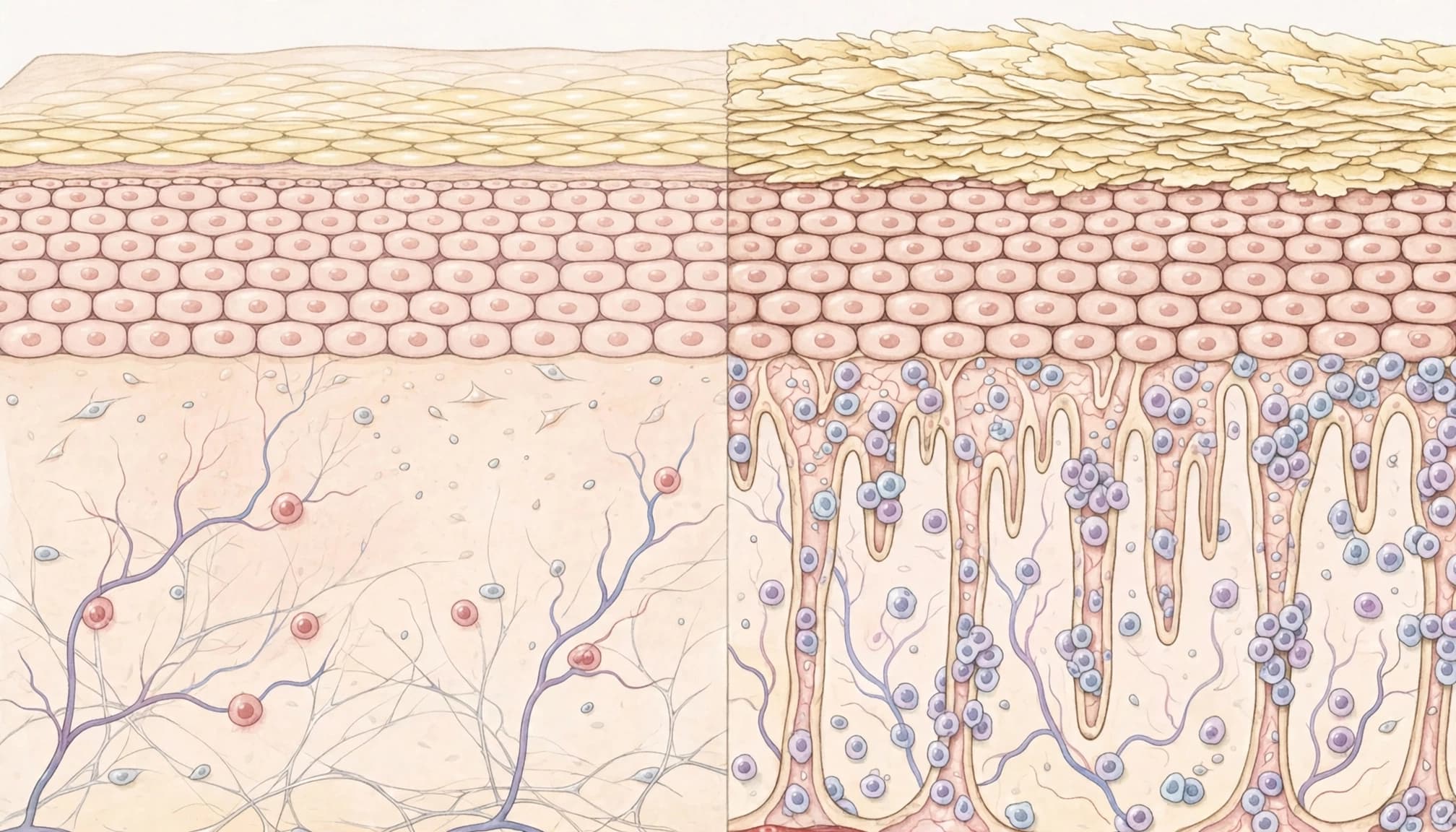
Oral Systemic Medicines for Psoriasis
Methotrexate, cyclosporine, and acitretin
Methotrexate reduces immune activity and can treat skin disease and psoriatic arthritis. For psoriasis, it's generally taken once weekly, not daily. Accidental daily dosing can cause fatal toxicity.
Blood work monitoring includes blood counts, kidney function, and signs of liver inflammation. Once treatment is stable, testing often occurs about every three to four months, with more frequent checks at first. Liver disease requires particular caution.
Cyclosporine suppresses T-cell activity and can control severe flares relatively quickly. Blood pressure and kidney monitoring limit its suitability for prolonged use.
The first two medicines are immunomodulators; acitretin regulates skin-cell growth rather than broadly suppressing immunity. It requires liver and lipid monitoring and strict pregnancy prevention, including for three years after stopping.
Apremilast, deucravacitinib, and newer targeted pills
Apremilast (Otezla) blocks PDE4, an enzyme involved in inflammation. Gastrointestinal effects include nausea, diarrhea, and vomiting. Nausea and diarrhea affect roughly 10% to 15% or more, depending on the study. Routine blood work isn't required, but weight, mood, and kidney function remain relevant.
Deucravacitinib (Sotyktu) blocks TYK2 signaling. Head-to-head trials found greater skin improvement than apremilast. Before treatment, clinicians screen for tuberculosis; lipid monitoring, particularly triglycerides, may also be needed.
The oral category expanded in March 2026 with FDA approval of icotrokinra. Sold as Icotyde, it blocks the IL-23 receptor. Its approval covers eligible adults and adolescents with moderate to severe plaque psoriasis.
Biologics Target Specific Immune Signals
Drug targets and patient suitability
Biologics are protein-based medicines that interrupt selected inflammatory signals. Major classes include TNF alpha blockers such as adalimumab and etanercept; IL-17 (interleukin-17) blockers such as secukinumab and ixekizumab; and IL-23 (interleukin-23) blockers such as guselkumab and risankizumab.
Ustekinumab treatment for psoriasis blocks IL-12 and IL-23. Spesolimab blocks IL-36 signaling and treats generalized pustular psoriasis, a distinct condition that requires specialist care.
Selection also depends on joint symptoms, inflammatory bowel disease, infection history, and other medical conditions. Some biologics treat both skin and joint disease, while others have narrower indications.
Injections, infection screening, and biosimilars
Many biologics are subcutaneous injections that patients can administer at home after training. Schedules vary: some require weekly or every-other-week injections, while others extend to every eight or twelve weeks after initial doses. Certain medicines require intravenous treatment in a clinic.
TNF blockers can reactivate latent tuberculosis because TNF helps contain the infection. Clinicians assess TB before biologic treatment and review other infection risks and vaccinations.
Biosimilars are highly similar to reference biologics, with no clinically meaningful differences in safety or effectiveness. They aren't exact molecular copies, but that doesn't make them inferior. Lower prices and assistance programs can reduce costs, although insurance coverage affects the final expense.
Treatment Timing and Safety Monitoring
Topical treatment often improves symptoms within weeks. Systemic medicines vary considerably: some work quickly, while others need three to six months for a full assessment. Early improvement may appear sooner.
During that interval, a care team may add topical medication or supervised phototherapy, also called light therapy. Many patients continue a cream for areas that still flare after systemic treatment succeeds.
Discuss medicine changes with a dermatologist. Infection, side effects, and the previous drug's duration of action affect timing, so there isn't one switching schedule for every biologic.
Pregnancy plans and the complete medication list belong in every review. Methotrexate, acitretin, and topical tazarotene carry important pregnancy restrictions.
How to Access Psoriasis Treatment Affordably
Generic corticosteroids and older oral medicines generally cost less than newer targeted tablets and biologics. However, laboratory tests, appointments, injection supplies, and insurance rules also affect the total cost.
For a concrete topical example, our Elocon mometasone cream listing shows a 30 g pack at US$17.71. A pack price isn't a monthly treatment estimate because prescribed quantity and application frequency vary.
USA, UK, and Australia pricing systems differ. A US cash price isn't directly comparable with an NHS prescription charge or an Australian subsidized copayment. International sourcing may offer another price, but shipping, import restrictions, and temperature-controlled delivery can change its practicality.
At our Online Pharmacy, prescription medicine requires a valid prescription from a licensed physician. Pharmacy support can address ordering and refill questions; treatment selection remains with the prescriber.
Safe online medicine home delivery also depends on licensed dispensing, traceable supply, and appropriate storage. Imported products don't automatically have destination-country approval.
This information is for educational purposes only. Consult a licensed healthcare provider before starting, switching, or stopping psoriasis treatment.
Frequently Asked Questions
What are the side effects of Sotyktu?
Common effects include upper respiratory infections, acne, cold sores, and mouth ulcers. Serious infections and muscle injury are less common concerns. TB screening precedes treatment. Sotyktu also received a psoriatic arthritis approval in 2026, which may matter when skin and joint disease coexist.
How often does methotrexate need blood tests?
Once dosing and results are stable, monitoring commonly occurs about every three to four months. Testing is more frequent after starting treatment or changing the dose. Liver disease, reduced kidney function, interacting medicines, or abnormal results can require a different schedule.
Why is tuberculosis screening necessary before biologics?
Tuberculosis can remain inactive without symptoms. Medicines that alter immune signaling, especially TNF blockers, can allow latent infection to become active. Screening identifies people who need further assessment or preventive treatment. A negative test doesn't eliminate the need to assess later symptoms or exposures.
Which medicines treat scalp and nail psoriasis?
Scalp corticosteroid solutions, foams, gels, and shampoos reduce inflammation while fitting hair-bearing areas. Scale-softening products may help. Nail treatment can include topical corticosteroids, vitamin D analogues, or retinoids. Extensive nail disease sometimes needs systemic treatment, and improvement takes months because nails grow slowly.
Is ordering psoriasis medicine online safe?
A legitimate service requires prescriptions for prescription-only medicines and provides pharmacist access, identifiable dispensing arrangements, and appropriate storage. Injectable biologics may need refrigerated transport. A low price alone doesn't establish product quality, and international availability doesn't override import laws or local approval requirements.
Matching Treatment to the Disease
Effective psoriasis treatment matches the medicine to the affected sites, disease burden, joint involvement, and individual safety risks. The strongest drug isn't automatically the best fit.
Because psoriasis is chronic, sustainable treatment matters alongside skin clearance. A workable plan accounts for monitoring, affordability, and persistent patches without unnecessary medication changes.