
QT Prolongation: Medicines That Affect Heart Rhythm
Written by: Waldrugmart Editorial Team
Reviewed by: Navdeep Singh, B.Pharm — Registered Pharmacist
Last reviewed:
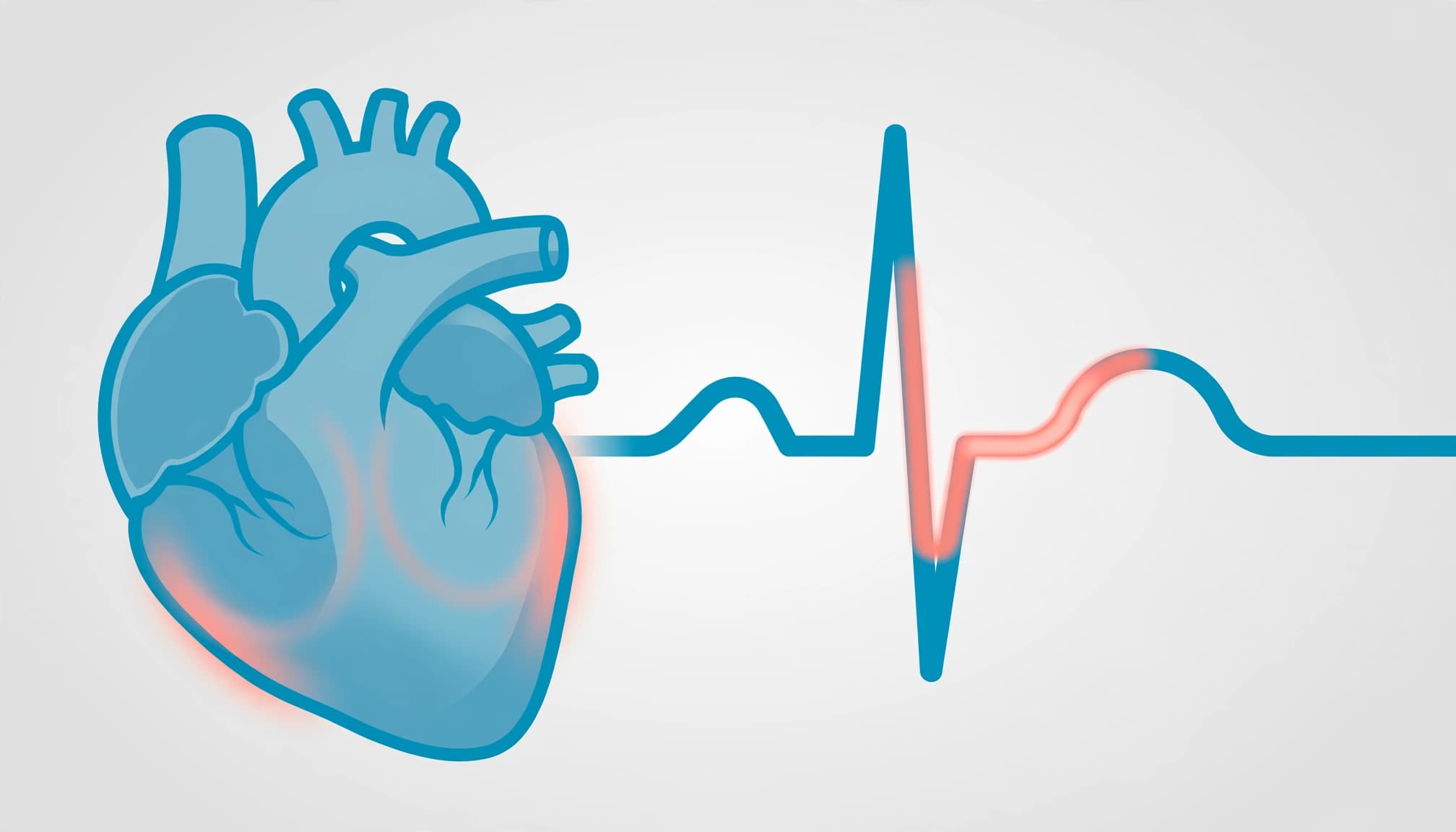
Medicines that can cause QT prolongation include certain heart-rhythm drugs, antibiotics, antidepressants, antipsychotics, anti-nausea treatments, and methadone. They can delay the heart's electrical recovery between beats and increase the risk of a dangerous rhythm called torsades de pointes.
However, risk varies substantially with the medicine, dose, kidney function, electrolyte levels, and other treatments. A prolonged ECG measurement doesn't automatically mean an arrhythmia will occur, but it warrants interpretation in context.
Inherited long QT syndrome is distinct from medication-related QT changes, though both delay the heart's electrical recovery.
Table of Contents
- Key takeaways
- What QT prolongation means
- Medicines that can prolong QT
- What the studies show
- Factors that increase risk
- ECG monitoring and treatment changes
- Affordable access and prescription safety
- Frequently asked questions
- Keeping treatment benefits and cardiac risk in balance
Key Takeaways
- The QTc interval adjusts the QT interval for heart rate; values above 500 milliseconds generally require prompt clinical assessment.
- Risk factors include combining QT-prolonging medicines, low potassium or magnesium, and reduced drug clearance.
- ECG monitoring and medication review can support continued treatment, although some situations require dose reduction, substitution, or discontinuation.
What QT Prolongation Means
Electrical recovery and potassium channels
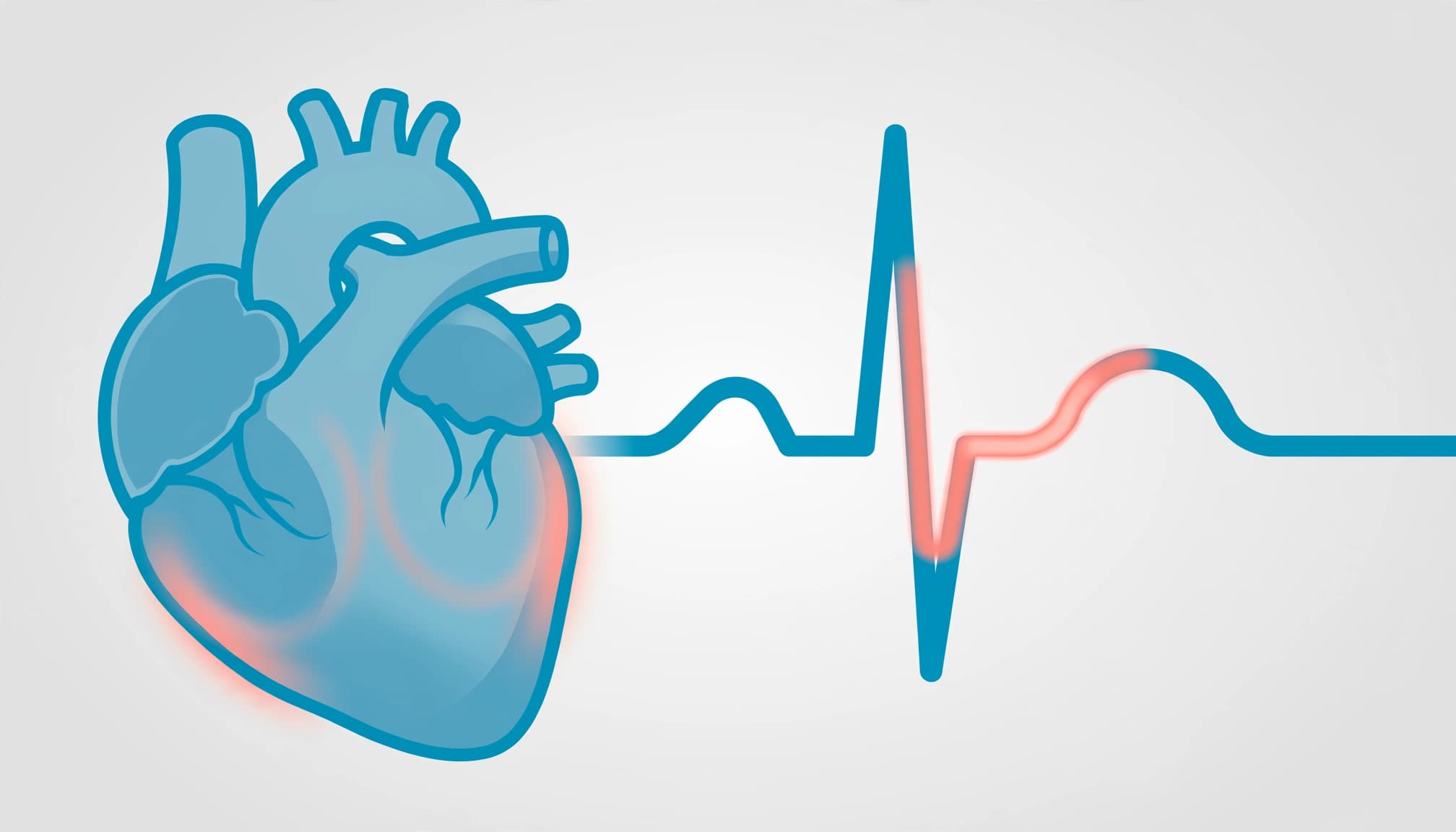
The QT interval runs from the start of the QRS complex to the end of the T wave on an electrocardiogram. It includes ventricular activation and recovery; prolongation usually reflects delayed ventricular repolarization. It can result from medication effects or occur with inherited long QT syndrome.
Most drug-induced QT prolongation involves blockade of hERG channels, which carry the IKr current and support ventricular repolarization. This delays electrical recovery and ventricular repolarization, and can permit abnormal beats that trigger torsades de pointes.
QTc calculations and differing thresholds
Because heart rate affects QT duration, clinicians calculate the QTc interval, a corrected measurement. Bazett's formula is QTc = QT / √RR, with both intervals measured in seconds. It can overcorrect at faster heart rates; Fridericia correction is another option.
Thresholds differ by definition. The Korean Journal of Pain review uses above 450 milliseconds for men and 470 for women. AHA/ACC guidance describes approximate 99th-percentile limits of 470 and 480 milliseconds, respectively.
The Cureus review cites normal limits of 440 and 460 milliseconds, while highlighting values above 500 milliseconds or increases above 60 milliseconds as concerning. These thresholds answer different questions; none replaces clinical interpretation.
Which Medicines Can Cause QT Prolongation?
These examples of antiarrhythmic drugs and other medicines aren't exhaustive, and medicines within a class don't carry identical risks.
| Drug group | Named examples | Main concern |
|---|---|---|
| Antiarrhythmics | Sotalol, dofetilide, quinidine, procainamide | QT effects and torsades risk influence selection and monitoring. |
| Other rhythm-control treatment | Amiodarone | QT prolongation is common, but torsades occurs less often than its QT effect might suggest. |
| Antibiotics and antifungals | Clarithromycin, azithromycin, moxifloxacin, voriconazole | Direct QT effects and metabolic interactions can overlap. |
| Antidepressants and antipsychotics | Citalopram, escitalopram, haloperidol, ziprasidone | Dose, route, and accompanying medicines affect risk. |
| Antiemetics | Ondansetron, droperidol | Intravenous exposure and existing cardiac disease require attention. |
| Pain treatment | Methadone | QT changes can occur during prescribed treatment. |
| Cancer treatment | Arsenic trioxide, ribociclib | Product-specific ECG and electrolyte monitoring applies. |
Flecainide can lengthen the measured QT by widening the QRS. That doesn't mean it carries the same torsades risk as the listed medicines.
These medicines treat important conditions, including serious infections, cancer, and disabling psychiatric illness. A QT warning doesn't automatically make treatment unsuitable.
Citalopram prompted an FDA safety communication in 2012. The FDA's revised prescribing recommendations call for discontinuation when QTc measurements remain above 500 milliseconds, under prescriber supervision.
For rhythm treatment, our atrial fibrillation medication guide distinguishes medicines that control heart rate from those intended to maintain rhythm.
What the Studies Show About Individual Drugs
Pain medicines and ondansetron
The Korean Journal of Pain review illustrates why clinical setting matters. In a prospective chronic-pain study starting methadone at up to 60 mg daily, 11% developed QTc above 450 milliseconds; the highest incidence occurred around one month.
In 40 hospitalized patients with heart failure or acute coronary syndrome, 4 mg intravenous ondansetron increased mean QTc by 19.3 milliseconds. After treatment, prolonged QTc occurred in 31% of the heart-failure subgroup and 46% of the acute-coronary-syndrome subgroup. These aren't general-population risk estimates.
For ketorolac, the review reported QT increases exceeding 30 milliseconds and a 58% increase in QT prolongation under general anesthesia. These findings don't establish a routine outpatient risk rate.
Antiarrhythmic dosing and interacting drugs
A retrospective study reported nonstandard initial doses in 56.4% of sotalol recipients and 58.4% of dofetilide recipients. Those figures describe that study's prescribing, not the proportion of patients who developed arrhythmias.
The Cureus review reported a 49-millisecond QTc increase with amiodarone plus voriconazole. Estimates for amiodarone alone and voriconazole alone were 29 and 26.2 milliseconds, but came from separate studies, not a head-to-head comparison.
It also described a hemodialysis patient with QTc of 523 milliseconds associated with NAPA, procainamide's active metabolite, despite normal procainamide concentrations. The case demonstrates why a parent-drug blood level alone may miss risk.
Factors That Increase the Risk of Torsades
Several risk factors increase susceptibility, including female sex, advanced age, heart failure, bradycardia, low potassium (hypokalemia), and low magnesium. Kidney or liver impairment can also raise exposure to medicines or active metabolites.
Vomiting, diarrhea, dehydration, and diuretics can cause an electrolyte imbalance. A dose tolerated previously may become unsuitable after an illness or a decline in kidney function.
CredibleMeds' three torsades risk categories, listed in its QTdrugs List, are known risk, possible risk, and conditional risk. Conditional risk applies in circumstances such as overdose, electrolyte abnormalities, or interacting drugs. These categories describe medication risk, not an individual patient's probability.
Two medicines can create risk through separate mechanisms: both may prolong QT, or one may slow the other's removal from the body.
Sustained torsades de pointes can deteriorate into ventricular fibrillation and, rarely, sudden cardiac death.
A complete medication list should include supplements and nonprescription medicines, including nighttime remedies. Our guidance on medication reconciliation after discharge addresses discrepancies that can leave an unintended combination in place.
ECG Monitoring and Safer Treatment Changes
Before treatment and after dose changes
Baseline assessment considers the ECG, potassium, magnesium, kidney function, existing heart disease, and the full medication list. Monitoring intensity depends on the drug and the patient's risk.
The AHA/ACC hospital-setting statement supports baseline QTc documentation and repeated assessment after at-risk treatment begins. Hospital protocols can include recordings every 8 to 12 hours after initiation or dose increases.
That schedule isn't a universal outpatient requirement. Outpatient monitoring often follows the medicine's expected time to steady state, with earlier assessment if symptoms or additional risks develop. Patients can ask whether they need an ECG or electrolyte tests, when testing should be repeated, and whether any prescription, supplement, or over-the-counter medicine may interact.

Responding to an abnormal result
Clinicians may correct electrolytes, remove an interaction, reduce the dose, titrate more slowly, or select an alternative. A substantial or persistent QTc change can increase the risk of torsades de pointes and may require stopping the medicine and seeking specialist assessment.
An automated ECG number sometimes needs manual confirmation, particularly with an irregular rhythm or a wide QRS complex. Electrolyte replacement also requires care because excessive potassium can cause dangerous arrhythmias.
Monitoring supports useful treatment without assuming that every abnormal result requires the same response.
Accessing Prescription Medicines Affordably and Safely
QT prolongation has no single treatment price. Costs depend on the underlying prescription medicine, any suitable generic alternative, ECGs, laboratory testing, and clinical follow-up.
A local-versus-international comparison should account for those expenses alongside dispensing charges and medicine delivery costs to the USA, UK, or Australia. A lower tablet price doesn't remove monitoring requirements.
Online medicine home delivery can help maintain supply, but international sourcing remains subject to prescription, dispensing, and import rules. A valid prescription and pharmacist review remain necessary; a lower-cost product shouldn't change the prescribed ingredient, strength, or formulation without clinical authorization.
Our pharmacist consultation service supports questions about prescriptions and medication combinations. Monitoring costs remain separate from dispensing and delivery charges.
Frequently Asked Questions
Do benzodiazepines or gabapentin prolong QTc?
A 2024 study of 251 inpatients with benzodiazepine dependence found no significant association between QTc and benzodiazepine dose or duration. Gabapentin evidence includes studies of gabapentin enacarbil, a related prodrug; those findings shouldn't become a blanket safety claim for every formulation, patient, or medication combination.
Can tramadol cause QTc prolongation?
Reports have linked tramadol exposure with QTc changes, particularly at higher drug concentrations. However, its evidence differs from methadone's and doesn't justify assigning identical risk. Kidney impairment and accompanying medicines matter. Tramadol also has separate seizure and serotonin-syndrome risks, especially with certain antidepressants and overdose.
Can doxylamine affect heart rhythm?
Doxylamine has low QT liability in a published 2026 assessment, but that classification doesn't establish safety during overdose or in every combination. As a sedating antihistamine, it also causes anticholinergic effects. Nonprescription sleep aids therefore belong in medication reviews, especially for older adults taking several medicines.
Which symptoms require emergency assessment?
QT prolongation often causes no symptoms before an arrhythmia occurs. Fainting, collapse, or a seizure requires emergency assessment, particularly after a medication change. Sustained palpitations accompanied by severe dizziness, chest pain, or breathlessness also require urgent care. Scheduled ECG testing shouldn't delay assessment of these symptoms.
Should a QT-prolonging medicine be stopped immediately?
An ECG warning alone doesn't establish that stopping treatment is the safest choice. Abrupt withdrawal can worsen some underlying conditions. Prescribers weigh the QTc measurement, symptoms, electrolyte results, treatment benefits, and available alternatives. Emergency symptoms require immediate assessment rather than waiting for a routine prescription review.
Keeping Treatment Benefits and Cardiac Risk in Balance
Medicines that prolong QT can remain appropriate when their benefits justify the risk and monitoring addresses preventable harm. The most useful assessment combines the ECG with drug exposure, electrolytes, kidney function, and interactions.
This information is for educational purposes only. Consult a licensed healthcare provider for individualized decisions about testing or treatment changes. A QTc measurement gains its meaning from the clinical circumstances around it.