
Serotonin Syndrome: Warning Signs and Drug Triggers

Serotonin syndrome is a potentially life-threatening drug reaction caused by excessive serotonin activity. Fever, confusion, and muscle jerking after a medicine change require urgent medical assessment.
Symptoms often begin within hours, particularly when medicines with overlapping serotonin effects are combined. Antidepressants, certain painkillers, migraine treatments, and supplements can contribute, so recognition depends on the complete medication history.
High fever, severe muscle stiffness, seizures, collapse, or reduced consciousness require emergency services, not a routine pharmacy appointment.
Table of Contents
- Key takeaways
- Why serotonin syndrome develops
- Medicines and combinations that raise risk
- Warning signs and emergency symptoms
- Diagnosis and Hunter criteria
- Treatment and recovery
- Affordable access and medication safety
- Frequently asked questions
- Conclusion
Key Takeaways
- Serotonin syndrome can follow a new medicine, dose increase, overdose, or interacting combination.
- Clonus, repetitive involuntary muscle contractions, is an important diagnostic clue.
- Treatment begins with stopping causative medicines under medical supervision and providing supportive care.
This information is for educational purposes only. Consult a licensed healthcare provider about individual symptoms, medication combinations, and treatment decisions.
Why Serotonin Syndrome Develops
How medicines alter serotonin activity
Serotonin helps regulate mood, digestion, temperature, and other functions. Medicines can increase its availability through different mechanisms.
Selective serotonin reuptake inhibitors (SSRIs) reduce serotonin reabsorption between nerve cells. Serotonin-norepinephrine reuptake inhibitors (SNRIs) affect both serotonin and norepinephrine. Monoamine oxidase inhibitors (MAOIs), meanwhile, reduce the breakdown of these chemical messengers.
When these effects overlap, serotonin activity can become excessive. Our guide to understanding drug interactions explains why combining medicines can change their effects even when each dose follows a prescription.
When symptoms usually begin
According to the StatPearls clinical review, most cases present within 6 to 24 hours after a dose change or exposure to a new serotonergic substance.
However, timing varies. Serotonin syndrome can occur with one serotonergic medicine, although combinations create additional risks. Recent starts, increases, switching between antidepressants, and overdoses deserve attention.
A prescription doesn't eliminate interaction risk. Conversely, taking a serotonergic medicine doesn't mean that toxicity will develop.
Medicines and Combinations That Raise Risk
Prescription drug classes
Combining an MAOI with an SSRI, SNRI, or another serotonergic agent creates a serious interaction risk. Many such combinations are contraindicated and require medicine-specific separation periods when switching.
These medicines warrant attention during an interaction review.
| Medicine group | Examples | Main concern |
|---|---|---|
| SSRIs and SNRIs | Sertraline, escitalopram, venlafaxine, duloxetine | Combining serotonin effects or increasing exposure |
| MAOIs | Phenelzine, tranylcypromine | Reduced serotonin breakdown |
| Other antidepressants | Clomipramine, trazodone | Additional serotonergic effects |
| Certain opioids | Tramadol, meperidine, fentanyl, methadone | Interaction with antidepressants and other serotonergic drugs |
| Migraine treatments | Triptans, including sumatriptan | Combination risk requires clinical context |
| Other prescription medicines | Lithium, buspirone, amphetamines | Potential contribution to serotonin toxicity |
The drugs don't carry identical risks. Their doses, mechanisms, and combinations matter.
Trazodone, sold as Desyrel, is a serotonin antagonist and reuptake inhibitor used for depression and sometimes prescribed off-label for insomnia. Its sedating effect doesn't remove its interaction risk. Our trazodone medication information describes its uses and precautions.
Supplements and occasional products also matter
St. John's wort and tryptophan supplements belong on the medication list. Their nonprescription status doesn't establish compatibility with antidepressants. Dextromethorphan in some OTC cough products and MDMA (ecstasy) can contribute to excess serotonin, especially alongside other medicines with serotonergic effects.
Likewise, occasional products can disappear from a patient's remembered medication history. Our guide to checking OTC drug interactions explains why active ingredients, supplements, and as-needed medicines need review alongside daily prescriptions.
Warning Signs and Emergency Symptoms
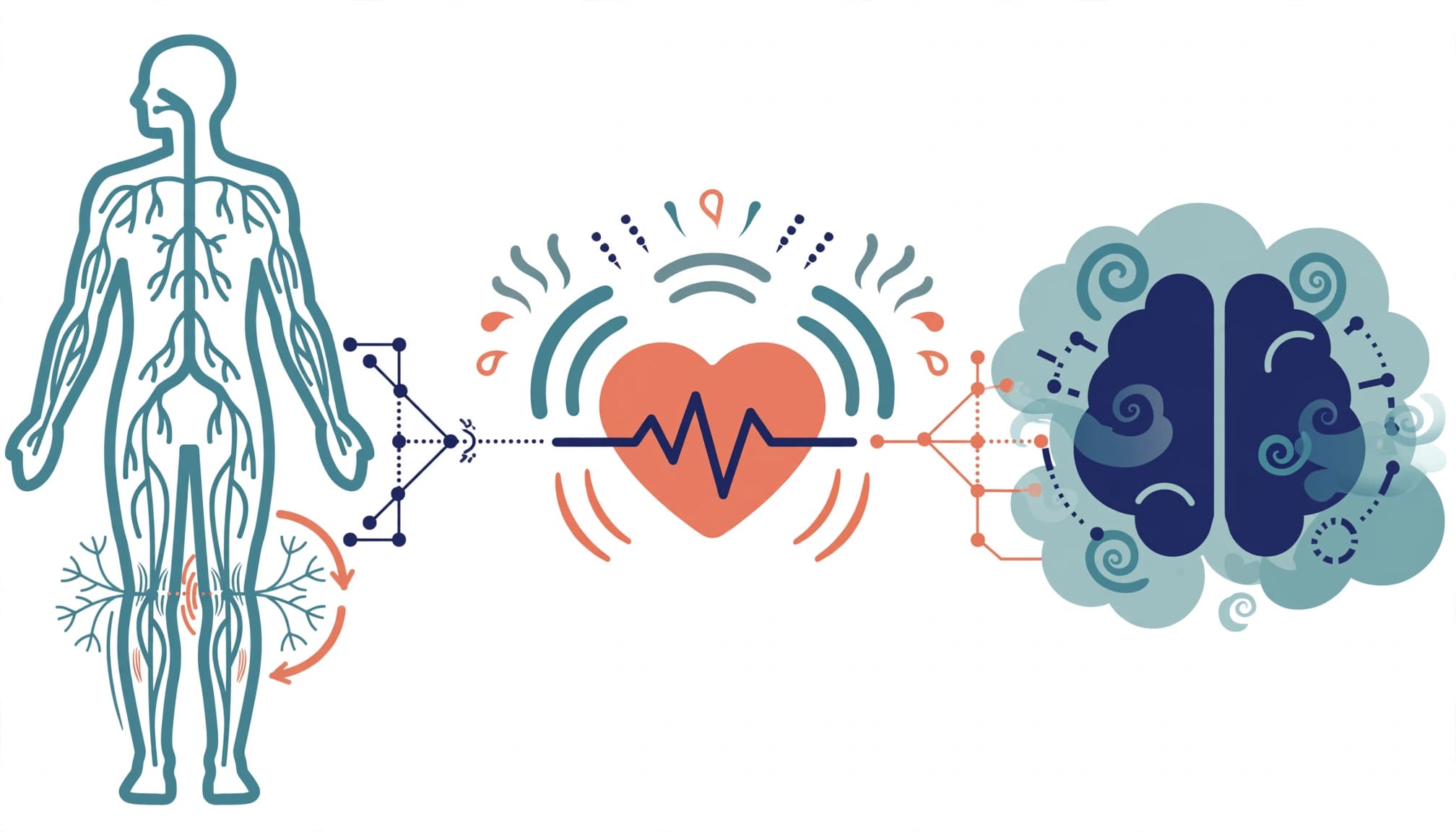
The three symptom groups
Serotonin syndrome produces a clinical triad: neuromuscular excitation, autonomic instability, and altered mental status.
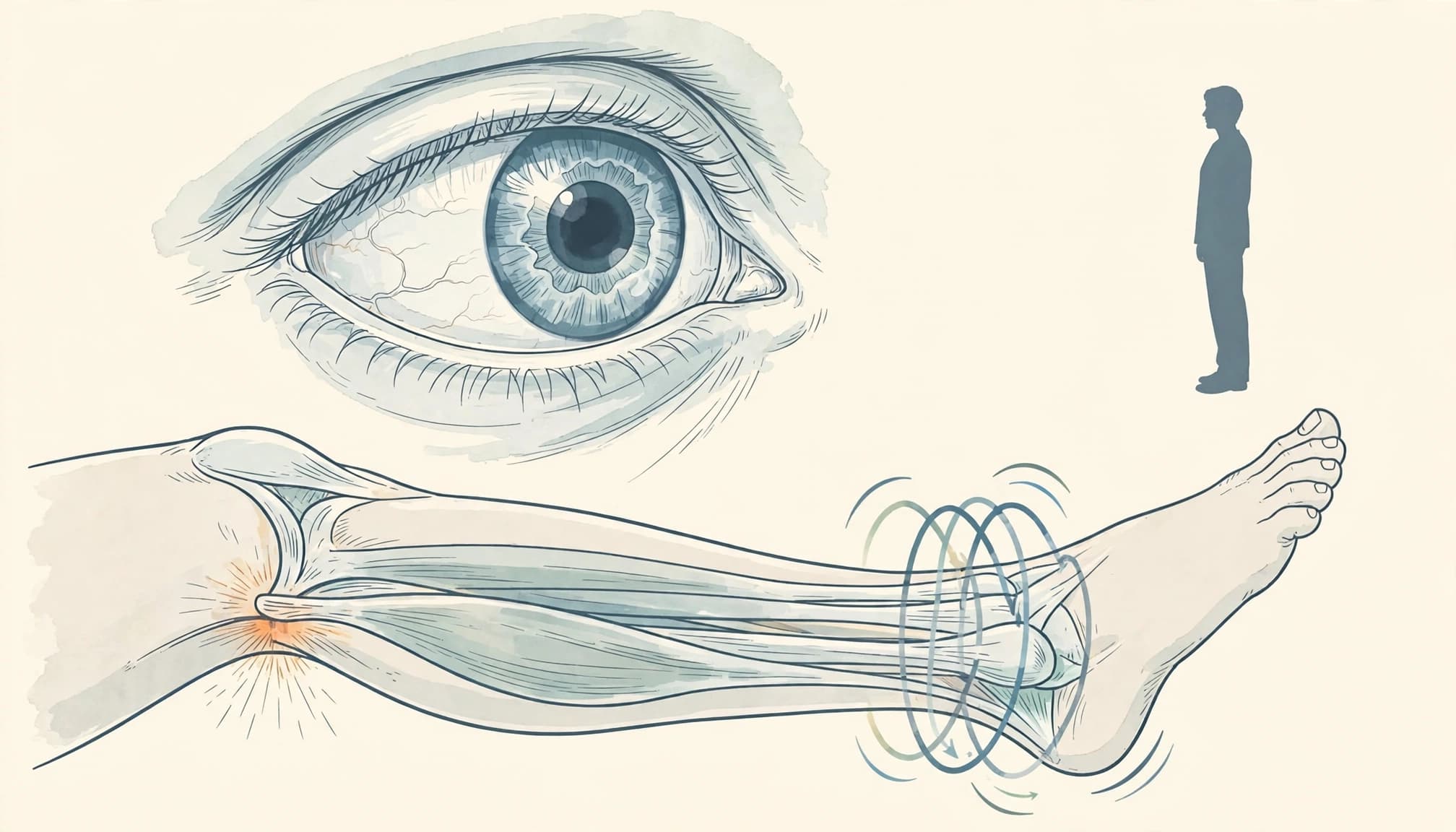
Neuromuscular signs include tremor, unusually brisk reflexes (hyperreflexia), clonus, and muscle rigidity. Myoclonus means brief, shock-like muscle jerks, unlike repetitive muscle contractions. Clonus may occur spontaneously, appear during examination, or involve repetitive eye movements.
Autonomic symptoms include diaphoresis (heavy sweating), tachycardia (rapid heartbeat), blood pressure changes, enlarged pupils, diarrhea, and hyperthermia (dangerously high body temperature).
Mental changes can include agitation, restlessness, confusion, or delirium. The combination matters more than an isolated symptom. Sweating alone, for example, doesn't establish serotonin toxicity.
Signs of dangerous progression
Rapidly worsening confusion, high temperature, pronounced rigidity, seizures, or reduced consciousness require emergency assessment. An affected person shouldn't drive.
Severe serotonin syndrome can cause muscle breakdown, kidney injury, abnormal heart rhythms, and circulatory failure. Intense muscle activity can lead to hyperthermia, or dangerous overheating.
Early symptoms may resemble anxiety or ordinary medicine side effects. However, new agitation accompanied by tremor, diaphoresis, and abnormal muscle movements after a medication change deserves prompt evaluation. Caregivers can help by bringing medicine containers or an up-to-date list.
How Clinicians Diagnose Serotonin Syndrome
The Hunter Serotonin Toxicity Criteria
There is no single blood test that confirms serotonin syndrome. Clinicians assess medicine exposure, examine reflexes and muscle tone, and consider competing explanations.
After exposure to a serotonergic agent, any one of these patterns meets the Hunter criteria.
| Clinical finding | Required accompanying findings |
|---|---|
| Spontaneous clonus | None |
| Inducible clonus | Agitation or heavy sweating |
| Ocular clonus | Agitation or heavy sweating |
| Tremor | Hyperreflexia |
| Hypertonia, or increased muscle tone | Temperature above 38°C plus ocular or inducible clonus |
These are examination rules, not instructions for home testing. Severe rigidity can also make reflex findings harder to detect.
Accuracy and competing diagnoses
A review of diagnostic controversies reports Hunter sensitivity of 84% and specificity of 97%, compared with 75% and 96% for the Sternbach criteria. These figures describe performance in the populations studied, not certainty in every patient.
As part of the differential diagnosis, clinicians consider neuroleptic malignant syndrome, associated with dopamine-blocking drugs or withdrawal of certain Parkinson's medicines. It generally develops more slowly, and prominent generalized rigidity is common.
Anticholinergic toxicity can also cause agitation, enlarged pupils, and overheating. However, dry skin and reduced bowel activity contrast with the sweating and diarrhea often seen in serotonin syndrome.
Blood tests help assess complications, including electrolyte disturbances, muscle breakdown, and kidney injury, rather than measuring the diagnosis itself.
Serotonin Syndrome Treatment and Recovery
First-line care and monitoring
Clinicians stop the causative serotonergic agents and provide supportive care. Benzodiazepines can reduce agitation, tremor, and excessive muscle activity.
Treatment may include intravenous fluids, cooling, and monitoring of temperature, heart rhythm, blood pressure, and urine output. Moderate or severe cases require hospitalization.
Critically ill patients may need intensive care, sedation, paralysis, and mechanical ventilation. Because muscle activity produces much of the heat, ordinary fever medicines don't correct the underlying mechanism.
Routine antidepressant discontinuation is different from emergency management. Patients without suspected toxicity shouldn't abruptly stop treatment because of concern about a listed interaction.
Cyproheptadine and the recovery timeline
Cyproheptadine is an antihistamine used off-label for serotonin syndrome. It acts as a serotonin receptor antagonist, particularly at 5-HT2A receptors. It's the most widely used antidote, although evidence for benefit rests largely on case reports.
The AAFP management review describes an adult regimen of 12 mg initially, followed by 2 mg every two hours if symptoms persist. After stabilization, it lists 8 mg every six hours. These doses require clinical supervision; cyproheptadine doesn't replace supportive care.
Mild serotonin syndrome generally resolves within 24 to 72 hours after drug withdrawal and treatment. Many patients improve sooner, but persistent drug effects and complications can extend recovery.
Restarting treatment requires a review of the original trigger, drug clearance, and safer alternatives.
Affordable Access and Medication Safety
There is no single treatment price for serotonin syndrome. Brief observation and intensive-care hospitalization involve very different resources.
For ongoing prescriptions, generic alternatives may reduce medicine costs. However, comparing local and international supply requires the total medicine price, dispensing charges, and delivery costs, not the tablet price alone.
Our Online Pharmacy requires a valid prescription for prescription medicines. Home delivery supports routine access; it isn't a substitute for emergency treatment.
A change in supplier, brand name, or packaging shouldn't lead to duplicate dosing or an unplanned treatment interruption. Active ingredient, strength, and formulation belong in every medication record.
Our guide to preparing for a pharmacist consultation outlines the information needed for an interaction review. Keeping one complete list across prescribers and pharmacies helps prevent missed combinations.
Frequently Asked Questions
Can serotonin syndrome occur without an overdose?
Yes. Serotonin syndrome can occur during prescribed treatment, particularly when medicines with overlapping effects are combined or a dose changes. An overdose isn't necessary. Assessment depends on symptoms, timing, and all substances taken, including supplements and occasional medicines that may be missing from the prescription record.
Is an SSRI with a triptan always unsafe?
No. The American Headache Society position paper found insufficient evidence to prohibit these combinations solely because of serotonin syndrome concerns. That doesn't make the risk zero. Prescribers consider the complete regimen, explain warning signs, and monitor patients rather than treating every combination as equally hazardous.
How long does recovery take?
Mild cases generally settle within 24 to 72 hours after the causative medicines are withdrawn and treatment begins. Recovery varies with the substances involved, their persistence in the body, and illness severity. Complications can prolong hospitalization, so symptom improvement doesn't automatically establish readiness to restart treatment.
Should antidepressants be stopped to prevent it?
Preventive abrupt discontinuation can cause withdrawal symptoms or allow depression and anxiety to return. Without suspected toxicity, medication changes belong with the prescriber. When serotonin syndrome is suspected, urgent medical assessment takes priority, and clinicians decide which medicines must stop and what monitoring is necessary.
Can serotonin syndrome be treated at home?
Suspected serotonin syndrome needs prompt medical assessment because early symptoms can progress and resemble other illnesses. Severe symptoms require emergency services. Some mild cases need only observation and supportive treatment, but that decision follows clinical evaluation. Extra sedatives, supplements, or an attempted home antidote can complicate care.
Conclusion
Serotonin syndrome is most recognizable when a medication history connects new mental changes with sweating, abnormal reflexes, or repetitive muscle movements. Early recognition matters because severe toxicity can progress rapidly.
The central safety measure is a complete medication record shared across prescribers and pharmacies. Effective treatment also depends on distinguishing ordinary side effects from a developing emergency, without unnecessarily abandoning beneficial medicines.