
SGLT2 Inhibitors for Type 2 Diabetes: Uses and Safety
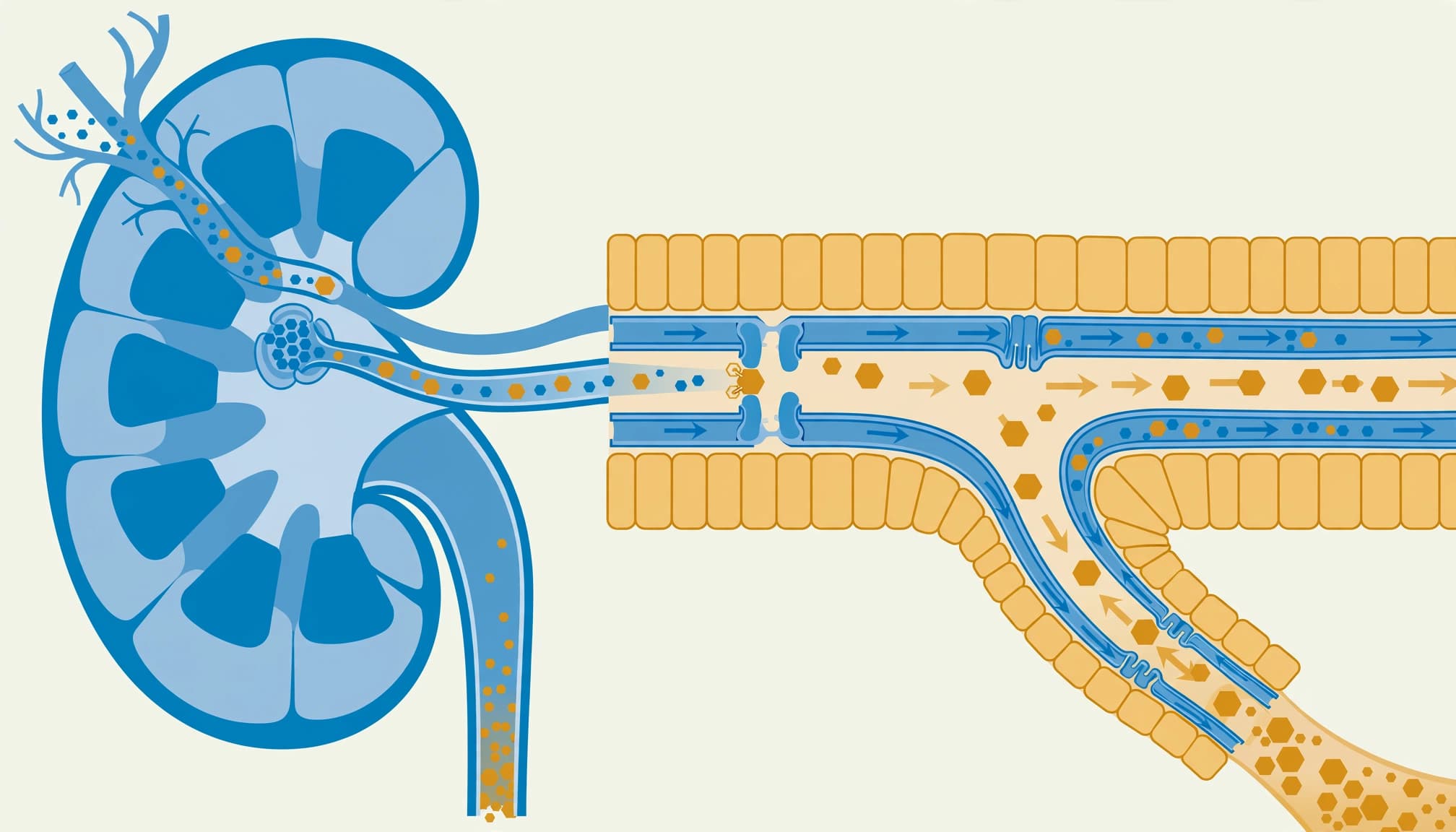
SGLT2 inhibitors lower blood glucose by helping the kidneys remove glucose through urine. Selected medicines also reduce heart-failure events and slow chronic kidney disease progression, so prescribing decisions extend beyond blood sugar alone.
The short answer: SGLT2 inhibitors can benefit people with type 2 diabetes, particularly those with heart failure or chronic kidney disease. Safe prescribing requires assessment of kidney function, hydration, other medicines, and ketoacidosis risk.
These benefits come with important precautions during illness, fasting, and surgery. Understanding the kidney mechanism explains both the treatment benefits and the safety checks.
Table of Contents
- Key takeaways
- How SGLT2 inhibitors work
- Who benefits from treatment
- Safety checks before and during treatment
- Side effects and urgent warning signs
- Comparison with other medicines
- Affordable access
- Frequently asked questions
- Conclusion
Key Takeaways
- Selected SGLT2 inhibitors provide heart and kidney protection as well as glucose control.
- Kidney-function requirements differ by medicine and treatment purpose.
- Dehydration and genital yeast infections are important risks; ketoacidosis is uncommon but potentially life-threatening.
- Surgery and acute illness require an individualized medication plan.
- Prescription review, reliable dispensing, and continuity of supply matter when ordering medicines online.
How SGLT2 Inhibitors Work
Blocking glucose reabsorption
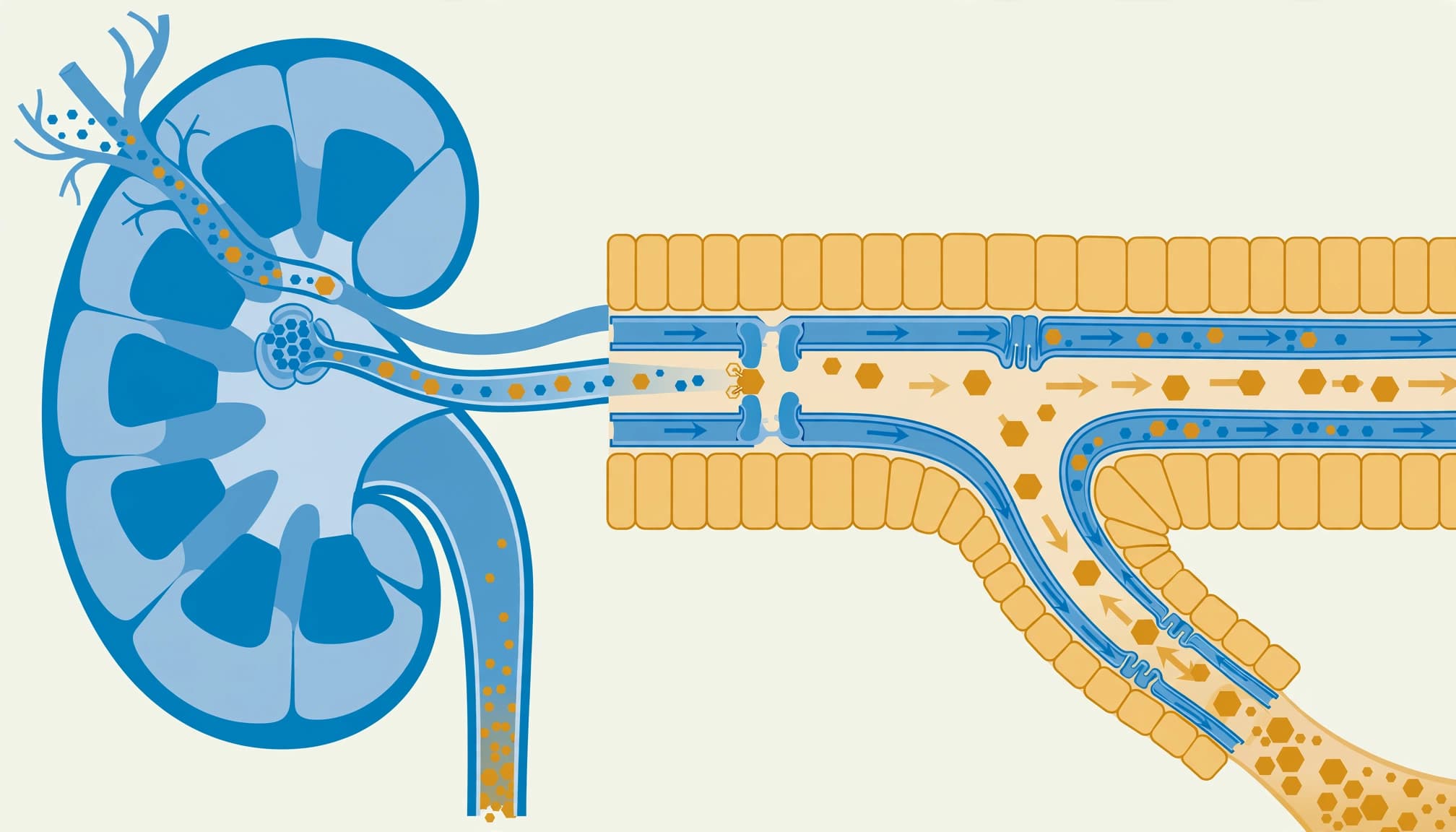
Sodium-glucose cotransporter 2, or SGLT2, is a protein in the kidney's proximal tubules. It returns much of the filtered glucose to the bloodstream.
SGLT2 inhibitors block that process. More glucose leaves through urine, which lowers blood glucose without directly stimulating insulin release. Increased urinary glucose also explains the greater susceptibility to genital yeast infections.
Common medicines in the class
Examples include empagliflozin (Jardiance), dapagliflozin (Farxiga), canagliflozin (Invokana), and ertugliflozin (Steglatro). These are prescription medicines, and their approved uses differ.
Their glucose-lowering effect generally weakens as kidney filtration declines. However, selected products retain heart and kidney benefits at kidney-function levels where glucose lowering is limited. The National Kidney Foundation's SGLT2 overview explains this distinction.
A weak glucose response therefore doesn't automatically mean the medicine has lost its value.
Who Benefits From SGLT2 Treatment?
Blood glucose and organ protection
Clinicians prescribe SGLT2 inhibitors alongside nutrition, physical activity, and other diabetes treatment when appropriate. They may combine them with metformin or other medicines.
Heart failure or chronic kidney disease can strengthen the case for choosing an agent with evidence for those conditions. Some benefits also apply to people without diabetes, although the approved indication belongs to the individual medicine.
Class membership doesn't make products interchangeable. A heart-failure indication for one medicine doesn't establish the same indication for every other SGLT2 inhibitor.
Patients who need extra caution
Recurrent genital infections, low blood pressure, dehydration, and previous ketoacidosis affect treatment selection. Older adults taking diuretics may need closer attention to fluid balance.
SGLT2 inhibitors aren't FDA-approved for treating type 1 diabetes. Pregnancy, breastfeeding, dialysis, and serious acute illness also require different treatment planning.
Clinicians assess the full medical history rather than relying on HbA1c alone. Foot ulcers or peripheral arterial disease also matter, particularly when considering canagliflozin.
Safety Checks Before and During Treatment
Kidney function, hydration, and other medicines
Before prescribing, clinicians assess estimated glomerular filtration rate, or eGFR, and review blood pressure and hydration. Urine albumin measurements help characterize kidney disease when relevant.
An early, small decline in eGFR can occur after treatment begins. Its significance depends on the size of the change and the patient's condition; dehydration or a substantial decline needs assessment.
Medication review includes diuretics and blood-pressure treatments because fluid loss can increase dizziness or hypotension. Insulin and insulin-releasing medicines can increase hypoglycemia risk when combined with SGLT2 inhibitors.
The FDA's Jardiance prescribing information details these precautions for empagliflozin.

Illness, fasting, and surgery
Vomiting, poor fluid intake, prolonged fasting, and major illness can increase dehydration or ketoacidosis risk. Very-low-carbohydrate diets, heavy alcohol use, and missed insulin doses also matter.
A written sick-day plan should explain temporary interruption, glucose or ketone monitoring, and when to obtain urgent care. Patients taking insulin shouldn't stop it without medical direction.
For dapagliflozin, FDA labeling specifies withholding treatment for at least three days, if possible, before major surgery or procedures involving prolonged fasting. Restarting depends on clinical stability and resumed oral intake.
The surgical team needs an individualized plan rather than a blanket instruction to stop every daily prescription.
Side Effects and Urgent Warning Signs
Genital itching, soreness, or discharge may indicate a yeast infection. Increased urination can also occur. These symptoms deserve assessment, especially when infections recur.
Painful urination, fever, or flank pain can indicate a urinary infection. Although many infections are treatable, kidney infection and bloodstream infection require prompt care.
The most important emergency warning is ketoacidosis with glucose that isn't markedly elevated. Nausea, vomiting, abdominal pain, rapid breathing, or unusual exhaustion can occur. Suspected ketoacidosis requires stopping the SGLT2 inhibitor and emergency medical assessment.
Severe genital or perineal pain, redness, or swelling with fever or feeling unwell requires urgent assessment for Fournier gangrene, a rare, serious infection.
Low blood glucose is less common when these medicines are used alone. However, sweating, shaking, confusion, or faintness still needs attention, particularly alongside insulin or an insulin secretagogue.
How They Compare With Other Diabetes Medicines
Different medicines address different clinical needs.
| Treatment | Main role | Important distinction |
|---|---|---|
| SGLT2 inhibitors | Increase urinary glucose excretion | Selected agents also protect the heart and kidneys |
| Metformin | Reduce liver glucose production | Gastrointestinal tolerance and kidney function affect use |
| GLP-1 receptor agonists | Improve glucose control through incretin pathways | Weight effects and approved cardiovascular benefits vary by product |
| DPP-4 inhibitors | Prolong incretin activity | They don't share the same heart and kidney indications |
| Meglitinides | Stimulate mealtime insulin release | Hypoglycemia risk requires attention |
Our Onglyza medication information describes saxagliptin, a DPP-4 inhibitor. Saxagliptin also carries a heart-failure warning, an important distinction when reviewing treatment for someone with heart failure.
Meanwhile, Prandin medication information covers repaglinide, a meglitinide used for post-meal glucose control. Neither medicine is an SGLT2 inhibitor.
Diabetes-related lipid treatment has a separate purpose. Our Lipaglyn medication information concerns saroglitazar, used for diabetic dyslipidemia in markets where approved. It isn't a substitute for an SGLT2 inhibitor's approved heart or kidney treatment.
The comparison therefore depends on the treatment goal, existing illnesses, and adverse-effect profile, rather than glucose lowering alone.
How to Access SGLT2 Inhibitors Affordably
Out-of-pocket costs depend on the prescribed product, strength, pack size, insurance coverage, and market-specific generic availability. There isn't one meaningful price for the entire class.
USA insurance copayments, UK NHS prescription charges, and Australian PBS arrangements operate differently. Comparing an insured domestic payment with an overseas cash price can therefore produce a misleading result.
For international sourcing, the meaningful comparison includes the medicine, dispensing charges, delivery costs to the USA or another destination, and any applicable import charges. A lower advertised tablet price doesn't necessarily mean a lower total cost.
Online medicine home delivery can support refill continuity, particularly where local access is limited. However, cross-border supply remains subject to destination-country rules; a prescription doesn't automatically authorize importation into the United States.
Our prescription service requires a valid, legible prescription from a licensed physician. An online pharmacy should also provide identifiable dispensing arrangements and access to professional medication support.
Global sourcing changes the supply route. It doesn't remove prescribing, dispensing, or import requirements.
Frequently Asked Questions
Can SGLT2 inhibitors replace insulin?
They don't replace insulin in people who require it. Clinicians sometimes prescribe both treatments for type 2 diabetes, but any insulin adjustment needs supervision. Reducing or missing insulin can contribute to ketoacidosis during SGLT2 treatment, even when glucose readings aren't unusually high.
Can someone with kidney disease take them?
Yes, selected SGLT2 inhibitors treat chronic kidney disease and may slow progression. Suitability depends on the medicine, eGFR, and treatment purpose. The kidney-function threshold for glucose lowering can differ from the threshold for kidney or heart protection. A single cutoff doesn't apply to every product.
Do SGLT2 inhibitors cause weight loss?
Modest weight loss can occur because glucose lost in urine carries calories. However, these medicines aren't interchangeable with weight-management treatments, and the amount varies. Sudden weight change accompanied by dizziness, thirst, or poor intake may indicate fluid loss and needs clinical assessment.
What is the cheapest way to obtain treatment?
The lowest total cost depends on insurance benefits, formulary coverage, eligible assistance, generic availability, and dispensing arrangements. A cheaper medicine from another class may not provide the same heart or kidney benefit. Affordability decisions therefore need to preserve the original reason for treatment.
Is it safe to order prescription drugs online?
Online ordering can be appropriate when a licensed dispensing pharmacy reviews a valid prescription and supplies the prescribed medicine through lawful channels. Safety depends on authentic supply, accurate labeling, professional support, and delivery continuity. Offers to supply prescription-only SGLT2 inhibitors without a prescription are a warning sign.
Conclusion: Benefits Depend on Careful Selection
SGLT2 inhibitors can improve diabetes care beyond glucose control, but the benefit depends on choosing the right medicine for the condition.
Kidney function, hydration, and interruption plans remain central to safe treatment. Reliable prescription supply supports that care rather than replacing clinical review.
This information is for educational purposes only. Consult a licensed healthcare provider for diagnosis, treatment decisions, or changes to prescribed medicines.