
Statin Muscle Pain: Why It Happens and When to Call
Written by: Waldrugmart Editorial Team
Reviewed by: Navdeep Singh, B.Pharm — Registered Pharmacist
Last reviewed:
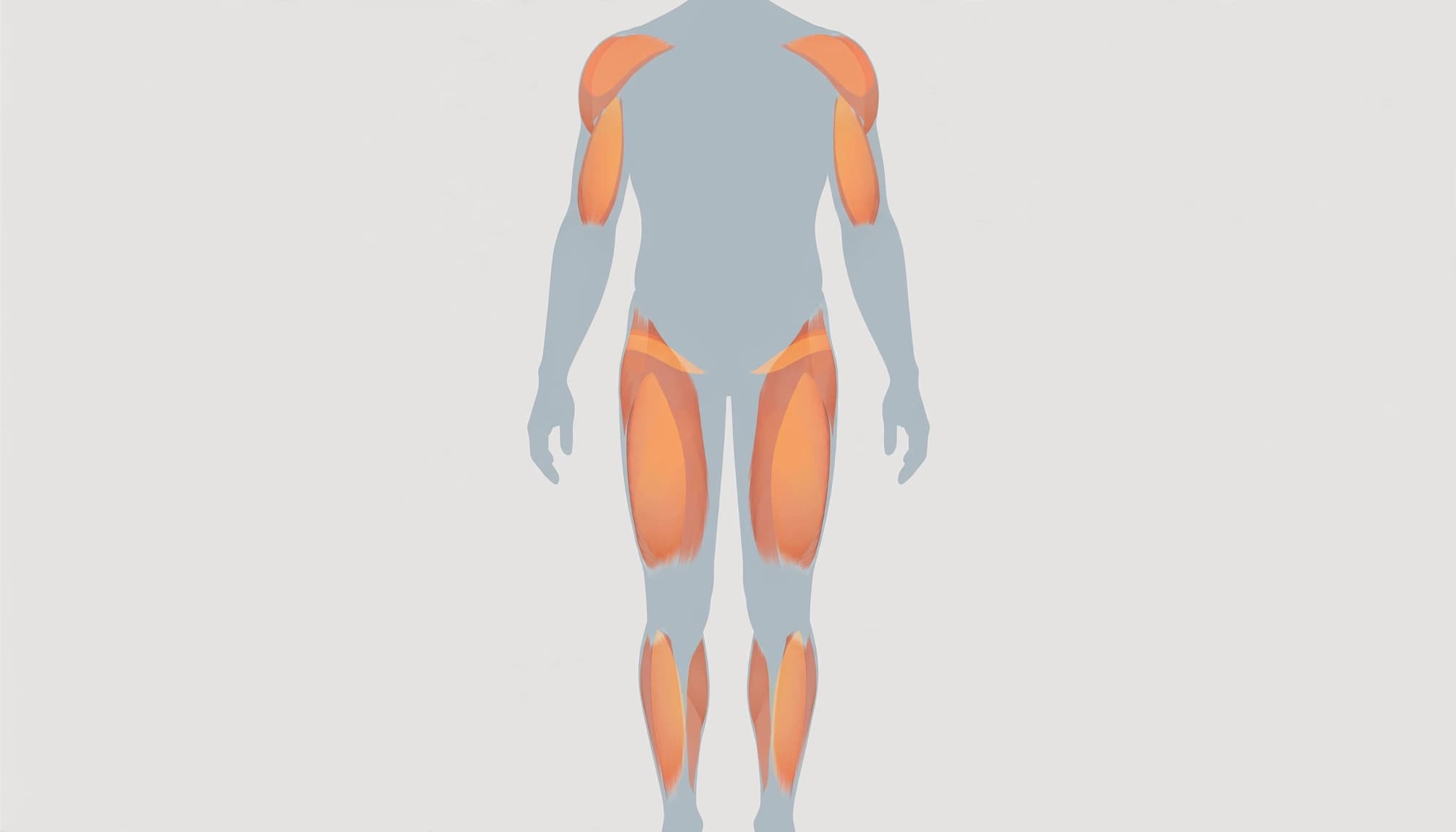
These cholesterol-lowering medicines can affect processes within muscle cells, although the exact cause isn't fully understood. Most aches during treatment have other causes, and severe muscle injury is rare.
Discuss new, unexplained aches with the prescriber; severe weakness or dark urine requires urgent assessment. The symptoms' pattern, timing, and severity can help identify a medication problem.
Table of Contents
- Key takeaways
- Why statins can cause muscle pain
- How common are muscle problems?
- Recognizing the symptoms
- When to call
- Assessment and treatment changes
- Alternatives
- Affordable access
- Frequently asked questions
Key Takeaways
- Muscle pain is the most commonly reported statin side effect, but reporting pain doesn't establish that the medicine caused it.
- Symmetrical aches in large muscles raise suspicion; severe weakness, dark urine or reduced urination need urgent care.
- A supervised dose change, treatment pause or alternative medicine can preserve cholesterol control.
Why Statins Can Cause Muscle Pain
How statins lower cholesterol
Statins inhibit HMG-CoA reductase, an enzyme involved in lipid production. The liver then increases its removal of LDL-C from the bloodstream.
Doctors prescribe them after a heart attack or stroke, for familial hypercholesterolemia, and for people whose cardiovascular risk warrants preventive treatment. Their benefits are greatest when the underlying risk is high.
Why muscles can be affected
Statins also influence biochemical pathways within muscle cells. Researchers have investigated changes in cellular energy production and calcium handling, but no single mechanism explains every case.
An evidence-based review of muscle toxicity describes a spectrum ranging from aches without measurable injury to severe muscle breakdown. Higher drug exposure can increase risk. Certain antibiotics, antifungals, and other lipid-lowering medicines can interact with particular statins, so the complete medication list matters.
How Common Is Statin Muscle Pain?
What placebo-controlled trials show
Symptoms actually caused by statins affect about 5% or fewer users. More people report aches while taking treatment, but those symptoms aren't always caused by the drug.
A 2022 Lancet trial meta-analysis found about 11 additional reports per 1,000 people during the first treatment year. After that, muscle complaints were essentially identical between statin and placebo groups.
Severe laboratory-confirmed muscle injury is much rarer, with estimates below 1 in 10,000 for serious myopathy and around 1 in 100,000 for rhabdomyolysis. These serious muscle disorders are rare.
What the risk calculator adds
A 2026 University of Oxford and University of Nicosia study in The Lancet Digital Health developed a risk calculator using electronic health record data from nearly 1.8 million people between 1998 and 2018. Researchers validated it in another 3.9 million.
Its 22 routinely recorded predictors (Risikofaktoren) include age, sex, previous muscle problems, vitamin D deficiency and other prescriptions. The calculator estimates the risk of serious muscle disorders that require hospitalization or cause death. More than 98% of statin-eligible people fell into a low-risk category.
The researchers also reported that more than 60% of eligible people weren't taking statins despite high cardiovascular risk. The findings distinguish rare severe outcomes, which may require hospitalization, from common background aches; they don't establish the cause of an individual's symptoms.
What Statin-Related Muscle Symptoms Feel Like
The typical pattern
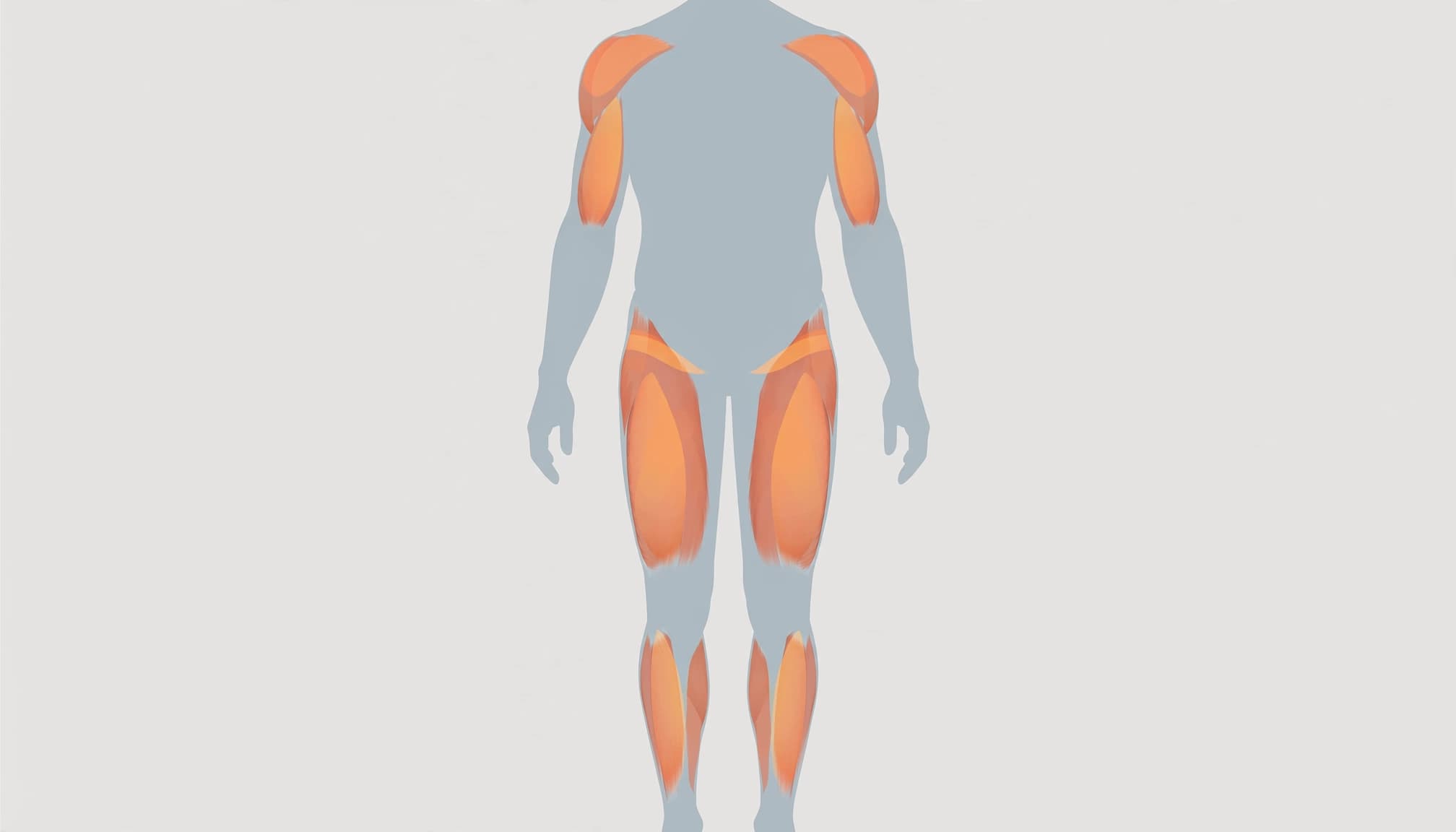
Statin-associated muscle symptoms, or SAMS, include muscle aches and pains, tenderness, weakness and cramping during treatment. The term describes an association, not proof that a statin caused the symptoms. Muskelbeschwerden is the German term for muscle complaints, and Nebenwirkung means side effect.
Typical symptoms affect both sides in large muscle groups: thighs, hips, calves, shoulders or upper arms. They can make climbing stairs, rising from a chair or lifting the arms difficult.
Clues that suggest another cause
Pain confined to one joint, a recent injury or soreness after unfamiliar exercise suggests other explanations. Arthritis, thyroid disease and infections can also cause symptoms during statin treatment.
Timing helps. Symptoms often begin within weeks of starting treatment or increasing a dose. Later symptoms can follow a new interacting medicine. No symptom pattern alone confirms statin muscle pain.
When Muscle Pain Needs Medical Attention
The severity, accompanying symptoms, and relevant Risikofaktoren (risk factors) determine how quickly assessment is needed.
| Symptom pattern | Appropriate response |
|---|---|
| New, unexplained aches or tenderness | Contact the prescriber promptly. |
| Increasing weakness or difficulty with ordinary activities | Seek same-day clinical advice. |
| Severe pain, marked weakness, dark urine or reduced urination | Seek urgent medical care immediately. |
Dark, tea-colored urine can indicate rhabdomyolysis, when damaged muscle releases substances that can injure the kidneys. However, its absence doesn't exclude serious injury.
Severe muscle pain or marked weakness, especially with dark urine, shouldn't wait for a routine appointment. Further statin doses should be withheld while urgent medical advice is obtained.
MedlinePlus guidance on taking statins advises contacting a clinician right away about muscle pain, tenderness, weakness, fever or dark urine.
For mild symptoms without warning signs, an unsupervised, indefinite treatment stop can leave cardiovascular risk untreated.
What Happens After Muscle Pain Is Reported

A clinical assessment reviews the statin name, dose, symptom onset, recent exercise, and all medicines or supplements. Kidney disease, untreated hypothyroidism, and previous muscle disorders can affect the interpretation.
The following steps are clinician-led, not a self-treatment schedule:
- Assess possible injury. Depending on symptoms, the clinician may measure creatine kinase, or CK, along with kidney function and thyroid tests. A clinical review of statin myalgia discusses these alternative causes and diagnostic distinctions.
- Consider a temporary pause. For suspected uncomplicated statin muscle pain, a clinician-supervised three-to-four-week break, or Therapiepause, can help assess whether symptoms improve. Severe symptoms need immediate investigation rather than observation alone.
- Re-establish lipid-lowering treatment. Treatment options include a lower dose or another statin. A switch between simvastatin and atorvastatin treatment requires individualized dosing and an interaction review.
Improvement during a pause and recurrence after restarting support a drug-related cause. Fluctuating symptoms alone don't prove it. Persistent weakness after stopping treatment needs further assessment.
Alternatives When a Tolerated Dose Isn't Enough
Many people can tolerate some statin treatment, even when a particular medicine or dose causes symptoms. Adding another drug may lower LDL-C without returning to the same dose.
Ezetimibe reduces lipid absorption through the intestinal NPC1L1 protein. Doctors can prescribe it alone or as combination therapy with simvastatin, available as an ezetimibe and simvastatin combination. Combination treatment still requires attention to muscle symptoms and interactions.
Bempedoic acid, also known as Bempedoinsäure, inhibits ATP citrate lyase, an enzyme involved in lipid synthesis. It's also available as combination therapy with ezetimibe in a bempedoic acid and ezetimibe combination.
PCSK9 inhibitors, including evolocumab and alirocumab, are injectable options for selected patients who need additional LDL-C reduction. Treatment depends on cardiovascular risk, lipid levels, tolerability and access. Alternatives aren't interchangeable or free of adverse effects.
How to Access Cholesterol Treatment Affordably
Generic medicines can reduce ongoing treatment costs, but prices for treatment options vary by country, coverage, and dispensing costs. USA, UK, and Australian prices reflect different insurance arrangements and subsidies.
Our listed ezetimibe 10 mg price is US$11.22 for 30 tablets, before delivery. That is a product price, not a comparison with a local insured copayment.
For internationally sourced medicines, compare the total cost, including shipping, currency conversion, and applicable import restrictions. Medicine delivery costs to the USA can change the total, while online medicine home delivery may help people with transport or mobility limitations.
Our Online Pharmacy requires a valid prescription for prescription medicine and provides pharmacist review. Global sourcing doesn't override destination-country rules: an overseas pharmacy licence isn't FDA approval or automatic permission to import a medicine.
Frequently Asked Questions
Should simvastatin be stopped when aches begin?
Mild, unexplained aches warrant prompt contact with the prescriber before a lasting treatment change. After assessing symptoms and possible interactions, a clinician may recommend a temporary pause. Severe pain, substantial weakness, dark urine or reduced urination requires urgent assessment. Withhold further doses until you receive urgent advice.
Does evening simvastatin prevent muscle pain?
Simvastatin is usually taken in the evening because its shorter action aligns with overnight lipid production. However, evening dosing hasn't been shown to reliably prevent muscle symptoms. Changing the dose time doesn't replace assessment of new pain, weakness or a possible drug interaction.
Can muscle pain occur with normal CK results?
Yes. Statin-associated aches can occur without a raised creatine kinase level, so a normal result doesn't rule them out. CK helps assess muscle injury, but it doesn't identify every cause of pain. Clinicians also consider symptom location, medication changes and the results of a supervised treatment adjustment.
Can symptoms begin after months of treatment?
Yes. Symptoms often appear early or after a dose increase, but they can begin later if another medicine changes statin exposure. New thyroid disease, kidney problems or unusually strenuous activity may also complicate the picture. A long period without symptoms doesn't eliminate the need for assessment.
Are supplements a substitute for changing treatment?
No supplement replaces assessment of unexplained muscle symptoms or an evidence-based lipid-management plan. Documented deficiencies may need treatment, but supplements shouldn't delay evaluation of weakness or dark urine. A clinician or pharmacist should review supplements too, because some products can interact with prescribed medicines or affect safety.
Preserving Heart Protection While Investigating Pain
Statin muscle pain deserves assessment, but common aches don't establish that a statin caused them. The key distinction is between discomfort that needs a structured review and warning signs that require urgent care.
This information is for educational purposes only. Consult a licensed healthcare provider about symptoms or treatment changes. The goal is a tolerable regimen that maintains protection against heart attack and stroke.