
Sun Sensitivity Medications: Skin Protection Tips
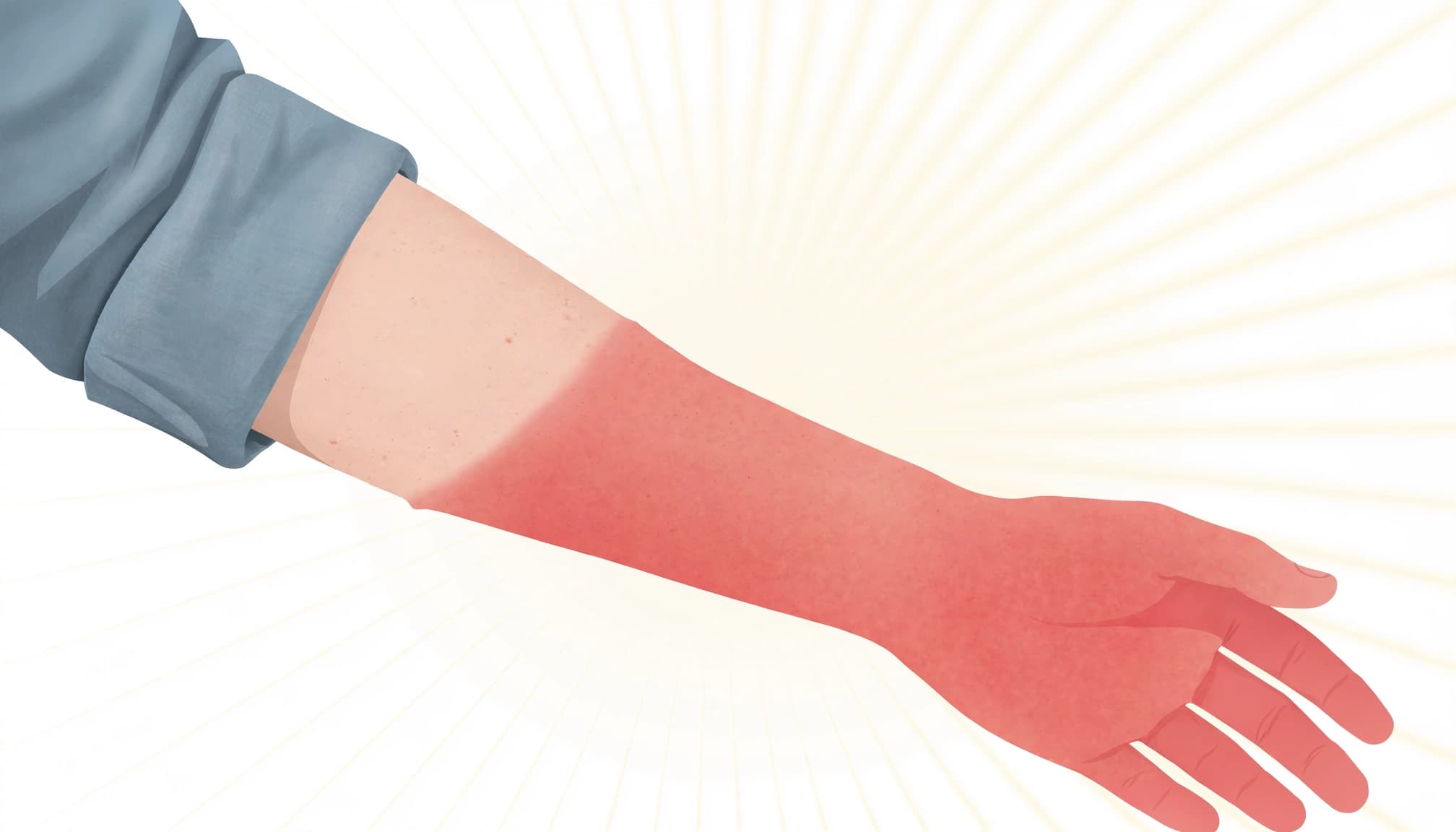
Common sun sensitivity medications include doxycycline, hydrochlorothiazide, naproxen and amiodarone. These drugs can cause marked UV-induced skin injury or a delayed, itchy rash after UV light.
The safest response combines UV protection with a medication review, rather than changing a dose without professional advice. The timing and location of symptoms help distinguish the main reactions, although appearance alone can't confirm the cause.
Table of Contents
- Medicines linked to sun sensitivity
- Phototoxic and delayed immune reactions follow different timelines
- Recognizing and diagnosing a reaction
- Responding to symptoms
- Practical sun protection
- Affordable access
- Key takeaways
- Frequently asked questions
Which Sun Sensitivity Medications Cause Reactions?
Drug-induced photosensitivity has been reported with prescription medicines, over-the-counter products and some supplements. Evidence for these photosensitizing drugs varies, and taking a listed medicine doesn't mean you'll react.
The Hofmann and Weber review identified 393 drugs or compounds with reported photosensitizing potential. Evidence varies substantially, so the list shouldn't imply equal risk.
These classes include frequently cited examples, though not every medicine in each class causes a reaction.
| Drug class | Medicines linked to sun sensitivity |
|---|---|
| Antibiotics | Doxycycline, tetracycline, ciprofloxacin, levofloxacin, sulfamethoxazole-trimethoprim (Bactrim) |
| NSAID pain relievers | Ibuprofen, naproxen, celecoxib, piroxicam, ketoprofen |
| Diuretics | Hydrochlorothiazide, furosemide, triamterene, bumetanide |
| Retinoids | Isotretinoin, acitretin, topical tretinoin |
| Antifungals | Griseofulvin, voriconazole |
| Antidepressants and supplements | Tricyclic antidepressants, St. John's wort |
| Antihistamines | Diphenhydramine, promethazine |
| Sulfonylureas (diabetes medicines) | Glipizide, glyburide |
| Heart-rhythm medicines | Amiodarone |
Doxycycline, voriconazole, amiodarone and hydrochlorothiazide are well-recognized culprits. Most systemic drug reactions are phototoxic, while topical ketoprofen is a recognized photoallergic trigger.
Retinoid warnings need interpretation: topical tretinoin can irritate skin and reduce its tolerance of sunlight without behaving like every systemic photosensitizer. Combination products, including Melrio cream ingredients and precautions, require product-specific guidance.
These medicines treat different conditions, including infections, hypertension and acne. Their therapeutic benefits often justify continued use with appropriate protection.
Phototoxicity and Photoallergy Follow Different Timelines
Phototoxicity produces a sunburn-like injury
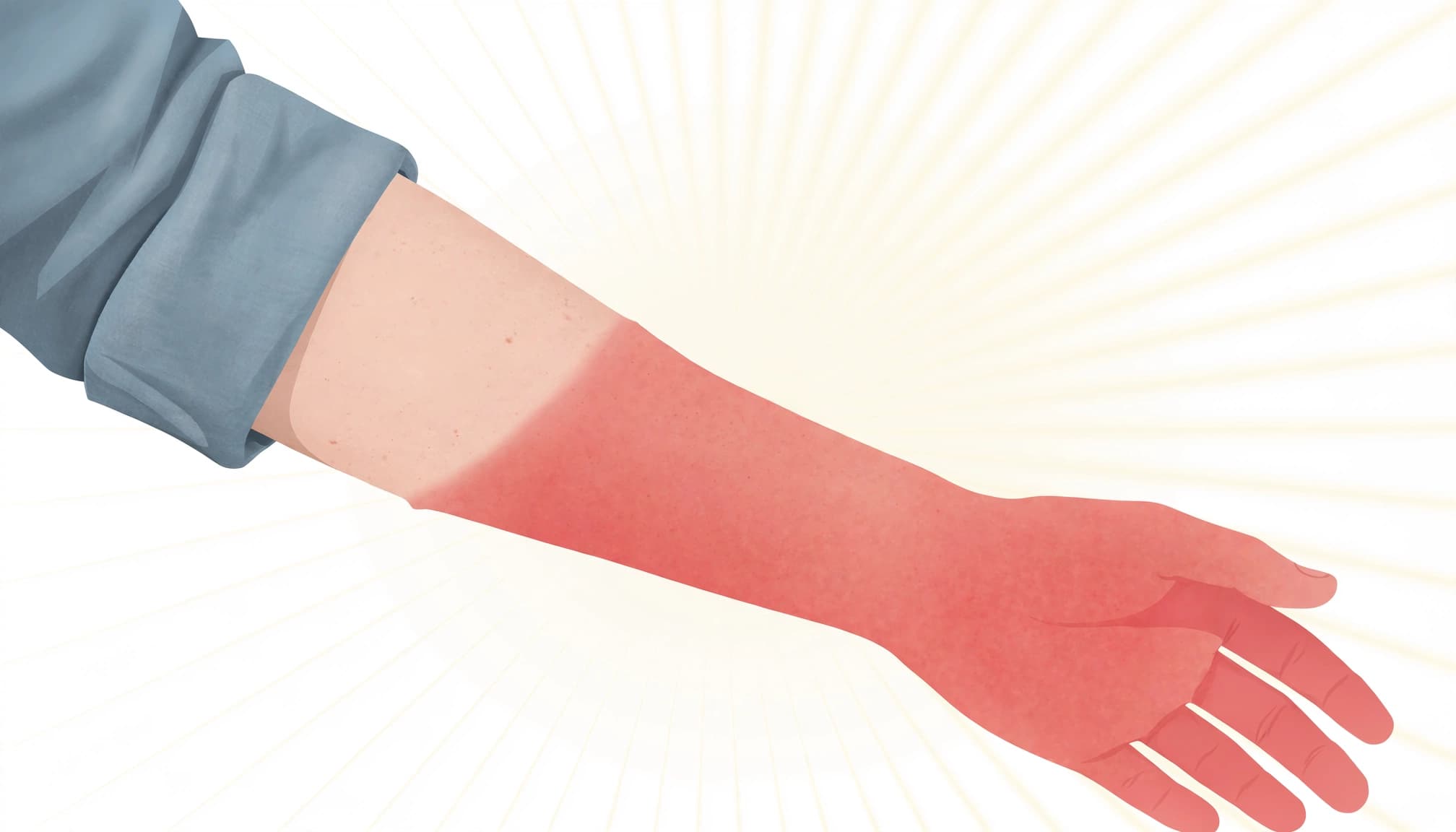
Phototoxicity is the more common reaction. A drug absorbs UV energy and releases it in ways that damage skin cells. Redness, burning, swelling or blisters can develop within hours.
The reaction affects exposed areas, such as the face, forearms and backs of the hands. Covered skin is generally spared, sometimes leaving a clear sleeve or watch-strap boundary.
Phototoxicity is dose-dependent. Less UV exposure can reduce risk; a clinician may also consider a lower drug dose when medically appropriate.
Photoallergy is a delayed immune reaction
This delayed immune reaction requires prior sensitization. Light changes a substance in the skin, and the immune system reacts against it.
Symptoms typically appear 24 to 72 hours after exposure. The rash usually resembles eczema, with itching, redness and scaling. Unlike phototoxicity, it can spread beyond sun-exposed skin.
Lowering the drug dose doesn't reliably prevent this immune reaction. Management usually requires identifying and avoiding the trigger under medical supervision, alongside protection against further light exposure.
How a Drug Reaction Differs From Ordinary Sunburn
Timing and distribution provide clues
A burn after unusually brief exposure, especially after starting a medicine or increasing its dose, raises suspicion. However, an ordinary sunburn and a phototoxic reaction can look identical.
Delayed itching, scaling or spread beneath clothing suggests another process. On darker skin, warmth, swelling and tenderness may be more obvious than redness.
Photosensitivity also differs from heat intolerance. Some medicines impair sweating or increase dehydration risk without causing a UV-triggered rash. Both problems can occur together.
Testing can clarify an uncertain diagnosis
Assessment includes prescription drugs, supplements, skin products and the timing of sunlight exposure. Photographs and a symptom timeline can help identify patterns.
Mayo Clinic's diagnostic guidance describes phototesting with measured UV doses. For a suspected light-triggered immune reaction to a topical substance, clinicians may use photopatch testing: substances are applied to the back, then selected patches receive measured UV exposure a day later.
Testing is selective, rather than necessary for every suspected reaction.
What to Do When Symptoms Start
The first response is to limit further injury while arranging an appropriate medication review.
- Leave direct sunlight and cover affected skin. Further exposure can worsen the reaction, even before symptoms peak.
- Cool the area with damp compresses or a cool bath. A fragrance-free moisturizer or plain aloe vera may soothe intact skin.
- Contact the prescriber or pharmacist with the medication list, recent changes and exposure timeline. Don't independently stop or reduce prescribed treatment.
An oral analgesic may help pain from a mild UV burn, but suitability depends on other medicines and health conditions. Some NSAIDs themselves cause photosensitivity. Avoid benzocaine-containing products, which can provoke contact allergy, and don't break blisters.
Clinicians may prescribe corticosteroid creams for inflammatory reactions, particularly delayed immune reactions. Severe cases sometimes require a short course of oral prednisone. Hydroxychloroquine can help selected sun-allergy disorders, but it isn't routine treatment for drug-related UV skin injury and requires monitoring for retinal and heart-rhythm risks.
Extensive blistering, severe pain, fever or dehydration needs urgent assessment. Trouble breathing, collapse, or sores involving the mouth or eyes requires emergency care; these findings may indicate a more serious drug reaction.
This information is for educational purposes only. Consult a licensed healthcare provider for an individualized diagnosis and treatment plan.
Sun Protection Needs More Than Sunscreen
Broad-spectrum protection must cover UVA
Water-resistant, broad-spectrum SPF 30 or higher sunscreen is a practical baseline. Broad-spectrum coverage matters because many medication reactions involve UVA, while SPF mainly measures protection against UVB sunburn.
Reapply sunscreen at least every two hours outdoors, and after swimming or heavy sweating according to its label. A higher SPF doesn't extend that interval.
For pigmentation treatments such as Melalite Forte cream, daytime protection and gentle moisturizers also help limit irritation. These creams aren't treatments for sunburn. Harsh exfoliants can worsen already irritated skin.
Clothing and scheduling reduce exposure
The FDA's medicine and sunlight guidance recommends shade, protective clothing, sunglasses and a broad-brimmed hat. Tightly woven clothing or garments with a UPF rating add protection that doesn't wash off. Limiting UV exposure also helps reduce long-term skin cancer risk.

UV is commonly strongest around 10 a.m. to 4 p.m., although season and location matter. Water, sand and snow reflect UV, so shade alone may be insufficient.
UVA can pass through window glass. Long drives and sunny windows therefore matter for highly sensitive patients. Tanning beds also expose skin to potentially harmful UV.
How to Access Prescription Medicine Affordably
Photosensitivity doesn't automatically require an expensive replacement medicine. A clinician may retain an effective treatment with stronger protection, adjust therapy or select another drug when the benefits justify switching.
Costs depend on whether care involves sunscreen, a clinical visit, specialist testing or a prescription change. Generic options may reduce medication spending, but substituting medicines requires clinical approval.
A comparison of local and international pharmacy costs should include the medicine price, dispensing charges, shipping and any applicable import costs. Medicine delivery costs to the USA aren't the same as the total treatment cost. The USA, Australia and UK also have different dispensing and import requirements.
Pharmacist consultations and prescription refill support are available through our Online Pharmacy. Online medicine home delivery doesn't replace a valid prescription, clinical assessment or destination-country compliance. Global sourcing also doesn't establish that a product is FDA-approved.
Key Takeaways
- Medication-related photosensitivity can resemble an acute UV burn or appear later as an itchy, eczema-like rash.
- Risk varies by drug, dose and UV exposure; a listed association doesn't predict an individual reaction.
- Sun protection combines broad-spectrum sunscreen, clothing and reduced exposure.
- Prescription changes need professional oversight, while severe or widespread symptoms require prompt assessment.
Frequently Asked Questions
Should medication be stopped after a sun reaction?
A suspected reaction needs prompt review, but patients shouldn't independently stop a prescription. Abrupt interruption can harm people treating infections, heart-rhythm disorders or other serious conditions. The prescriber weighs the reaction's severity against treatment benefits and may substitute, adjust or continue therapy with protection.
How long do medication-related sun reactions last?
Mild phototoxic redness often improves over several days after further exposure stops. Blistering or deeper inflammation can take longer, and discoloration may persist after discomfort settles. Some drugs remain in the body for weeks or longer, so sensitivity doesn't necessarily disappear after the last dose.
Can sun allergy develop later in life?
Yes. A new medicine, topical product or newly developed immune sensitization can trigger symptoms after years without problems. However, a first-time sun-related rash isn't automatically an allergy. Its timing, distribution and associated symptoms help clinicians distinguish medication reactions from other skin or systemic conditions.
Which antihistamine is best for sun allergy?
There isn't one best antihistamine for every sun-related rash. Oral antihistamines may reduce itching in selected conditions, but they don't prevent phototoxic injury or replace UV protection. Diphenhydramine and promethazine can themselves cause photosensitivity, so a pharmacist should assess the suspected trigger before suggesting treatment.
What does "sun poisoning" mean?
"Sun poisoning" isn't a precise medical diagnosis. People commonly use it for severe sunburn or a substantial sun-related rash with symptoms such as nausea, headache or fever. Extensive blistering, dehydration, confusion or severe pain warrants urgent assessment, regardless of whether medication contributed to the reaction.
Protecting Skin Without Disrupting Treatment
Medication-related sun sensitivity requires balancing skin safety with the reason treatment was prescribed. Identifying the reaction type helps determine whether stronger protection, a prescription change or specialist assessment is appropriate.
Many effective medicines can continue with suitable precautions. The important distinction is between manageable sensitivity and a reaction serious enough to change the treatment plan.