
Tacrolimus Monitoring: Why Blood Levels and Timing Matter

Tacrolimus monitoring measures the tacrolimus level in whole blood to help balance organ rejection prevention against drug-related toxic effects. The result is useful only when interpreted against the dose and formulation. A routine trough sample is collected immediately before the next dose, usually 12 hours after immediate-release tacrolimus; the morning dose follows the blood draw.
Timing matters because a mistimed result can suggest inadequate treatment or excessive exposure when neither is true. Interpretation also depends on the formulation, transplanted organ, other medicines, and time since transplantation.
Table of Contents
- Key takeaways
- What monitoring measures
- Blood-draw timing
- Interpreting results
- Trough testing versus AUC
- Drug and food interactions
- Testing frequency
- Affordable access
- Frequently asked questions
- Conclusion
Key Takeaways
- Trough timing follows the prescribed dosing interval, which differs between twice-daily and once-daily formulations.
- A target concentration is individualized; no single result proves rejection or toxicity.
- New medicines, illness, formulation changes, and inconsistent food intake can change exposure and the risk of drug-related toxic effects, even when the prescribed dose stays unchanged.
What Tacrolimus Monitoring Measures
How tacrolimus prevents rejection
Tacrolimus is a calcineurin inhibitor and immunosuppressant. It binds FK506-binding protein, or FKBP. This complex inhibits calcineurin and reduces T-cell activation, limiting the immune response against a transplanted organ.
FDA approvals for rejection prevention followed a liver transplant in 1994, a kidney transplant in 1997, and a heart transplant in 2006. Tacrolimus is roughly 100 times more potent than cyclosporine in immunosuppressive activity, but that figure isn't a dosing conversion.
Monitoring concerns systemic treatment, especially oral transplant medicines. Routine blood-level testing generally isn't required for ordinary topical tacrolimus use.
Why identical doses produce different levels
Absorption and bioavailability vary considerably. Pharmacogenetic variation in CYP3A4/5, including CYP3A5 genotype, can affect metabolism and dose requirements in kidney, liver, heart, and lung recipients.
The 2015 CPIC dosing guideline recommends higher initial doses for CYP3A5 expressers, generally 1.5 to 2 times standard dosing, subject to a starting-dose ceiling. These are clinician-directed starting recommendations. Genetic information doesn't replace subsequent blood measurements.
When the Blood Sample Should Be Collected
Twice-daily immediate-release treatment
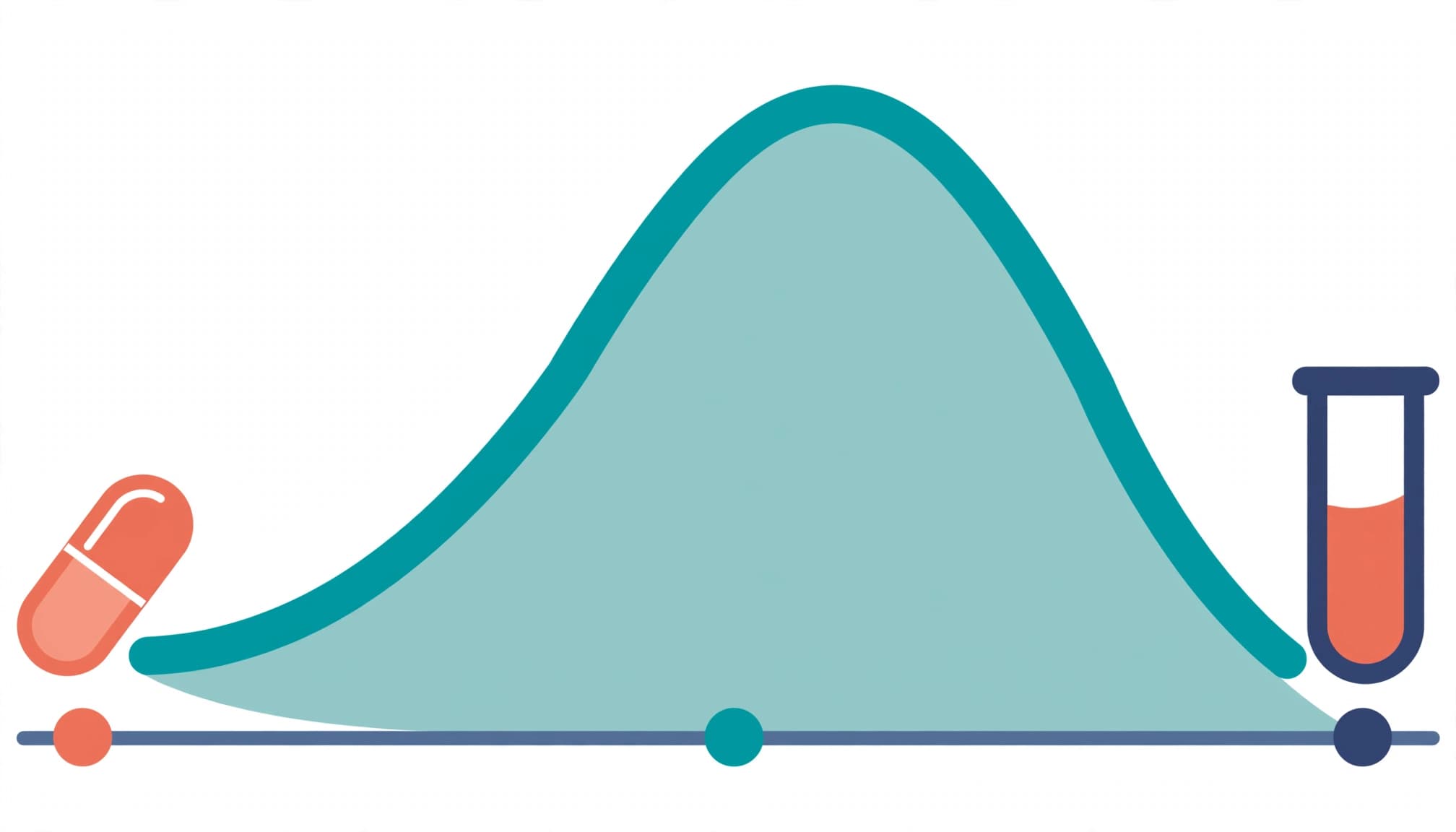
For immediate-release tacrolimus, collect the trough immediately before the next dose, approximately 12 hours after the previous dose. An 8 p.m. dose therefore corresponds to an approximately 8 a.m. predose sample. Reliable comparisons require a consistent dose schedule and a sample collected at the correct point in the dosing interval.
Take the morning dose after collection. Record the exact dose times and sampling time in the laboratory record. Tell the transplant team if a dose was taken early or the sample was drawn at a different time.
Immediate-release concentrations commonly peak around two to three hours after dosing, then decline. A postdose result therefore can't be interpreted against a predose target.
Once-daily treatment and product continuity
Once-daily extended-release products generally require a predose sample approximately 24 hours after the previous dose. A universal 12-hour rule would misclassify those samples.
Whether treatment uses generic tacrolimus or branded capsules, the exact product matters. Prescribing and dispensing should identify the brand or manufacturer and formulation; substitutions require transplant-team oversight and sometimes additional testing.
What Low and High Tacrolimus Levels Mean
A low trough can indicate insufficient immunosuppression and increased rejection risk. A high trough can indicate excessive exposure and greater toxicity risk. Neither result establishes a diagnosis alone.
Targets, or therapeutic ranges, generally decrease after the early post-transplant period. Many kidney-transplant protocols use approximately 8 to 12 ng/mL early and 5 to 8 ng/mL during stable maintenance, but organ-specific and individual targets differ.
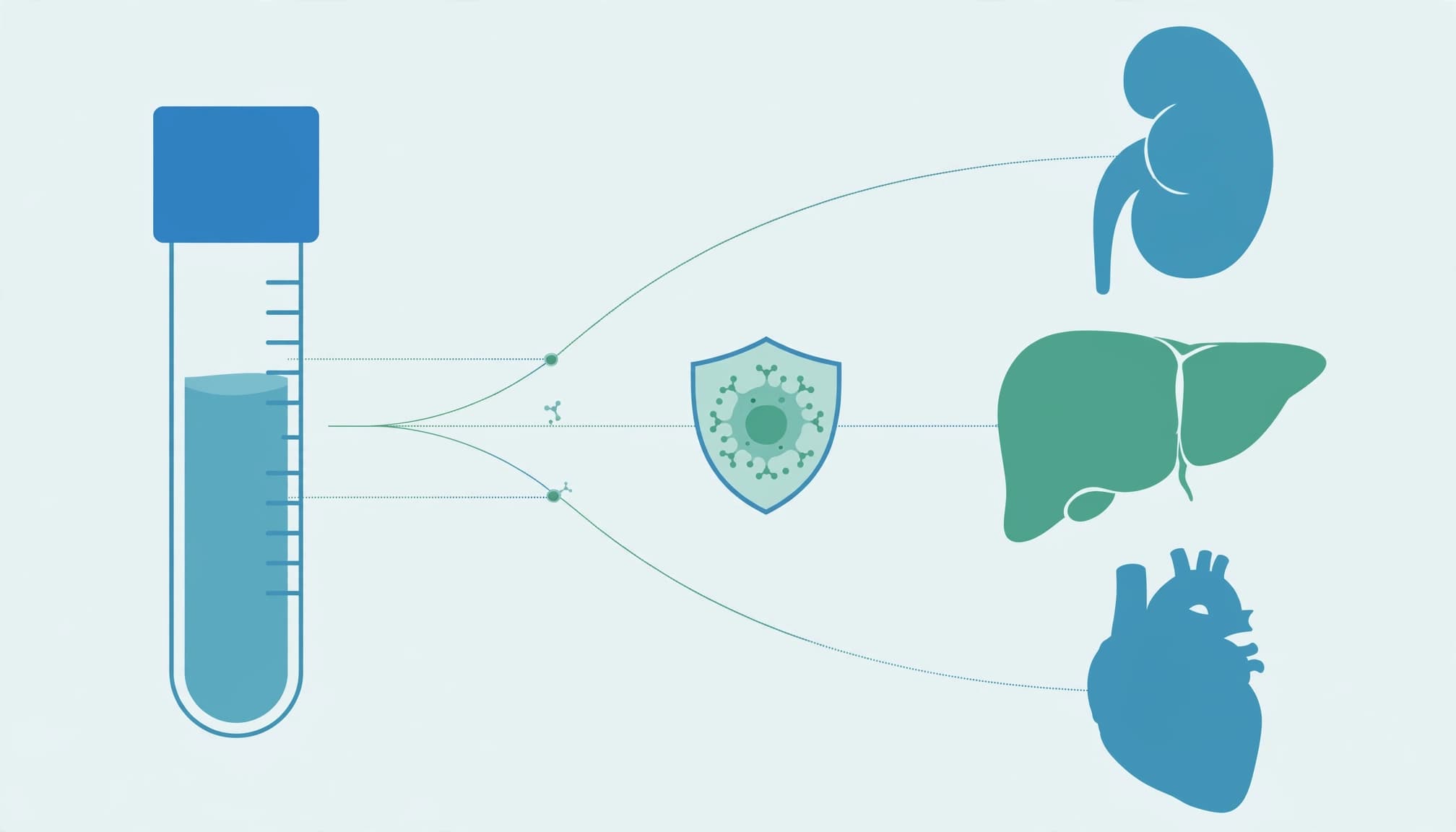
When renal function worsens after kidney transplantation, a low tacrolimus concentration raises concern about rejection, while high exposure may contribute to kidney damage or nephrotoxicity. A concentration alone can't establish the cause, so clinicians may investigate dehydration, obstruction, infection, and other causes, and sometimes order a biopsy.
Toxicity can cause tremor, headache, hypertension, nausea, vomiting, and high potassium, called hyperkalaemia. Tinnitus and seizures are less common but serious. Rejection can cause fever, graft tenderness, or reduced urine output, although it may produce no obvious symptoms.
Seizures, confusion, severe headache with visual changes, or sharply reduced urine output require urgent assessment.
Results obtained through different laboratories or measurement methods aren't automatically interchangeable.
Why a Trough Doesn't Tell the Whole Story
Trough concentration versus total exposure
The 2019 second consensus report, led by Mercè Brunet for the International Association of Therapeutic Drug Monitoring and Clinical Toxicology, updated the 2009 recommendations.
A trough is practical, but its relationship with clinical outcomes is imperfect. Correct timing is necessary for meaningful interpretation, yet even a perfectly timed sample doesn't describe the full concentration curve.
Area under that curve, or AUC, estimates total exposure. Early assessment of the relationship between trough and AUC can help establish patient-specific targets.
When additional sampling helps
Population-pharmacokinetic Bayesian estimators use Bayesian forecasting to combine a patient's dose and concentration history with a validated pharmacokinetic model. They estimate exposure and can support clinician-directed model-informed precision dosing. Reported prediction bias is below 5%, and imprecision is below 20%, but performance depends on the model and clinical setting.
In a study of 31 adult liver recipients, a five-hour postdose sample best predicted exposure over the first six hours. This small study doesn't justify replacing routine trough appointments with five-hour draws. AUC assessment requires a validated sampling plan.
Which Medicines and Foods Change Tacrolimus Levels
The FDA Prograf prescribing information describes drug interactions that affect tacrolimus exposure or harmful effects. Starting or stopping an interacting medicine may require additional monitoring.
These examples show why medication reconciliation matters.
| Effect or concern | Examples |
|---|---|
| Can increase concentrations | Clarithromycin, erythromycin, clotrimazole, fluconazole, diltiazem, nifedipine, protease inhibitors such as ritonavir |
| Can decrease concentrations | Rifampin, rifabutin, carbamazepine, phenytoin, dexamethasone, St. John's wort |
| Require separate assessment | Cyclosporine, sirolimus, and antacids, because effects and combination risks differ |
Cyclosporine adds kidney risk, and concurrent treatment is generally avoided. Sirolimus and antacids shouldn't be grouped as medicines that always lower tacrolimus. Magnesium/aluminium antacids can increase concentrations.
Avoid grapefruit and grapefruit juice. Separating grapefruit from a dose by several hours doesn't reliably prevent the interaction.
High-fat meals reduce immediate-release tacrolimus absorption compared with fasting. Keep meal timing consistent, but follow the instructions for your formulation. Some extended-release products require an empty stomach.
Severe diarrhoea can also increase tacrolimus exposure. Contact the transplant team if it occurs.
How Often Tacrolimus Monitoring Is Needed
Testing is often daily during the initial inpatient period, but schedules vary by product, organ, and clinical condition. Once dosing stabilizes, appointments become less frequent.
Additional measurements commonly follow dose changes, interacting-drug changes, formulation switches, significant diarrhoea, or suspected rejection or drug-related toxic effects. Monitoring continues throughout systemic treatment.
There isn't one universal late-post-transplant schedule or a fixed number of abnormal samples required before every dose adjustment. Urgency, timing accuracy, trends, and clinical findings determine the response.
An unexpected concentration should prompt review of dose timing and recent changes before it prompts a dose change.
How to Access Tacrolimus Affordably
Our brand-name Prograf listing lists USD $99.76 for a 30-unit pack. That isn't a monthly treatment estimate: prescribed strength and daily capsule requirements determine how long a pack lasts.
Meaningful local-versus-international comparisons require the same strength, formulation, and quantity. USA, UK, and Australian out-of-pocket costs also depend on insurance or public coverage. Shipping, import rules, and laboratory expenses affect the total; a generic listing showing $0.00 isn't evidence of free treatment.
Our Online Pharmacy requires a valid prescription for prescription medicine. International sourcing doesn't remove destination-country import requirements. Online medicine home delivery can support continuity, but delivery arrangements don't replace local transplant follow-up.
Any proposed switch intended to reduce costs needs clinical oversight. Avoiding interrupted treatment is more important than choosing a different product solely by price.
Frequently Asked Questions
What is the normal tacrolimus range for men?
There isn't a separate universal therapeutic range for men. The transplant team sets a whole-blood trough target according to the organ, time after transplantation, other immunosuppressants, and clinical risks. A laboratory's reference interval isn't necessarily the individual's treatment target, so context matters more than sex alone.
Can tacrolimus cause headaches?
Yes. Headache is a recognized adverse effect, but it doesn't automatically mean the concentration is high. Blood pressure and other causes also matter. A severe headache accompanied by confusion, seizures, or visual disturbance requires urgent evaluation because tacrolimus can cause serious neurological toxicity.
Is tacrolimus safe during pregnancy?
Tacrolimus can remain necessary during pregnancy when rejection prevention outweighs treatment risks. Pregnancy changes drug handling and the interpretation of whole-blood concentrations, so specialist monitoring is important. Pregnancy planning belongs with the transplant and obstetric teams; stopping immunosuppression without supervision can endanger both mother and fetus.
What happens if a dose was missed before testing?
A missed or delayed dose can make a trough misleading. The transplant team needs the actual dose history and collection time before interpreting the result. Depending on the circumstances, it may arrange another sample. Doubling a subsequent dose without product-specific clinical instructions can create additional risk.
Can rejection occur with a level inside the target range?
Yes. A target-range trough reduces uncertainty about exposure but doesn't exclude rejection. Immune risk, adherence between appointments, and other medicines also influence outcomes. Clinicians interpret the concentration alongside organ-function tests and symptoms; further investigations, including biopsy in some circumstances, may still be necessary.
Consistent Timing Makes the Result More Useful
Tacrolimus monitoring works best when the result includes an accurate dosing history and a clear individual target. Timing errors, interactions, and formulation differences can change the meaning of the same number.
The strongest safeguard is continuity: consistent treatment, correctly timed sampling, and interpretation alongside organ function.
This information is for educational purposes only. Consult a licensed healthcare provider for individualized treatment decisions.