
Vibrio Vulnificus in Louisiana: Symptoms, Risks, and Prevention

Warm Gulf Coast water is part of Louisiana life, but it can carry a rare infection that becomes dangerous quickly. Vibrio Vulnificus in Louisiana is a serious health concern because the bacteria live naturally in warm saltwater and brackish water, and may cause severe wound infections, bloodstream infections, or illness after raw shellfish.
Anyone with an open cut should avoid these waters. People with liver disease, weakened immunity, or other serious medical conditions face the highest risk of severe illness. This information supports safer decisions, but it doesn't replace urgent medical care.
Quick answer: Vibrio vulnificus exposure usually happens when an open wound contacts warm coastal water or raw seafood juices, or when someone eats raw or undercooked oysters. Symptoms can worsen within a day or two, so seek emergency care after a risky exposure if fever, blistering skin, spreading redness, severe pain, or weakness develops.
Table of Contents
- Why Louisiana has a higher exposure risk
- Symptoms and emergency warning signs
- Prevention for water activities and shellfish
- What to do after possible exposure
Key Takeaways
- Keep open wounds out of saltwater and brackish water whenever possible.
- Do not eat raw or undercooked oysters if you have liver disease or a weakened immune system.
- Rapid pain, blistering, fever, or spreading redness after water exposure needs emergency evaluation.
- Wash exposed wounds promptly with soap and clean running water.
- Tell clinicians about seawater, marsh water, raw oysters, or raw seafood contact.
What Is Vibrio Vulnificus and Why Is It a Louisiana Concern?
Vibrio vulnificus is a bacterium that occurs naturally in warm coastal saltwater and brackish water, where river water mixes with the Gulf. Louisiana's bays, marshes, estuaries, fishing areas, and oyster beds can create exposure opportunities, especially in warmer months.
That doesn't mean every shoreline or oyster carries the bacteria. However, warm water conditions can support Vibrio growth, and infection can occur after a cut, scrape, puncture, surgical wound, tattoo, or irritated skin contacts contaminated water or raw seafood juices.
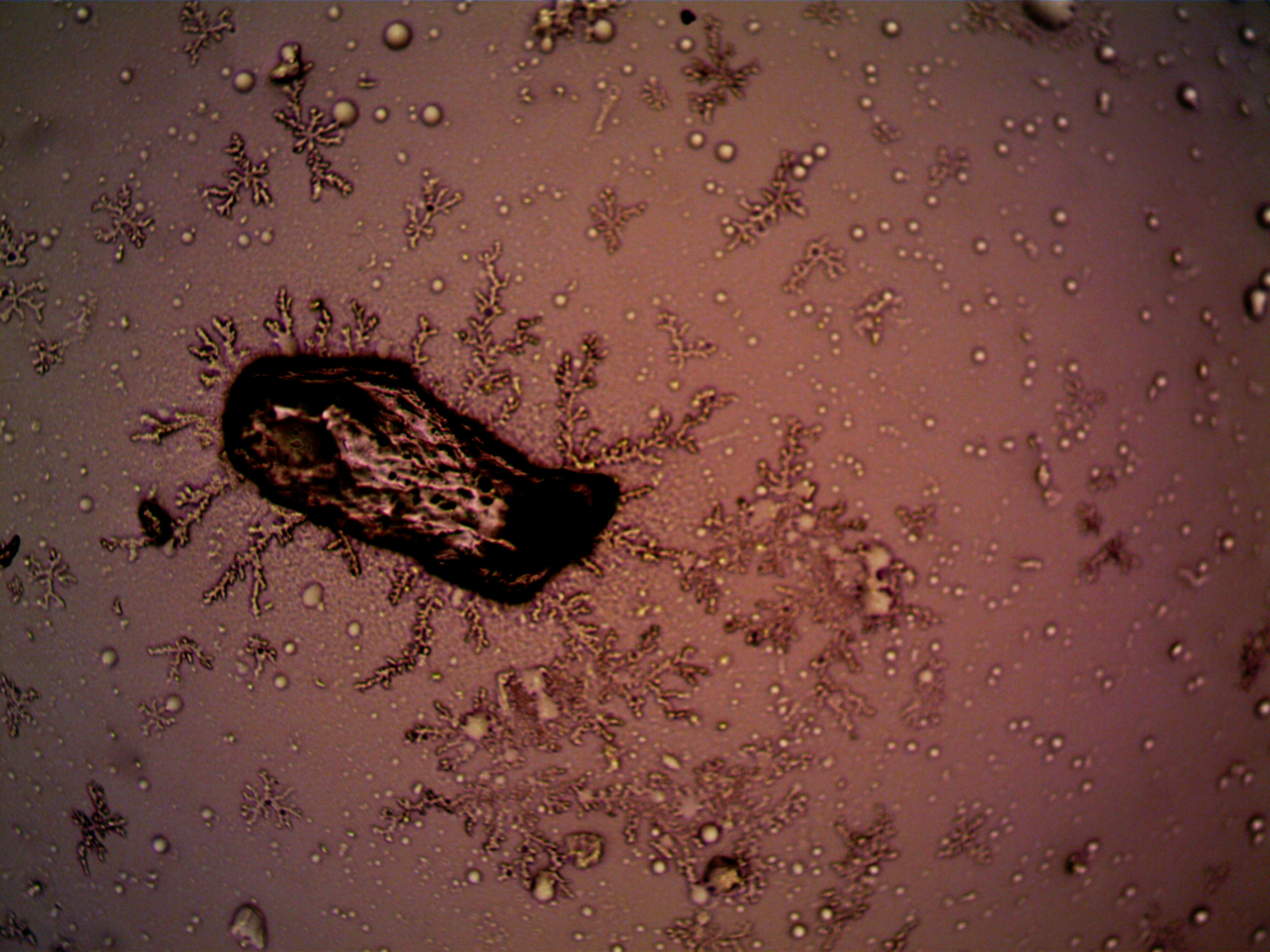
Louisiana health guidance identifies wound exposure as the most common route in the state's severe cases. Raw or undercooked oysters and other shellfish are another route, although they account for a smaller share of infections. The CDC's Vibrio prevention guidance advises avoiding coastal water with an open wound and cooking seafood thoroughly.
The Louisiana Department of Health has reported that the state's recent severe cases involved wounds exposed to seawater. People who fish, wade, swim, clean seafood, or handle oysters should take cuts seriously, even if the skin break looks minor.
Vibrio Vulnificus in Louisiana: Symptoms, Risks & Prevention
Symptoms depend on how the bacteria enter the body. Foodborne illness after raw seafood may begin with watery diarrhea, stomach pain, nausea, vomiting, fever, and chills.
A wound infection can look more alarming. Watch for redness, warmth, swelling, drainage, darkening skin, or pain that seems out of proportion to the visible injury. Blisters can form and spread quickly.
Bloodstream infection is the most severe form. It can cause fever, chills, dangerously low blood pressure, confusion, weakness, and signs of sepsis. According to the CDC's clinical overview of vibriosis, about one in five people with Vibrio vulnificus infection die, sometimes within one or two days of becoming ill.

Don't wait to see whether severe symptoms settle down. Emergency evaluation is appropriate after risky water or seafood exposure when severe pain, blistering, spreading redness, fever, chills, faintness, or confusion occurs. Clinicians may need to start antibiotics before test results return. Severe infections may require hospital care, intravenous antibiotics, surgery to remove damaged tissue, intensive care, or amputation.
Who Faces the Highest Risk of Severe Infection?
People with chronic liver disease face a particularly high risk of bloodstream infection. This includes people with cirrhosis, hepatitis-related liver damage, or heavy alcohol-related liver disease.
Risk also rises for people with kidney failure, diabetes, cancer, HIV, immune disorders, or medications that weaken immune response. Chemotherapy, transplant medicines, and prolonged steroid treatment can reduce the body's ability to control infection.
Anyone with broken skin has a higher risk of a wound infection. That includes fresh cuts, scrapes, insect bites that were scratched open, healing surgical wounds, tattoos, and chronic skin conditions.
Healthy people can still become ill, so basic prevention matters for everyone. Some Louisiana materials flag antacid use as a factor worth discussing with a clinician, but it does not mean antacids alone cause Vibrio infection. People taking prescription medicines for chronic conditions should keep refills organized and avoid stopping treatment without medical guidance. The online pharmacy safety FAQs explain prescription verification and support policies for ongoing medication needs.
When a Seawater Wound or Shellfish Illness Becomes an Emergency
First, leave the water and rinse the affected area with soap and clean running water. Cover the wound with a clean dressing. Then watch closely for pain, swelling, redness, fever, drainage, skin discoloration, or blisters.
Get emergency care for rapidly worsening pain, blistering, purple or dark skin changes, chills, confusion, faintness, or severe weakness. These signs can point to a fast-moving infection or sepsis.
Tell the medical team exactly what happened. Mention whether the wound contacted seawater, brackish marsh water, raw oysters, or raw seafood juices. Also share the time of exposure and any liver, kidney, immune, or cancer-related conditions.
How to Prevent Vibrio Infection in Louisiana Waters and Oysters
Prevention begins before you enter the water. If you have an open wound, stay out of saltwater and brackish water. If contact cannot be avoided, cover the area with a secure waterproof bandage.
Wear protective shoes in coastal water to reduce cuts from shells and debris. Gloves and boots also help when fishing, crabbing, cleaning catches, or handling raw shellfish. Afterward, wash hands and exposed skin with soap and water.
Keep raw seafood separate from ready-to-eat food. Wash cutting boards, knives, counters, and hands after handling oysters, shrimp, crab, or fish. Refrigeration slows bacterial growth but does not make raw shellfish safe to eat.
People with liver disease, immune suppression, cancer treatment, kidney failure, or diabetes should avoid raw oysters. Fully cooked shellfish is the safer choice.
Cook Oysters and Other Shellfish Thoroughly
Louisiana health guidance gives clear cooking times for shellfish:
- For shellfish in the shell, boil until the shells open, then boil for five more minutes.
- When steaming shellfish, wait for shells to open, then steam for nine more minutes.
- For shucked oysters, boil for at least three minutes or fry at 375 F for at least three minutes.
- Discard shellfish that do not open during cooking.
Lemon juice, hot sauce, alcohol, and refrigeration do not kill Vibrio vulnificus. Cooking is the reliable safeguard. If you have questions about medicine interactions, dietary restrictions, or refills while managing a long-term condition, Ask a Pharmacy Question, Contact Waldrugmart, Speak With Our Support Team before making changes to prescribed treatment.
What to Do After Possible Vibrio Exposure
Take these steps after an open wound contacts Gulf water, marsh water, or raw seafood juices:
- Leave the water or stop handling seafood.
- Remove wet or contaminated clothing, gloves, and footwear.
- Wash the wound and hands with soap and clean running water.
- Cover the wound with a clean, dry dressing.
- Monitor for fever, increasing pain, swelling, redness, drainage, blisters, or skin discoloration.
People with liver disease or weakened immunity should contact a healthcare professional early after exposure rather than waiting for symptoms to become severe. Call emergency services if signs of sepsis or a rapidly spreading skin infection appear.
Prescription access matters for people managing cancer, diabetes, transplant care, or chronic disease, but an online order cannot treat a suspected emergency infection. For routine refills, review the steps for placing an online pharmacy order and maintain enough supply to avoid interrupting prescribed therapy.
A Safer Way to Enjoy Louisiana's Coast
Vibrio vulnificus is uncommon, but the consequences can be life-threatening. Keep open wounds away from saltwater and brackish water, choose cooked oysters, and treat sudden symptoms after exposure as a medical emergency.
Fast action matters more than guessing at home treatment. Use current CDC and Louisiana public health guidance for local updates, and seek urgent care when warning signs appear.
This information is for educational purposes only. Consult a licensed healthcare provider for personal medical guidance.