
Zinc Supplements: Benefits, Dosage, and Upper Limits

Zinc is a trace mineral with an outsized role in ordinary health. It supports immune health, wound repair, DNA synthesis, and protein synthesis, but higher doses don't guarantee better protection.
For most adults who eat a varied diet, zinc supplements aren't necessary. A dietary supplement may help when intake is low, absorption is impaired, or a clinician identifies a deficiency. Excess over time can cause side effects, including nausea and copper depletion, and may affect some medications.
Quick answer: Recommended intake is 11 mg daily for adult men and 8 mg for adult women. The adult tolerable upper intake level is 40 mg per day. It includes zinc from food, drinks, supplements, and medicines. Supplement dosage refers to elemental zinc. Zinc can correct deficiency, but routine high-dose use carries real risks.
Table of Contents
- How zinc works in the body
- Recommended zinc dosage and upper limits
- Food sources versus supplements
- Who may need more zinc
- Choosing zinc forms and reading labels
- Zinc and the common cold
- Zinc reactions and copper balance
- Medication interactions and timing
- Accessing zinc products safely
Key Takeaways
- Zinc supports normal immune function and tissue repair. High doses don't make an adequate diet safer or healthier.
- The adult tolerable upper intake level is 40 mg, not a target. Count zinc from food, supplements, lozenges, and medicines toward it.
- Oysters, meat, seafood, beans, lentils, dairy, nuts, and fortified cereals provide meaningful dietary zinc.
- Antibiotics and zinc may require careful spacing because zinc can reduce medicine absorption.
- Possible deficiency symptoms need clinical assessment. If you're pregnant, breastfeeding, under 18, managing digestive disease, or taking interacting medicines, seek individualized advice.
How Zinc Works in the Body
Zinc is an essential mineral, not a drug class. As a cofactor, zinc supports enzyme activity, cell division, DNA and gene regulation, protein synthesis, and immune signaling. The NIH zinc health professional fact sheet describes its broad role in growth, immune response, and repair.
Zinc participates in insulin-related biology, but evidence doesn't support using it as a general treatment for blood sugar problems.
Immune defenses need zinc, but not excess
Immune cells rely on zinc to develop and signal effectively, particularly when intake is low or absorption is impaired. Correcting zinc deficiency can support normal immune system function, but extra zinc doesn't reliably enhance an already adequate response.
This distinction matters during cold season. A supplement may fill a nutritional gap, while high doses taken indefinitely can create a different deficiency by reducing copper absorption.
Healing and taste are common clues
Skin cells need zinc during repair, so poor status can contribute to delayed wound healing. Zinc also affects taste and smell, which may explain loss of taste, appetite changes, or both.
These clinical signs aren't diagnostic by themselves. Hair loss, diarrhea, poor appetite, frequent infections, and skin changes have many possible causes. A clinician may assess diet history, symptoms, and laboratory results together.
Recommended Zinc Dosage and Upper Limits
The recommended dietary allowance is the daily amount needed by nearly all healthy people in each listed life stage. It isn't an automatic supplement dose.
| Life stage | Daily zinc amount |
|---|---|
| Adult men (19+) | 11 mg |
| Adult women (19+) | 8 mg |
| Pregnant adults (19+) | 11 mg |
| Breastfeeding adults (19+) | 12 mg |
| Adults, tolerable upper intake level | 40 mg |
The NIH consumer guidance on zinc stresses that the adult 40 mg upper safety limit covers food, drinks, supplements, and medicines, not only tablets. A multivitamin, a cold lozenge, and a separate mineral capsule can add up quickly. The zinc dosage shown on a supplement label refers to elemental zinc.
A higher dose is not a maintenance plan
The upper limit is a ceiling for routine total intake, not a daily wellness goal. It marks the level above which adverse effects become more likely in healthy adults.
A clinician may prescribe more than the upper limit for a diagnosed condition, with monitoring. Prescription zinc therapy for Wilson's disease is one example. Self-directed high intake isn't appropriate.
NIH guidance lists age-specific RDAs and lower upper limits for infants, children, and adolescents. Don't apply the adult 40 mg limit or adult dosing advice to children or teenagers. The MotherToBaby zinc fact sheet explains why pregnancy is a time to review total intake rather than self-prescribe a high dose.
Food Sources Versus Supplements
Food remains the simplest way to meet ordinary zinc needs, and amounts vary substantially by food. Oysters contain exceptionally high amounts, while beef, crab, poultry, pork, dairy, eggs, and fortified cereals are dependable sources. Without a known deficiency or absorption problem, meeting needs through food is generally preferable to relying on zinc supplements.

Plant foods also supply zinc. Beans, lentils, chickpeas, tofu, whole grains, nuts, and pumpkin seeds remain nutritious sources for a plant-based diet.
Plant-based diets need a practical adjustment
Phytates in beans, grains, and seeds bind some zinc in the gut. This can reduce absorption, but it doesn't make these nutritious foods poor choices. Soaking, sprouting, fermenting, and choosing leavened grain products may improve zinc availability.
Vegetarians and vegans may need deliberate meal planning, particularly when diets rely heavily on refined grains. Pairing legumes, nuts, seeds, fortified foods, and whole grains across the day is more useful than depending on one "superfood." If risk factors exist, discuss supplementation with a clinician rather than assuming a pill is necessary.
Who May Need More Zinc
The risk of zinc deficiency rises when food intake, absorption, or physiological needs change. Older adults and people following restrictive diets may eat less varied diets. People with alcohol use disorder, chronic diarrhea, inflammatory bowel disease, celiac disease, digestive disorders, or prior gastrointestinal surgery may absorb less zinc.
When symptoms deserve a clinical review
Possible clinical signs include poor wound healing, repeated infections, rash-like skin changes, hair loss, loss of taste, and persistent diarrhea. These findings also overlap with iron deficiency, thyroid disease, medication effects, malabsorption, and other conditions.
People with diabetes shouldn't use zinc to replace prescribed care or established blood sugar management. Supplementation should be considered only after an appropriate review.
A health care professional should assess diet, medical history, medicines, and appropriate laboratory testing. Symptoms alone shouldn't determine testing or treatment. This is especially important for people receiving chemotherapy, immunotherapy, transplant medicines, or other treatments that can affect appetite, digestion, and blood counts.
Low zinc can look like several unrelated problems at once. A supplement may help only after the underlying reason is identified.
Choosing Zinc Forms and Reading Labels
Zinc supplements come as zinc gluconate, acetate, citrate, picolinate, sulfate, and other compounds. The key label number is usually elemental zinc, not the compound's total weight.
No form has proved universally superior for routine nutritional use. Stomach tolerance, dose, purpose, and product directions matter more. Zinc gluconate and zinc acetate are common in cold lozenges, while tablets and capsules may use gluconate, picolinate, or citrate.
Separate wellness products from prescription zinc
A daily product such as Healthy Care Zinc Complete is an example, not an endorsement. When choosing a dietary supplement, review the entire Supplement Facts panel, serving size, elemental zinc amount, and other products already in use, including multivitamins and lozenges. Also check the manufacturer, expiration date, and regulatory status.
Prescription zinc acetate is different. Galzin zinc acetate information describes monitored prescription therapy for Wilson disease, where zinc reduces copper absorption. That mechanism can be useful in this setting, but self-treatment without medical monitoring can be harmful.
Zinc and the Common Cold
Research indicates that some zinc lozenges may modestly shorten a common cold for some adults when started early. Evidence remains inconsistent because products vary in zinc form, dose, schedule, and duration.
This benefit doesn't establish routine prevention. Zinc supplements don't treat influenza, COVID-19, pneumonia, or bacterial infections. They also shouldn't replace vaccination, fluids, rest, testing, or medical care. Seek medical evaluation for high fever, chest pain, breathing difficulty, dehydration, or worsening symptoms.
Lozenges are short-term products
Cold lozenges can contain enough elemental zinc to push total intake above the adult 40 mg upper limit. Their directions are intended for brief use, not a continuing daily routine.
Some labels advise avoiding citrus products around dosing, but instructions vary by formulation. Follow the specific product label. Intranasal zinc products deserve added caution because zinc nasal sprays and gels have been linked to loss of smell.

Photo by Gundula Vogel
Side Effects and Copper Deficiency
Short-term zinc use may cause side effects such as nausea, stomach upset, vomiting, diarrhea, or a metallic taste. Taking an ordinary nutritional dose with food may reduce nausea, although food can affect absorption for some products.
Occasional discomfort differs from the risks of prolonged excessive intake. High-dose zinc reduces intestinal copper absorption over time. Resulting copper depletion can contribute to anemia, low white-cell counts, impaired immune function, weakness, numbness, balance problems, and neurologic injury.
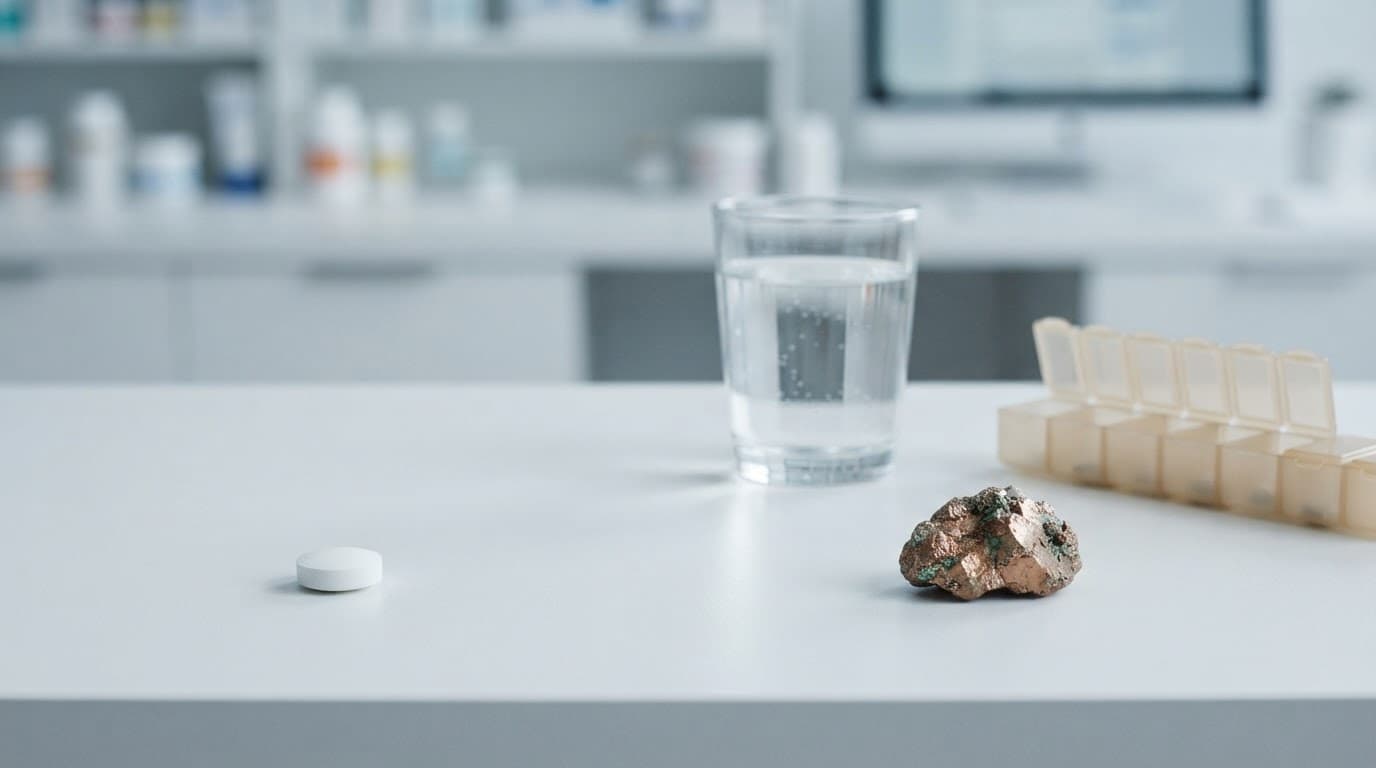
The NIH copper fact sheet explains copper's role in iron transport, nervous system function, and connective tissue. Copper depletion can therefore cause problems that extend beyond stomach discomfort.
When to stop and seek advice
Persistent nausea, unexplained fatigue, tingling, balance changes, weakness, or signs of anemia are clinical signs that require a medication and supplement review. A clinician may direct testing of blood counts, copper, iron, and other relevant markers before recommending any adjustment.
This information is for educational purposes only and does not replace individualized medical advice. Consult a licensed healthcare provider before starting, stopping, or changing a supplement regimen.
Medication Interactions and Timing
Zinc can contribute to drug interactions by binding certain prescription medicines in the gastrointestinal tract. This may reduce absorption of both the medicine and the mineral. Quinolone antibiotics, such as ciprofloxacin, and tetracyclines, such as doxycycline, need separation from zinc.
Take the antibiotic at least two hours before zinc. Alternatively, take zinc four to six hours afterward, following the label or pharmacist's instructions. Separate penicillamine from zinc by at least one hour, and verify timing with a pharmacist because instructions vary by medicine.
Review the whole medicine cabinet
Thiazide diuretics can increase zinc loss in urine over time. Long-term use of proton pump inhibitors may warrant a nutrition and medication review when appetite, nutrition, or multiple supplements are concerns. It doesn't have the same established chelation or timing interaction as these antibiotics.

Prescription medicine directions always take priority over a supplement schedule. People managing several daily medicines should write down doses, meal timing, prescription medicines, over-the-counter products, and minerals before asking a pharmacist to check the full regimen.
Accessing Zinc Products Safely
Zinc products are usually inexpensive, but prices vary by formulation, quantity, country, and shipping. In the USA, Australia, and the UK, a basic zinc capsule may cost less than a branded immune formula with added vitamins or botanicals. Comparing elemental zinc per serving and total daily intake is more useful than comparing package size or immunity claims.
Online medicine home delivery can help people in remote areas or those managing repeat purchases, but it doesn't replace careful checks. Verify the active ingredients, serving size, expiration date, storage and delivery conditions, and seller or pharmacy credentials.
Ordinary zinc products are usually sold over the counter, but a pharmacy should require a valid prescription for prescription-only medicines. Instructions for placing an online pharmacy order explain the difference between browsing wellness products and submitting a prescription medicine order.
Consult a pharmacist before purchasing if you're pregnant or breastfeeding, under 18, have chronic digestive disease, or take antibiotics or other prescription medicines.
Final Thoughts
Zinc is an essential mineral that supports normal immune, healing, and cellular functions within a narrow nutritional range.
The sound approach is to start with food, identify genuine risk factors, and count zinc from every product in your routine. Adequate intake isn't the same as supplementation at the upper limit. Avoid aggressive dosing to protect zinc status and copper balance. Supplements aren't substitutes for evaluation or treatment of infection, anemia, malabsorption, or other diagnosed conditions.
Frequently Asked Questions
Can zinc supplements prevent colds?
Zinc supplements haven't proved reliable as routine cold prevention for healthy adults. Some studies suggest zinc lozenges may reduce cold duration when started early and taken briefly. Results vary by formulation and dose, so they shouldn't replace vaccination, rest, fluids, or medical care for serious symptoms.
How can someone tell if they have zinc deficiency?
Possible clinical signs include reduced taste, poor appetite, delayed wound healing, hair loss, diarrhea, frequent infections, and skin changes. These symptoms have many causes and cannot establish zinc deficiency on their own. A health care professional can review diet, medical history, medicines, and appropriate tests before making a diagnosis.
Can zinc improve blood sugar?
Zinc is involved in insulin biology, but evidence doesn't support it as a general treatment for blood sugar control without a diagnosed deficiency. People with diabetes shouldn't replace prescribed treatment with zinc. Ask their clinician or pharmacist about supplementation and medication timing.
What is the safe daily dosage of zinc?
Most adult men need 11 mg daily, while adult women need 8 mg. The adult upper limit is 40 mg daily from all sources. Children, teenagers, pregnancy, and breastfeeding have different requirements. That total includes food, multivitamins, standalone zinc, cold lozenges, and certain other over-the-counter products.
Which zinc form is best?
Zinc gluconate, acetate, citrate, picolinate, and sulfate all provide zinc. For routine use, the elemental zinc amount, total daily intake, and stomach tolerance matter more than a marketing claim about one form. Zinc acetate prescribed for Wilson's disease is a separate medical use.
Can zinc be taken with antibiotics?
Zinc can reduce absorption of quinolone and tetracycline antibiotics. The usual spacing is at least two hours before the antibiotic or four to six hours afterward. Penicillamine also needs separation. A pharmacist should review the schedule for any prescription medicine.
Do zinc supplements require a prescription?
Most nutritional zinc products are sold without a prescription. Prescription zinc products may be used for conditions such as Wilson's disease and require medical supervision. A supplement shouldn't replace treatment for anemia, infection, digestive disease, or any diagnosed medical condition.