
Antibiotics and Dairy: Which Drugs Need a Gap?
Written by: Waldrugmart Editorial Team
Reviewed by: Navdeep Singh, B.Pharm — Registered Pharmacist
Last reviewed:
Some antibiotics interact with dairy foods such as milk, but many don't. Calcium can reduce absorption of certain antibiotics, especially tetracyclines such as tetracycline and fluoroquinolones such as ciprofloxacin, while amoxicillin generally doesn't need a dairy gap.
The rules depend on the drug, formulation, and whether calcium comes from food or a supplement. A universal two-hour rule can therefore give the wrong answer.
Key Takeaways
Calcium supplements and dairy foods don't always carry identical instructions. Ciprofloxacin's label allows a meal containing dairy but advises against taking the dose with dairy alone.
- Tetracycline needs separation from dairy; doxycycline and minocycline have different food instructions.
- Ciprofloxacin's supplement interval is at least two hours before or six hours after these products.
- An accidental combination doesn't justify repeating a dose without professional advice.
Table of Contents
- Why calcium affects absorption
- Drug-by-drug timing guide
- Ciprofloxacin and levofloxacin
- Doxycycline and minocycline
- Common antibiotics without a routine dairy restriction
- Other medicines affected by calcium
- Accidental combinations
- Affordable access
- Frequently asked questions
Why Calcium Affects Antibiotic Absorption
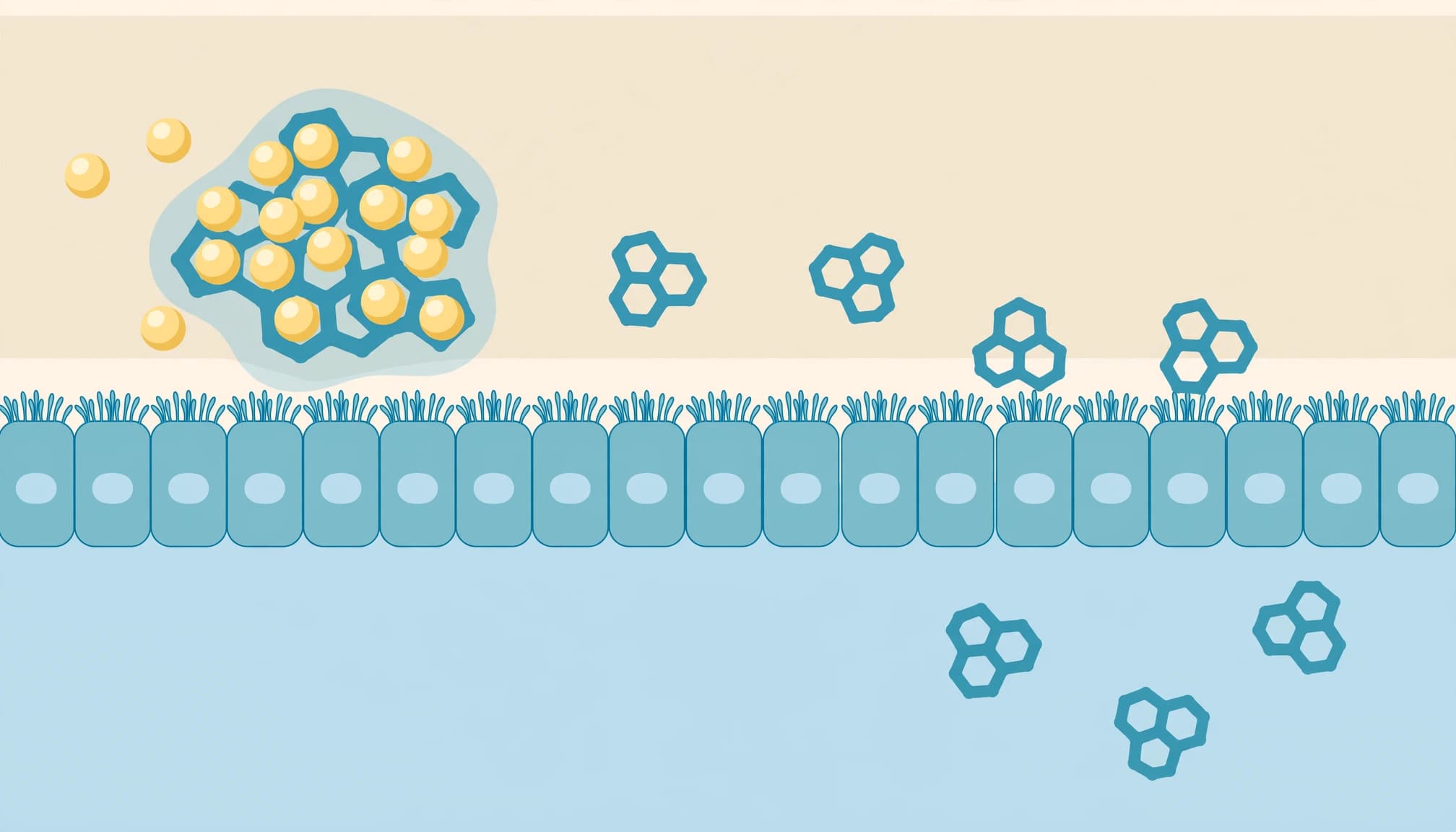
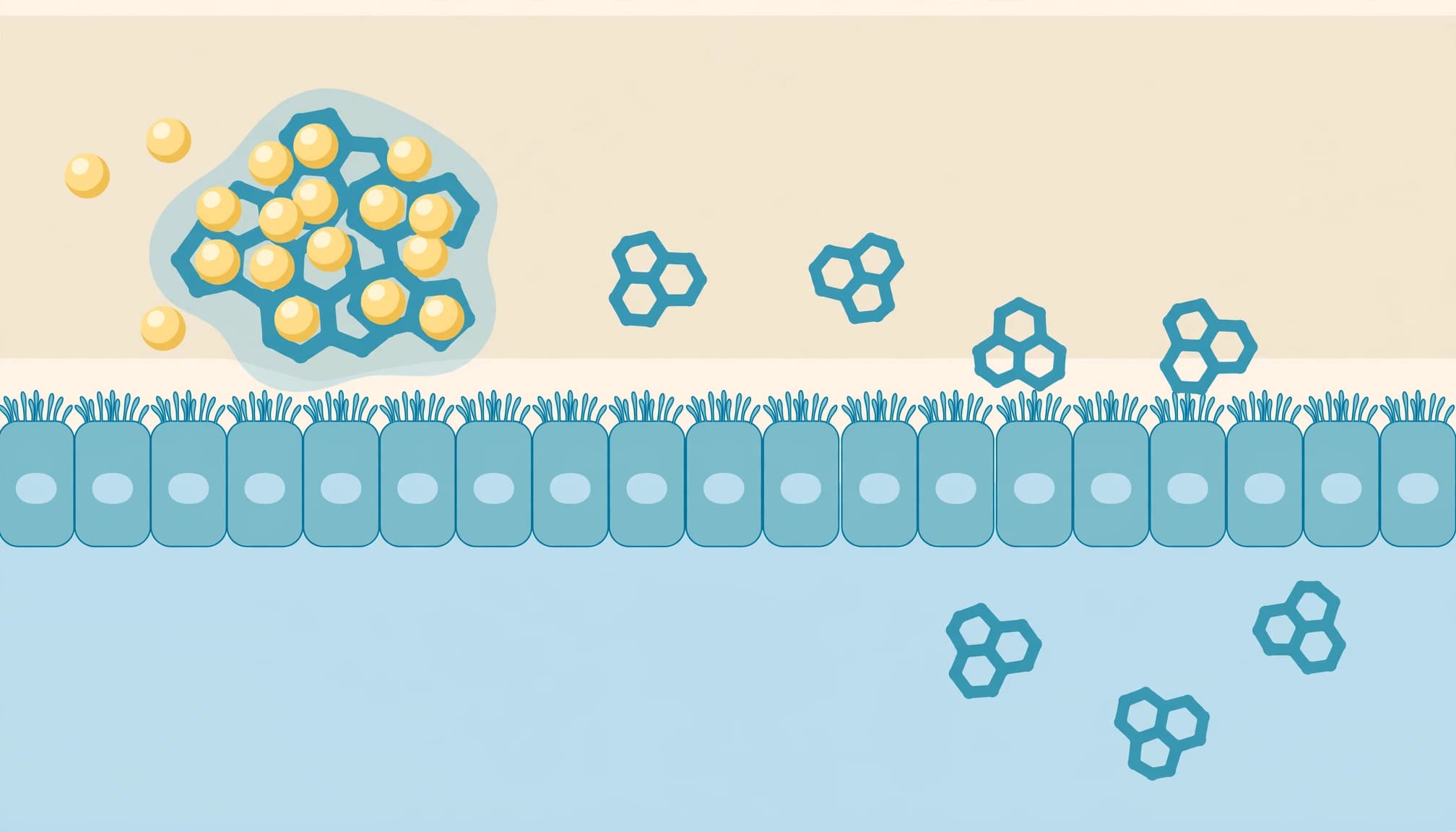
Calcium can bind certain antibiotics inside the digestive tract through chelation. The resulting complex is poorly soluble and doesn't cross the intestinal lining well. Less antibiotic then reaches the bloodstream.
Tetracyclines and fluoroquinolones are the main antibiotic classes affected. Iron, magnesium, aluminum, and zinc can also interfere, so multivitamins and antacids matter alongside milk.
This interaction with dairy products isn't a milk allergy or lactose intolerance. Lactose-free milk still contains calcium. Fortified plant milk can also matter: almond milk may contain roughly 300-450 mg per cup when fortified, compared with about 17 mg when unfortified. Products vary, and there isn't one proven cutoff below which every antibiotic is unaffected.
Antibiotics and Dairy: A Drug-by-Drug Timing Guide
For oral medicines, milk and other dairy products follow drug-specific rules. Tetracyclines and fluoroquinolones can have different food instructions, and supplement timing is separate. Formulation-specific instructions take priority.
| Antibiotic | Dairy guidance | Supplement guidance |
|---|---|---|
| Tetracycline | Avoid dairy with the dose; generally take one hour before or two hours after food. | Calcium, iron, and antacids need separate timing. |
| Ciprofloxacin | Avoid dairy alone with the dose; a meal containing dairy is allowed. | Take at least two hours before or six hours after calcium, iron, or zinc products. |
| Levofloxacin tablets | Food is allowed; dairy isn't automatically subject to ciprofloxacin's rules. | Separate listed chelating agents by at least two hours either way. |
| Doxycycline | Some labels allow milk; cautious guidance suggests two to three hours apart. | Antacids and mineral supplements can interfere. |
| Minocycline | Many formulations allow food, including dairy. | Mineral supplements and antacids still require separation. |
| Amoxicillin or amoxicillin/clavulanate | No routine dairy gap. | Other interactions still need consideration. |
| Cephalexin or cefdinir | No routine milk restriction. | Cefdinir has separate iron and antacid precautions. |
The table's central distinction is between food instructions and supplement instructions. They aren't interchangeable.
Ciprofloxacin and Levofloxacin Have Different Rules
Ciprofloxacin: dairy alone differs from a meal
A 1991 study in Clinical Pharmacology & Therapeutics tested ciprofloxacin in seven healthy volunteers. Taking the dose with milk reduced peak blood concentration by 36%; taking it with yogurt reduced it by 47%.
The FDA ciprofloxacin prescribing information distinguishes dairy alone from a mixed meal. A glass of milk or bowl of yogurt shouldn't accompany the dose alone, but a meal containing dairy is acceptable.
Its two-hour-before or six-hour-after instruction concerns calcium-containing products and other listed mineral preparations. The NHS dairy guidance advises at least two hours between ciprofloxacin and dairy or drinks fortified with that mineral.
Levofloxacin: a separate label applies
Levofloxacin tablets can be taken with or without food. The label requires at least two hours before or after listed chelating agents, including magnesium/aluminum antacids, iron, and zinc-containing multivitamins.
Some pharmacists also recommend a two-hour dairy gap as a precaution. However, that isn't evidence that ordinary dairy requires ciprofloxacin's six-hour interval. Levofloxacin oral solution has different food directions, another reason the formulation matters.
Doxycycline and Minocycline Need Formulation-Specific Advice
Doxycycline: labels and cautious guidance differ
Some doxycycline labels state that food or milk doesn't markedly affect absorption and permit either for stomach irritation. However, a small study involving nine volunteers found an average reduction of about 30% with milk, ranging between 9% and 53%.
A CDC expert report recommended separating doxycycline and dairy by two to three hours. These findings explain why advice varies: measured absorption changes don't automatically establish treatment failure, and formulations differ.
NHS interaction guidance also recognizes differences between product information and more cautious references. Doxycycline should be swallowed with plenty of water, with the patient remaining upright afterward.
Minocycline differs from older tetracycline
A minocycline capsule label reports no change in the extent of absorption after a high-fat meal containing dairy. Tablet and extended-release products can have different study findings.
By contrast, older tetracycline has a stronger dairy restriction. A 1976 review in Drugs examined absorption interactions, while current MedlinePlus tetracycline instructions explicitly advise against taking it with dairy.
These differences mean that one tetracycline-class medicine's instructions shouldn't automatically transfer to another.
Common Antibiotics Without a Routine Dairy Restriction
Amoxicillin, Augmentin, and macrolides
Amoxicillin doesn't generally require separation from dairy. Its liquid label permits mixing the measured dose with a small amount of milk, provided the entire mixture is taken immediately.
Amoxicillin/clavulanate, commonly called Augmentin, can accompany yogurt. Taking it at the beginning of a meal improves clavulanate absorption and may reduce stomach upset.
Clarithromycin can also be taken with milk, although extended-release tablets require food. Like azithromycin tablets, it doesn't share tetracycline's routine absorption restriction, but formulation-specific directions still apply.
Cephalexin and penicillin V
Cephalexin generally permits food, and routine dairy avoidance isn't standard. Penicillin V may permit meals, although absorption is usually better on an empty stomach.
A 1978 study in infants and children reported blood levels around 40-60% lower when these medicines accompanied milk. However, a 2024 systematic review rated the evidence as low quality. Those findings don't establish a blanket milk ban for every patient.
Water is a straightforward dosing drink when milk instructions are uncertain.
Other Medicines Affected by Calcium
A dairy question can reveal scheduling conflicts involving medicines other than antibiotics.
Bisphosphonates such as standard oral alendronate and immediate-release risedronate generally require at least 30 minutes before food, including dairy. Oral ibandronate requires 60 minutes. Alendronate administration guidance also requires plain water and remaining upright.
Iron products such as ferrous sulfate or ferrous gluconate should generally wait at least two hours after dairy. Our guide to iron supplement interactions explains why one interval doesn't cover every medicine.
Levothyroxine usually precedes breakfast by 30-60 minutes. Calcium supplements require four-hour separation; some patient guidance also recommends four hours before those foods.
For dolutegravir, FDA prescribing information specifies two hours before or six hours after these supplements when fasting. With food, these supplements can accompany it. That supplement instruction shouldn't automatically become a universal dairy rule.
When a Dose Has Already Been Taken With Dairy
An accidental combination usually raises an absorption concern rather than an immediate poisoning concern. The risk depends on the antibiotic, infection, and amount consumed.
The dose shouldn't be repeated, doubled, or stopped without advice. A pharmacist can assess the situation and advise whether any adjustment is needed. Our pharmacist consultation service supports medication and interaction questions.

The review should include supplements and other prescriptions. For cancer or transplant patients, an antibiotic interaction may involve another treatment rather than the mineral itself.
New diarrhea also deserves attention, particularly three or more watery stools daily, fever, blood, or significant abdominal pain. Yogurt doesn't replace assessment for antibiotic-associated diarrhea.
How to Access Antibiotics Affordably
There isn't one meaningful antibiotic price without the drug, strength, quantity, and formulation. A pharmacist can confirm the prescribed formulation or generic when you compare prices. A local generic may cost less than an international order after delivery charges.
For patients in the USA, Australia, or UK, compare the complete prescribed course, delivery time, and lawful dispensing requirements. International sourcing doesn't remove the need for a valid prescription.
Our Online Pharmacy offers prescription review and generic options. For an acute infection, waiting for international delivery may be inappropriate; timely treatment takes priority over a lower advertised price.
This information is for educational purposes only. Consult a licensed healthcare provider for medicine-specific guidance.
Frequently Asked Questions
How long after eating dairy can ciprofloxacin be taken?
NHS guidance advises at least two hours between dairy or calcium-fortified drinks and ciprofloxacin. Supplements have a different label instruction: wait at least six hours after taking them before taking the medicine. A mixed meal containing dairy is allowed under the US label, unlike dairy taken alone. Ask a pharmacist if your product label gives different timing instructions.
How long after ciprofloxacin can milk or yogurt be consumed?
NHS guidance advises waiting at least two hours after ciprofloxacin before dairy or fortified drinks. Those supplements should also be taken at least two hours after ciprofloxacin, unless the prescribed product has different instructions.
Can yogurt be eaten with amoxicillin/clavulanate?
Yes. It doesn't create the chelation problem associated with tetracycline or ciprofloxacin. Amoxicillin/clavulanate is generally taken at the beginning of a meal for better clavulanate absorption and stomach tolerance. Although some yogurts contain live cultures, they aren't guaranteed to prevent antibiotic-associated diarrhea or treat its causes.
Can coffee be taken with cephalexin?
Cephalexin has no established clinically important caffeine interaction, and it can generally be taken with or without food. Coffee may nevertheless worsen nausea or stomach discomfort. Milk added to coffee doesn't create the same recognized chelation restriction as ciprofloxacin. Water remains a simple choice for swallowing the dose.
How long after antibiotics is alcohol allowed?
There isn't one waiting period for every antibiotic. NHS guidance advises avoiding alcohol during metronidazole treatment and for 48 hours afterward, or 72 hours after tinidazole. Other medicines have different concerns. Alcohol can also worsen nausea or dizziness, so the antibiotic's identity matters more than a universal interval.
The Drug Name Determines the Dairy Rule
Antibiotics and dairy don't require blanket avoidance. The strongest restrictions concern particular drugs, while others allow milk, yogurt, or dairy within a meal.
The most useful distinction is between the exact medicine, its formulation, and the source of this mineral. Accurate timing protects antibiotic absorption without imposing unnecessary dietary restrictions.