
Medication-Induced Constipation: Why Medicines Slow the Gut
Written by: Waldrugmart Editorial Team
Reviewed by: Navdeep Singh, B.Pharm — Registered Pharmacist
Last reviewed:
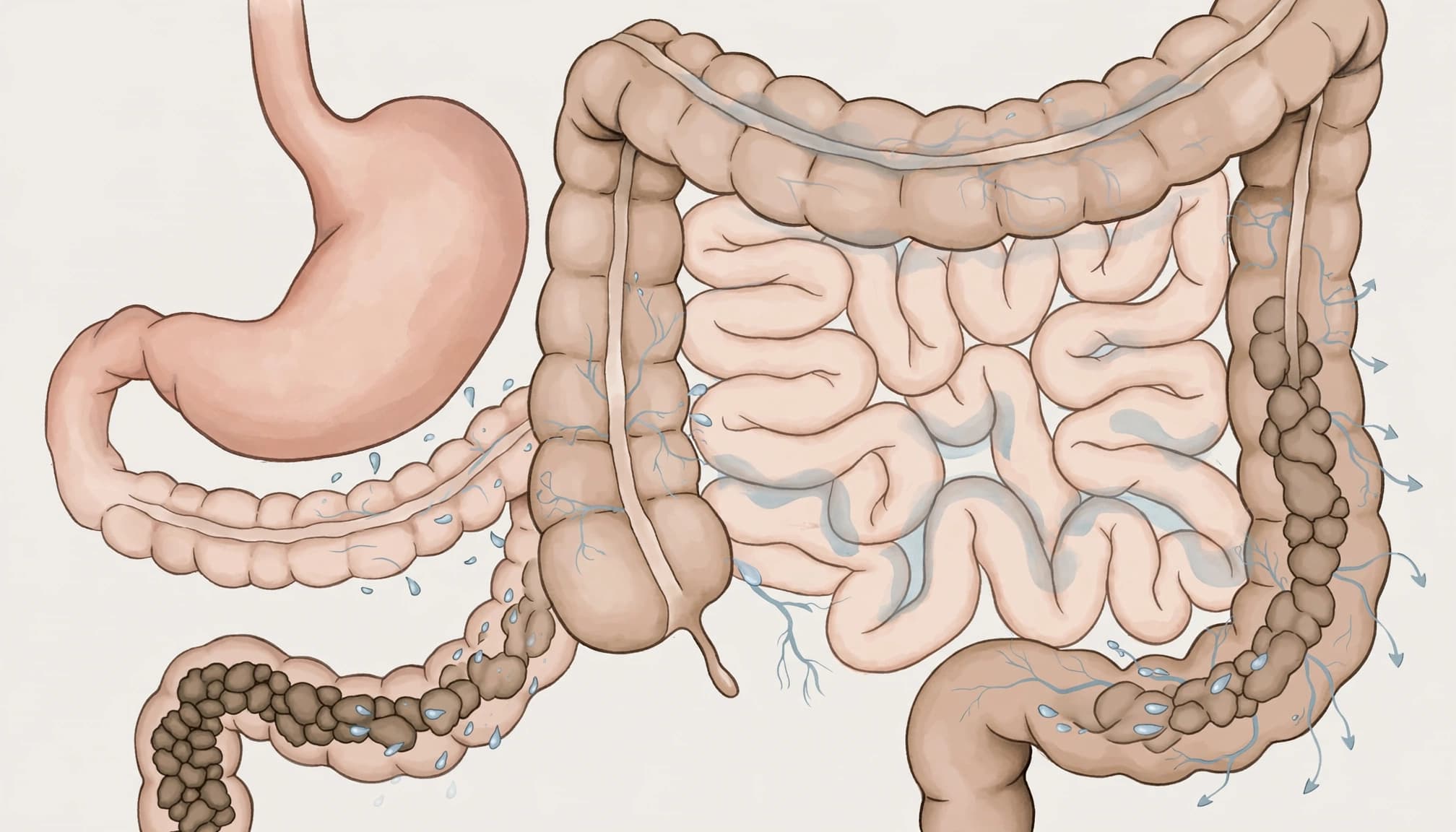
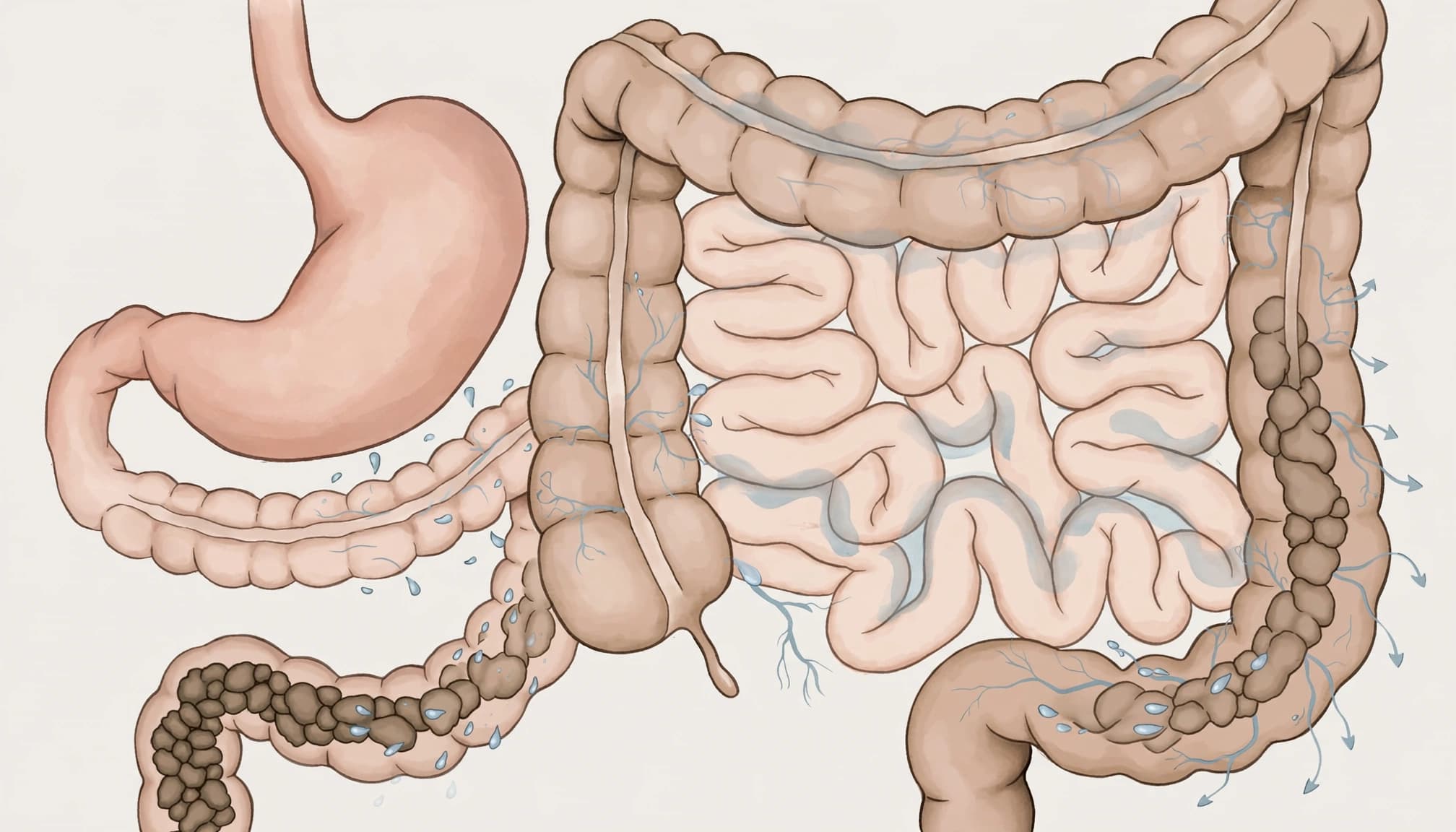
Medicines can cause constipation by slowing intestinal movement, reducing digestive secretions, or allowing the bowel to absorb more water. These effects produce harder stools that become difficult to pass.
Medication-induced constipation can begin after a new prescription, a dose increase, or the addition of an over-the-counter product. Because several medicines may contribute, identifying the cause requires more than spotting constipation on a side-effect list.
The distinction matters because treatment depends on how the medicine affects the gut.
Table of Contents
- How medicines affect the gut
- Common medication causes
- What the evidence shows
- Symptoms and warning signs
- Treatment options
- Prescription treatments
- Cost and safe access
- Frequently asked questions
Key Takeaways
- Opioids, iron, some cardiovascular medicines, and medicines with anticholinergic effects can cause constipation through different mechanisms.
- A medication review and an appropriate laxative often matter more than adding fiber alone, particularly with opioid-induced constipation.
- Prescribed medicines shouldn't be stopped without professional advice. Severe abdominal pain, vomiting, or inability to pass gas needs urgent assessment.
How Medication-Induced Constipation Develops
Slower movement and drier stools
The bowel normally moves stool through coordinated muscle contractions. Some medicines weaken those contractions. Others reduce secretions, so stool contains less fluid.
Anticholinergic medicines block acetylcholine, a chemical messenger involved in intestinal movement. Verapamil, a calcium channel blocker, can also reduce bowel muscle activity. Meanwhile, iron supplements can cause constipation, although their effects aren't explained by one simple mechanism.
Medicines with anticholinergic effects may also cause medication-related dry mouth. Dry mouth and constipation together can help identify a medication pattern, although they don't establish the cause.
Why opioids have a stronger effect
Opioids activate enteric mu-opioid receptors, which are located in the gut. This reduces gastric motility and gastric, biliary, pancreatic, and intestinal secretions. Increased water absorption leaves stool harder and drier.
Opioids can also interfere with coordinated evacuation. Together, these effects contribute to opioid-induced constipation, which may involve straining and incomplete emptying even when bowel movements still occur.
Which Medicines Commonly Cause Constipation?
Medication-induced constipation extends well beyond opioid pain treatment. Prescription medicine, supplements, and everyday nonprescription products all deserve attention.
These examples show the main groups involved.
| Medication group | Examples | Relevant effect |
|---|---|---|
| Opioid pain medicines | Morphine, oxycodone, codeine | Slow movement and reduce secretions |
| Cardiovascular medicines | Verapamil, clonidine | Can reduce bowel movement |
| Anticholinergic medicines | Oxybutynin (Ditropan), diphenhydramine (Benadryl) | Block signals that stimulate the bowel |
| Certain antidepressants | Amitriptyline, nortriptyline | Often have anticholinergic effects |
| Iron and calcium products | Ferrous sulfate, calcium carbonate | Can harden stools or cause constipation |
| Bile acid sequestrants | Cholestyramine (Questran) | Bind bile acids and can cause constipation |
| Cancer and supportive treatments | Vincristine, ondansetron (Zofran) | Can impair bowel nerves or slow transit |
The table identifies possible causes, not equally high risks across every drug.
Antidiarrheal treatment is another example. As our GastroStop loperamide information explains, loperamide acts on opioid receptors in the bowel. Slower transit helps treat diarrhea but can also produce constipation.

How Common Is Drug-Induced Constipation?
A 2024 Japanese claims study examined records covering 4,533,905 insured people. Potential drug-induced constipation accounted for 10.9% of treated constipation cases, or 19,485 of 178,852 cases.
The median interval between the implicated prescription and constipation diagnosis was 38.0 days. However, that records the timing of diagnosis, not necessarily when symptoms began.
Cardiovascular drugs were the most frequent implicated class at 47.9%, followed by psychotropic drugs at 36.4% and anticholinergics at 19.7%. The categories overlapped.
Adjusted odds ratios were highest for opioid analgesics (4.73), iron supplements (4.71), and adsorbent anion exchange resin drugs (4.49). These figures describe associations, not an individual's probability of developing constipation.
Separately, a 2017 US Pharmacist review reported opioid-induced constipation in approximately 40% to 95% of patients receiving opioids for noncancer pain. The likelihood increases with longer opioid use. The wide range reflects differences between populations and definitions.
Recognizing Constipation and Warning Signs
Timing helps distinguish opioid-related symptoms
Rome IV criteria describe opioid-induced constipation as new or worsening constipation after opioid treatment starts, changes, or increases.
At least two qualifying symptoms are required. They include straining, hard stools, incomplete evacuation, a blockage sensation, or manual assistance during more than one-quarter of bowel movements. Fewer than three spontaneous bowel movements weekly is another criterion.
Unlike functional constipation, this diagnosis depends on a relationship with opioid exposure. However, both conditions can coexist. A dated record of prescriptions, dose changes, stool consistency, and bowel frequency helps a clinician assess that relationship.
Some symptoms need urgent assessment
Severe or increasing abdominal pain, vomiting, marked swelling, or inability to pass gas can indicate obstruction. These symptoms need urgent medical assessment rather than another laxative dose.
Blood in stool, unexplained weight loss, and persistent new constipation also warrant evaluation.
Iron often darkens stool. However, black, tarry stool, particularly with weakness or dizziness, can indicate bleeding and shouldn't automatically be attributed to an iron tablet.
Treatment Starts With a Medication Review
Food, fluid, and movement have limits
A clinician or pharmacist can review the full medication list, including sleep aids, supplements, and combination cold remedies, to identify the causative drug. Don't stop or change a prescribed medicine without their guidance. A dose reduction or switch may help when clinically appropriate.
General constipation measures include roughly 25 to 30 g of dietary fiber daily, adequate fluid, and regular aerobic activity. Fluid advice often falls around 1.5 to 2 L daily, but heart or kidney disease may require restrictions.
These measures alone are often insufficient for opioid-induced constipation. Bulk-forming psyllium is generally avoided in OIC because adding bulk to a poorly moving bowel can worsen discomfort.
Laxatives should match the problem
Stimulant laxatives such as senna or bisacodyl are common first treatments for OIC, sometimes combined with stool softeners. However, docusate alone often provides inadequate relief.
Osmotic laxatives such as polyethylene glycol draw water into stool and offer another option. Kidney function matters when selecting magnesium-containing products.
Gas medicines don't resolve stool retention. For example, simethicone for gas and bloating treats gas symptoms rather than constipation.
Persistent medication-induced constipation needs reassessment rather than repeated additions to an ineffective regimen.
When Prescription Treatments Are Considered
Medicines that block opioid effects in the bowel
When suitable laxatives provide insufficient relief for opioid-induced constipation (OIC), clinicians may prescribe a peripherally acting mu-opioid receptor antagonist, or PAMORA.
Methylnaltrexone (Relistor), naloxegol (Movantik), and naldemedine (Symproic) block opioid effects mainly outside the brain. They can improve bowel function while generally preserving central pain relief. A 2025 treatment review discusses their role in OIC.
The FDA's naldemedine approval review identifies its indication for adults with OIC and chronic pain that isn't cancer-related. Selection also depends on interactions, organ function, and the clinical setting.
Safety and other prescription options
Known or suspected bowel obstruction rules out PAMORA treatment. Methylnaltrexone (Relistor) warnings include gastrointestinal perforation and opioid withdrawal symptoms such as sweating, chills, and anxiety. Contact the prescriber about severe or persistent diarrhea.
Naloxegol interacts with medicines affecting CYP3A metabolism, and grapefruit can increase exposure. Instructions about continuing or stopping other laxatives differ by product.
Lubiprostone (Amitiza) is another prescription option. It increases intestinal fluid secretion rather than blocking opioid receptors. Its suitability depends on the opioid regimen and the patient's circumstances.
These treatments require clinician selection; they aren't interchangeable remedies for every cause of constipation.
How to Access Treatment Affordably
Generic senna, bisacodyl, and polyethylene glycol generally cost less than branded OIC prescription treatments. However, a cheaper ineffective product can add expense without improving symptoms.
USA, UK, and Australian prices aren't directly comparable because insurance, public subsidies, pack sizes, and dispensing arrangements differ. International sourcing also involves prescription and import requirements. Online medicine home delivery adds shipping costs to the total.
Through our Online Pharmacy, prescriptions undergo review before dispensing. A clinically appropriate generic, where available, may reduce costs without changing the active ingredient.
Affordability comparisons should use the same ingredient, strength, formulation, and quantity. A delivery charge alone doesn't establish the total treatment cost.
Frequently Asked Questions
Can amitriptyline cause constipation?
Yes. Amitriptyline has anticholinergic effects that can reduce intestinal movement. Dry mouth may occur alongside constipation. A prescriber may consider dose adjustment, another treatment, or a bowel regimen. Stopping amitriptyline abruptly can cause withdrawal symptoms, so changes need professional guidance rather than an unsupervised trial.
Can chemotherapy cause constipation?
Yes. Some chemotherapy medicines, including vincristine, can affect nerves controlling the bowel. Anti-nausea medicines, opioid pain treatment, reduced intake, and inactivity can also contribute. During cancer treatment, new constipation needs assessment because obstruction and other complications can resemble a medication side effect. Rectal treatments may be unsuitable with low blood counts.
What is the fastest constipation treatment?
Oral stimulant laxatives often take several hours to work, while some rectal treatments act faster than oral osmotic laxatives. Speed doesn't determine suitability. Suspected obstruction, severe pain, and certain cancer-treatment complications change what's safe. Methylnaltrexone can work within hours in some patients with OIC, but it requires a prescription and isn't a universal rescue treatment.
Can constipation appear weeks after starting medicine?
Yes. The Japanese claims study found a median 38-day interval between the implicated prescription and constipation diagnosis. Symptoms may start earlier, while recognition takes longer. Dose increases, another constipating medicine, reduced fluid intake, or illness can also explain why bowel problems become apparent after an established treatment.
Is a prescription needed for constipation medicine?
Many stimulant and osmotic laxatives are available without a prescription, although availability differs between countries. PAMORAs and lubiprostone require prescriptions. An online seller offering prescription-only treatment without an appropriate prescription raises safety concerns. Persistent symptoms still need clinical assessment, even when an OTC medicine is available.
Effective Relief Depends on the Cause
Medication-induced constipation often reflects a medicine's effect on bowel movement or fluid handling. Treatment works best when that mechanism and the full medication list guide the choice.
This information is for educational purposes only. Consult a licensed healthcare provider before changing treatment, and don't stop prescribed medicine without advice. The goal is bowel relief that preserves the benefits of necessary treatment.