
Medication Tapering: What to Ask Before Reducing a Dose

A gradual reduction can cause withdrawal symptoms, even when the original illness has improved. Plan dose changes with the prescriber, and don't stop abruptly.
Before reducing a dose, agree on why treatment is changing, the size and timing of each reduction, expected symptoms, and when to pause. The prescriber should approve the plan, and a pharmacist can explain suitable formulations.
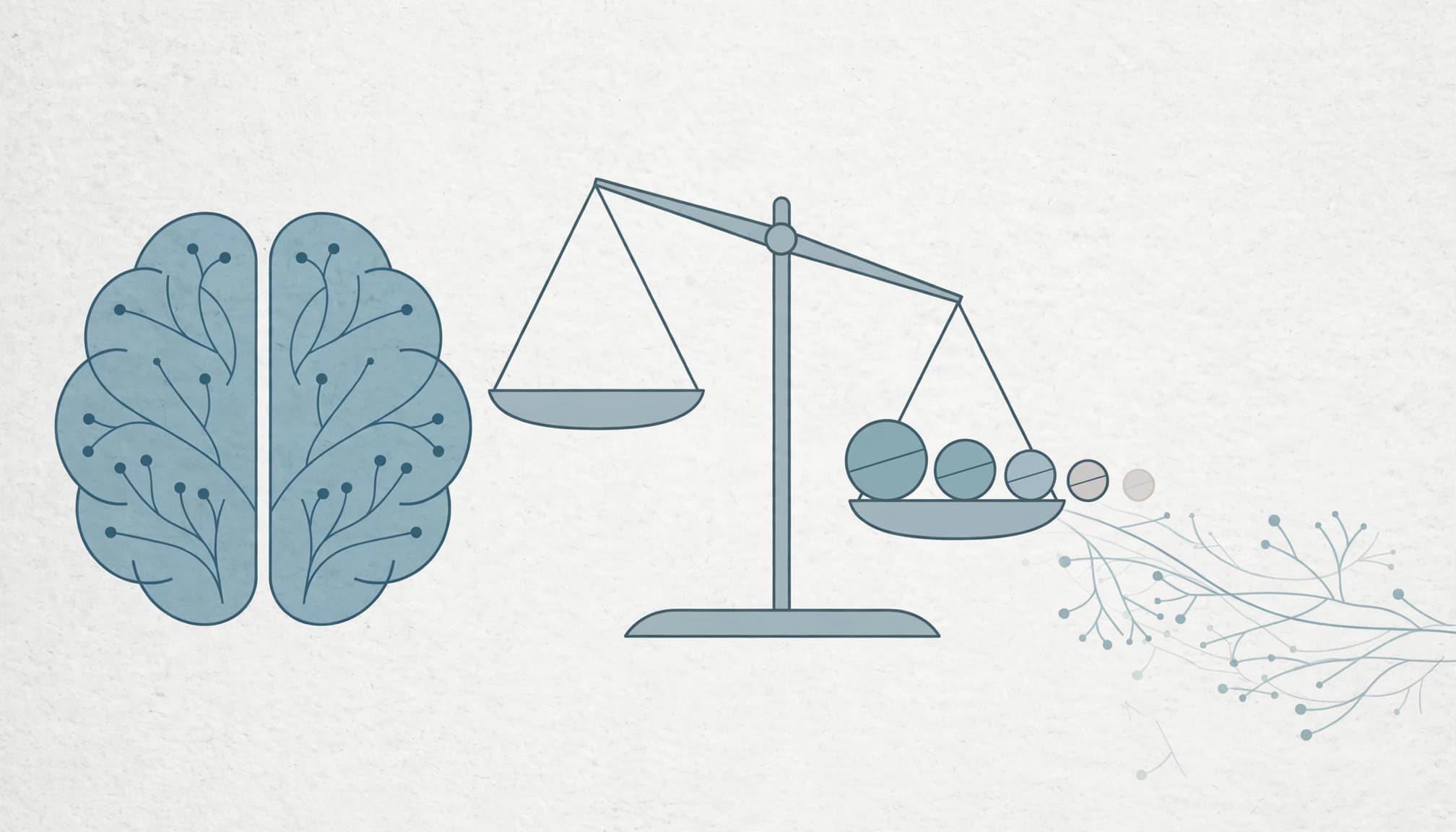
Individualized pacing matters more than finishing quickly. Tapering lowers a dose over time, but first decide whether reducing treatment is appropriate.
This information is for educational purposes only. Consult a licensed healthcare provider before changing prescribed treatment.
Table of Contents
- Key Takeaways
- What Medication Tapering Changes
- Questions Before the First Reduction
- Opioid Tapering
- Psychiatric Medicines
- Other Medicines
- Withdrawal Versus Relapse
- Cost and Access
- Frequently Asked Questions
- Conclusion
Key Takeaways
- Tapering reduces withdrawal risk, but it doesn't guarantee a symptom-free process.
- Published percentages describe starting approaches, not instructions for every patient.
- Smaller doses, follow-up, and uninterrupted supplies are part of a safe plan.
What Medication Tapering Changes
How Deprescribing Differs
Tapering means gradually reducing a dose. The endpoint may be a lower maintenance dose or complete discontinuation.
Deprescribing is the broader process of reducing or stopping medicines when their risks outweigh their benefits. It doesn't always mean reaching zero milligrams. A medication review may also identify duplicate treatment or an interaction that warrants deprescribing.
Why the body needs adjustment time
With repeated exposure, the body adapts to a medicine to maintain homeostasis. A sudden stop can disrupt homeostasis temporarily, leaving those adaptations unbalanced.
Benzodiazepines affect GABA signaling, while opioids act on opioid receptors. Antidepressants alter serotonin or other neurotransmitter signaling. A gradual reduction gives the nervous system time to readjust, although responses vary.
Physical dependence can develop during prescribed use. It doesn't, by itself, mean addiction.
Questions Before the First Reduction
Why is the medicine being reduced?
Clarify whether the goal is to address side effects, lower the dose, or stop treatment. Deprescribing means reducing or stopping a medicine. Feeling better alone doesn't establish that a preventive medicine is unnecessary.
The prescriber also needs to know how long you've taken the medicine, whether you've had withdrawal reactions, and what else you take. Kidney disease can change drug clearance. Pregnancy, seizure history, and alcohol use can also affect the decision.
What exactly will the written plan contain?
Ask, "What is the first dose reduction in milligrams?" and "Is the percentage calculated from the starting dose or current dose?"
The plan should state the interval between reductions, follow-up dates, symptoms that require a pause, and who to contact between appointments. Use the written plan to guide tapering, rather than changing your dose on your own.
A pharmacist can explain whether tablets can be split or if you need a liquid. Modified-release tablets mustn't be crushed or divided unless the product permits it.

Opioid Tapering: Fast and Slow Schedules
Published schedules need clinical context
Hospital for Special Surgery's opioid tapering guide outlines different approaches.
These percentages are examples, not personal instructions, and require clinician supervision.
| Approach | Reduction in total daily dose | Interval |
|---|---|---|
| Fast opioid taper | 20% to 25% | Every few days |
| Slow opioid taper | 10% to 25% | Every 1 to 3 weeks |
| HHS long-term-use example | About 10% or less | Monthly |
Long-term use of opioids often calls for a slower approach, especially after a year or more. An individualized opioid tapering plan should account for treatment duration and response. Fast schedules aren't interchangeable with chronic-pain plans.
HSS notes that some patients taking opioids for two weeks or less can stop without withdrawal. Physical dependence can develop during prescribed use, even within a short period. Its short-term guidance also describes reducing one tablet every 2 to 3 days for some patients taking more than six daily. Tablet strength and formulation make that unsuitable as a universal rule.
Reduce the dose before spacing doses
HSS recommends changing the dose first and the dosing interval second. Keeping intervals stable limits sharp fluctuations in blood levels.
Withdrawal commonly starts 12 to 48 hours after the last dose, peaks within 24 to 96 hours, and improves in 5 to 7 days. Long-acting drugs and prolonged exposure can change that timeline.
The FDA warns against sudden opioid discontinuation in physically dependent patients. Reduced tolerance also makes returning to a previous high dose dangerous.
Benzodiazepines and Antidepressants Need Different Plans
Benzodiazepines require seizure-risk assessment
Benzodiazepines include alprazolam (Xanax), lorazepam (Ativan), clonazepam (Klonopin), and diazepam (Valium).
The joint benzodiazepine tapering guideline recommends initial reductions of 5% to 10% every 2 to 4 weeks. Reductions generally shouldn't exceed 25% every two weeks. Some patients need smaller steps or longer pauses.
For benzodiazepines, abrupt stopping or rapid dose reductions can cause seizures, delirium, and severe anxiety. Risk varies by person, and a history of complicated withdrawal or prior seizures may warrant specialist care. After prolonged treatment, tapering can take months or years.
The pace must respond to symptoms rather than a fixed completion date.
Antidepressants often need smaller final reductions
Antidepressants, including SSRIs and SNRIs, can cause withdrawal symptoms such as dizziness, nausea, mood swings, insomnia, flu-like symptoms, and electric-shock sensations called "brain zaps."
SSRIs such as paroxetine (Paxil) and SNRIs such as venlafaxine (Effexor) have comparatively high withdrawal risk. Fluoxetine (Prozac) generally has lower risk because it remains in the body longer. A review of antidepressant discontinuation explains these differences.
There isn't one percentage schedule for every antidepressant. Antidepressants may need weeks between reductions, with smaller changes near the end. Symptoms sometimes persist for months or longer.
These psychiatric medications can be difficult to discontinue. Stimulant withdrawal is often shorter, but fatigue, depression, and suicidal thoughts can still require urgent assessment.
Other Medicines Have Different Stopping Risks
Some anticonvulsants require gradual withdrawal because rapid reduction can provoke seizures or remove seizure protection. Corticosteroids may need tapering after prolonged use because treatment suppresses natural cortisol production.
Stopping certain blood pressure medicines, particularly clonidine and beta blockers, can cause rebound hypertension. Abrupt beta-blocker withdrawal can worsen angina or precipitate a heart attack. Our propranolol safety information covers one medicine in this class.
Blood thinners usually don't need a withdrawal taper. However, stopping them removes clot protection and can raise stroke risk without any noticeable warning.
Similarly, stopping rosuvastatin treatment doesn't usually cause a withdrawal syndrome, but it removes cholesterol-lowering benefit.
Cancer therapies and transplant immunosuppressants require specialist decisions. They aren't candidates for self-directed medication tapering because continued disease control may depend on uninterrupted treatment.
Withdrawal Versus Relapse: Symptoms and Actions
Timing and symptom patterns can help a clinician distinguish withdrawal from a returning illness, but they can't establish the cause alone. New physical symptoms soon after a reduction may point to withdrawal; familiar symptoms returning gradually need clinical assessment.
Withdrawal symptoms can overlap with signs of the underlying condition, so these patterns support assessment rather than self-diagnosis.
| Pattern | Possible explanation | Appropriate action |
|---|---|---|
| Brain zaps, dizziness, nausea after reduction | Antidepressant withdrawal | Contact the prescriber before another dose reduction |
| Sweating, diarrhea, aches after opioid reduction | Opioid withdrawal | Request assessment and schedule review |
| Return of familiar depression, anxiety, or pain | Relapse, withdrawal, or both | Arrange clinical review |
| Seizures, severe confusion, suicidal intent | Medical emergency | Seek emergency help immediately |
Chest pain, stroke symptoms, or breathing difficulty also require emergency care.
A daily record can help monitor tapering. Include dose, reduction date, sleep, symptoms, and functional changes. Record blood pressure readings when relevant.
If symptoms become disruptive, the prescriber may pause the taper or revise the reductions. Restarting or increasing doses without guidance can create additional risk. A pause allows assessment; it doesn't mean treatment has failed.
How to Access Tapering Doses Affordably
Medication costs may rise during a dose reduction if you need liquid medicine, smaller strengths, extra appointments, or custom preparation.
Compounding pharmacies can prepare custom doses when commercial strengths don't allow small reductions. Ask about pharmacy standards and prescription handling. Insurance coverage varies, and compounded prescriptions often require out-of-pocket payment. Prices vary, so there isn't a reliable universal monthly cost.
Commercial liquid formulations or suitable smaller tablets may cost less. Check that the concentration and measuring device are appropriate for the prescribed dose.
When comparing local and international pharmacy quotes, check that they cover the same strength, formulation, quantity, and total delivery charge. Quotes from compounding pharmacies should include any preparation fees. Medicine delivery costs to the USA can change an apparent saving, and prescription and import rules differ in the USA, Australia, and the UK.
Online medicine home delivery should preserve continuity, so you don't have to skip doses while a parcel is in transit. Licensed dispensing and prescription requirements still apply.
Our pharmacist consultations can address medicine questions, but the prescribing clinician directs the dose reduction. We don't process or dispense controlled substances.
Frequently Asked Questions
Can gradual dose reduction prevent all withdrawal symptoms?
A gradual reduction lowers risk, but some patients still develop withdrawal symptoms. The drug's half-life, treatment duration, dose, and previous reactions affect individual tolerance. A slower pace or smaller reductions may help. Persistent symptoms need assessment because withdrawal, relapse, and unrelated illness can overlap.
How long can treatment reduction take?
A taper may take days after brief treatment or months to years after prolonged exposure. A tapering schedule depends on the specific drug and patient, including for psychiatric medications. Benzodiazepine reductions often start every 2 to 4 weeks, while opioid plans vary. A clinician should review symptoms and adjust the schedule rather than follow a rigid deadline.
Do all prescription medicines need a gradual reduction?
No. Some medicines can stop without a gradual dose reduction, though stopping may still worsen the underlying disease. Changes can also cause side effects. For example, discontinuing saxagliptin diabetes treatment can raise blood glucose. Doctors and pharmacists assess duration, dose, mechanism, and disease control before deciding how treatment should change.
Is skipping alternate days a safe shortcut?
Skipping days can cause fluctuating drug levels, especially with short-acting medicines. For many drugs, smaller daily doses provide a steadier reduction. Some clinician-directed fluoxetine schedules are exceptions. Alternate-day dosing shouldn't replace a written plan just because available tablets are too large for smaller reductions.
Can cost justify reducing a prescribed dose?
Affordability deserves prompt attention, but stretching supplies can cause withdrawal or loss of disease control. A clinician or pharmacist can discuss generic equivalents, suitable formulations, and assistance options. Ordering prescription medicine online doesn't change the prescribed dose or establish that an imported product is legally available.
Conclusion: A Safe Taper Needs Room to Change
Medication tapering depends on a clear reason for reducing treatment and a plan that accounts for how the drug works. Published percentages offer starting points, but symptoms determine whether the pace remains appropriate.
Continued clinical support, including access to suitable doses, is the strongest safeguard. A clinician can reassess the treatment goal through deprescribing and guide smaller reductions, longer pauses, or a revised plan.