Logo
195 people bought recently
Zoom

Crestor

Generic
Be the first to write a review
Active ingredient:Rosuvastatin Calcium
Crestor is a prescription medication designed to help lower cholesterol and triglyceride levels in the blood. By inhibiting the enzyme responsible for cholesterol production in the liver, Crestor effectively reduces the risk of heart disease and stroke. Ideal for individuals seeking to improve their cardiovascular health, Crestor is part of a comprehensive treatment plan that includes diet, exercise, and lifestyle changes.

USD $7.20

1

Compare Medicines With the Same Generic Name

Products matching the full generic name: Rosuvastatin Calcium

Share

Active ingredient
Rosuvastatin Calcium
Pack Qty
30
Pack Size
Other
Prescription
Required (Rx)
Dispensing Country
IndiaIndia

Crestor (Rosuvastatin Calcium): Comprehensive Guide

What is Crestor?

Crestor is a prescription medication primarily used to lower cholesterol levels and reduce the risk of cardiovascular events. It contains the active ingredient rosuvastatin calcium, which belongs to the statin class of drugs, also known as HMG-CoA reductase inhibitors. These medications work by blocking the enzyme responsible for cholesterol synthesis in the liver, thereby lowering low-density lipoprotein (LDL) cholesterol and triglycerides while modestly increasing high-density lipoprotein (HDL) cholesterol.

Crestor is also known by its generic name, rosuvastatin, and is marketed under various brand names in some regions. It is widely prescribed to manage hyperlipidemia and to prevent cardiovascular events such as heart attacks and strokes.

References: FDA Crestor Prescribing Information, Drugs.com: Rosuvastatin


What are the benefits of Crestor for managing cholesterol and cardiovascular risk?

1. Effective Cholesterol Reduction

Clinical trials have consistently shown that Crestor significantly lowers LDL cholesterol levels, which is a major contributor to atherosclerotic plaque formation. Its efficacy in reducing total cholesterol and triglycerides has been demonstrated in studies such as the JUPITER trial.

2. Cardiovascular Risk Reduction

Crestor not only improves lipid profiles but also reduces the risk of cardiovascular events. Research indicates that patients taking Crestor experience a lower incidence of heart attacks, strokes, and revascularization procedures compared to those on placebo or other lipid-lowering therapies.

3. Plaque Stabilization

By lowering cholesterol levels, Crestor helps stabilize atherosclerotic plaques, reducing the risk of rupture and subsequent cardiovascular events.

4. Anti-Inflammatory Effects

Some studies suggest that Crestor may have anti-inflammatory properties, which further contribute to its cardiovascular protective effects.

Reference: JUPITER Trial – NEJM, PubMed: Statin Clinical Data


What are the side effects of Crestor?

Common Side Effects:

  • Muscle Pain or Weakness: Myalgia is a frequently reported side effect, although severe muscle injury is rare.
  • Headache: Some patients may experience headaches during treatment.
  • Abdominal Pain and Constipation: Gastrointestinal discomfort may occur, especially during initial dosing.
  • Nausea: Mild gastrointestinal upset is possible.

Rare but Serious Side Effects:

  • Rhabdomyolysis: A rare, serious condition involving muscle breakdown that can lead to kidney damage.
  • Liver Enzyme Elevations: Periodic monitoring of liver function is recommended.
  • New-Onset Diabetes: There is a slight risk of developing type 2 diabetes, particularly in predisposed individuals.
  • Allergic Reactions: Such as rash or swelling; immediate medical attention is necessary if these occur.

Reference: FDA Crestor Safety Information, Drugs.com: Rosuvastatin Side Effects


What should I know before taking Crestor?

1. Who Should Not Take Crestor?

  • Individuals with a known allergy to rosuvastatin or any component of the formulation.
  • Patients with active liver disease or unexplained persistent elevations in liver enzymes.
  • Pregnant or breastfeeding women should avoid Crestor, as it may harm the fetus or nursing infant.

2. Drug Interactions:

  • Other lipid-lowering agents: Caution is advised when Crestor is used in combination with other statins or fibrates due to an increased risk of muscle toxicity.
  • Certain antiviral medications: May interact with Crestor and increase the risk of side effects.
  • Always inform your healthcare provider about all medications and supplements you are taking.

3. Special Populations:

  • Elderly patients: May require a lower starting dose due to increased risk of side effects.
  • Patients with renal impairment: Dose adjustments may be necessary, as rosuvastatin is partly excreted by the kidneys.

Reference: American College of Cardiology (ACC) Guidelines, FDA


Why is Crestor prescribed?

Crestor is prescribed to:

  • Lower LDL Cholesterol: As part of a comprehensive treatment plan to reduce the risk of cardiovascular disease.
  • Reduce Cardiovascular Events: By stabilizing atherosclerotic plaques and decreasing inflammation.
  • Manage Hyperlipidemia: In patients who are unable to reach target cholesterol levels with lifestyle modifications alone.

Why choose Crestor over other statins?

  • Superior LDL Reduction: Clinical data suggest that Crestor is among the most potent statins available, offering significant reductions in LDL cholesterol.
  • Proven Cardiovascular Benefits: Large-scale studies like the JUPITER trial have demonstrated its efficacy in reducing cardiovascular events.
  • Well-Studied Safety Profile: When used as directed, Crestor has a favorable safety profile with well-documented benefits and manageable risks.
  • Once-Daily Dosing: Simplifies medication regimens, enhancing patient adherence.

How does Crestor work in the body?

Crestor works by inhibiting the HMG-CoA reductase enzyme, which is critical for cholesterol biosynthesis in the liver. This inhibition leads to:

  • Reduced Cholesterol Production: Lowering the amount of cholesterol synthesized by the liver.
  • Increased LDL Receptors: Promoting the clearance of LDL cholesterol from the bloodstream.
  • Improved Lipid Profile: Resulting in decreased total cholesterol and triglycerides, with a modest increase in HDL cholesterol.

These mechanisms contribute to both the reduction of cardiovascular risk and the stabilization of atherosclerotic plaques.


How should Crestor be taken (with or without food)?

  • Administration: Crestor is taken orally, usually once daily.
  • With or Without Food: It can be taken with or without food; however, taking it at the same time each day helps maintain consistent blood levels.
  • Dosage: The typical starting dose ranges from 5 mg to 20 mg per day, with adjustments made based on the patient's response and lipid levels. Always follow your healthcare provider's dosing instructions.

What are the available doses of Crestor?

Crestor is available in several strengths to tailor therapy to individual patient needs. Common dosages include:

Strength Recommended Use
5 mg For patients with lower cardiovascular risk or those requiring a gentle start.
10 mg A standard starting dose for many patients with moderate hyperlipidemia.
20 mg For patients who require more intensive LDL reduction.
40 mg Reserved for patients with severe hyperlipidemia or high cardiovascular risk.

Note: Dosage may vary based on individual patient profiles and regional prescribing guidelines.


Where can I buy Crestor online safely?

To ensure authenticity and safety, purchase Crestor from reputable online pharmacies such as Waldrugmart. Licensed pharmacies require a valid prescription, offer verified customer support, and provide secure shipping options.


Where can I learn more about Crestor?

For additional details on dosing, clinical data, and patient resources:

  1. FDA Crestor Prescribing Information – Comprehensive regulatory-approved guidelines.
  2. Drugs.com: Rosuvastatin – Detailed product information and patient reviews.
  3. American Heart Association (AHA) – Expert resources on cholesterol management and cardiovascular health.
  4. PubMed – For peer-reviewed research articles and clinical trial data.

Final Thoughts

Crestor (rosuvastatin) is a potent, Clinically Approved Pharmaceuticals statin that offers significant benefits in lowering LDL cholesterol, reducing cardiovascular risk, and improving overall lipid profiles. With robust clinical evidence supporting its efficacy and a well-established safety profile, Crestor is an excellent choice for patients with hyperlipidemia who require aggressive cholesterol management. As always, consult your healthcare provider to determine if Crestor is the right medication for your individual needs.

Disclaimer: This information is intended for educational purposes only and should not replace professional medical advice. Always consult your healthcare provider before starting or modifying any treatment regimen.

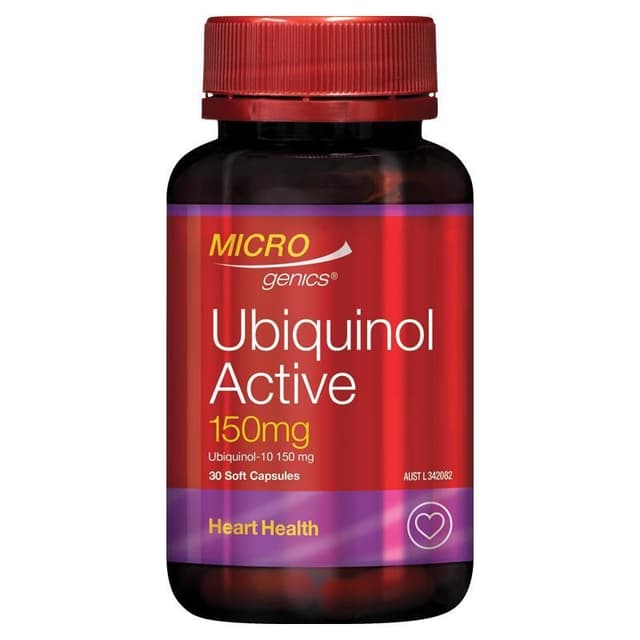
BrandMicrogenics Ubiquinol Active 150mg 30 Soft Capsules

Microgenics Ubiquinol Active 150mg 30 Soft Capsules

Active Ingredient: Ubiquinol-10 150mg Contains no added: Wheat, gluten, dairy products, egg, artificial flavours. Encapsulated in New Zealand from imported ingredients

Unit: 150mg | Pack: Capsule

USD $39.49

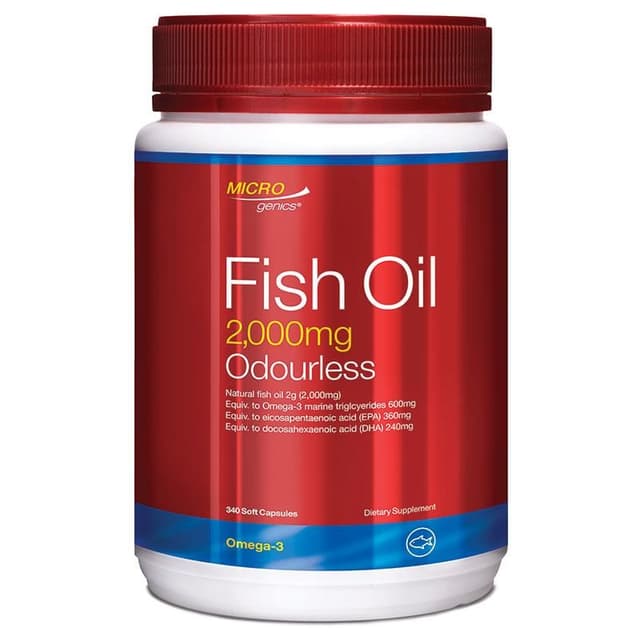
BrandMicrogenics Fish Oil 2000mg Odourless 340 Capsules

Microgenics Fish Oil 2000mg Odourless 340 Capsules

Active Ingredient: Natural fish oil - 2g (2,000mg) Equiv. to Omega-3 marine triglycerides - 600mg Equiv. to eicosapentaenoic acid (EPA) - 360mg Equiv. to docosahexaenoic acid (DHA) - 240mg

Unit: 2000mg | Pack: Capsule

USD $69.99

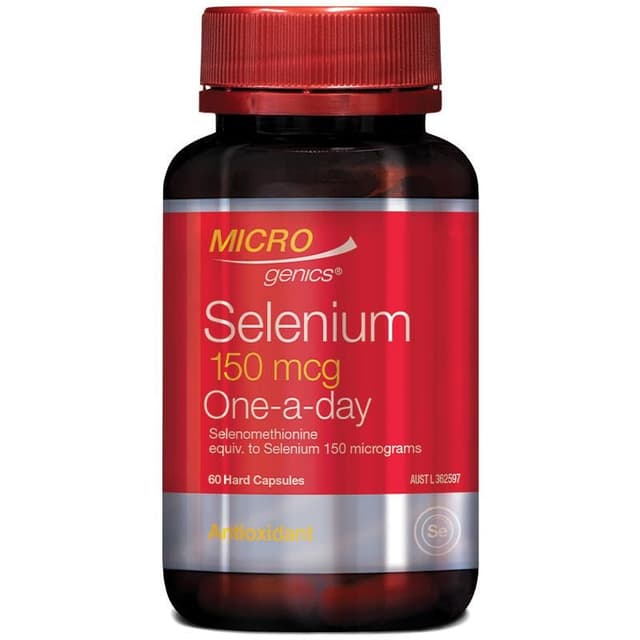
BrandMicrogenics Selenium 150mcg One A Day 60 Capsules

Microgenics Selenium 150mcg One A Day 60 Capsules

Active Ingredient: Selenomethionine 372.6 micrograms Equiv. to Selenium 150 micrograms

Unit: 60 capsules | Pack: Capsule

USD $18.49

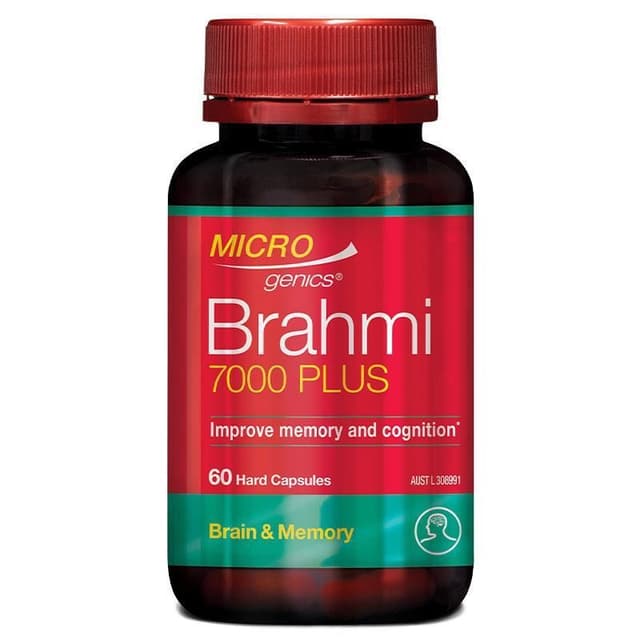
BrandMicrogenics Brahmi 7000 Plus 60 Capsules

Microgenics Brahmi 7000 Plus 60 Capsules

Active Ingredient: Extracts equiv. to dry: Bacopa monnieri (Brahmi) leaf - 7g (7,000mg) Ginkgo biloba (Ginkgo) leaf - 2g (2,000mg) Schisandra chinensis (Schisandra) fruit - 500mg Panax ginseng (Korean ginseng) root - 500mg

Unit: 60 capsules | Pack: Capsule

USD $22.49

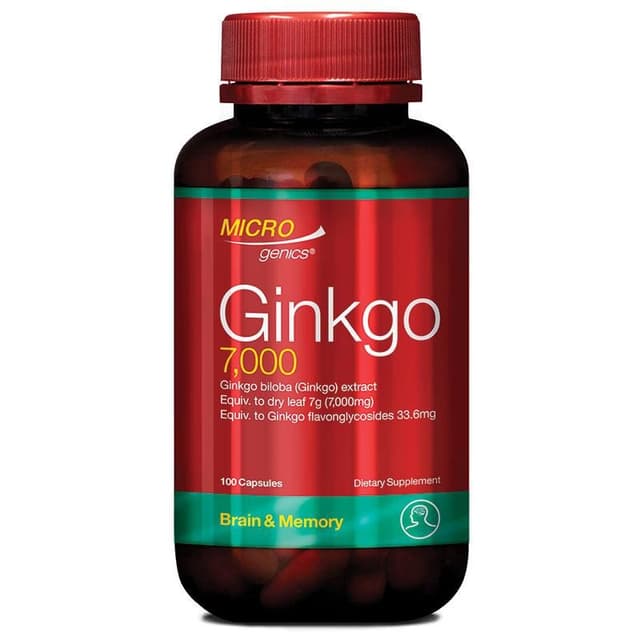
BrandMicrogenics Ginkgo 7000 100 Capsules

Microgenics Ginkgo 7000 100 Capsules

Active Ingredient: Ginkgo biloba (Ginkgo) dry extract Equiv. to dry leaf 7g (7,000mg) Equiv. to Gingko flavonglycosides - 33.6mg

Unit: 100 capsules | Pack: Capsule

USD $21.49

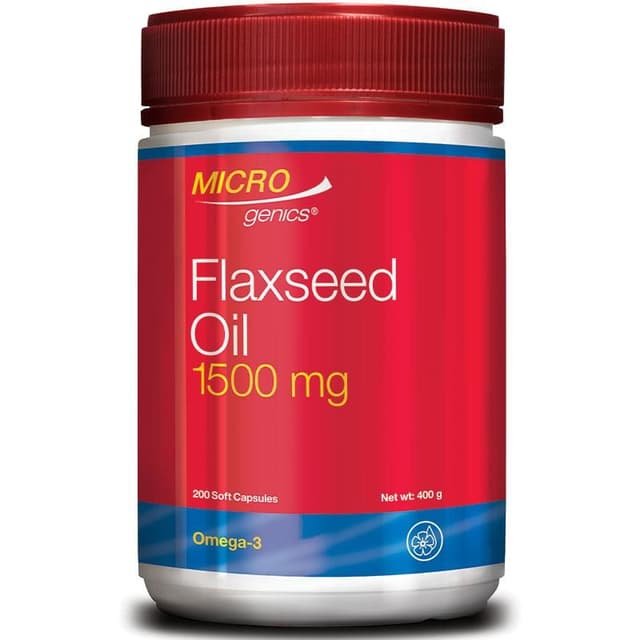
BrandMicrogenics Flaxseed Oil 1500mg 200 Capsules

Microgenics Flaxseed Oil 1500mg 200 Capsules

Active Ingredient: Organic Flaxseed Oil 1.5 g Organic Flaxseed Oil (75%), Gelatin, Glycerol, Water, Colour (Caramel)

Unit: 1500mg | Pack: Capsule

USD $28.99

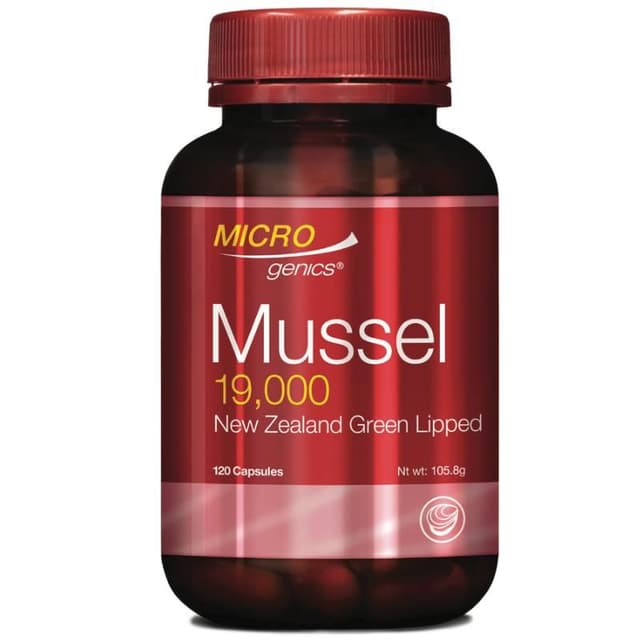
BrandMicrogenics Mussel 19000 New Zealand Green Lipped 120 Capsules

Microgenics Mussel 19000 New Zealand Green Lipped 120 Capsules

Unit: 120 capsules | Pack: Capsule

USD $28.49

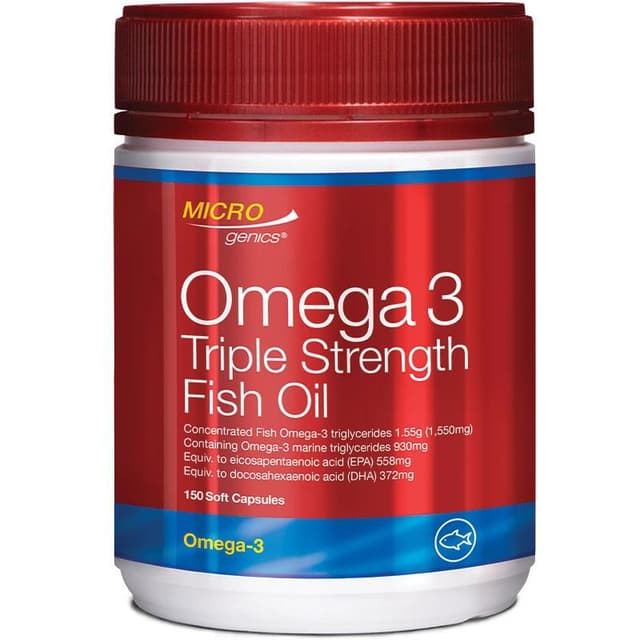
BrandMicrogenics Omega 3 Triple Strength Fish Oil 150 Capsules

Microgenics Omega 3 Triple Strength Fish Oil 150 Capsules

Active Ingredient: INGREDIENTS (per capsule) Concentrated Fish Omega-3 Triglycerides 1.55g (1,550mg) Containing Omega-3 marine triglycerides 930mg Equiv. to eicosapentaenoic acid (EPA) 558mg Equiv. to docosahexaenoic acid (DHA) 372mg

Unit: 150 capsules | Pack: Capsule

USD $56.49

More from Crestor

RxBrandCrestor

Crestor

Active Ingredient: Rosuvastatin Calcium

Unit: 30 | Pack: Other

USD $11.04

Health Guides

Health Guides Related to Crestor

A Safe Medication Schedule for Multiple Daily Doses

Sep 21, 2026

A Safe Medication Schedule for Multiple Daily Doses

Multiple daily doses turn an ordinary routine into a safety task. A missed tablet, an extra dose, or an over-the-counter product added without review can cause harm, especially for people managing heart disease, diabetes, transplants, epilepsy, or cancer treatment with prescription medications. A sa

Counterfeit Medicines: How to Spot Them Before the First Dose

Sep 19, 2026

Counterfeit Medicines: How to Spot Them Before the First Dose

Counterfeit medicines may contain the wrong substance, too little or no active ingredient, or harmful contaminants. Counterfeit drugs can look convincing, but appearance alone can't confirm authenticity. If a medicine seems suspicious: pause, and don't take or share it. Verify the pharmacy and pres

How to Read a Prescription Label Before Taking Your First Dose

Sep 18, 2026

How to Read a Prescription Label Before Taking Your First Dose

The first dose is when a prescription label deserves careful attention. A first-time user should verify the patient, medication identity, strength, dosage form, route, timing, warnings, and storage directions before taking it. Before taking prescription medicine, use the medication label to confirm

Medication Reconciliation Checklist After Hospital Discharge

Sep 17, 2026

Medication Reconciliation Checklist After Hospital Discharge

A hospital stay can leave patients with two conflicting medication lists, unfamiliar pills, and little time to sort out the differences. That confusion can threaten patient safety, especially for people taking insulin, anticoagulants, transplant medicines, oral cancer therapy, or several long-term p

Accessible Medication Packaging for Everyday Use

Sep 16, 2026

Accessible Medication Packaging for Everyday Use

A medicine container can become a daily barrier when a label is hard to read or a cap requires painful force to open, especially for people with inflammatory arthritis. Accessible medication packaging combines clear information, tactile cues, manageable opening methods, and safety features so people

How Caregivers Create a Medication Emergency Card

Sep 15, 2026

How Caregivers Create a Medication Emergency Card

An emergency department visit often begins with basic questions that become difficult under stress: What medicines does the person take? What caused a past allergic reaction? Which clinician and pharmacy can confirm the details? An emergency medical card is a wallet sized card with essential emergen

Diabetes Sick Day Rules for Prescription Medicines

Sep 14, 2026

Diabetes Sick Day Rules for Prescription Medicines

A routine cold, flu, or stomach illness can raise blood glucose even when appetite disappears. A written sick day plan helps prevent dehydration, severe low blood sugar, and diabetic ketoacidosis by setting out what to monitor, which prescription medicines need attention, and when to seek urgent car

Can an Online Pharmacy Fill an Out of State Prescription?

Sep 13, 2026

Can an Online Pharmacy Fill an Out of State Prescription?

An address change, a college semester, or an extended trip can turn a routine refill into a legal question. An out of state prescription can often be filled by an online pharmacy, but acceptance is never automatic. The decision depends on the medication category, the patient's location, licensing, p

Prescription Refill Insurance Change: How to Keep Medication on Track

Sep 11, 2026

Prescription Refill Insurance Change: How to Keep Medication on Track

An insurance switch can stop a routine refill at the pharmacy counter, even when the prescription remains valid. A prescription refill insurance change usually requires new plan details, a coverage check, and sometimes action from the prescriber before the medicine can be dispensed. Short answer: H

Prescription Delivery Privacy for Home Medication Orders

Sep 10, 2026

Prescription Delivery Privacy for Home Medication Orders

A medicine parcel can expose more than a delivery address. Labels, tracking alerts, driver apps, door photos, or a package left in view may reveal that someone receives prescription medicine. Patients can request plain or discreet packaging, use a private delivery address or secure pickup location,