
Medications That Lower Sodium: Symptoms and Risks
Written by: Waldrugmart Editorial Team
Reviewed by: Navdeep Singh, B.Pharm — Registered Pharmacist
Last reviewed:
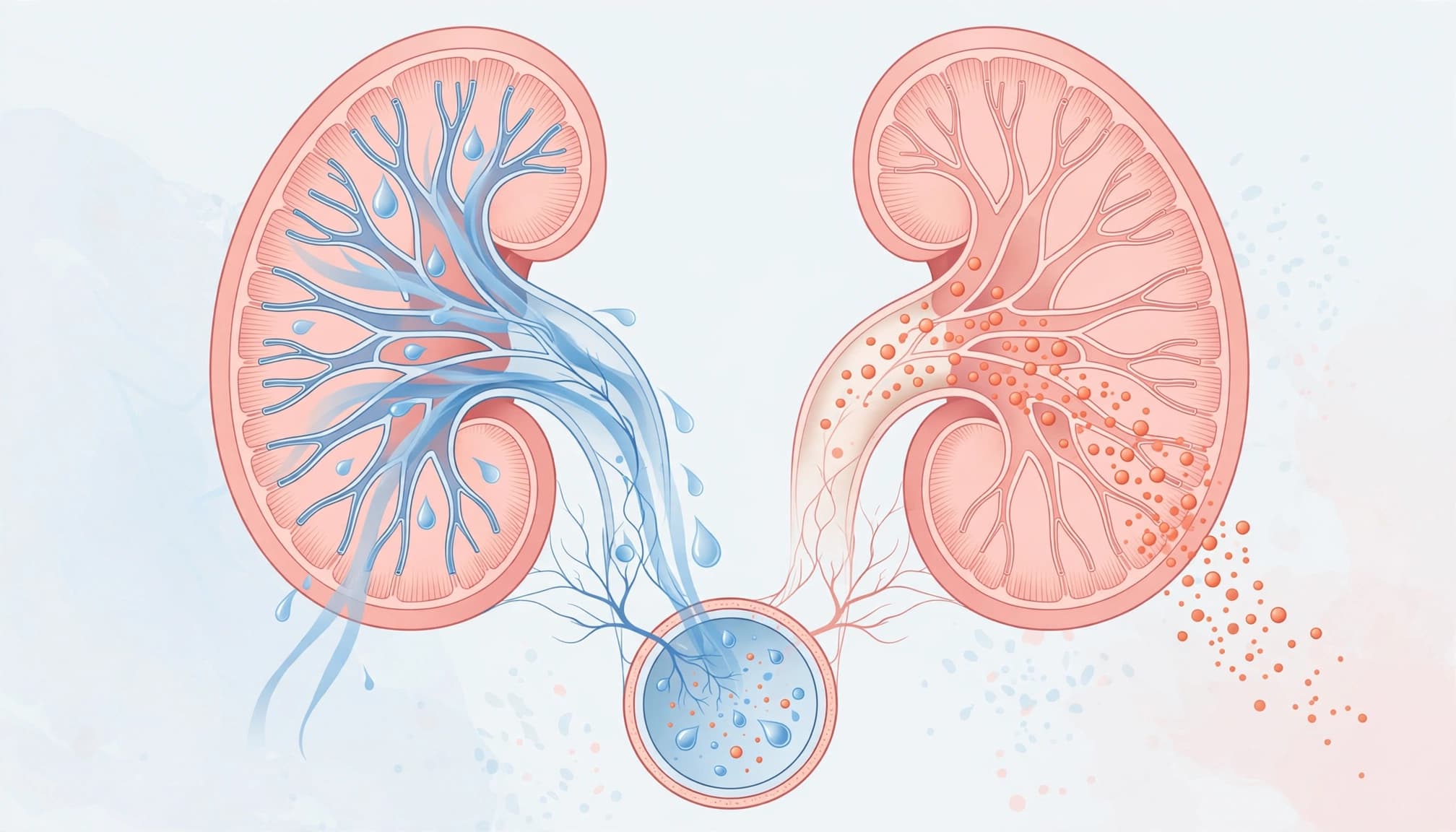
Thiazide diuretics, antidepressants and certain anticonvulsants are among the medications that lower sodium in the blood. They can cause sodium loss, water retention, or both, producing a condition called hyponatremia.
The danger depends on how quickly sodium levels fall, alongside the blood-test result. Early symptoms can resemble ordinary medication side effects, so assessment starts with the drug history, symptoms and laboratory findings.
Table of Contents
- Key takeaways
- What counts as low sodium?
- The main drug classes
- How medicines disrupt sodium balance
- Symptoms and risk factors
- Testing and monitoring
- Treatment and dietary sodium
- Affordable access
- Frequently asked questions
- The clinical takeaway
Key Takeaways
Thiazides are the leading drug cause of severe medication-related hyponatremia. Seizures, severe confusion or difficulty waking require emergency assessment.
Most drug-induced cases develop during the first weeks of treatment. However, established prescriptions can become unsafe after illness, dehydration or declining kidney function. Treatment must address the cause because sodium loss and water retention require different approaches.
What Counts as Low Sodium?
Hyponatremia means serum sodium below 135 mmol/L. Mild hyponatremia generally means 130 to 134 mmol/L; moderate means 125 to 129; profound means below 125. A result of 135 is outside the definition.
Some references describe the mild range as 130 to 135, but that wording overlaps the diagnostic boundary. Symptoms and the speed of decline remain important at every level.
The review Drug-Induced Hyponatremia reports hyponatremia in about 8% of community populations and 20% to 35% of hospital admissions. These figures include all causes, not medicines alone.
A comparison of clinical guidelines explains why assessment considers both severity and the underlying disturbance in water balance.
Medications That Lower Sodium: The Main Drug Classes
The main groups differ in their uses and effects on sodium balance.
| Drug group | Named examples | Typical risk pattern |
|---|---|---|
| Thiazide and thiazide-like diuretics | Hydrochlorothiazide, chlorthalidone, indapamide | Sodium loss and impaired water excretion |
| Loop diuretics | Furosemide | Sodium and volume loss, especially during illness |
| Antidepressants | Sertraline, fluoxetine, citalopram, venlafaxine | Water retention associated with SIADH |
| Anticonvulsants | Carbamazepine, oxcarbazepine | Increased antidiuretic activity |
| Potassium-sparing diuretics | Spironolactone, amiloride | Reduced renal sodium retention |
Thiazides deserve particular attention, although every group requires assessment in context.
Diuretics account for many severe cases
Thiazides treat hypertension; loop diuretics commonly treat fluid overload. The Drug-Induced Hyponatremia review reports thiazides and thiazide-like drugs in 22.6% of severe cases, often within fixed-dose combinations. Loop diuretics accounted for 9.2%.
Loops are less likely than thiazides to produce the classic impaired-dilution pattern. However, excessive fluid and sodium loss can still cause hyponatremia.
Psychiatric and neurological medicines also matter
SSRIs and venlafaxine can promote inappropriate antidiuretic activity. Tricyclic antidepressants and monoamine oxidase inhibitors also carry risk.
The review attributes about 9.3% of SIADH cases to antidepressants. It reports anticonvulsants and antipsychotics together at about 8.7%. Carbamazepine and oxcarbazepine are well-recognized causes, particularly in older adults. These reported proportions aren't the probability that an individual patient will develop hyponatremia.
How Medicines Disrupt Sodium Balance
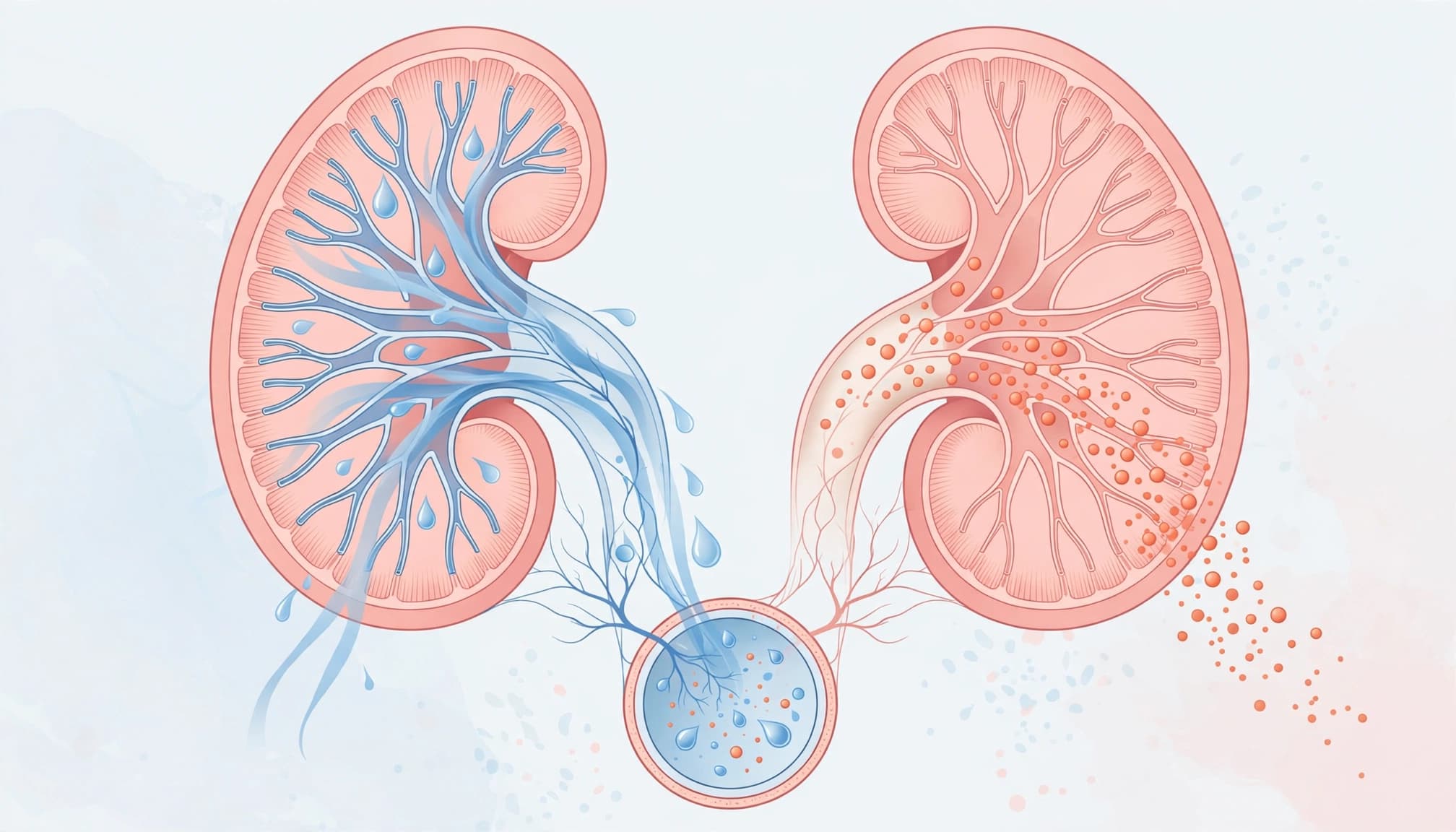
Sodium loss can reduce circulating volume
Hypovolemic hyponatremia develops when sodium loss exceeds water loss. Diuretics can cause this directly; vomiting or diarrhea can add to the problem.
The review describes approximately 70% of severe drug-induced cases as hypovolemic, mostly associated with diuretics, and about 30% as SIADH. These proportions describe reported cases rather than every clinical setting.
ACE inhibitors and angiotensin receptor blockers can suppress aldosterone. Aldosterone normally signals the kidneys to retain sodium, and spironolactone blocks aldosterone receptors. Amiloride reduces sodium reabsorption through kidney channels. These effects can contribute to sodium loss, although their risk differs from thiazides.
SIADH causes disproportionate water retention
SIADH means syndrome of inappropriate antidiuretic hormone secretion. Antidiuretic hormone, also called vasopressin, tells the kidneys to conserve water.
Medicines can stimulate hormone release or lower the threshold that triggers it. Some also increase the kidney's response. Retained water then dilutes serum sodium, often without obvious swelling or dehydration. Clinicians call this pattern euvolemic hyponatremia.
Symptoms and Risk Factors
Symptoms range from subtle changes to emergencies
Early symptoms include nausea, headache, fatigue, muscle weakness and difficulty concentrating. Persistent low sodium can also cause unsteadiness and falls, particularly in older adults.
Seizures, severe confusion, markedly reduced consciousness or difficulty waking require emergency care. Rapidly worsening neurological symptoms also warrant emergency assessment, regardless of the last sodium result. A rapid fall can cause brain swelling before the number becomes extremely low.
Age, illness and combinations increase susceptibility
Older adults have less capacity to excrete excess water. Kidney disease, multiple illnesses and polypharmacy add risk. Female sex, low body mass and a previous episode also warrant attention.
Most cases appear within the first weeks after treatment begins. Selected drug combinations can raise risk up to ten-fold, although that increase doesn't apply to every combination.
Extra water can worsen dilution. Persistent medication-related dry mouth can therefore complicate fluid advice when it encourages frequent drinking. Fluid recommendations need to reflect the patient's sodium balance and underlying condition.
Testing and Monitoring
Assessment begins with a repeat sodium measurement when appropriate, blood glucose, kidney function and serum osmolality. High glucose can lower measured sodium through a different mechanism.
If blood is hypotonic, clinicians assess urine osmolality and urine sodium alongside fluid status. Hyponatremia diagnostic guidance explains this sequence. Concentrated urine suggests ongoing antidiuretic activity, but diuretics can complicate urine-sodium interpretation.
Thyroid testing and assessment for adrenal insufficiency may help exclude conditions that resemble SIADH. A recent prescription doesn't establish causation by itself.
The medication history should include dose changes, combination tablets, supplements and nonprescription products such as ibuprofen or naproxen. Our medication reconciliation after discharge guidance addresses discrepancies that can leave unintended combinations in place.
Higher-risk patients often need baseline sodium and early repeat testing. The schedule depends on the medicine, kidney function, previous results and symptoms.
Treatment and Dietary Sodium
Treatment follows the cause and symptoms
A prescriber may withhold, reduce or replace the suspected medicine. Abruptly stopping antidepressants or anticonvulsants without clinical direction can cause withdrawal, relapse or seizures.
Volume-depleted patients may need saline. SIADH may require fluid restriction or other treatment. Severe neurological symptoms can require closely monitored hypertonic saline. A clinical treatment review describes why management depends on the underlying physiology.
Correcting sodium too rapidly can cause osmotic demyelination syndrome, a serious brain injury. Hospital teams therefore monitor the correction rate closely.
For non-emergency medication questions, our pharmacist consultation service supports a structured review of medicines, symptoms and interactions.
Lower dietary sodium has a different purpose
Dietary sodium reduction can improve blood pressure without necessarily causing low blood sodium. Serum sodium reflects water balance as well as sodium content.
A 2024 meta-analysis in Hypertension included 35 trials and 2,885 participants. Each 100 mmol reduction in 24-hour urinary sodium was associated with a 6.81 mm Hg fall in systolic pressure.
However, substantial dietary restriction can add risk in susceptible thiazide users, particularly alongside low food intake or excess water. The evidence doesn't support abandoning blood-pressure treatment or prescribing extra salt universally. Potassium-based salt substitutes also carry separate risks with kidney disease and potassium-raising medicines.
How to Access Prescription Treatment Affordably
Costs depend on the medicine, strength, formulation, insurance coverage and dispensing market. Local and international comparisons should include the total pack price, shipping charges and the cost of laboratory monitoring.
USA, UK and Australian supply routes have different pricing and import rules. Global sourcing doesn't remove prescription requirements or destination-country restrictions.
Our Online Pharmacy supports prescription submission and pharmacist review before eligible dispensing. Home delivery can improve continuity for people facing mobility or distance barriers, but it doesn't replace blood tests or urgent assessment.
The safest cost-saving option preserves the prescribed treatment plan and necessary monitoring rather than encouraging unsupervised substitution.
Frequently Asked Questions
Can low sodium develop after years on the same medicine?
Yes. A stable prescription can become a problem after declining kidney function, vomiting, diarrhea, reduced food intake or another medicine. These changes alter water handling and sodium balance. Previous normal results don't rule out a new episode, particularly when symptoms or illness develop.
Is eating more salt enough to correct hyponatremia?
Extra salt alone doesn't reliably correct medication-related hyponatremia. SIADH involves excess retained water, while other cases involve volume depletion or underlying disease. The appropriate treatment depends on laboratory findings and symptoms. Unsupervised salt loading can also worsen hypertension, swelling or heart failure in susceptible patients.
Should an antidepressant be stopped if sodium is low?
The prescriber should assess the result, symptoms and likely cause before changing treatment. Severe symptoms require emergency care. In other cases, clinicians may adjust treatment or select an alternative. Abrupt discontinuation can cause withdrawal symptoms or psychiatric relapse, so changes need a coordinated clinical plan.
Does tolvaptan raise blood sodium?
Tolvaptan is a vasopressin receptor antagonist that blocks V2 receptors and increases water excretion. It can raise serum sodium in selected patients. MedlinePlus states that treatment must begin in hospital with close monitoring. Overly rapid correction can cause osmotic demyelination syndrome. Tolvaptan isn't an appropriate treatment for every cause of hyponatremia.
Are generic medicines less safe for sodium balance?
Sodium risk depends mainly on the active ingredient, dose, other medicines and patient factors. An approved generic with the same active ingredient carries the same relevant sodium warning as its brand-name counterpart. Switching brands alone doesn't remove that risk or eliminate the need for monitoring.
The Clinical Takeaway
Medications that lower sodium often provide substantial benefits for blood pressure, mental health or seizure control. A low result calls for cause-based assessment, with attention to symptoms, water balance and the complete medicine list.
This information is for educational purposes only. Consult a licensed healthcare provider about symptoms or treatment changes.
The central safety issue is recognizing the disturbance early while preserving useful treatment wherever possible.