
PARP Inhibitors for Ovarian Cancer: Uses and Monitoring
Written by: Waldrugmart Editorial Team
Reviewed by: Navdeep Singh, B.Pharm — Registered Pharmacist
Last reviewed:
PARP inhibitors are oral medicines and a form of targeted therapy used mainly as maintenance therapy after a response to platinum chemotherapy for ovarian cancer. Tumor genetics, previous treatment, and blood-count recovery help determine who qualifies.\n\nThese medicines can delay cancer progression, but benefits and risks differ across patients. Treatment requires biomarker testing, regular laboratory monitoring, and a clear plan for managing side effects.
Table of Contents
Key takeaways · How treatment works · Eligibility and testing · Drug comparison · Clinical evidence · Taking treatment · Monitoring · Costs · FAQs
Key Takeaways
- BRCA and HRD testing guide treatment selection, but inherited and tumor testing answer different questions.
- Olaparib, niraparib and rucaparib have different eligibility rules and safety profiles.
- Blood tests and clinician-directed dose adjustments are part of treatment, even when tablets are taken at home.
How PARP Inhibitors Work
What does PARP normally do?
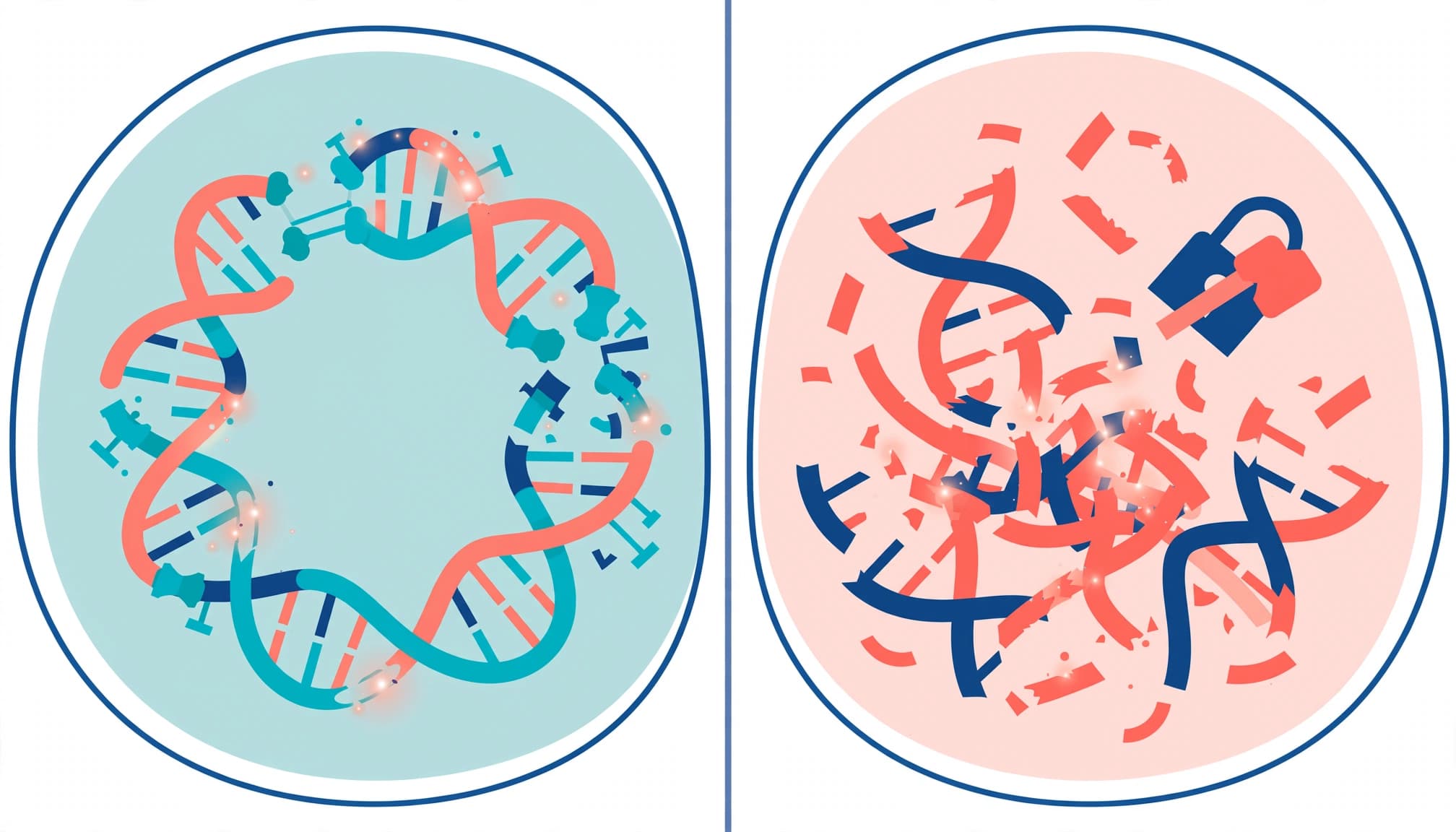
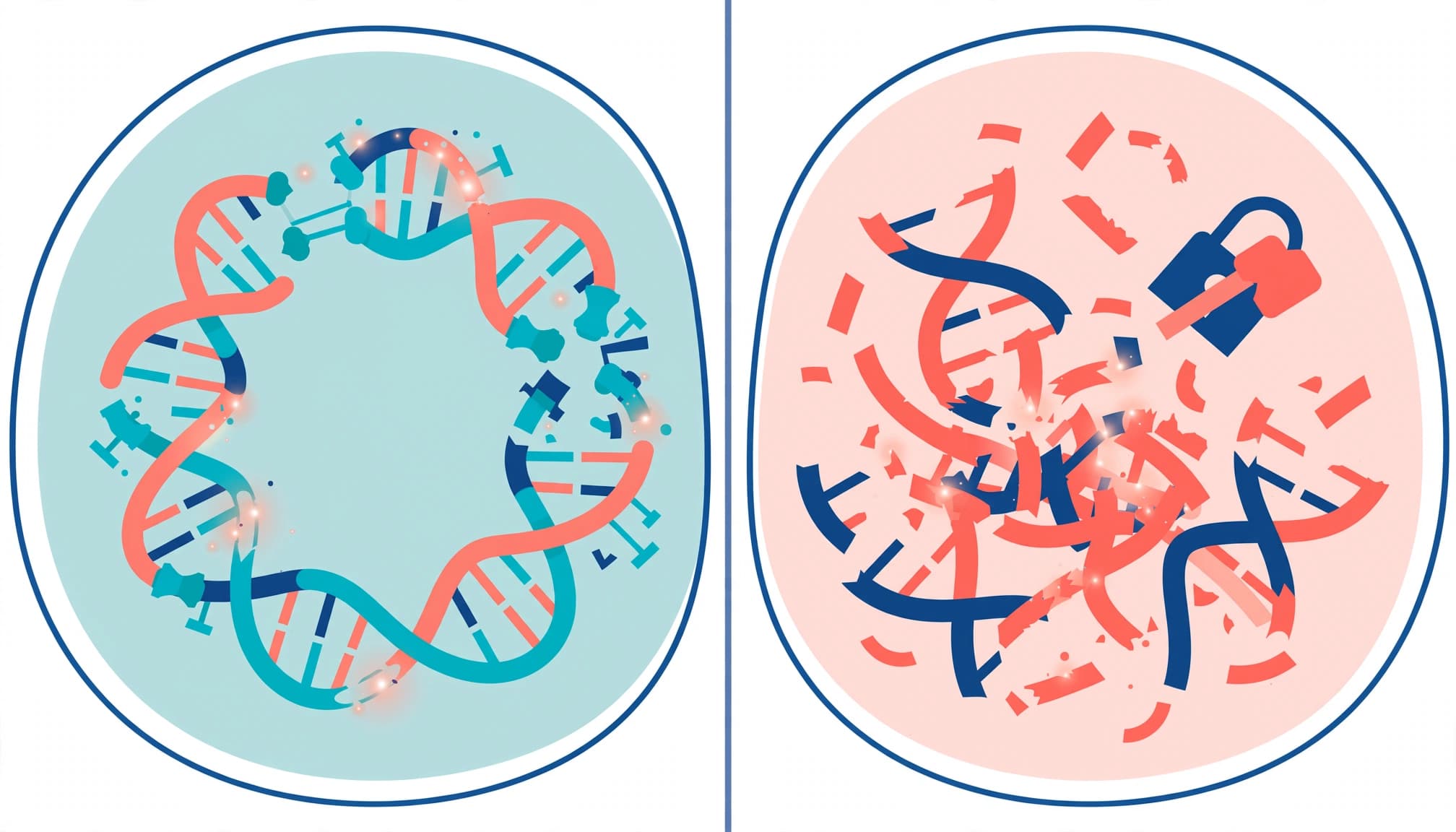
PARP, short for poly(ADP-ribose) polymerase, is a protein involved in repairing damaged DNA. PARP inhibitors block this repair activity and can trap PARP on DNA, creating further damage as cells divide.
The American Cancer Society explains this DNA-repair treatment mechanism in its ovarian cancer guidance.
Why are BRCA-deficient cells vulnerable?
BRCA1 and BRCA2 support another repair system, called homologous recombination. When that system already fails, the loss of both repair routes can leave cancer cells unable to survive accumulating DNA damage.
Researchers call this combination synthetic lethality. However, healthy cells can also suffer treatment effects, particularly blood-forming cells in bone marrow.
Who Qualifies for PARP Inhibitors for Ovarian Cancer?
First-line maintenance is commonly considered for advanced ovarian cancer after a complete or partial response to platinum-based chemotherapy. This includes stage III-IV high grade serous ovarian cancer. Related fallopian-tube and primary peritoneal cancers may also qualify under relevant indications; selected maintenance regimens may include bevacizumab.
What do BRCA and HRD tests involve?
Inherited, or germline, BRCA testing uses blood or saliva. Tumor testing examines cancer tissue and can identify BRCA changes that aren't inherited.
HRD testing assesses homologous recombination deficiency and related tumor DNA patterns, including BRCA changes. The FDA describes the myChoice HRD diagnostic test. Results generally take several weeks, depending on tissue availability and laboratory processing.
A negative inherited BRCA result doesn't exclude a tumor-only mutation. Likewise, HRD-negative doesn't mean cancer is absent; it changes the expected benefit and available treatment pathways.
How does recurrence change eligibility?
Platinum-resistant recurrence conventionally means cancer returns within six months after carboplatin or cisplatin finishes. A later recurrence may remain platinum-sensitive, although the interval alone doesn't determine treatment.
Recurrent maintenance may follow a response to platinum treatment in platinum-sensitive relapsed disease. This differs from second-line treatment for active recurrence. Eligibility depends on the disease setting and current local approvals. US indications have narrowed, so older descriptions of PARP treatment for all recurrent ovarian cancers are unreliable. Previous PARP exposure also affects whether another course makes sense.
How the Three Drugs Differ
The three PARP inhibitors approved for ovarian cancer are olaparib, niraparib and rucaparib, but their approved settings aren't interchangeable.
| Drug | Main ovarian cancer role | Distinct monitoring concern |
|---|---|---|
| Olaparib (Lynparza) | BRCA-mutated first-line maintenance; with bevacizumab for HRD-positive disease; BRCA-mutated recurrent maintenance | Anemia, interactions and kidney function |
| Niraparib (Zejula) | First-line maintenance; US recurrent maintenance requires a germline BRCA mutation | Low platelets, blood pressure and pulse |
| Rucaparib (Rubraca) | US maintenance for BRCA-mutated recurrent disease after platinum response | Blood counts and liver enzymes |
First-line rucaparib trial results don't establish FDA approval for that setting. Guideline recommendations and approvals also differ between countries.
For first-line niraparib, the individualized starting dose is 200 mg daily when weight is below 77 kg or platelets are below 150,000/mm³. Otherwise, the starting dose is 300 mg daily. These rules don't replace a prescription.
What the Major Trials Found
A review of clinical evidence brings together the major studies. Progression-free survival (PFS) measures time before cancer worsens or death occurs.
The clinical trials enrolled different populations, so their results don't rank one drug against another.
| Trial | Median PFS, treatment versus control | Hazard ratio |
|---|---|---|
| SOLO1, olaparib, BRCA-mutated | Initially not reached versus 13.8 months; five-year update: 56.0 versus 13.8 months | 0.30 initially |
| PRIMA, niraparib, HRD-positive | 21.9 versus 10.4 months | 0.43 |
| PRIMA, overall population | 13.8 versus 8.2 months | 0.62 |
| ATHENA-MONO, rucaparib, HRD-positive | 28.7 versus 11.3 months | 0.47 |
| ATHENA-MONO, overall population | 20.2 versus 9.2 months | 0.52 |
A lower hazard ratio favors treatment, but doesn't describe an individual patient's chance of benefit.
PAOLA-1 randomized 806 patients and supported olaparib plus bevacizumab maintenance for HRD-positive disease after first-line platinum chemotherapy with bevacizumab. For eligible HRD-positive patients, the evaluated regimen added olaparib to bevacizumab maintenance.
In SOLO1's descriptive overall-survival analysis, median survival wasn't reached with olaparib versus 75.2 months with placebo, with a hazard ratio of 0.55. This analysis requires caution; delaying progression doesn't automatically establish longer overall survival for every regimen or population.
Taking Treatment and Deciding When to Stop
When does treatment start?
PARP inhibitors are taken as oral tablets at home. Treatment commonly begins within 8 to 12 weeks after chemotherapy, depending on the regimen and recovery.
Olaparib and rucaparib generally require twice-daily dosing; niraparib is once daily. Tablets should remain intact. Guidance on safe handling at home also covers caregiver exposure and storage.
The prescribing team reviews other medicines and supplements for interactions. Pregnancy prevention and breastfeeding restrictions require discussion before treatment.
How long does maintenance last?
First-line olaparib usually continues for up to two years. Niraparib commonly continues for up to three years under guideline-based plans, although duration depends on the treatment setting and clinical circumstances.
Recurrent maintenance often continues until progression or unacceptable toxicity. After treatment stops, surveillance continues through symptom review, examinations, blood markers and imaging when appropriate. Stopping tablets doesn't mean cancer follow-up ends.
Side Effects and Monitoring
Which effects are common?
Nausea, fatigue, anemia, bruising or bleeding, diarrhea, constipation, indigestion and headaches can occur. Low white-cell counts increase infection risk. High blood pressure is particularly important with niraparib.
Many symptoms ease during the first three months. Clinician-directed dose modification, including treatment holds or reductions, can improve tolerability without necessarily reducing treatment benefit. Persistent nausea or fatigue that affects daily activities should be reported to the oncology team. Long-term safety evidence also addresses uncommon but serious bone-marrow disorders, including myelodysplastic syndrome and acute myeloid leukemia.
What testing and symptoms matter?
Monitoring includes complete blood counts, kidney function and liver function. Olaparib blood counts are checked before treatment and monthly. Niraparib requires weekly counts during the first month, monthly during the next 11 months, then as needed. Blood pressure and pulse also need regular assessment.
Worsening fatigue can be associated with anemia, and persistent nausea may need clinical review. Fever of 38°C or above, unusual bleeding, marked weakness, or new breathlessness requires prompt oncology contact. Severe breathing difficulty or uncontrolled bleeding needs emergency assessment. Persistent low counts require investigation rather than repeated reassurance.
Normal blood results don't rule out a developing complication. New symptoms matter between scheduled appointments.
How to Access PARP Inhibitors Affordably
US insurance copayments aren't directly comparable with international cash prices. UK NHS access and Australia's PBS arrangements also change what eligible patients pay.
Our listed price for olaparib 150 mg tablets is USD $718.80 for 60 tablets. At the standard 300 mg twice-daily regimen, that quantity covers 15 days, not a month. The listed 100 mg, 60-tablet pack costs USD $522.00, but a lower strength isn't automatically a cheaper treatment plan.
Comparisons must match ingredient, strength, formulation, quantity and prescribed daily dose. Shipping, including medicine delivery costs to the USA, can change the final total. Pack-price differences alone don't establish savings.
International sourcing doesn't remove prescription requirements or destination-country import restrictions. An online pharmacy should provide licensed dispensing, identifiable products and pharmacist support; home delivery doesn't replace oncology monitoring.
Our prescription upload service supports pharmacy review. Questions about prescription documents or online medicine home delivery can also go through our Online Pharmacy. Availability and clinical suitability remain separate decisions.
Frequently Asked Questions
Are PARP inhibitors chemotherapy or immunotherapy?
PARP inhibitors are targeted cancer therapy drugs. They interfere with DNA repair rather than stimulating the immune system, as immunotherapy does. They also differ from conventional chemotherapy, although both can lower blood counts. Taking cancer medicine orally doesn't make it mild or suitable without specialist supervision.
Can patients without an inherited BRCA mutation benefit?
Yes, some can. Tumor testing may identify a BRCA mutation that isn't inherited, while HRD testing may reveal another relevant repair defect. However, benefit and eligibility depend on the drug, disease setting and local approval. Negative inherited testing alone doesn't settle the treatment decision.
Does a longer progression-free period mean longer life?
A longer progression-free period means the cancer remained controlled longer under the trial's definition. Overall survival measures a different outcome: time until death from any cause. Some PARP studies show encouraging survival findings, but results differ, and a progression benefit doesn't guarantee longer life.
What alternatives to PARP maintenance are available?
Depending on prior treatment and disease characteristics, alternatives include observation or bevacizumab. Bevacizumab is a monoclonal antibody that blocks VEGF, a signal involved in blood-vessel formation. Maintenance usually involves an intravenous infusion every three weeks. Its risks include hypertension, protein in urine and uncommon bowel complications.
How long do PARP inhibitors stay in the body?
Most PARP inhibitor medicine clears within roughly three to ten days after the last dose, depending on the drug and kidney or liver function. Side effects can last longer, however. Blood-count recovery and pregnancy-prevention requirements follow separate timelines, so clearance doesn't end every safety precaution.
Maintenance Requires Continuing Clinical Oversight
PARP inhibitors can produce substantial periods of disease control, particularly when tumor biology predicts benefit. Their use depends on appropriate selection and monitoring, with affordability assessed against the complete prescribed regimen.
This information is for educational purposes only. Consult a licensed healthcare provider for treatment decisions, dose changes and concerning symptoms.