
Potassium Salt Substitutes and Blood Pressure Medicines

Potassium salt substitutes can lower sodium intake and blood pressure, but some hypertension medicines make the extra potassium unsafe. The main concern is hyperkalemia, an elevated blood potassium level that can disturb the heart's rhythm.
Safety depends on kidney function, the complete medication list, and blood test results. A product labeled "low sodium" can still carry an important drug interaction.
Safety answer: People taking ACE inhibitors, ARBs, or potassium-sparing diuretics need clinical review before using potassium-containing salt substitutes, especially when kidney function is reduced.
Key Takeaways
- Replacing some sodium chloride with potassium chloride can help lower blood pressure in suitable adults.
- Ramipril, perindopril, losartan, and spironolactone are among the medicines that can increase potassium.
- High potassium may cause no symptoms, so feeling well doesn't establish safety.
- Herbs, spices, and lower-sodium food choices can reduce salt intake without adding concentrated potassium.
Table of Contents
- What potassium salt substitutes contain
- Which blood pressure medicines raise potassium
- What clinical trials show
- Who needs extra caution and monitoring
- Reducing sodium without adding potassium
- Accessing blood pressure treatment affordably
- Frequently asked questions
- The safety decision depends on potassium handling
What Potassium Salt Substitutes Contain
Ordinary table salt is sodium chloride. Potassium-based substitutes replace some or all of that sodium chloride with potassium chloride, which also tastes salty. However, the proportions differ between products.

These products usually appear in grocery aisles rather than prescription packaging. That can obscure their clinical importance: a seasoning can add potassium that interacts with treatment.
The ingredient list identifies potassium chloride, while nutrition information shows sodium and potassium per serving. "Reduced sodium" doesn't mean potassium-free, and a salt substitute isn't equivalent to an ordinary herb blend.
Potassium supports nerve signals and muscle contraction. Healthy kidneys generally remove excess potassium through urine. However, impaired kidneys or potassium-raising medicines can limit that removal.
The potential benefit comes from reducing sodium intake while increasing potassium in people who can excrete it safely. Adding a substitute without reducing ordinary salt also weakens the intended sodium reduction.
Which Blood Pressure Medicines Raise Potassium?
Blood pressure medicines affect potassium differently. The class and active ingredients matter more than the brand name.
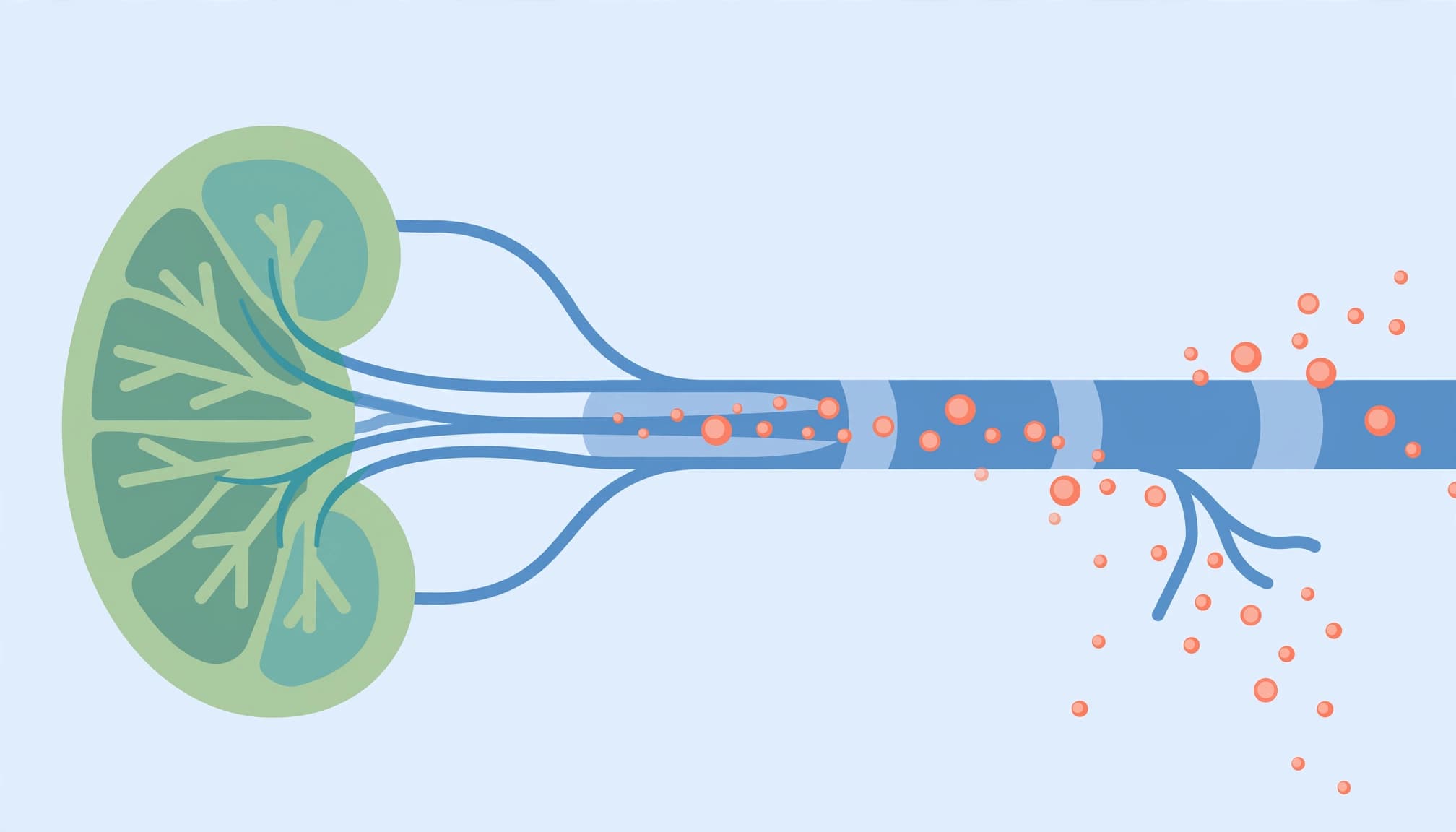
These common classes illustrate the differences.
| Medicine class | Examples | Potassium effect |
|---|---|---|
| ACE inhibitors | Ramipril, perindopril, lisinopril | Can raise potassium |
| ARBs | Losartan, valsartan | Can raise potassium |
| Potassium-sparing diuretics | Spironolactone, amiloride | Reduce potassium loss |
| Thiazide-type diuretics | Hydrochlorothiazide, indapamide | Often lower potassium |
| Calcium channel blockers | Amlodipine | Usually little direct effect |
A potassium-lowering medicine doesn't automatically cancel the effect of another ingredient.
ACE inhibitors and ARBs
ACE inhibitors reduce angiotensin II production. ARBs block its action. Both can reduce aldosterone signaling, which normally helps the kidneys excrete potassium.
Consequently, a potassium-containing seasoning can add to their potassium-raising effect. The Johns Hopkins ACE inhibitor guidance identifies potassium salts as an interaction requiring monitoring.
Our ramipril safety information also addresses potassium supplements and potassium-containing salt substitutes. The concern is greater when kidney function is impaired or several potassium-raising products overlap.
Diuretics and combination tablets
Spironolactone blocks aldosterone, while amiloride reduces potassium loss through another kidney mechanism. Both can increase potassium.
Meanwhile, combination tablets require attention to every ingredient. Perindopril and amlodipine combination therapy contains an ACE inhibitor even though amlodipine itself usually has little direct potassium effect.
Similarly, a tablet containing an ACE inhibitor and a thiazide-type diuretic doesn't establish a predictable potassium balance. Blood tests determine the net effect.
What Clinical Trials Show About Benefits and Risks
Evidence supports salt substitution for selected populations, but trial eligibility matters when interpreting safety.
Blood pressure and stroke benefits
A 2022 systematic review pooled 21 trials involving 31,949 participants. Salt substitutes reduced systolic blood pressure by an average of 4.61 mm Hg and diastolic pressure by 1.61 mm Hg.
The Salt Substitute and Stroke Study enrolled 20,995 people across 600 rural Chinese villages. Stroke rates were 29.14 per 1,000 person-years with substitute salt, compared with 33.65 with regular salt.
The 2025 AHA/ACC hypertension guideline recognizes potassium-based salt substitutes as an option to help prevent or treat elevated blood pressure.
Why the safety findings have limits
In the Chinese trial, serious events attributed to hyperkalemia occurred at similar rates in both groups. However, the study excluded people with known kidney disease and those using potassium-sparing diuretics or potassium supplements.
That exclusion matters. The results don't establish safety for patients whose kidneys or medicines already reduce potassium excretion.
The evidence supports a dietary option for suitable patients. It doesn't support an unrestricted switch across everyone receiving hypertension treatment, nor does it justify reducing prescribed medicine without clinical assessment.
Who Needs Extra Caution and Monitoring?
Kidney impairment, previous hyperkalemia, and overlapping potassium-raising medicines are major concerns. Heart failure and diabetes also matter when they coexist with kidney disease or relevant treatment.
A review of the 2025 hypertension guideline highlights caution with potassium-based salt substitution in severe chronic kidney disease.
Blood tests matter more than symptoms
Serum potassium measures potassium in the blood. Creatinine and estimated glomerular filtration rate help assess kidney function.
Clinicians use these results, medication doses, and recent changes to determine suitability and follow-up. For example, FDA-approved spironolactone labeling calls for potassium testing within one week after treatment starts or the dose increases, followed by regular monitoring.
High potassium can develop without obvious symptoms. Palpitations, fainting, chest pain, or severe weakness require urgent medical assessment.
Illness and other medicines can change risk
Vomiting, diarrhea, and dehydration can impair kidney function and alter medication safety. Fluid advice needs individualization, particularly for people with heart failure or prescribed fluid restrictions.
Ibuprofen and naproxen can also impair kidney function, especially alongside ACE inhibitors or ARBs and diuretics. Potassium supplements, electrolyte powders, and medicines such as trimethoprim belong in the same medication review.
This information is for educational purposes only and doesn't replace medical advice. Consult a licensed healthcare provider before introducing a potassium-containing substitute or changing prescribed treatment.
Reducing Sodium Without Adding Potassium
Potassium salt substitutes are only one approach to sodium reduction. Herbs, garlic, lemon juice, vinegar, and potassium-free spice blends can add flavor without potassium chloride.
However, commercial seasoning blends may contain ordinary salt or potassium chloride. Their names alone don't establish their composition.
Reducing sodium in packaged foods also matters. Bread, processed meats, sauces, and prepared meals can contribute sodium that changing the salt shaker won't address. Comparing sodium per equivalent serving helps distinguish products.
Potassium in ordinary food needs separate consideration. Taking an ACE inhibitor doesn't automatically require avoiding fruit, vegetables, or other potassium-containing foods. Dietary restrictions depend on potassium results, kidney function, and clinical advice.
This distinction protects against unnecessary dietary restriction while addressing concentrated potassium sources.
Accessing Blood Pressure Treatment Affordably
For long-term hypertension care, affordability depends on continued access to the prescribed medicine and necessary monitoring. A cheaper tablet doesn't remove the need for potassium and kidney-function testing.
Generic medicines may reduce costs when an appropriate equivalent is available. However, replacing one drug class with another is a prescribing decision because their potassium effects can differ.
Our Online Pharmacy fulfills prescription medicine through directly contracted licensed wholesale pharmacies and requires a valid prescription. Pharmacy review can help identify a potassium-related interaction before a refill or dietary change.
Local and international costs
In the USA, Australia, and the UK, insurance coverage, public subsidy rules, strength, and pack size affect personal costs. International sourcing can also introduce shipping charges and import requirements. A pharmacy license in one country doesn't override another country's import rules.
Home delivery and continuity
For patients using online medicine home delivery, the total cost includes medicine, shipping, and required care. Delivery arrangements also need to support continuity, particularly where rural access or mobility limits make refills difficult. Delayed supplies shouldn't lead to self-directed dose changes.
Frequently Asked Questions
Can potassium salt substitutes be used with ramipril?
Ramipril can raise blood potassium because it reduces aldosterone signaling. A potassium-containing salt substitute can increase that effect. Use requires assessment of kidney function, potassium results, and other medicines. Existing high potassium or impaired kidney function makes the combination more concerning; a normal blood pressure reading doesn't establish safety.
What side effects can too much potassium cause?
Elevated potassium may cause muscle weakness, tingling, nausea, or abnormal heart rhythms, but it can also cause no symptoms. Severe weakness, fainting, chest pain, or palpitations need urgent assessment. Blood testing detects potassium changes more reliably than symptoms, so feeling well doesn't replace scheduled monitoring.
Is there a universally safe daily amount?
There isn't one amount that is safe for everyone. Products contain different proportions of potassium chloride, and the body handles potassium differently depending on kidney function and medicines. Serving-size information describes exposure, but it doesn't establish an individual safe limit. Clinical assessment is necessary for people with risk factors.
Are potassium salt substitutes available without a prescription?
Many are sold as grocery products without a prescription. Their retail availability doesn't establish suitability alongside prescription drugs. Prices depend on formulation, package size, and market, so there isn't a single standard cost. The relevant comparison also includes whether a potassium-free seasoning would meet the same dietary need.
What alternatives are available when potassium chloride is unsuitable?
Potassium-free herbs, spices, citrus, and vinegar can replace some added salt. Choosing lower-sodium packaged foods can reduce intake beyond home seasoning. These changes can complement prescribed treatment, but they don't justify stopping medicine. People with kidney disease may also need individualized dietary advice rather than broad food exclusions.
The Safety Decision Depends on Potassium Handling
Potassium salt substitutes have measurable blood pressure benefits in suitable populations. Their safety depends on potassium excretion, the medicines involved, and current kidney function.
A seasoning change can therefore require the same attention as a supplement: ingredient review, an assessment of interactions, and appropriate blood testing. The distinction between benefit and harm often rests on those clinical details, which a "low sodium" label cannot convey.