
Udiliv (Ursodeoxycholic Acid): Uses, Dosing, Side Effects, and Refill Safety

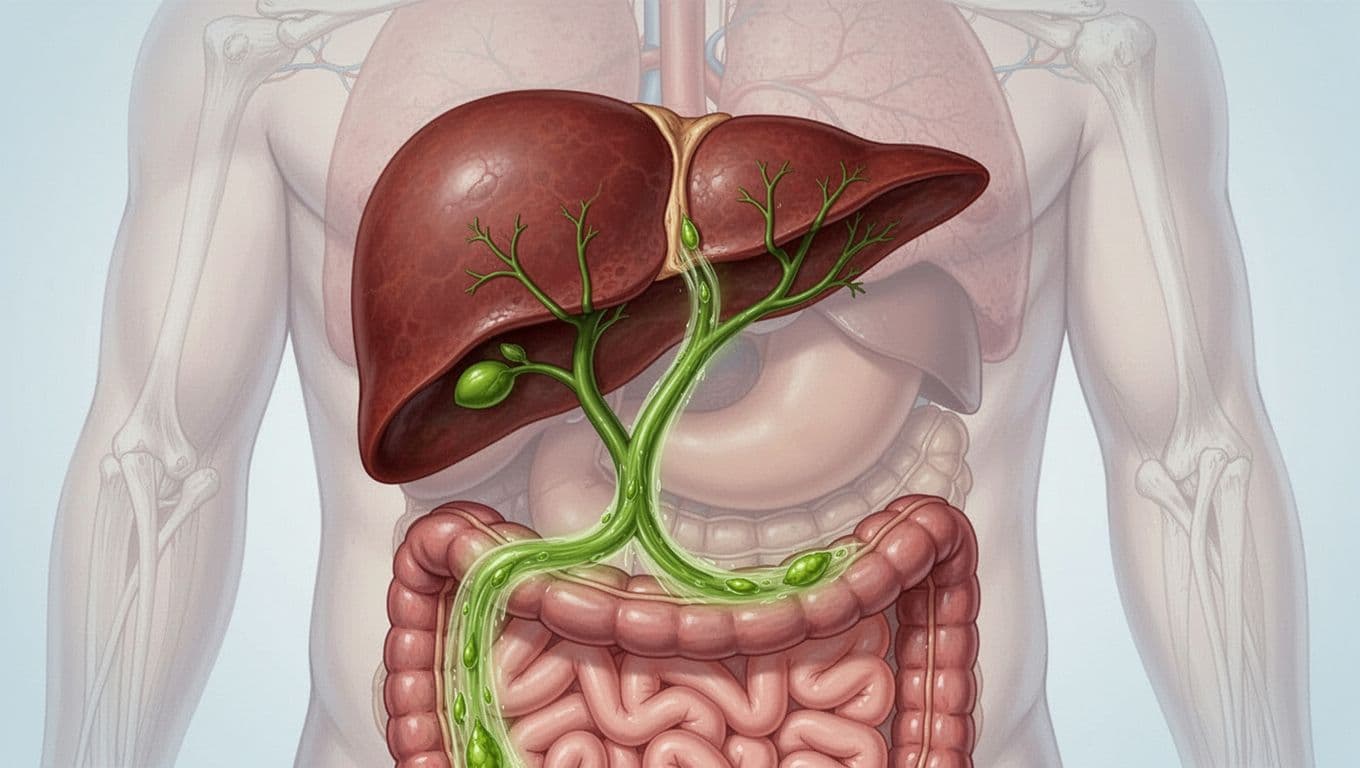 Bile flowing from the liver to the gut, shown as a calm, steady stream (created with AI).
Picture bile like a small stream. When it moves well, digestion feels smoother and the liver stays quieter. When it backs up, the stream turns into a traffic jam, and your lab tests may start waving red flags.
Udiliv is a brand name for ursodeoxycholic acid (often shortened to UDCA, also called ursodiol). It's a prescription bile acid medicine that can help bile flow in certain liver and gallbladder conditions. For some people, it protects the liver over time. For others, it can slowly dissolve certain cholesterol gallstones.
This guide explains what Udiliv is for, how it works, how to take it, side effects and interactions, and practical safety tips for refills and mail-order orders. It also highlights why prescriptions and follow-up labs matter, because this medicine often works quietly, in the background, over months.
What Udiliv (ursodeoxycholic acid) is and what it treats
Udiliv contains ursodeoxycholic acid (UDCA, ursodiol), a bile acid used as medicine. Your body already makes bile acids, but UDCA has a gentler effect on bile than some of the bile acids your liver makes during illness. That difference is why doctors use it for select bile duct and gallbladder problems.
You'll see several names used for the same active ingredient:
- Udiliv: a brand name
- Ursodeoxycholic acid: the chemical (generic) name
- Ursodiol: another common generic name in the US
What does it treat most often? The best-supported uses include:
- Primary biliary cholangitis (PBC), a long-term bile duct disease
- Certain cholesterol gallstones, in carefully selected cases (small stones, not calcified, and the gallbladder still works)
Some clinicians also use UDCA for other types of cholestasis (bile flow problems) in select situations. However, that decision depends on your diagnosis, symptoms, imaging, and liver blood tests. If you're unsure why it was prescribed, start with a plain-language summary from a trusted source like MedlinePlus ursodiol information, then bring your questions to your prescriber.
Conditions it helps most often: PBC and some gallstones
In PBC, the smallest bile ducts inside the liver get damaged over time. As a result, bile can't drain well. That backup can irritate liver cells and raise liver enzymes, especially ALP (alkaline phosphatase). Some people notice itching, fatigue, or dry eyes, while others learn about it from routine labs.
UDCA is often the first medicine used for PBC because it can improve bile flow and lower certain liver tests over time. It doesn't "cure" PBC, but it can slow harm and help the liver stay stable longer for many patients.
For gallstones, UDCA is more selective. It can help dissolve cholesterol stones in some people, usually when stones are small and the gallbladder still squeezes well. It's a slow melt, not a quick fix. Many plans involve months of steady dosing, then follow-up imaging to check progress.
If your doctor mentioned high ALP, bile duct disease, "PBC," or dissolving stones, you're in the right place.
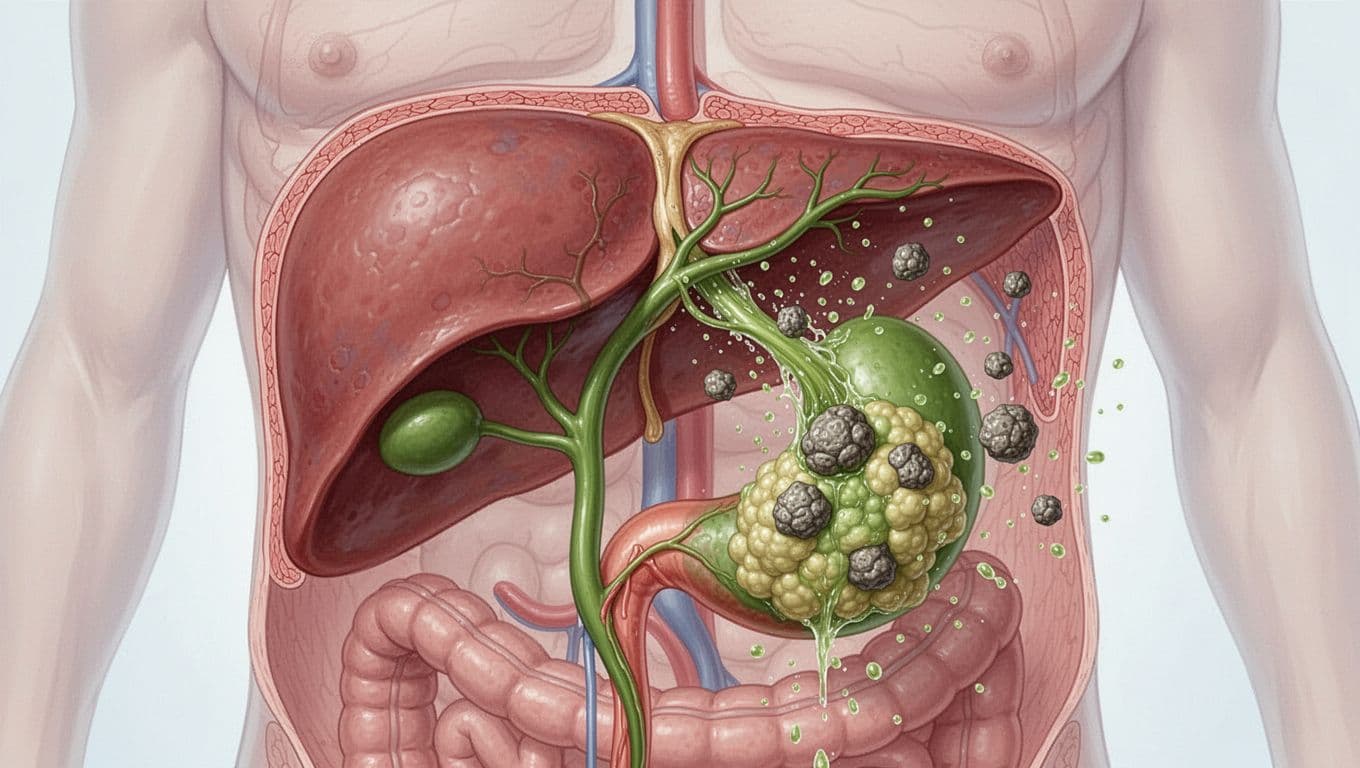 Anatomy-style view of bile moving through ducts and breaking down small cholesterol stones (created with AI).
How Udiliv works inside the liver and bile ducts
Think of bile as dish soap your body uses to break down fats. When bile chemistry changes during disease, that "soap" can get harsher and more irritating to delicate ducts. UDCA helps shift bile toward something less abrasive.
At a high level, UDCA can:
- Make bile less harsh on bile ducts and liver cells
- Help bile move along more smoothly, like turning a sticky syrup into a gentler liquid
- Lower the amount of cholesterol that ends up in bile, which matters for some cholesterol gallstones
- Reduce irritation in the bile ducts in certain conditions
The key point is simple: UDCA supports healthier bile flow, and healthier flow often means less stress on the liver.
If you're looking for a product-specific reference for your prescription, many patients start with the medication page for Udiliv Ursodeoxycholic Acid tablets and then confirm the plan with their clinician.
How to take Udiliv safely so it has the best chance to work
Most UDCA prescriptions are weight-based and depend on the condition being treated. That's why two people can take the same medicine but very different doses. Follow your label exactly, even if a friend's dose looks higher or lower.
Udiliv may come as tablets or capsules, depending on the product and strength. Many people do best when they take it with food, because that can reduce stomach upset. Some prescriptions split the total daily dose across two or three times a day. Others use once-daily dosing. Your prescriber chooses the schedule based on your diagnosis and dose.
Monitoring is part of the treatment, not an extra. Your clinician may order liver blood tests on a schedule, especially early on, and then at regular intervals. If UDCA is being used to dissolve gallstones, follow-up imaging may also be part of the plan.
Track symptoms in simple terms. A few notes in your phone can help, such as itching level, energy, stool color changes, darker urine, or yellowing of the eyes. Those details can matter as much as a lab number.
 UDCA tablets shown near a meal, since many people take it with food (created with AI).
Timing, missed doses, and what "takes time" really means
Consistency matters because UDCA works best as a steady presence. Choose dose times you can keep, even on weekends. Pairing it with meals can help. Breakfast and dinner are common anchors.
If you miss a dose, take it when you remember. However, if it's close to the next dose, skip the missed one. Don't double up unless your prescriber told you to.
"Taking time" isn't a vague warning, it's the nature of the medicine:
- In PBC, lab improvements often show up over weeks to months.
- For gallstone dissolution, progress can take months, and not every stone dissolves.
For a clinical summary of how ursodiol is used for gallstones and PBC, see Mayo Clinic's ursodiol overview.
If you stop and start often, you turn that smooth bile "stream" into stop-and-go traffic. Steady dosing gives UDCA its best shot.
Common mistakes that can blunt results
Most problems aren't dramatic. They're small habits that quietly undo progress.
A few common issues to avoid:
- Skipping doses on weekends or travel days
- Stopping because you "feel fine," even though the condition is still active
- Missing lab checks, so changes get spotted late
- Taking binding medicines too close to UDCA (some products can trap it in the gut)
- Adding supplements without telling your clinician, especially if you have liver disease
No one takes medicine perfectly. Still, a simple routine beats "catching up" later.
Side effects, interactions, and red flags you should not ignore
Many people tolerate UDCA well. When side effects show up, they're often stomach-related. Loose stools or diarrhea can happen, especially when starting or after a dose increase. Nausea or belly discomfort also occurs in some patients.
Even "mild" side effects deserve a mention at your next visit if they persist. Your clinician can sometimes adjust timing, split the dose differently, or check for another cause.
Interactions matter because some medicines can reduce how much UDCA your body absorbs, while others may need closer monitoring when taken together. In addition, hormones that contain estrogen can affect gallstone risk, so it's important to discuss birth control or hormone therapy if you're taking UDCA for gallstones.
For a deeper look at warnings and drug interactions, the official prescribing information is a reliable reference. You can review the FDA ursodiol label (URSO 250 and URSO FORTE) and then discuss what applies to your situation.
Expected side effects vs warning signs
Here's a practical way to sort what's common from what needs faster action.
Expected (often mild)
- Diarrhea or loose stools
- Upset stomach or nausea
- Mild belly discomfort
- Headache (for some people)
- Mild skin rash or itching changes
Warning signs (call your prescriber promptly, or seek urgent care when severe)
- Severe right upper belly pain, especially with fever
- Vomiting that won't stop
- Dark urine or pale stools
- Yellow eyes or skin that's getting worse
- Swelling in legs or belly, new confusion, easy bleeding
- Signs of a serious allergy (hives, face or throat swelling, trouble breathing)
Trust your gut feeling. If something feels "not right" fast, don't wait for the next refill date to ask for help.
Drug and supplement interactions to review before refills
Spacing matters because some products can bind to UDCA in the intestines and carry it out of the body before it can help.
A common spacing rule is:
- Take Udiliv at least 2 hours before or after bile acid sequestrants (like cholestyramine or colestipol) or aluminum-containing antacids, unless your prescriber gave different directions.
Other medications sometimes discussed with UDCA include cyclosporine and certain cholesterol medicines. Estrogen-containing birth control or hormone therapy can matter in gallstone plans. Bring a complete medication list, including vitamins, herbals, and over-the-counter products.
Alcohol doesn't create a simple "never" rule for everyone, but liver disease changes the risk. Follow your clinician's advice, and be honest about your intake.
Getting Udiliv through a safe prescription refill and mail-order process
When you're managing a long-term condition, refills become part of life. That's even more true with PBC, where UDCA may be used for years. A smooth refill process protects your routine, and it also reduces missed doses that can affect labs.
A pharmacy typically needs:
- Your current prescription (and refills remaining)
- Your prescriber's contact info, in case verification is needed
- Your shipping address and phone number for delivery updates
- In some cases, recent labs or a follow-up visit on file (based on clinic policy)
When buying medicine online, safety is about the basics. Look for prescription requirements, licensed dispensing, secure checkout, clear contact options, and shipment tracking. After the package arrives, store it at room temperature, away from heat and moisture. Also check the tablets or capsules when you open a new bottle. Generics can look different between manufacturers, so ask if the change worries you.
If you and your prescriber decide a generic is appropriate, you can compare options like generic Ursodiol (Ursodeoxycholic Acid) and confirm the strength matches your prescription.
A quick checklist to keep your treatment on track
- Set refill reminders a week or two early
- Put lab dates on your calendar, then keep them
- Take with meals if your stomach feels off
- Separate from binding meds using the spacing rule
- Report new symptoms early, especially jaundice or severe pain
- Don't share the medication, even with similar symptoms
- Keep a current med list in your wallet or phone
- Ask before switching between brands and generics if you're unsure
Conclusion
Udiliv (ursodeoxycholic acid) supports bile flow and can help protect the liver in PBC. In carefully chosen cases, it can also dissolve certain cholesterol gallstones, although that process takes patience. Most importantly, steady dosing and regular labs turn this medicine from "a pill" into a real plan. If symptoms change, or if refills and new medications enter the mix, talk with your clinician or pharmacist so your treatment stays safe and consistent.