
Immunotherapy Side Effects: Recognizing Delayed Reactions
Written by: Waldrugmart Editorial Team
Reviewed by: Navdeep Singh, B.Pharm — Registered Pharmacist
Last reviewed:
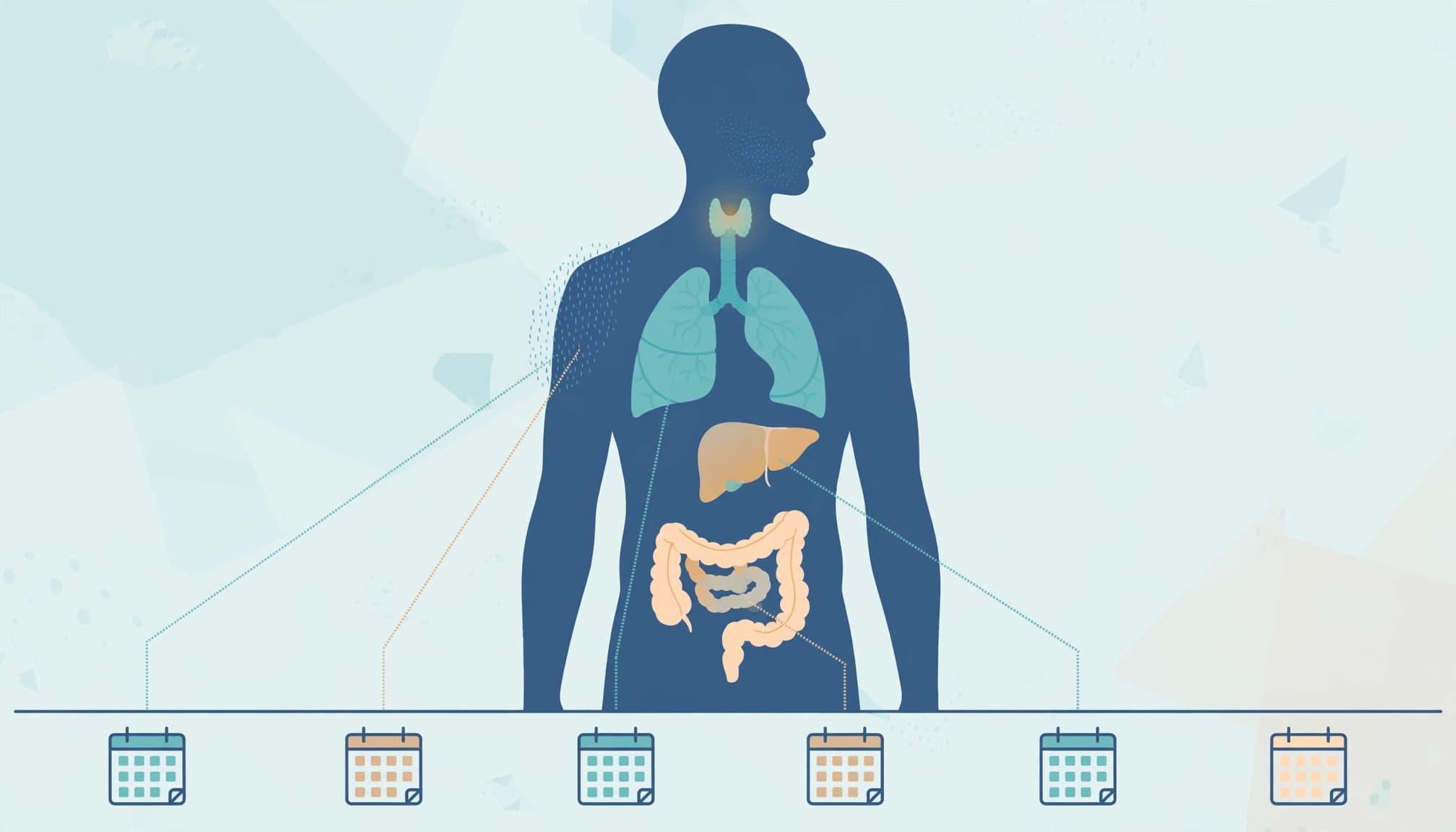
Immunotherapy side effects can begin during treatment or months after the final dose, because immune activity can continue after treatment ends. These delayed reactions may affect the bowel, lungs, liver, skin, or hormone-producing glands.
Many reactions are manageable, but apparently minor symptoms can precede serious inflammation. Early reporting gives the oncology team a chance to assess the cause and may prevent complications or treatment interruptions.
Table of Contents
Key takeaways | Delayed reactions | Symptoms and timing | Urgent warning signs | Grading and treatment | CAR T-cell therapy | Affordable access | FAQs
Key Takeaways
- Immune-related adverse events can appear after treatment stops, so a previous immunotherapy history remains relevant.
- New diarrhea, cough, unusual fatigue, or skin changes deserve prompt reporting rather than waiting for the next appointment.
- Some hormone deficiencies persist and require lifelong treatment, even after other inflammation resolves.
This information is for educational purposes only. Consult a licensed healthcare provider for individual assessment and treatment.
Why Immune Reactions Can Start Late
Immune checkpoint inhibitors release immune-system restraints that cancer cells exploit. Pembrolizumab and nivolumab block PD-1; ipilimumab blocks CTLA-4. These monoclonal antibodies treat selected cancers according to tumor type, stage, biomarkers, and previous treatment.
Cancer vaccines stimulate immune recognition through a different approach. Targeted therapy acts on specific cancer-related pathways and doesn't necessarily cause the same immune-mediated toxicity.
Activated immune cells can also attack healthy tissues. Clinicians call these reactions immune-related adverse events, or irAEs. Unlike the direct tissue injury associated with many chemotherapy effects, these reactions occur when immune cells attack healthy tissue.
MD Anderson reports that more than 60% of immunotherapy recipients develop side effects. That broad figure covers different treatments and doesn't predict an individual's risk.
Stopping a checkpoint inhibitor doesn't immediately end its immune effects, so a new symptom months later can still relate to treatment. Pre-existing autoimmune disease or an organ transplant also changes the risk assessment and requires specialist planning.
For regimens that include tablets, our oral cancer medication safety guidance addresses separate dosing and handling precautions.
When Immunotherapy Side Effects First Appear
The Cancer Research Institute's immunotherapy side-effect overview provides the following estimates for checkpoint inhibitors. Timing varies substantially between drugs and patients.
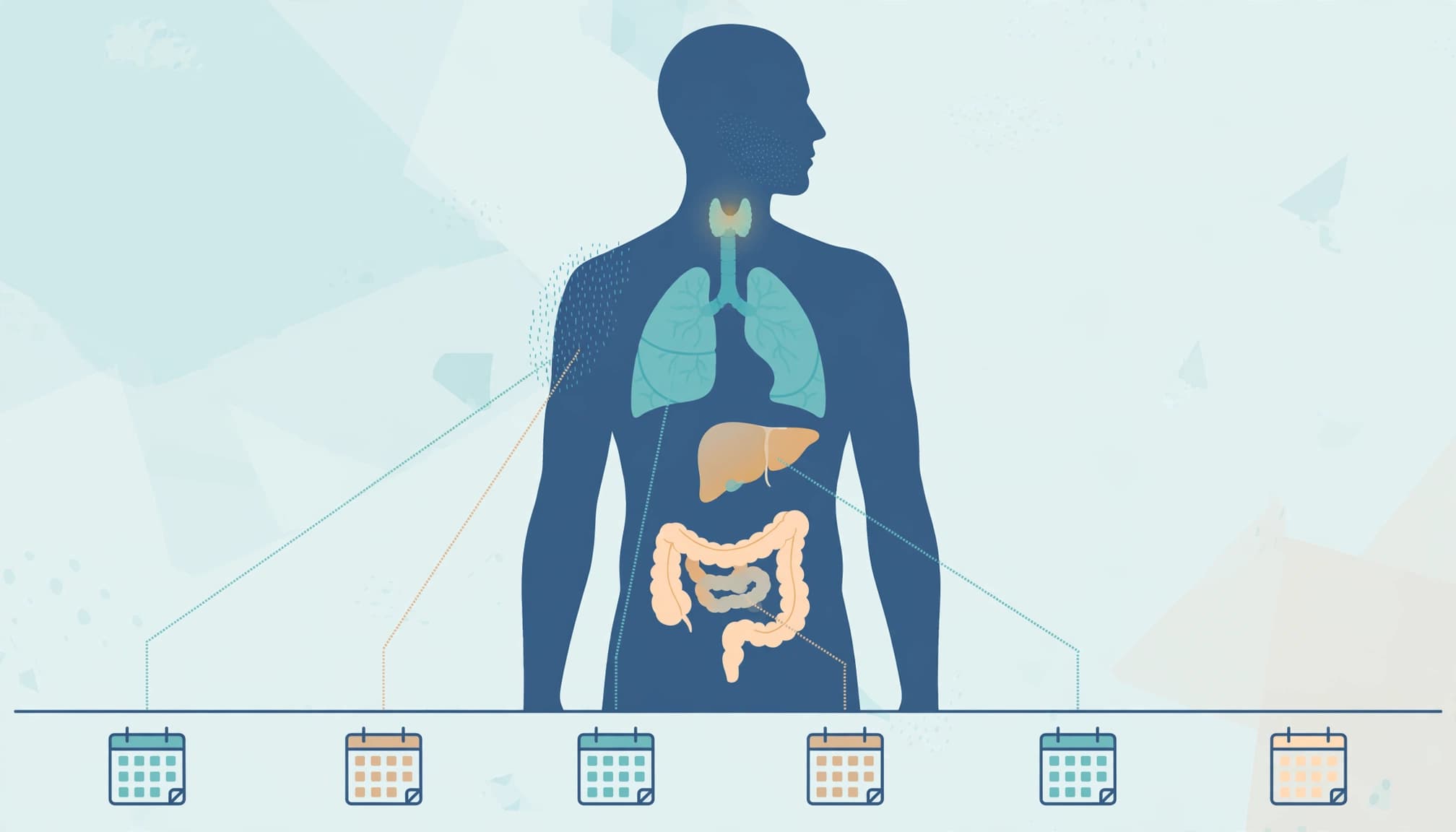
| Affected area | Reported frequency | Typical onset after treatment begins | Possible clues |
|---|---|---|---|
| Skin | Rash or vitiligo in 7% to 18% | Often early, but delayed reactions occur | Itching, rash, pale skin patches |
| Bowel | Varies by regimen | Colitis often at six to seven weeks | Diarrhea, cramps, blood or mucus |
| Liver | About 1% to 3% with single therapy; about 20% with combinations | Six to 14 weeks | Abnormal blood tests, sometimes jaundice or dark urine |
| Lungs | Pneumonitis in about 3% | Two to three months | Cough, chest pain, breathlessness |
| Endocrine glands | About 10% across endocrine effects | Seven to 20 weeks | Fatigue, weight changes, dizziness, thirst |
These windows are guides, not deadlines. Reactions can begin earlier, later, or after treatment ends.
The endocrine side effects estimate includes hypothyroidism, hyperthyroidism, adrenal insufficiency, and type 1 diabetes, not one condition affecting 10% of patients. Nausea can occur with adrenal insufficiency, but symptoms need clinical assessment; vitiligo can cause pale or depigmented skin patches.
Immune-mediated hepatitis may produce no symptoms, so scheduled blood tests remain important. Meanwhile, fatigue can reflect cancer, anemia, infection, or a hormone deficiency. Its cause determines treatment and recovery time.
Recognizing Symptoms That Need Urgent Care
The severity of immunotherapy side effects cannot be judged by timing alone. A mild-looking change deserves attention when it is new, persistent, or worsening.
Changes that warrant prompt oncology contact
New diarrhea, a persistent cough, increased thirst, unusual dizziness, or fatigue that interferes with daily activity warrants prompt contact. Fever also needs urgent assessment because infection can resemble an immune reaction.
A symptom record helps: onset date, stool frequency compared with baseline, temperature, fluid intake, and medication changes. Antibiotics can cause diarrhea too; our explanation of antibiotic-associated diarrhea warning signs describes why the cause matters. Immune colitis and infection require different treatment.
Signs that require emergency assessment
Severe breathlessness, chest pain, collapse, confusion, seizures, or rapidly worsening weakness require emergency services. Rare myocarditis can inflame the heart, while neurological inflammation can affect swallowing or breathing.
Bloody diarrhea with severe abdominal pain, blistering skin, or mouth and eye sores also needs urgent assessment. Extreme thirst with vomiting, abdominal pain, or deep breathing can indicate diabetic ketoacidosis.
Emergency clinicians need the immunotherapy drug name and last treatment date, even when treatment ended months earlier.
How Clinicians Grade and Treat Reactions
Clinicians assess organ function, symptoms, and interference with daily activity before choosing treatment. Infection and cancer progression may require investigation alongside suspected immune toxicity.
What the severity grades mean
The National Cancer Institute's Common Terminology Criteria for Adverse Events describes Grade 1 as mild, Grade 2 as moderate, Grade 3 as severe, Grade 4 as life-threatening, and Grade 5 as death.
The Cancer Research Institute reports fatal events in approximately 0.2% to 0.5% of patients in its overview. Risk varies by treatment and organ involved.
Grade 1 reactions sometimes allow treatment to continue with monitoring. Higher grades may require a treatment pause, hospital care, or permanent discontinuation. Certain heart or neurological reactions demand urgent action even when initial symptoms seem limited.
How treatment controls inflammation
Corticosteroids are generally first-line treatment for moderate-to-severe inflammatory irAEs. Clinicians taper corticosteroids gradually because abrupt withdrawal can cause problems. Longer corticosteroid courses may require monitoring for infection or changes in blood glucose.
Steroid-resistant reactions may require infliximab or vedolizumab for colitis, mycophenolate for hepatitis, or selected use of tocilizumab or rituximab. These medicines aren't interchangeable, and treatment depends on the organ involved.
Fecal microbiota transplantation for immune-related colitis remains investigational. Hormone deficiencies usually need replacement treatment rather than inflammation treatment alone.

How CAR T-Cell Reactions Differ
CAR T-cell therapy modifies a patient's immune cells to recognize cancer. Its major early toxicities differ from checkpoint-inhibitor inflammation.
The Cancer Research Institute reports cytokine release syndrome (CRS) in up to 90% of patients and neurotoxicity in approximately 25% to 30% after CAR T-cell therapy. These broad estimates vary by product and study population.
The NCI's CAR T-cell patient guidance explains that activated cells release inflammatory cytokines. CRS can cause fever, low blood pressure, and breathing problems. Neurotoxicity can cause confusion, tremor, or seizures.
Cancer vaccines don't use engineered T cells, so their adverse effects shouldn't be assumed to match CRS.
Tocilizumab and supportive care are usual CRS treatments; severe cases may also require corticosteroids. Clinicians use CAR T-specific grading frameworks for CRS and associated neurotoxicity rather than applying checkpoint-inhibitor grading alone. After CAR T-cell therapy, clinicians monitor patients for these early reactions and arrange follow-up based on symptoms.
How to Access Immunotherapy Affordably
There isn't one meaningful immunotherapy price. Total costs depend on the medicine, dose, treatment schedule, administration, laboratory monitoring, and management of complications.
USA, Australia, and UK reimbursement systems also produce different patient expenses. Therefore, a local-versus-international comparison needs the same product and treatment plan, including administration and delivery costs.
Infused pembrolizumab requires clinical administration. An international online pharmacy or online medicine home delivery service cannot replace oncology supervision.
For pharmacy-dispensed prescription medicine, safe access involves a valid prescription, licensed dispensing, appropriate storage, and lawful importation. Global sourcing can add transport and regulatory constraints. Shipping charges alone don't establish the total cost of treatment.
Our pharmacist consultation service supports medication questions and prescription discussions. However, new symptoms suggesting immune toxicity require the treating oncology team or emergency services, rather than a routine pharmacy inquiry.
Frequently Asked Questions
Can immunotherapy side effects appear after treatment ends?
Yes. Immune-related adverse events can first appear months after the final dose, and delayed cases have also been reported years later. A previous checkpoint-inhibitor history remains relevant during future medical assessments. New symptoms still require investigation because infection, other medicines, and cancer itself can cause similar problems.
How long do immunotherapy side effects usually last?
Some mild reactions improve over days or weeks, while inflammatory complications can require treatment for months. There isn't a single recovery timeline. Hypothyroidism, adrenal insufficiency, and type 1 diabetes may require lifelong hormone replacement or insulin, even when the original immune inflammation has settled.
Do side effects mean immunotherapy is working?
Thyroid dysfunction and colitis have been associated with better survival or response in some studies. However, this relationship isn't consistent across cancers and cannot establish an individual's response. Imaging and other cancer-specific assessments remain necessary. The absence of side effects also doesn't establish that treatment has failed.
Which checkpoint inhibitors cause fewer side effects?
PD-1 and PD-L1 inhibitors generally cause fewer severe immune-related adverse events than CTLA-4 inhibitors. Combining checkpoint inhibitors usually increases toxicity. However, treatment selection also depends on the cancer and expected benefit. A lower-risk drug class doesn't eliminate the possibility of serious or delayed inflammation.
What helps with fatigue during immunotherapy?
Fatigue needs assessment for thyroid or adrenal problems, anemia, infection, sleep disruption, and other causes. When the oncology team considers activity safe, short walks, planned rest, and regular meals may help. Persistent exhaustion, dizziness, vomiting, or difficulty functioning warrants prompt reporting rather than assuming ordinary treatment fatigue.
Delayed Symptoms Remain Part of Treatment Safety
The final immunotherapy dose doesn't establish a firm endpoint for side effects. New symptoms can remain treatment-related long after scheduled infusions stop.
The strongest protection is early recognition, supported by a clear treatment history and continued monitoring. Many reactions respond to treatment, while lasting endocrine damage can require ongoing replacement therapy, even when the original immune reaction has settled. Recognizing that difference helps explain why follow-up remains part of cancer care after treatment ends.